
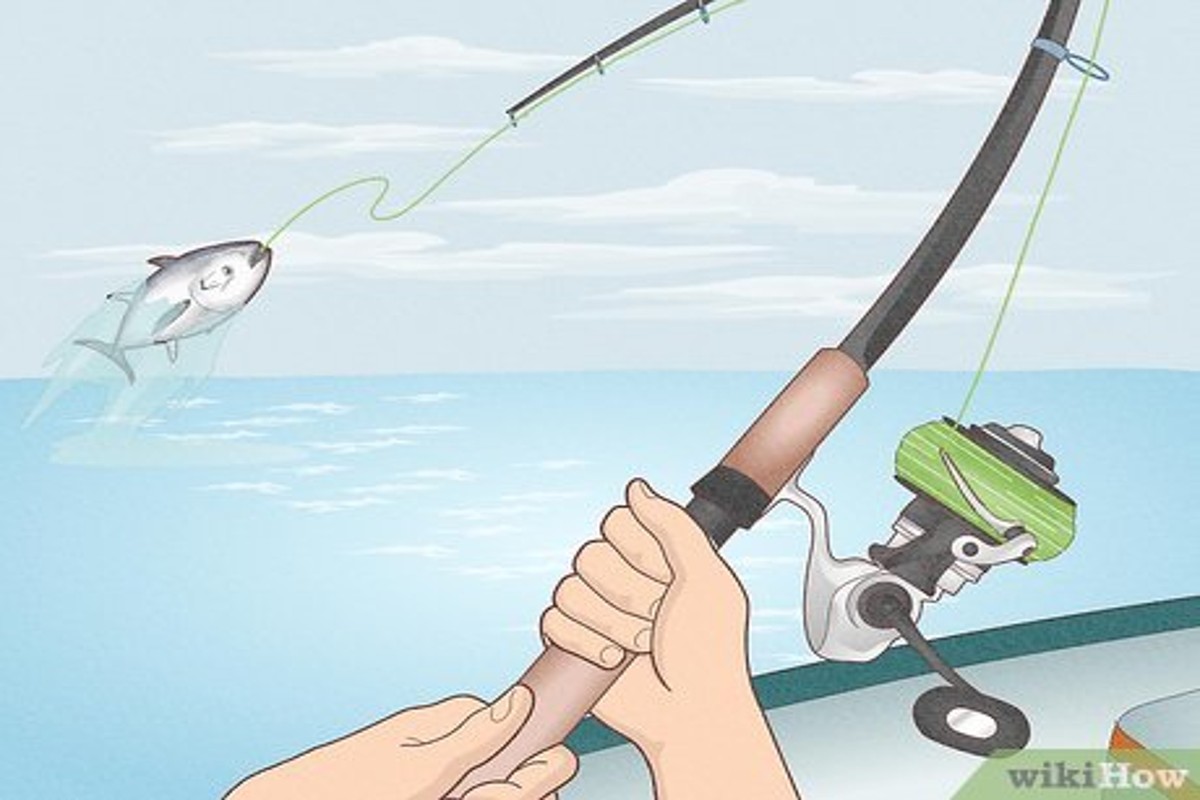
How Do You Use A Fishing Rod? It involves selecting the right gear, mastering casting techniques, and understanding how to reel in a catch effectively. Knowing how to use a fishing rod is essential for beginners to enjoy fishing and improve their skills.
Imagine standing by a serene lake, eager to catch your first fish. With the right techniques, you can turn that dream into reality, making your fishing experience enjoyable and rewarding.
Choosing the right fishing rod can make all the difference in your fishing experience. Whether you’re a weekend warrior or just trying it out for the first time, having the right gear tailored to your style is crucial.

Choosing the Right Fishing Rod
When selecting a fishing rod, you’ll want to consider your fishing style and the species you’re targeting. With various types of rods available, knowing what fits your needs will enhance your time on the water.
There are a few main types of fishing rods: spinning rods, baitcasting rods, and fly rods. Spinning rods are versatile and easy to use, making them great for beginners. Baitcasting rods offer more control for experienced anglers, especially when targeting larger fish. Fly rods, on the other hand, are specialized for fly fishing and require a bit more skill.
Length and action are also important factors. Rod length typically ranges from 5 to 12 feet. A shorter rod gives you more control, while a longer rod can cast further. Action refers to how much the rod bends. Fast action rods bend near the tip, making them great for quick hook sets, while slow action rods bend throughout, which is better for lighter lures and more sensitive bites.
Matching your rod with the right reel is essential too. A spinning reel pairs well with a spinning rod, and likewise for baitcasting setups. If you’re unsure, look for combo sets that include both rod and reel. This way, you can ensure they’re designed to work well together.
Real-World Example
Imagine you’re heading out to catch bass on a local lake. You might choose a 7-foot medium action spinning rod paired with a spinning reel for versatility. This setup allows you to cast further and manage those aggressive strikes effectively, making your fishing trip much more enjoyable.
When choosing a fishing rod, think about your specific needs. Don’t hesitate to ask local anglers or staff at your favorite tackle shop for recommendations. They can provide insights tailored to your fishing adventures and help you understand how do you use a fishing rod effectively.
Understanding your fishing rod is essential for a successful fishing experience. Knowing the key components can make a big difference in how you cast and reel in your catch.

Understanding Fishing Rod Components
Every fishing rod has specific parts that play a crucial role in its performance. From the material of the rod blank to the guides and reel seats, each component influences how you use a fishing rod effectively.
The rod blank is the main body of the fishing rod and is typically made from materials like fiberglass or graphite. Fiberglass rods are durable and flexible, making them great for beginners. Graphite rods, on the other hand, are lighter and more sensitive, allowing you to feel even the slightest nibble.
Next up are the guides—those small rings along the rod. They serve an important function: they guide the fishing line from the reel to the tip. Properly aligned guides help reduce line tangles and increase casting distance. Imagine trying to cast without them! It would be a tangled mess.
Then we have the reel seat and handle. The reel seat is where your fishing reel attaches to the rod. A secure fit is vital, as any wobble can affect your casting accuracy. The handle, usually made from EVA or cork, provides grip and comfort while you’re reeling in that big catch. A good handle will help you fish for hours without discomfort.
When you’re choosing a fishing rod, think about how these components work together. For example, if you’re planning to fish in freshwater, a lightweight graphite rod with good guides and a comfortable handle might be your best bet. This setup will help you enjoy your time on the water and make it easier to answer the question, “How do you use a fishing rod?”
Remember, getting to know your fishing rod’s components is the first step toward mastering your technique. The more you understand what each part does, the better you’ll be at using your rod effectively.
Mastering the art of casting is essential if you want to make the most out of your fishing experience. Learning some basic techniques will set you up for success, whether you’re out on a lake or casting from shore.
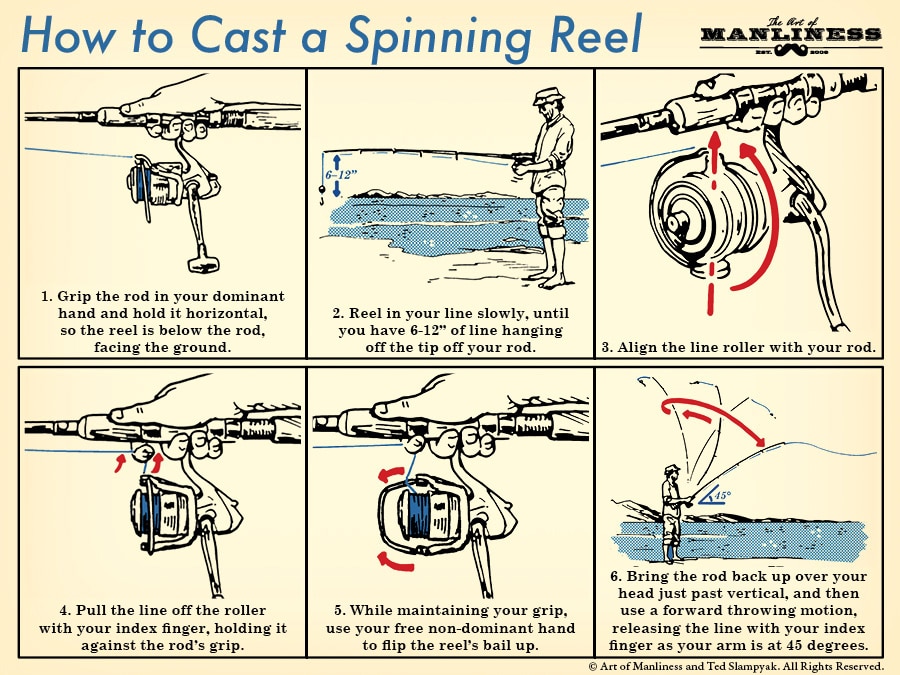
Basic Casting Techniques
There are a few fundamental casting techniques every beginner should know. Each method has its own advantages and is suitable for different situations. Let’s break down the most common ones.
The overhead cast is probably the most widely used technique. To execute it, you hold the rod with both hands, lift it above your head, and then flick your wrist to send the line out. This is a great option for open water where you have plenty of space to cast.
Next up is the sidearm cast. This technique is ideal when you’re fishing in tight spots, like under overhanging trees. You position the rod parallel to the ground and swing it out to the side. This helps you avoid snagging branches while still getting your bait where it needs to go.
The roll cast is a bit different and can be quite useful for delicate presentations. You start with the rod tip low and let the line roll off the tip as you bring the rod back. It’s especially handy when you’re fishing in areas with obstacles or when you want to place your line gently on the water’s surface.
Using these techniques effectively comes down to practice. Picture this: you’re on a serene lake, and you want to catch that elusive fish hiding near the reeds. The overhead cast lets you reach far, while the sidearm cast helps you navigate around obstacles. Knowing when to use each technique will make you a better angler.
Don’t forget to keep your movements smooth and controlled. Jerky motions can scare fish away and lead to tangled lines. Practice each casting technique in different settings to get comfortable. Soon enough, you’ll be casting like a pro and answering the question, “How do you use a fishing rod?” with confidence.
Once you feel that unmistakable tug on your line, it’s time to put your skills to the test. Reeling in a fish is an exciting moment, but it requires some technique to ensure you don’t lose your catch. Let’s break down the steps to help you reel in your prize.
Reeling in Your Catch
Reeling in a fish isn’t just about cranking the handle—it’s a dance between you and the fish. You’ll want to set the hook properly first, then use the right techniques to bring your catch to shore or into your boat.
Setting the hook is your first priority once you feel a bite. This means pulling back on the rod quickly to embed the hook into the fish’s mouth. Depending on the species, you might need to give it a little extra tug. If you’re fishing for bass, for instance, a sharp upward motion will help secure the hook more effectively. You’ll know you’ve done it right when you feel resistance.
Now that you’ve set the hook, it’s time to reel in your catch. Keep tension on the line as you wind the reel handle. If the fish tries to run away, let it pull some line out, but don’t let go. Instead, lower your rod tip to keep the line tight and reel in when the fish tires. This back-and-forth can take some time, so patience is key. If the fish jumps out of the water, that’s a sign it’s trying to shake the hook. Keep your line tight and don’t panic—stay steady!
Handling the Fish After Catch
Once you’ve successfully reeled in your fish, it’s time to handle it properly. If you’re planning to release it, wet your hands before touching the fish to protect its slime coating. For catch-and-release, gently remove the hook using pliers. If you’re keeping the fish for dinner, make sure to handle it with care to maintain its quality.
Remember, how you handle your fish can impact its survival. If you’re fishing for species that are sensitive, like trout, try to minimize the time it spends out of the water. Always have a plan for what you’ll do with your catch once it’s landed, whether that’s a quick photo for social media or prepping it for the grill.
Next time you’re out on the water, keep these tips in mind. You’ll not only improve your chances of a successful catch, but you’ll also enjoy the experience even more. Mastering the art of reeling in your catch is a big part of understanding how do you use a fishing rod effectively!
Choosing the right fishing line and bait can make or break your fishing experience. You want to attract the fish you’re after, and the right gear is essential for that.

Fishing Line and Bait Selection
When you’re gearing up for a fishing trip, understanding the types of fishing line and bait options available is crucial. Each choice affects how effectively you can catch fish, so let’s dive into the details!
First up, let’s talk about fishing line. There are three main types you should know about: monofilament, fluorocarbon, and braided line. Monofilament is the most common, easy to handle, and great for beginners. Fluorocarbon is nearly invisible underwater, making it perfect for clear waters. Braided line is super strong and has a small diameter, which is excellent for pulling in big fish.
Now, onto bait. The type of bait you choose depends on the fish species you’re targeting. For instance, if you’re fishing for bass, live worms or plastic lures work like a charm. Trout, on the other hand, often bite on small minnows or power bait. If you’re after catfish, stink bait or chicken liver can be surprisingly effective.
How to Rig Bait on the Hook
Once you’ve selected your bait, it’s time to rig it up. For live bait like worms, thread the hook through the worm’s body a few times to ensure it stays on while casting. For lures, attach them directly to your line using a swivel or snap. You want your bait to look as natural as possible, so make sure it’s securely attached.
Imagine you’re out on a sunny afternoon, casting your line into a nearby lake. You’ve chosen a smooth monofilament line and rigged up a juicy worm. As you wait, the anticipation builds, and you feel a tug—it’s all about that connection! Remember, learning how to use a fishing rod effectively starts with making the right choices about your line and bait.
Experimenting with different lines and baits can help you discover what works best for you. Don’t hesitate to ask local anglers for their recommendations—they often have great tips to share!
As a beginner, using a fishing rod can feel overwhelming. It’s easy to make mistakes that could affect your experience and success on the water.

Common Mistakes to Avoid
Understanding common errors can help you fish more effectively and enjoyably. Let’s dive into the pitfalls you should steer clear of.
One of the biggest mistakes is improper casting techniques. If you throw your line like you’re tossing a ball, you’re likely to end up with a tangled mess instead of a neatly cast lure. Instead, practice the smooth, fluid motion of casting—think of it as a gentle flick of your wrist. A good tip is to practice in your backyard before hitting the water. You’ll get the hang of it without the pressure of a live catch!
Another common error is neglecting gear maintenance. Your fishing rod and reel are your best friends when you’re out there. If you don’t clean them regularly or check for wear and tear, they might let you down when you least expect it. A simple rinse after each fishing trip can go a long way in keeping your gear in top shape.
Finally, ignoring local fishing regulations can lead to trouble. Each area has specific rules about catch limits, bait types, and fishing seasons. Not following these can not only ruin your fishing experience but might also land you a hefty fine. Make sure to check local guidelines before you head out—it’s part of being a responsible angler.
By avoiding these common mistakes, you’ll be well on your way to mastering your fishing rod. Remember, practice makes perfect, and a little diligence goes a long way in enhancing your fishing experience. Happy angling!