
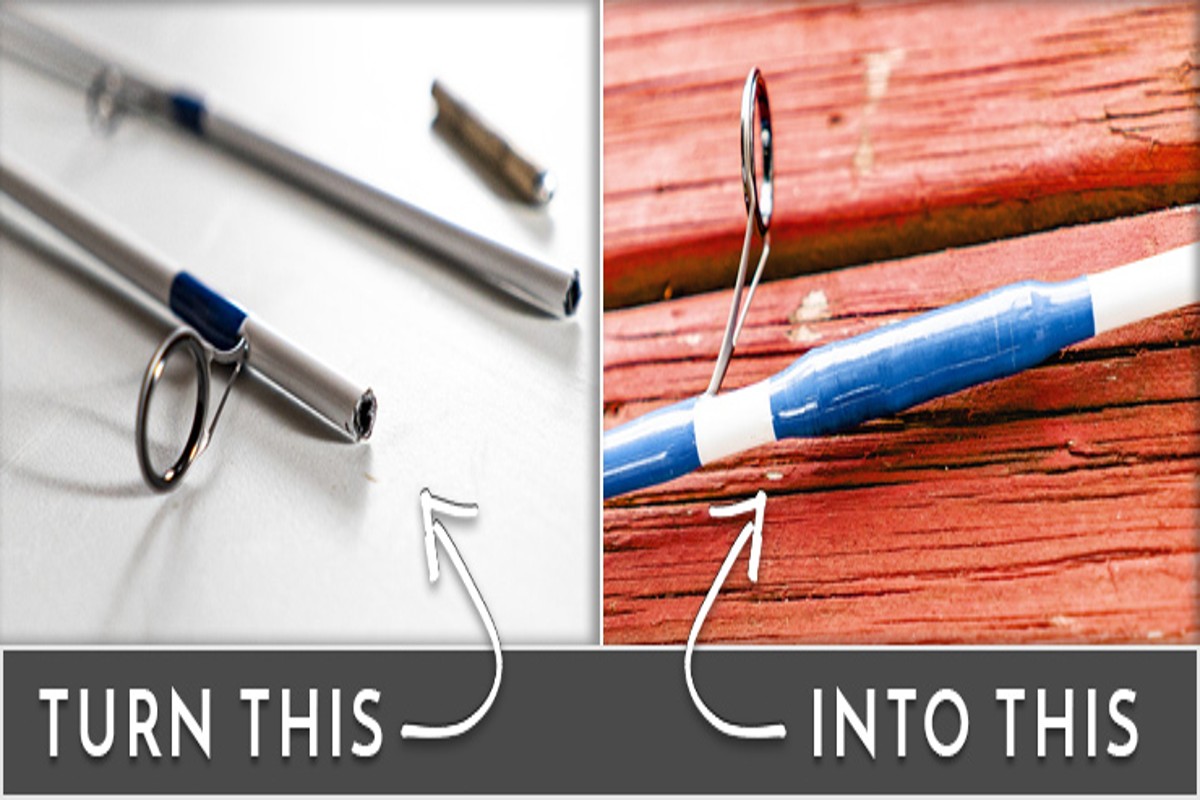
Can a broken fishing rod be repaired? Yes, many fishing rods can be repaired depending on the type and extent of damage. This matters because a repaired rod can save you money and keep your fishing trips enjoyable.
For instance, if your rod breaks during a weekend fishing trip, knowing how to fix it can get you back to casting lines quickly. Simple repairs like replacing a guide or fixing a split can extend the life of your equipment.
Before diving into repairs, you need to assess the damage to your broken fishing rod. A thorough evaluation will help you determine if it’s fixable and how best to approach the repair process.

Assessing the Damage
Start by inspecting your rod carefully. Look for any visible cracks, breaks, or other signs of damage. Understanding the extent of these issues is crucial for deciding on the best repair strategy.
First, check for visible cracks or breaks along the length of the rod. A clean break usually means the rod can be glued back together, but splintered areas might require a different approach. Take your time; even small cracks can affect performance.
Next, determine if the break is clean or splintered. A clean break is easier to fix and can often be repaired with epoxy or super glue. If the rod is splintered, you may need to consider more advanced techniques, like wrapping with fiberglass tape or even replacing that section entirely.
Finally, assess the rod’s material for repair options. Most fishing rods are made from graphite, fiberglass, or composite materials. Each type has its own repair methods. For instance, fiberglass rods can be mended using fiberglass tape, while graphite rods may require specialized adhesives.
Imagine you’re out on a fishing trip, and your rod snaps while reeling in a big catch. By quickly assessing the damage, you can decide whether to attempt a repair with duct tape or head back home for a more thorough fix. Having a basic understanding of the material and the nature of the break can save you time and frustration.
When assessing your broken fishing rod, remember that the right approach can make all the difference. Knowing how to identify the type of damage and the material will guide you in determining if a broken fishing rod can be repaired effectively.
Fishing rods are tough, but they can still get damaged. Knowing the common types of damage helps you figure out if you can repair your rod or if it’s time for a new one.

Types of Fishing Rod Damage
Fishing rods can sustain various types of damage, each with its own level of impact on performance. Understanding these common issues can help you determine whether you can fix them yourself or need a professional’s help.
One of the most common issues is a broken blank or tip. This type of damage typically occurs from excessive bending or a hard impact. For instance, if you accidentally drop your rod while setting up, the tip can snap off, making it unusable. Depending on the severity, you might be able to replace just the tip or the entire blank.
Loose guides or handles can also be problematic. If you notice your guides wobbling or the handle feels loose, it can affect your casting and overall control. This damage often happens over time due to wear and tear or during transport. Tightening screws or re-gluing the guides can often solve this issue.
A damaged reel seat is another common concern. If the part that holds your reel becomes cracked or breaks, you risk losing your reel mid-cast. This not only affects your fishing but can also lead to losing your gear altogether. Repairing a reel seat usually involves replacing it, which can be a bit tricky but is often manageable with the right tools.
If you’re facing any of these issues, don’t panic! Many of them can be fixed with a little patience and the right supplies. Just remember, whether you can repair a broken fishing rod or not often depends on the type and extent of the damage. It’s always wise to assess the situation carefully before deciding on your next step.
If you’re dealing with a broken fishing rod, you might be wondering, can a broken fishing rod be repaired? The good news is that many common issues can be fixed with some DIY techniques, saving you time and money.
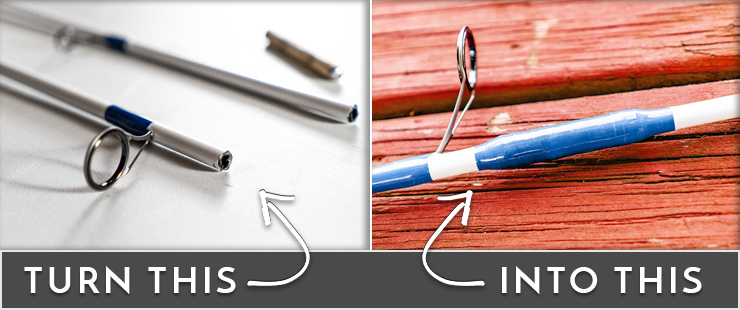
DIY Repair Techniques
Repairing your fishing rod at home can be surprisingly straightforward. With just a few materials and some patience, you can tackle minor repairs and get back to fishing in no time.
One of the simplest fixes involves using epoxy for minor breaks. If your rod has a small crack or a split, applying a good-quality epoxy can restore its strength. Just clean the area first, mix the epoxy according to the instructions, and apply it evenly. Let it cure fully before testing the rod again. This method can save you from having to replace the entire rod!
Another common issue is damaged guides. If you’ve noticed a guide is bent or broken, you can replace it with a new one. You’ll need to carefully remove the old guide by cutting the wrapping, then clean the area. Attach the new guide using a strong adhesive, and secure it with wrapping thread before applying some epoxy to hold it all in place. Voila! Your rod’s ready for action again.
Re-wrapping rod sections is another technique you might consider. After years of use, the wrapping on your rod can become frayed or loose. To re-wrap a section, simply unwrap the old thread, clean the area, and start wrapping new thread tightly. This not only restores the rod’s integrity but also gives it a fresh look. Plus, you can choose your favorite color! Imagine how cool it would feel to customize your gear.
When tackling these repairs, having the right tools on hand can make a difference. You’ll need some basic supplies like epoxy, thread, a thread spool, and a guide replacement kit. This way, you can handle multiple issues as they arise without having to run to the store each time.
As a practical tip, always inspect your fishing rod before heading out. Catching a small issue early can save you from bigger problems down the line. Remember, if you can handle these DIY techniques, you can keep your fishing rod in top shape for all your fishing adventures.
Knowing when to seek professional help for your broken fishing rod can save you time and money. If you’re facing severe damage or have a specialized rod, calling in the experts might be your best bet.

When to Seek Professional Help
Not all fishing rod damage can be easily fixed at home. In certain situations, getting a professional’s help can ensure your rod is repaired properly and stays reliable for years to come.
First, consider the extent of the damage. If your rod has a significant break or cracks that compromise its structure, DIY repairs might not cut it. A pro can assess the damage and determine the best course of action. For example, if you accidentally stepped on your rod and it snapped in half, a quick fix with tape won’t restore its strength. An expert can provide a more durable solution.
Next, think about the type of rod you own. Specialized rods, like those made from high-end materials or designed for specific types of fishing, often require expertise that general repairs don’t cover. If your rod is a custom-made piece or has unique components, a professional repair can ensure it retains its performance.
Lastly, don’t overlook warranty considerations. Many fishing rods come with warranties that cover repairs or replacements. If your rod is still under warranty, attempting a DIY fix might void it. Always check your warranty terms before deciding how to proceed.
If you find yourself in a situation where your fishing rod is severely damaged or specialized, remember that professional help can be a wise investment. They’ll get your gear back in the game safely and effectively.
Keeping your fishing rod in top shape is key to enjoying your time on the water. By taking some simple preventive measures, you can significantly reduce the chances of breaking your rod and ensure it lasts for many fishing seasons. Here’s how to maintain your gear like a pro.

Preventive Measures for Longevity
Your fishing rod deserves a little TLC. With proper care, you can extend its life and enhance your fishing experience. Let’s dive deeper into some practical tips to keep your rod in excellent condition.
First things first, proper storage techniques are crucial. When you’re not using your rod, make sure to store it in a cool, dry place. Avoid leaving it in your car or near windows where sunlight can weaken the materials. Instead, consider placing it in a designated fishing rod rack or even hanging it on a wall. This prevents unnecessary bends and breaks.
Next, regular inspections for wear can save you from unexpected breakages. Take a moment before each fishing trip to check your rod for any signs of damage. Look for cracks in the guides or the rod itself, and pay attention to any fraying in the line. Catching these issues early can help you decide whether you need repairs or if you’re good to go.
Another smart move is using protective cases. A sturdy case can shield your rod from bumps and scrapes during transport. When you travel, whether it’s a quick drive to your local lake or a long road trip, having your rod in a case ensures it’s safe from any potential hazards. You wouldn’t want to arrive at your fishing spot only to find your rod damaged!
Imagine you’re heading out for a weekend fishing trip. You pack your gear and remember to check your rod for any signs of wear. You spot a small crack in the guide—you can either fix it now or risk a broken rod on the water. Choosing to address the issue means you’ll be casting your line with confidence instead of worrying about your gear.
Taking these simple steps will not only help you avoid the question of “can a broken fishing rod be repaired,” but also ensure your rod stays in great shape for years to come. Remember, a little maintenance goes a long way in keeping your fishing adventures enjoyable!
If you’ve ever wondered, “can a broken fishing rod be repaired?” you’re not alone. Many anglers face this dilemma at some point. Understanding the costs involved can help you decide the best route to take.
Cost of Fishing Rod Repairs
Repairing a fishing rod can vary widely in cost, depending on whether you choose a DIY approach or hire a professional. Each option has its own set of expenses that are worth considering before making a decision.
For DIY enthusiasts, the costs can be quite manageable. Basic repair kits range from $10 to $50, depending on the materials included. If you’re comfortable with a little hands-on work, you can save a significant amount by doing it yourself.
On the other hand, hiring a professional can get pricey. Typical repair fees can range from $20 to $100, depending on the severity of the damage and the reputation of the repair shop. If your fishing rod has a high sentimental value or is a premium model, this might be worth the investment.
Material Costs for Repairs
When it comes to material costs, you’ll need to consider what type of repair you’re doing. For instance, replacing guides or tips can cost between $5 and $20 each. If you’re looking at a full rod repair, like re-wrapping guides or replacing sections of the blank, that could run you upwards of $50.
Repair Costs vs. Buying New
Now, let’s weigh repair costs against buying a new rod. A decent fishing rod can range anywhere from $30 to several hundred dollars, depending on the brand and specifications. If your repair costs are close to the price of a new rod, you might want to consider starting fresh instead.
For example, if your rod needs a $70 repair and a new rod costs $100, it might make more sense to invest in something new, especially if you fish often. However, if you’re looking at a custom rod worth $300 that needs a $50 fix, repairing it would be a no-brainer.
Always weigh your options carefully, and don’t hesitate to ask for quotes from different repair shops. Knowing your budget and the value of your gear will guide you in making the best choice.