
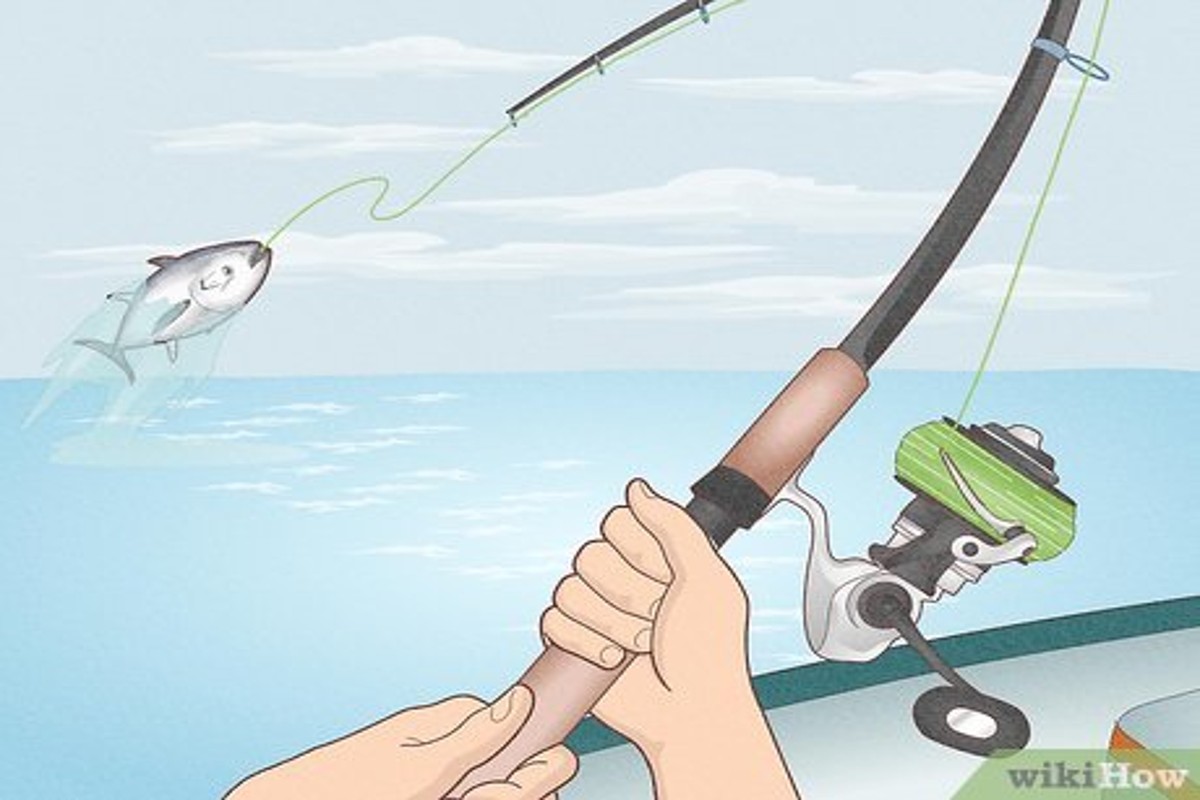
How Do You Use A Fishing Rod involves selecting the right rod, baiting the hook, casting, and reeling in the catch. It’s essential for successful fishing.
Using a fishing rod can be fun and rewarding, whether you’re a beginner or an experienced angler. Knowing how to properly handle your rod improves your chances of landing that big fish on your next outing.
Choosing the right fishing rod can make all the difference in your fishing experience. With so many options available, it can feel overwhelming, but understanding a few key factors can help you pick the perfect rod for your needs.

Choosing the Right Fishing Rod
When selecting a fishing rod, you should consider your fishing style and the species you aim to catch. Each type of rod is designed for specific techniques, so knowing what you need is crucial.
First, let’s break down the different rod types. Spinning rods are versatile and great for beginners. They allow for easy casting and are suitable for various species. Baitcasting rods offer more control and precision, making them ideal for experienced anglers targeting larger fish. Fly rods are specialized for fly fishing and require a different casting technique altogether. Each rod has its strengths, so think about what you’ll be doing most.
Rod Length and Action
Next, consider the length and action of the rod. Longer rods can cast farther and are better for open water, while shorter rods provide more control in tight spaces. As for action, it refers to how much the rod bends when you apply pressure. Fast action rods bend near the tip, providing quick response, while slow action rods bend throughout. Think about your fishing environment and the type of feel you prefer.
Matching the Rod to Your Environment
You also need to match your rod to the fishing environment. If you’re fishing in a river with strong currents, a sturdy rod with a fast action will help you maintain control and fight against the flow. On the other hand, if you’re at a calm lake, a lighter rod might be just what you need for a more enjoyable experience. For example, if you’re fly fishing on a serene stream, a lightweight fly rod will allow for delicate casts and better presentation.
Ultimately, take your time when selecting a rod. Try holding different types and lengths to see what feels right in your hands. The right fishing rod can enhance your technique and make your time on the water much more enjoyable. Happy fishing!
Setting up your fishing rod correctly is crucial for a successful fishing trip. You want everything to be in place before you cast your line.

Setting Up Your Fishing Rod
Getting your fishing rod ready involves a few simple steps. By attaching the reel, threading the line, and tying the right knot, you’ll set yourself up for a great day on the water.
First, let’s start with attaching the reel and line to your rod. Begin by securing the reel to the rod’s reel seat. Most rods will have a locking mechanism that you can tighten to hold the reel in place. Once that’s done, take your fishing line and thread it through the line guides on the rod. Make sure to start at the tip and move down toward the reel, which will help manage the line’s flow when you cast.
After you’ve threaded the line through all the guides, it’s time to tie the hook or lure. The knot you choose can make a big difference in your success. A popular choice is the improved clinch knot, which is strong and reliable. Pass the end of the line through the eye of the hook, wrap it around the standing line a few times, and then feed the end back through the loop you created. Pull it tight, and you’re ready to go!
Imagine you’re out on the lake, the sun is shining, and you’ve got everything set up just right. You cast your line, and suddenly you feel that tug. You know it’s all because you took the time to set up your fishing rod properly.
As a practical tip, always double-check your knots before you start fishing. A well-tied knot can be the difference between landing that big catch or losing it. Happy fishing!
Baiting your hook is one of the most crucial steps in fishing. Whether you’re a beginner or have some experience, knowing how to properly bait your hook can make all the difference in your catch. Let’s dive into the essentials of baiting your hook for different types of fishing.

Baiting Your Hook
When it comes to fishing, the type of bait you choose can attract or repel your target fish. Understanding which bait works best for your fishing goals is key to a successful day on the water.
First, you need to consider the type of fish you’re aiming to catch. Different fish are attracted to different types of bait. For instance, bass may go for worms or minnows, while trout often prefer artificial flies or small spinners. So, do some research on your target species and select bait accordingly.
Next, let’s talk about hooking live bait versus using artificial lures. When using live bait, you want to hook it in a way that keeps it alive and wriggling. For worms, insert the hook through the middle and out the other side, allowing it to move naturally. For minnows, hook it through the back or lips so it can swim freely. On the other hand, artificial lures often come with built-in hooks, and you just need to tie them onto your line securely.
Securing your bait is crucial to prevent it from slipping off during casting. For live bait, make sure it’s firmly attached to the hook so it stays on while you’re reeling in. You can use a simple knot for artificial lures, ensuring they won’t come loose. A great tip is to give your bait a little tug after you’ve hooked it. If it stays put, you’re good to go!
Quick Tips for Baiting Success
- Choose bait that mimics the natural diet of your target fish.
- Experiment with different types of bait to see what works best in your fishing spot.
- Check your bait regularly to ensure it’s still secure and lively.
As an example, imagine you’re out on a lake aiming for bass. You decide to use a live worm, threading it onto your hook carefully. A few casts later, you feel a tug on your line, and you reel in a nice catch! This scenario highlights the importance of proper baiting techniques in enhancing your fishing experience.
The next time you ask yourself, “How Do You Use A Fishing Rod?” remember that baiting your hook is a vital part of that process. Master this skill, and you’ll be setting yourself up for success on your fishing adventures.
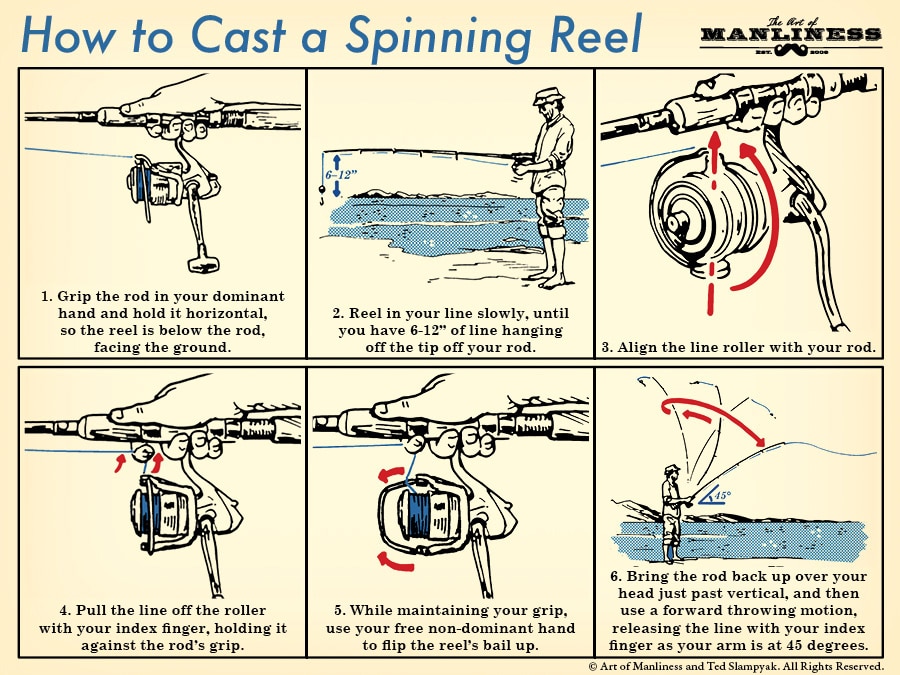
When it comes to fishing, mastering your casting technique can make all the difference. The way you cast your line affects your distance, accuracy, and ultimately your success. Let’s dive into some key casting techniques that’ll help you reel in more fish.
Casting Techniques
There are several casting techniques you can use, each with its own purpose and advantages. Whether you’re a beginner or looking to refine your skills, understanding these techniques is crucial for effective fishing.
The basic overhead cast is a fundamental technique you’ll want to master first. With this method, you’ll raise your rod above your head and then flick it forward, letting the line fly straight and far. It’s a great starting point for beginners and works well in open spaces.
Next up is the sidearm cast. This technique is perfect when you’re fishing in tight spots, like under overhanging branches or near rocks. You hold the rod parallel to the ground and swing it sideways. This way, you avoid snagging your line on nearby obstacles, allowing for precise placements.
Another essential technique is the roll cast. This one’s especially useful in situations where you can’t make a full back cast, such as when you’re standing in a stream. With a roll cast, you keep the line low and use a flicking motion to send the line out, making it a versatile technique for various environments.
Distance and Accuracy
While mastering these casting techniques, keep in mind that distance and accuracy are key. You want your bait to land in the right spot, and the techniques you choose will help you achieve that. Practice regularly, and you’ll notice improvements in both how far you can cast and how accurately you can hit your target.
For example, imagine you’re at your favorite fishing spot, and you see fish jumping near the shore. By using the overhead cast, you can quickly get your bait out there. But if you notice a low-hanging branch, switching to a sidearm cast will let you avoid getting snagged while still reaching those fish.
So, grab your rod and hit the water! The more you practice these casting techniques, the better you’ll get at using your fishing rod effectively.
Once you feel that unmistakable tug on your line, it’s time to put your skills to the test. Knowing how to reel in a fish is crucial for a successful catch. Let’s dive into the steps to reel in your prize without losing it!
Reeling In Your Catch
Reeling in a fish can be exhilarating, but it requires a mix of timing and technique. You’ll need to know exactly when to start reeling and how to keep the right amount of tension on your line to secure your catch.
First things first, timing is everything. When you feel a bite, don’t rush to reel in right away. Instead, wait a second or two. You want to ensure the fish has taken the bait properly before you start reeling. If you start too early, you could end up with a missed opportunity.
Next, maintaining tension on the line is key. You don’t want the line to be too loose, as that can allow the fish to shake free. Conversely, if it’s too tight, you risk snapping the line. Use a smooth, steady motion to reel in while keeping the rod angled upward. This technique helps keep the tension just right.
When the fish starts to fight back, it’s all about patience. Let it pull on the line for a moment, then reel in when it takes a break. This back-and-forth action helps tire the fish out, making it easier to land. Picture this: you’re reeling in a feisty trout that makes several powerful runs. Instead of panicking, you let it run and then reel in gradually. This way, you’ll be in control without losing your catch.
Lastly, landing the fish safely requires some finesse. As the fish comes closer to the boat or shore, keep your rod tip high to guide it in. If you’re using a net, now’s the time to use it—swoop it under the fish to lift it out of the water gently. If you don’t have a net, you can use your hands, but be cautious to avoid the fish’s sharp fins or gills.
Remember, practice makes perfect. The more you fish, the better you’ll get at reading the signs and reeling in your catch. Each fishing trip is a chance to refine your skills and enjoy the outdoors. Happy fishing!
Taking good care of your fishing rod is key to ensuring it lasts for years and performs at its best. With a little effort, you can keep your gear in top shape, making every fishing trip more enjoyable.

Maintaining Your Fishing Rod
Proper maintenance is essential for maximizing the lifespan and performance of your fishing rod. Regular cleaning, careful storage, and inspections will save you money and enhance your fishing experience.
After each fishing trip, it’s crucial to clean your rod and reel. Saltwater, dirt, and grime can build up and affect their performance. Just a simple rinse with fresh water and a gentle wipe down with a soft cloth can go a long way. For a deeper clean, take the reel apart occasionally and oil moving parts to keep everything running smoothly.
Storing your rod properly is just as important as cleaning it. Avoid leaving it in direct sunlight or in extreme temperatures, as these conditions can warp the rod or damage the reel. Instead, use a rod holder or a protective case. This will prevent accidental bends or breaks. Imagine returning from a long day on the water, only to find your rod has been damaged because it was tangled with other gear.
Don’t overlook the guides and line. Inspect them regularly for any signs of wear and tear. A frayed line can lead to lost catches, and damaged guides can cause line breakage. Replace any worn parts promptly to keep your setup in peak condition.
Here’s a handy tip: create a maintenance schedule to remind yourself to clean and inspect your gear regularly. This simple routine will ensure you’re always ready for your next fishing adventure.