
How To Hook Fishing Rod involves attaching the fishing line to the rod’s reel and securing the hook to the line. This crucial process ensures effective fishing and prevents damage to your equipment.
Whether you’re a beginner or an experienced angler, knowing how to hook your fishing rod properly can make all the difference. A well-hooked rod improves your chances of a successful catch and enhances your overall fishing experience.
When you’re gearing up for a fishing trip, understanding your fishing rod’s components is crucial for hooking that big catch. Knowing the parts of your rod can make a real difference in your overall experience.

Understanding Fishing Rod Components
Your fishing rod consists of several key parts, each playing a vital role in the hooking process. Familiarizing yourself with these components can help you choose the right setup for your fishing style.
First off, let’s talk about the different types of fishing rods. You’ll find spinning rods, baitcasting rods, and fly rods, each designed for specific fishing techniques. For example, if you’re casting lightweight lures, a spinning rod is your best bet, while baitcasting rods are great for heavier lures and more controlled casting.
Understanding Reel Functionality
The reel is another critical component of your fishing rod. It holds the fishing line and allows you to control how much line is released or retrieved. Different reel types, like spinning reels and baitcasting reels, offer varied functionalities that can enhance your fishing experience. For instance, a spinning reel is easier for beginners to handle, while a baitcasting reel offers more precision for experienced anglers.
Importance of Line Strength
Now, let’s discuss line strength. The fishing line’s pound test indicates how much weight it can handle without breaking. Choosing the right line strength is essential, especially when targeting larger fish. If you’re going after bass, a line with a strength of 10-20 pounds might be appropriate. You wouldn’t want to lose that trophy catch just because your line couldn’t hold up!
As you prepare to learn how to hook fishing rod effectively, think about how these components interact. A well-matched rod and reel, along with the right line strength, will set you up for success out on the water.
Choosing the right hook is crucial for a successful fishing trip. The hook you select can make all the difference in attracting your target fish and ensuring a solid catch.

Choosing the Right Hook
When you’re out fishing, the type of hook you use directly impacts your success. Different sizes and styles cater to various bait and fish species, so understanding your options is key.
First, let’s talk about hook sizes and types. Hooks come in various sizes, typically numbered from 32 (very small) to 19/0 (very large). Smaller hooks work well for panfish, while larger hooks are needed for big game fish like tuna. You might consider using a circle hook for catch and release, as it’s designed to hook fish in the corner of the mouth, reducing injury.
Next, you’ll want to match your hooks to your bait. If you’re using live bait like worms or minnows, a smaller hook is often a better choice. For artificial lures, like jigs or spoons, larger hooks are usually more effective. Imagine you’re reeling in a bass; using a hook that fits your chosen lure can mean the difference between a strike and a miss.
Lastly, don’t forget to consider the species of fish you’re targeting. Different fish have different mouth sizes and feeding behaviors. For instance, catfish may require a stronger hook due to their tough mouths, while trout can be caught on lighter hooks. Knowing what you’re after will guide you in selecting the best hook.
As a practical tip, always carry a variety of hooks in your tackle box. This way, you’ll be prepared for whatever bites, letting you adjust your strategy on the fly. Remember, the right hook is a small but mighty part of how to hook fishing rod effectively!
Getting your fishing line ready is crucial before you start reeling in the big catch. A well-prepared line ensures that your fishing experience is smooth and enjoyable. Let’s dive into how you can get your line set up just right.
Preparing Your Fishing Line
Before you can hook that perfect catch, you need to ensure your fishing line is properly prepared. From choosing the right line to spooling it onto your reel, each step plays a vital role in your overall success.
First, let’s talk about choosing the right fishing line. You’ll find various options out there, like monofilament, fluorocarbon, and braided lines. Monofilament is great for beginners due to its ease of use and visibility, while braided lines offer strength and sensitivity. If you’re going for stealth, fluorocarbon is nearly invisible underwater.
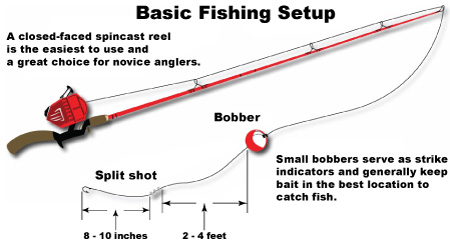
Once you’ve picked your line, it’s time to spool it onto your reel. Start by placing the spool of line on your table with the label facing up. This way, it unwinds in the right direction. Attach the line to your reel’s spool using an Arbor knot. Make sure the line is tight enough as you spool; you don’t want it slipping during your fishing trip.
Now, let’s discuss line tension and smoothness. After spooling, give your line a gentle tug to ensure it’s tight. You want enough tension so the line won’t unravel easily, but not so tight that it causes issues when casting. When you pull the line off the reel, it should come out smoothly without any snags.
Picture this: you’re out on the lake, the sun is shining, and you’ve just cast your line. If you’ve taken these steps to prepare your fishing line, you’ll feel confident that it won’t let you down when that big fish bites.
Always remember, the right preparation can make all the difference in your fishing experience. So, pay attention to these details, and you’ll be well on your way to mastering how to hook fishing rod properly!
Attaching the hook to your fishing line is a crucial step in the fishing process. A secure connection can mean the difference between landing that big catch or losing it. Let’s dive into how to do this effectively.
Attaching the Hook to the Line
Getting the hook securely attached to the line involves a few key techniques. Using the right knot is essential for ensuring that your hook stays connected, especially when you’re reeling in a fish.
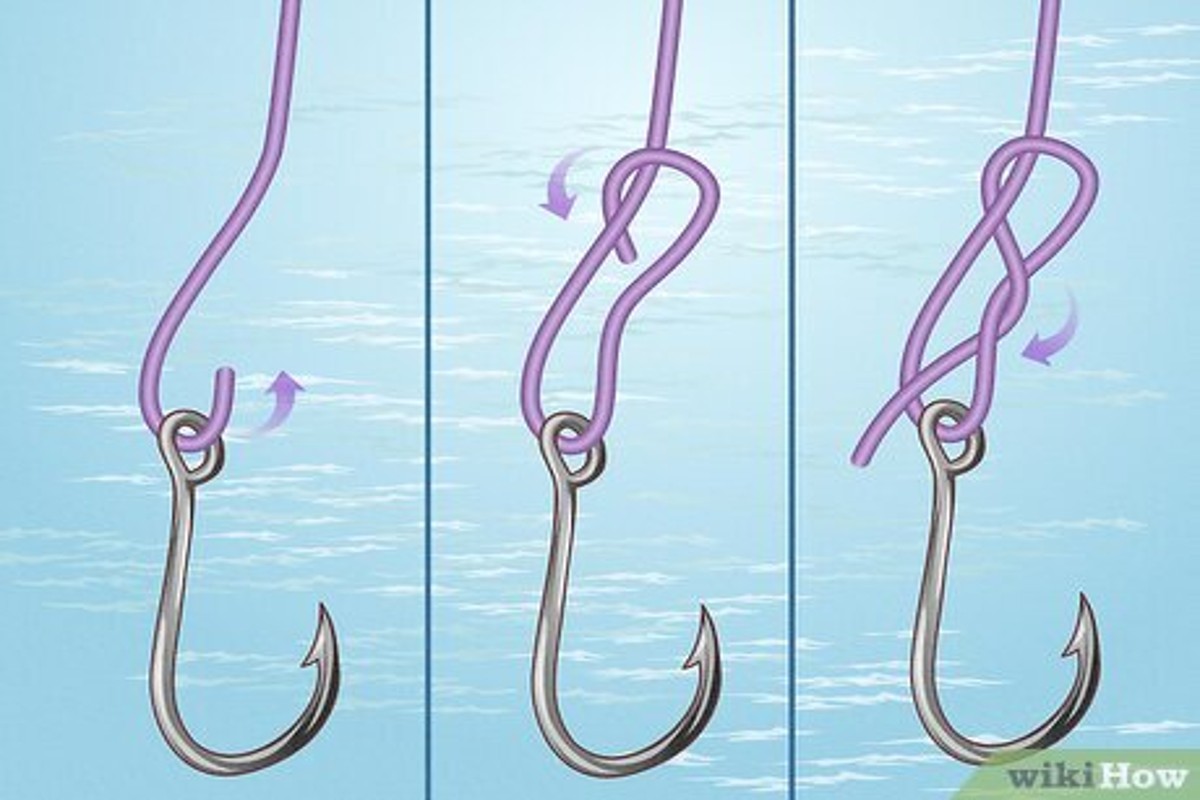
One of the best knots for this job is the Palomar knot. It’s strong, easy to tie, and works well with both braided and monofilament lines. To tie it, start by doubling about six inches of line and passing it through the eye of the hook. Then, tie a simple overhand knot but don’t pull it tight just yet.
Next, take the end of the line and loop it back through the eye of the hook. Now, pull both ends of the line to tighten the knot snugly against the hook. This method provides a strong hold that won’t slip easily.
After tying your knot, it’s crucial to check its strength. Give it a firm tug to ensure it’s secure. You don’t want to be mid-catch and suddenly realize your knot’s weak. If you feel any give, re-tie it to make sure it’s up to the task.
Lastly, consider the positioning of the hook. The hook should point upwards when tied correctly, providing better chances for a solid hookset when a fish bites. A good way to test this is by holding your rod at an angle; the hook should naturally point in the right direction.
When you’re out on the water, take a moment to double-check your setup before casting. A little bit of attention now can save you a lot of frustration later. Happy fishing!
Before you hit the water, giving your fishing setup a good test can save you time and frustration. Ensuring everything’s in prime condition is key to a successful fishing trip.

Testing Your Setup
Testing your fishing rod and hook setup is a crucial step. This process helps you identify any issues and gets you comfortable with your gear before you cast your line.
First up, check the line tension. You want to make sure your line is neither too tight nor too loose. A good way to do this is to pull on the line gently. It should have a slight give but still feel strong and secure. If it feels slack, you might need to reel in or replace the line.
Next, practice your casting techniques. Find a clear area where you can make a few casts. This helps you get a feel for how your rod performs and allows you to adjust your technique. You might discover that your grip isn’t quite right or that you need to adjust your stance. For example, if you’re struggling to cast far, try shifting your weight or using a different wrist motion.
Lastly, inspect your equipment for wear. Look for any frayed lines, rusted hooks, or damaged rod guides. A quick visual check can save you from losing a big catch due to faulty gear. If you spot anything questionable, it’s better to replace it now than to deal with the headache later.
Before you head out, take a moment to double-check everything. A well-tested setup not only boosts your confidence but also increases your chances of landing that big fish. Happy fishing!
When you’re out on the water, the last thing you want is to make rookie mistakes while hooking your fishing rod. Let’s dive into some common pitfalls that can hinder your fishing success.
Common Mistakes to Avoid
Even seasoned anglers can fall victim to a few common errors when it comes to hooking a fishing rod. By being aware of these missteps, you can boost your chances of landing that big catch.
One major mistake is using the wrong hook size. If your hook is too small, it won’t hold onto your bait effectively, and if it’s too large, it may scare fish away. Always match your hook size to the type of fish you’re targeting.
Another frequent error is neglecting line maintenance. Your fishing line can become frayed or tangled, which can lead to disastrous results when you’re trying to reel in a fish. Make sure to regularly check your line for any signs of wear and replace it as needed.
Improper casting techniques can also ruin your fishing experience. If you’re not casting correctly, you risk spooking the fish or missing the best spots. Practice your technique at home or in a park before hitting the water.
For example, imagine you’re out fishing, and you feel a tug on your line. You get excited, but as you reel it in, you realize your hook wasn’t set properly because you used the wrong size. That big fish you were hoping for just slipped away!
Pay attention to these common mistakes, and you’ll find yourself reeling in more catches and enjoying your time on the water. Happy fishing!