
Can a fishing rod snap? Yes, fishing rods can snap due to excessive force, improper handling, or manufacturing defects. Understanding these risks helps anglers avoid costly breaks and frustrating experiences.
For instance, casting too aggressively or using a rod that’s not suitable for the targeted fish species can lead to a sudden snap. Knowing how to choose and handle your fishing gear is essential for successful outings.
Fishing rods are essential tools for anglers, but they can fail when you least expect it. Understanding why fishing rods snap can save you from a frustrating day on the water.
Common Causes of Fishing Rod Breakage
Fishing rod breakage usually occurs due to a few common factors. Knowing these reasons can help you avoid costly mistakes and keep your gear in top shape.
One of the main culprits is excessive pressure while casting. If you put too much force into your cast, especially with a heavier lure, you risk snapping the rod. It’s like trying to bend a stick too far; eventually, it just gives way.
Improper storage and transport can also lead to breakage. If you leave your rod in a hot car or store it in a cramped space, it can weaken over time. Imagine a fishing trip where you’re excited to catch dinner, only to find your rod is damaged before you even hit the water.
Defects in material or craftsmanship can play a role too. Sometimes, a rod might have a weak spot from manufacturing errors. You might not notice these issues until it’s too late, and your rod snaps while battling a big fish.
To keep your rod in great condition, always store it in a protective case and avoid extreme temperatures. Regularly inspect your gear for any signs of wear and tear. Taking these simple steps can help ensure that your fishing rod stays intact, so you can focus on reeling in that big catch without worrying about whether it can snap.
When you’re out on the water, the last thing you want is for your fishing rod to snap. Knowing the signs that indicate a potential break can save you a lot of frustration and lost gear.
Signs Your Fishing Rod is at Risk of Snapping
Fishing rods are built to withstand a lot, but they’re not invincible. Keep an eye out for warning signs that can help you identify when your rod is in danger of breaking.
One of the most obvious indicators is visible cracks or splinters along the rod. These imperfections can weaken the overall structure, making it far more susceptible to snapping under pressure. If you spot any damage, it’s best to replace or repair the rod before heading out.
Another sign to watch for is unusual bending during use. When you’re reeling in a catch, your rod should flex but return to its original shape. If you notice it bending excessively or not straightening back out, that’s a red flag. It suggests that the rod may be losing its integrity and could fail when you need it most.
Lastly, consider the rod’s action. If it feels weaker than usual, it might not perform well under stress. For example, if you’re used to a certain responsiveness and now the rod feels sluggish, it’s time to assess its condition. A weakened action can lead to a sudden snap, especially when fighting a big fish.
Always remember to inspect your gear regularly. Taking a moment to check for these signs can save you from an unexpected break during your fishing trip. No one wants to lose that trophy catch because their equipment failed them!
Preventing your fishing rod from snapping is all about proper care and handling. By following a few simple techniques, you can ensure your gear lasts longer and performs better on the water.

How to Prevent Your Fishing Rod from Snapping
Maintaining your fishing rod is crucial for avoiding breakage. With the right handling techniques, regular maintenance, and using appropriate tackle, you can significantly reduce the risk of snapping.
First, let’s talk about proper handling techniques. Always hold your rod at the base when casting or reeling in a catch. This distributes stress evenly along the rod, preventing weak points from bending too much. If you’re in a tough spot, don’t force your rod to bend; instead, adjust your angle to relieve stress.
Regular inspections and maintenance are just as important. After each fishing trip, take a moment to check for any visible damage, such as cracks or splintering. Wipe down the rod with a soft cloth to remove dirt and moisture. This simple step can prevent corrosion and extend the life of your rod.
Using appropriate tackle for your rod’s rating is essential. Each fishing rod has a specific weight and line rating that indicates the amount of stress it can handle. For example, if you’re using a light rod rated for 10-20 pounds, don’t try to haul in a 30-pound fish. This mismatch can lead to snapping, leaving you without your prized catch.
Imagine you’re on a fishing trip and hook a big one. If your rod isn’t rated for that weight or if you’re pulling too hard, you risk breaking it. Instead, play the fish gently and use the rod’s flexibility to your advantage.
Remember, a little care goes a long way. By following these tips, you’ll not only protect your investment but also improve your overall fishing experience. Keep your rod in top shape, and you won’t have to worry about whether a fishing rod can snap.
Having your fishing rod snap can be a frustrating experience, but knowing what to do next can make all the difference. Whether you’re on the water or at home, there are steps you can take to address the situation effectively.

What to Do If Your Fishing Rod Snaps
If your fishing rod breaks, the first thing you should do is assess the damage. Is it a clean break, or are multiple parts affected? Understanding the extent of the damage will help you decide your next steps.
Once you’ve evaluated the situation, determine if it can be repaired. Sometimes, a simple fix like re-threading a guide or using a rod repair kit can get you back in action quickly. However, if the break is severe, you might need to consider replacement instead.
If you think your rod is still under warranty, don’t hesitate to contact the manufacturer. Many companies offer repair or replacement options for damaged rods, especially if the break occurred during normal use. Just be sure to have your purchase details handy, as that can speed up the process.
Example Scenario
Imagine you’re out on the lake, and with a strong pull, your rod suddenly snaps. You take a moment to assess the break and find it’s just a small guide that’s come loose. You remember the repair kit you packed, and with a quick fix, you’re fishing again in no time.
Having a plan in place can save you from losing a day of fishing. Always keep a small repair kit in your tackle box, and remember to check your warranty details. Being prepared makes a big difference when you’re out enjoying your time on the water.
When you’re out fishing, the last thing you want is your rod snapping mid-cast. Understanding the materials and construction of your rod can help you avoid this frustrating situation.
Understanding Fishing Rod Materials and Their Durability
The material of your fishing rod plays a huge role in its strength and durability. Generally, you’ll find two main types: graphite and fiberglass, each with its own characteristics that can affect how likely it is for your rod to snap.
Graphite rods are known for being lightweight and sensitive, making them a favorite among many anglers. However, they can be more brittle compared to fiberglass, which is heavier but offers more flexibility and durability. If you’re in a situation where you’re battling a big fish, a fiberglass rod might handle the stress better than a graphite one.
Another factor to consider is the length of the rod. Longer rods can cast further, but they also have increased leverage, which can put more stress on the material. If you’re using a longer rod, make sure it’s made of high-quality materials designed to withstand that extra strain. A longer rod that’s poorly constructed is more likely to snap when you least expect it.
Quality of Construction
The construction quality of your fishing rod is just as crucial as the material. A well-constructed rod, regardless of whether it’s graphite or fiberglass, will typically have better reinforcements in critical areas that are prone to stress. Look for features like quality guides and a solid reel seat; these can enhance the overall durability.
For example, if you’re using a budget rod with low-quality materials, you might find it snapping when you’re reeling in a catch. On the other hand, investing in a rod from a reputable brand with good construction can significantly reduce the risk of your rod failing on you during a fishing trip.
When you’re shopping for a fishing rod, pay attention to the materials and construction. This knowledge will not only enhance your fishing experience but also help you avoid the disappointment of a snapped rod at a crucial moment. Trust me, you don’t want to be the angler who loses a big fish because of a faulty rod!
Choosing the right fishing rod can make all the difference in your experience on the water. By selecting a durable rod suited to your fishing style, you can significantly reduce the chances of breakage.
Choosing the Right Fishing Rod to Minimize Breakage
When it comes to fishing rods, not all are created equal. Understanding your fishing conditions and matching your rod type accordingly is crucial for preventing any unfortunate snaps.
First off, think about where you’ll be fishing. If you’re casting in freshwater lakes, a medium-action rod might do the trick. But if you’re battling big saltwater fish, you’ll want something heavier and sturdier. Choosing the right rod type based on your environment can save you from the heartache of a broken rod.
Rod Weight and Action
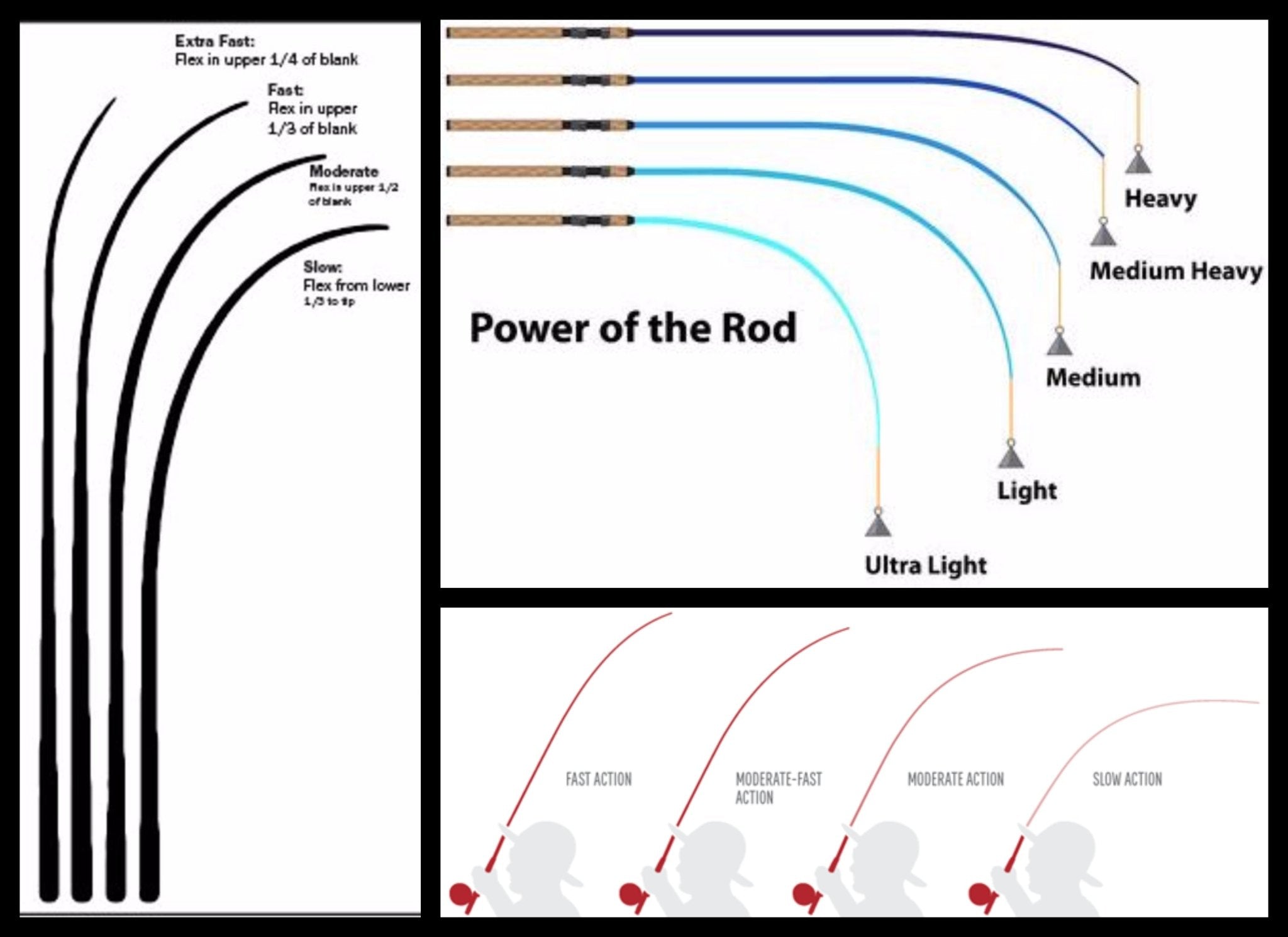
Next, let’s talk about rod weight and action. Lighter rods are fantastic for finesse fishing, while heavier rods are better for larger fish. The action of a rod, which refers to how much of the rod bends when a fish is hooked, also plays a role. A fast action rod bends only at the tip, giving you better control, while a slow action rod bends more throughout, which can absorb shocks better.
Imagine you’re reeling in a feisty bass. If your rod is too light for the fight, it might snap under the pressure. That’s why matching the weight and action to your target species is essential for keeping your equipment intact.
Investing in Reputable Brands
Lastly, don’t skimp on quality. Investing in reputable brands can be a game changer. Brands with a solid reputation often use advanced materials and construction techniques that enhance durability. You might pay a little more upfront, but it’s worth it when you’re out on the water, confident that your rod can handle whatever you throw at it.
Always remember, the right choice of fishing rod doesn’t just improve your chances of a great catch; it also minimizes the risk of your equipment breaking when you need it most. So, take your time, do your research, and choose wisely!