
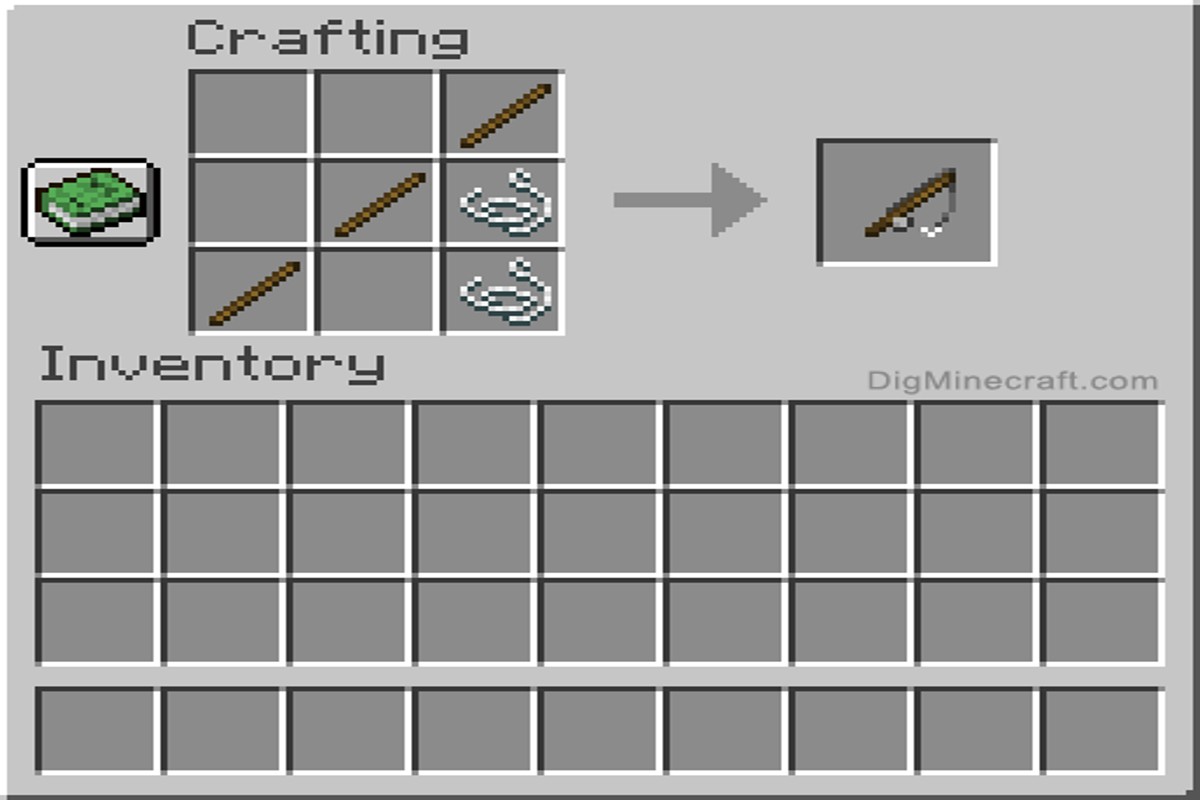
How To Craft A Fishing Rod involves selecting the right materials, assembling components, and applying techniques to create a functional fishing tool. This skill is essential for anglers looking to personalize their equipment and enhance their fishing experience.
Imagine being out on the water, using a rod you made yourself. Crafting your own fishing rod not only saves money but also allows for customization to suit your specific fishing needs.
Crafting your own fishing rod can be a rewarding experience. But before you get started, you’ll need to choose the right materials, which can significantly impact your rod’s performance and durability.

Choosing the Right Materials
The materials you select for your fishing rod will dictate its strength, sensitivity, and overall feel. Understanding the different options available can help you make an informed decision that suits your fishing style.
First up, let’s talk about the types of fishing rods available. Generally, you’ll find spinning, baitcasting, and fly rods. Each type has its unique characteristics and is made for specific fishing techniques. For example, spinning rods are great for beginners and versatile for various environments, while fly rods are designed for finesse and precision.
When it comes to material options, you’ll mainly choose between graphite and fiberglass. Graphite rods are lightweight and offer excellent sensitivity, making them ideal for detecting even the slightest bites. However, they can be more fragile. On the other hand, fiberglass rods are more durable and can handle rough conditions, making them perfect for beginners or for fishing in tough environments.
Choosing the Right Components
Besides the rod material, you’ll need to pick the right components to complete your fishing rod. This includes guides, reel seats, and grips. Guides are essential for guiding the line and reducing friction, while reel seats secure your reel to the rod. Choosing high-quality components will enhance your fishing experience.
- Guides: Look for guides made of stainless steel or ceramic for durability.
- Reel Seats: Choose a comfortable and secure reel seat that fits your reel size.
- Grips: Foam or cork grips can improve your handling, especially during long fishing sessions.
As a practical tip, consider visiting a local tackle shop to feel the materials and components in person. This hands-on experience can give you a better idea of what suits you best when learning how to craft a fishing rod.
Ready to dive into crafting your very own fishing rod? Before you start, you’ll need to gather some essential tools to make the process smooth and enjoyable.

Tools Required for Rod Crafting
Having the right tools is crucial for a successful rod crafting experience. From basic hand tools to specialty equipment, each plays a unique role in bringing your fishing rod to life.
First up, let’s talk about basic hand tools. You’ll need screwdrivers to secure components, pliers for gripping and twisting, and perhaps a utility knife for cutting materials. These are the essentials that will help you get started on your project without a hitch.
Specialty Tools
Once you’ve got your basics covered, it’s time to consider specialty tools. A rod wrapper is particularly useful for winding the line around the rod. This tool helps you achieve even tension, which is key for a durable finish. Additionally, a glue applicator will help you apply epoxy or adhesive to secure the components properly.
Don’t forget about safety equipment! A pair of safety goggles is a must to protect your eyes from any debris while you work. Depending on the materials you handle, gloves might also be a good idea to keep your hands safe and clean.
For instance, imagine you’re winding the guide wraps on your new rod. Having a rod wrapper allows you to focus on getting the technique right, rather than worrying about uneven tension. It’s these little tools that can make your crafting experience both easier and more enjoyable.
So, gather your tools and get ready to learn how to craft a fishing rod that not only looks great but performs well on the water too!
Crafting a fishing rod is a rewarding project that allows you to customize your gear to fit your fishing style. The assembly process is straightforward, but it does require patience and attention to detail. Let’s dive into the step-by-step assembly process.

Step-by-Step Assembly Process
The assembly of your fishing rod begins after you’ve prepared your blank. This is the core of your rod, and your choices here can significantly impact performance. Once your blank is ready, you can attach the guides and reel seat, followed by applying thread wraps and finish to complete the look and functionality.
Start by preparing the blank. This involves sanding any rough spots and ensuring it’s clean. If you’re using a fiberglass or graphite blank, be careful not to over-sand. Once the surface is smooth, you can proceed to marking where your guides will go. This is crucial for balancing your rod correctly and ensuring it performs well.
Next, it’s time to attach the guides and reel seat. Position the guides along the marked spots on your blank, making sure they’re evenly spaced. Use a small amount of adhesive to hold them in place temporarily. For the reel seat, slide it onto the blank and secure it according to the manufacturer’s instructions. This step is vital; if you don’t attach these components properly, your rod won’t perform as expected.
Now, let’s move on to applying thread wraps. You’ll want to use a strong, durable thread that complements your rod’s design. Start wrapping the thread around the base of each guide, making sure to cover the foot of the guide thoroughly. Keep your tension even as this helps create a smooth, professional finish. After you’ve wrapped all your guides, it’s time for the final touch.
Applying a finish is what really brings your rod to life. You can use epoxy or another type of finish suited for fishing rods. This will not only enhance the appearance but also protect the thread wraps from moisture and wear. Make sure to follow the drying instructions carefully to achieve the best results.
As a practical tip, consider setting up a small workstation with good lighting when you craft your fishing rod. It’ll make a world of difference, especially when you’re wrapping guides and applying finish. Plus, having everything organized keeps the process enjoyable and less stressful.
Once you’ve crafted your fishing rod, it’s time to put it to the test. Testing is crucial to ensure your rod performs well when you’re out on the water. Let’s dive into how to make sure it’s ready for action.
Testing Your Fishing Rod
Before you hit the lake, you want to confirm that your rod is both strong and flexible. A properly crafted fishing rod should bend without breaking and return to its original shape when not under pressure.
Start by checking for flexibility and strength. Gently flex the rod to see how it bends. You should feel some give but not so much that it feels flimsy. A good rod will have a balance between strength and flexibility, allowing for better casting and control.
Next, conduct a load test. This will show you how much weight your rod can handle without compromising its integrity. Attach a weight that’s representative of what you’d typically catch. Gradually increase the weight until you find the breaking point, but do this carefully—nobody wants a broken rod!
Lastly, ensure the guides are aligned properly. Misaligned guides can lead to line tangles and reduce casting accuracy. Run your line through each guide and check that they’re straight and aligned with the rod’s action. If you notice any misalignment, adjust them accordingly.
For example, imagine you’re out fishing for bass. You cast your line, but instead of a smooth release, your line snaps because of a poorly aligned guide. That’s the last thing you want when you’re trying to reel in a catch!
Before your fishing trip, take the time to thoroughly test your rod. A little effort in the beginning will save you time and frustration later. Happy fishing!
Taking good care of your fishing rod can extend its life and keep it performing at its best. With a few simple maintenance routines, you can ensure that your rod remains in top shape for all your fishing adventures.

Maintenance Tips for Longevity
Regular maintenance isn’t just about keeping your rod clean; it’s about preserving its functionality and longevity. By implementing some straightforward cleaning and storage practices, you’ll be ready for your next fishing trip without a hitch.
First off, cleaning your fishing rod is essential. After each use, especially if you’ve been fishing in saltwater, gently rinse your rod with fresh water. Use a soft cloth to wipe down the guides and reel seat to prevent corrosion. For tougher grime, a mild soap solution works wonders. Just remember to dry it off thoroughly afterward.
When it comes to storing your rod, choose a cool, dry place away from direct sunlight. If you can, use a rod rack or a protective case to prevent any accidental bends or breaks. Avoid leaving your rod in the trunk of your car or in damp environments, as this can lead to damage over time.
Inspecting your rod regularly for wear and tear is crucial. Look for any cracks, frays, or loose guides. If you notice any issues, address them before your next fishing trip. For instance, if a guide is loose, it may cause line tangles or breakage while casting.
One real-world example: a friend of mine once neglected his rod for months. When he finally took it out, he discovered a cracked tip that affected his casting. A little maintenance could’ve saved him a trip to the tackle shop.
Remember, taking the time to care for your fishing rod not only helps it last longer but also enhances your overall fishing experience. A well-maintained rod means fewer frustrations and more successful catches on the water.
When crafting a fishing rod, even seasoned DIYers can hit a few snags. Avoiding common mistakes will save you time, money, and frustration as you learn how to craft a fishing rod that meets your needs.
Common Mistakes to Avoid
Many beginners make simple errors that can lead to a less-than-ideal fishing rod. Let’s dive into the pitfalls you should steer clear of.
First up, using incorrect materials can severely impact your rod’s performance. It might be tempting to grab whatever you have on hand, but not all materials are created equal. For instance, using a weak or heavy material can lead to a clunky rod that bends too easily or doesn’t hold up against larger fish.
Next, neglecting to test your components is a big no-no. Before you assemble everything, make sure each part works well on its own. Imagine putting in hours of work only to find out that your reel doesn’t fit properly later on. That’s a disappointment you can easily avoid.
Finally, let’s talk about finishing techniques. Poor finishing can ruin an otherwise great rod. If you skip sanding or don’t apply a good protective coating, your rod may suffer from wear and tear much quicker than it should. A friend of mine once made a rod but skipped the final touches, and it didn’t last a season.
Always remember that attention to detail in your crafting process can make a huge difference. Take your time, choose the right materials, and test everything thoroughly to ensure your fishing rod is ready for the water.