
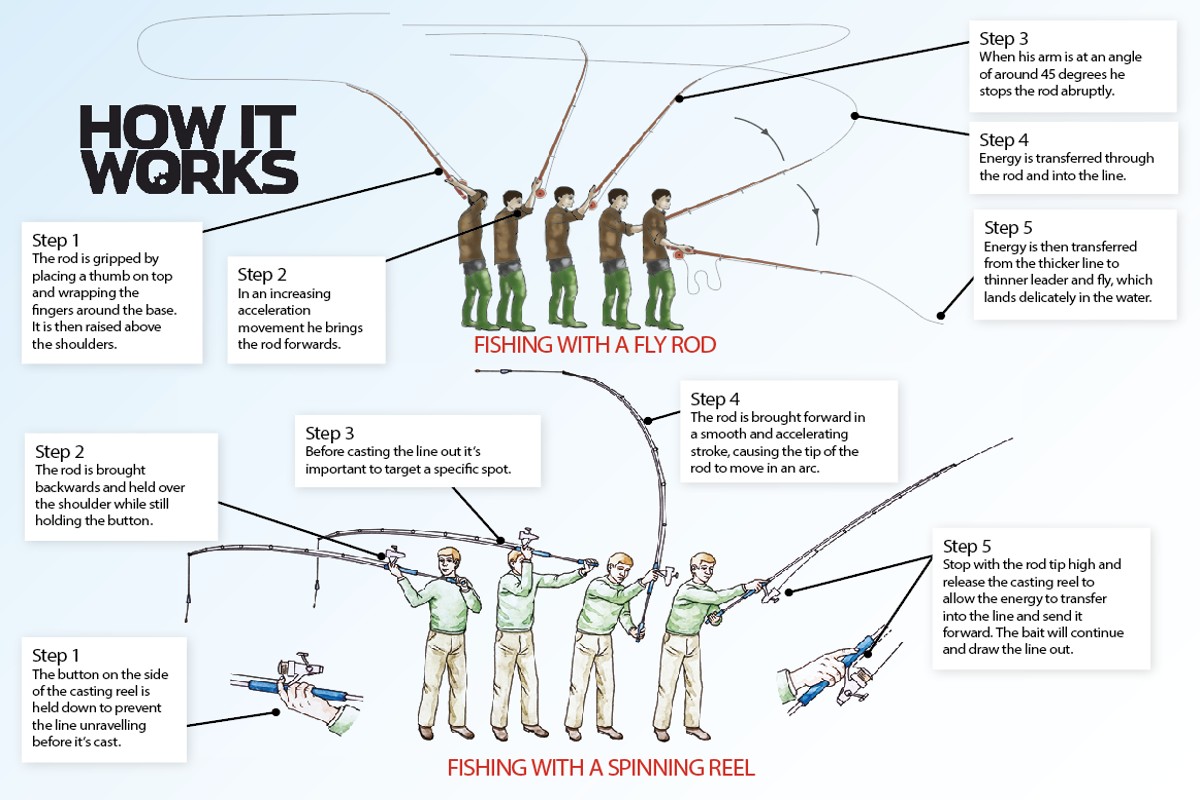
How Does A Fishing Rod Work? It functions as a lever that casts bait and retrieves fish by utilizing its components like the rod, reel, and line. Understanding this mechanism is crucial for anglers to improve their fishing techniques.
When you cast a line, the rod bends and stores energy, allowing for a powerful release. This design helps anglers target various fish species effectively, making fishing both an art and a science.
Understanding the anatomy of a fishing rod can help you appreciate how it works when you’re out on the water. Each component plays a crucial role in making your fishing experience enjoyable and successful.

Anatomy of a Fishing Rod
A fishing rod is made up of essential parts that work together to help you cast your line and reel in your catch. From the rod blank to the guides and reel seat, each element contributes to the overall functionality of the rod.
The rod blank is the backbone of your fishing rod. It’s typically made from materials like graphite or fiberglass, which provide strength and flexibility. This is where the magic happens; the blank’s action determines how the rod bends and responds during a cast or when fighting a fish.
Next up are the guides and tip, which are small rings attached along the length of the rod. They serve to hold the fishing line in place and guide it smoothly as you cast or reel in. The tip guide is usually the smallest and helps maintain line tension, ensuring a more accurate cast. Without these components, your line might tangle or snag, making fishing a frustrating experience.
Finally, there’s the reel seat, where you attach your fishing reel. This part is crucial because it keeps your reel securely in place and allows for easy access when you need to switch reels or make adjustments. Think of it as the control center of your rod—everything connects here, and a solid reel seat can make all the difference when you’re fighting a big fish.
Next time you’re on the water, take a moment to appreciate these components. Knowing how each part works together can help you choose the right rod for your fishing style and improve your overall experience. Whether you’re casting for bass or fly fishing in a stream, understanding how does a fishing rod work can enhance your skills and enjoyment of the sport.
Understanding the mechanics of casting is essential for any angler. It involves a series of motions that allow you to send your line far out into the water with precision.
The Mechanics of Casting
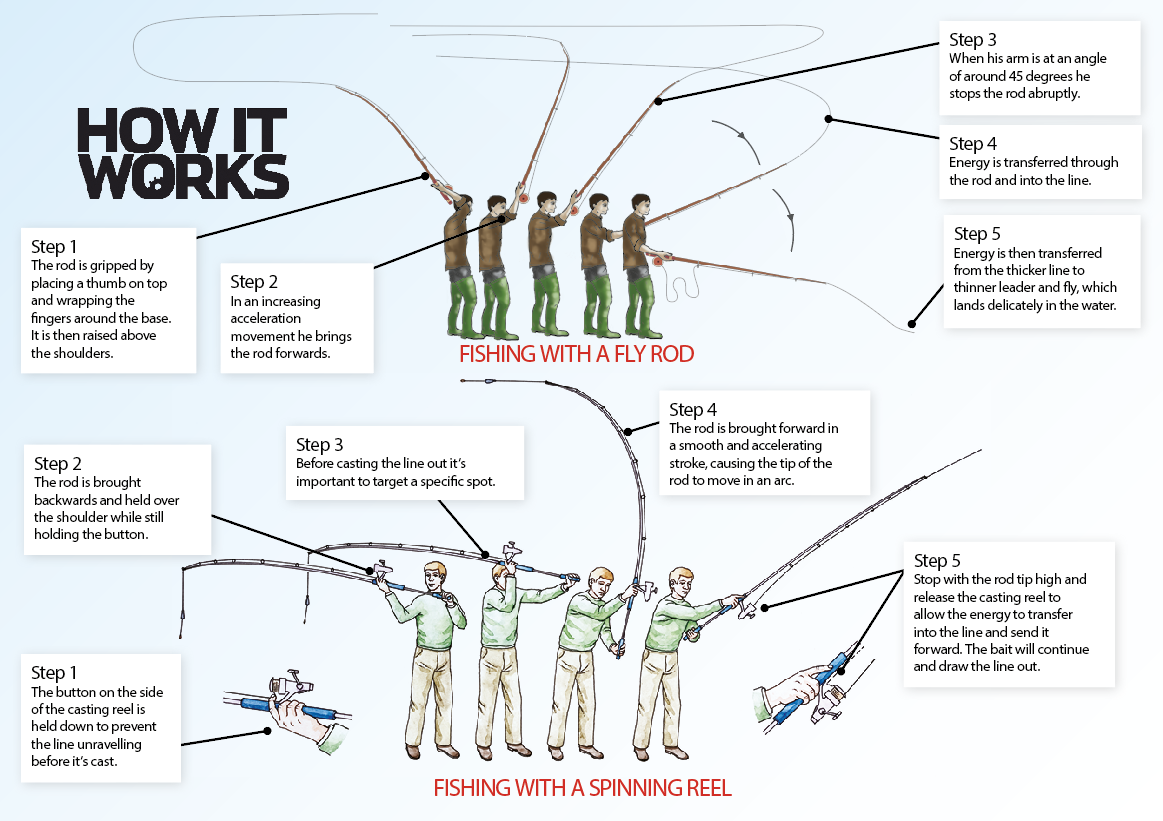
When you cast a fishing rod, you’re creating a powerful movement that combines force, angle, and timing. Each element plays a crucial role in how effectively your bait reaches its target.
The casting motion starts with you holding the rod at a comfortable angle. As you pull the rod back, you’re loading it with potential energy. This is similar to pulling back a bowstring before letting it go. The moment you release the rod, all that stored energy converts into kinetic energy, propelling your line forward.
Load and release are critical components. The load refers to the bend in the rod created by pulling it back. The more you load the rod, the more energy you can unleash. When you flick your wrist and release, you’re transferring that energy to the line, sending it flying. This is why finding the right balance in your casting motion is key.
The trajectory of the line is influenced by several factors, including the angle of your cast and the weight of your bait. A higher angle typically results in a steeper arc, while a lower angle gives a flatter trajectory. For instance, if you’re casting into a windy area, adjusting your angle can help keep your bait from getting blown off course.
Imagine you’re on a serene lake, and you see a fish jumping in the distance. You want to get your lure right in front of it. By mastering your casting technique, you can make that happen. A well-timed cast can mean the difference between catching that fish or not.
Practice makes perfect. Spend time working on your casting motion, focusing on how you load the rod and the release. The more you do it, the better you’ll understand how does a fishing rod work in this context. You’ll start to feel the rhythm and timing, making each cast more effective.
Reeling in a fish can be both thrilling and challenging. Understanding how the reel functions will help you make the most of your catch. Let’s dive into the essentials of reeling in fish!

Reeling In Fish
When you hook a fish, the reel becomes your best friend. It manages the line and helps you control the tension while you bring your catch closer. Knowing how to use it effectively can make all the difference.
One of the key components of the reel is the drag system. This system allows you to adjust the resistance the fish feels when it pulls on the line. If the drag is set too tight, you risk breaking the line. If it’s too loose, the fish could escape. Finding that sweet spot is crucial for a successful catch.
Next up is retrieve speed. This refers to how fast you reel in the line. A slower retrieve may give the fish more time to escape, while a quicker one can tire the fish out. The ideal speed often depends on the type of fish you’re targeting and the conditions of the water.
Line Tension Management
Line tension management is all about maintaining the right amount of pressure on the fish. Too much tension can break the line, while too little can let the fish get away. You’ll want to keep a firm yet gentle pressure to prevent any sudden movements that could cause a missed catch.
Imagine you’re out on a sunny afternoon, and suddenly, you feel that tug on your line. You instinctively start reeling, adjusting the drag just right, and keeping your retrieve speed steady. You manage the tension perfectly, and before you know it, you’ve landed a beautiful trout. That’s the beauty of mastering your reel!
Practice makes perfect when it comes to reeling in fish. Spend some time getting a feel for your reel and experimenting with the drag and retrieve speed. The more you practice, the more intuitive it’ll become, making your fishing trips even more enjoyable.
When you’re out on the water, having the right fishing rod can make all the difference. Each type of rod serves a unique purpose, helping you catch different kinds of fish or fish in various environments.

Types of Fishing Rods and Their Functions
Understanding the different types of fishing rods can help you choose the right one for your next fishing adventure. Let’s dive into the main types: spinning rods, baitcasting rods, and fly rods.
Spinning rods are among the most versatile and user-friendly options available. They typically have a fixed reel that hangs beneath the rod, allowing for easy casting. You can use spinning rods for a range of fish species, from panfish to bass, making them great for beginners and seasoned anglers alike.
Baitcasting rods, on the other hand, are designed for more experienced anglers. They feature a revolving spool that allows for greater accuracy and control when casting heavier lures. If you’re targeting larger fish like pike or musky, a baitcasting rod can give you the edge you need to reel them in successfully.
Then we have fly rods, which are a different breed entirely. These rods are longer and more flexible, designed specifically for fly fishing. The technique involves casting lightweight flies to mimic insects, making it a unique challenge. Whether you’re on a tranquil river or a bustling ocean, fly rods can help you catch fish like trout or salmon.
For example, imagine you’re on a serene lake, casting your line with a spinning rod and suddenly feeling a tug. It’s thrilling, isn’t it? Choosing the right rod can enhance that experience, allowing you to enjoy your time on the water even more.
So, when thinking about how does a fishing rod work, remember that each type has its own advantages. Selecting the right one really depends on the type of fishing you plan to do and the fish you hope to catch. Happy fishing!
Choosing the right fishing rod can make a world of difference in your angling experience. With so many options available, it’s crucial to consider what will work best for you.
Choosing the Right Rod for Your Needs
When selecting a fishing rod, you’ll want to think about the type of fish you’re targeting, where you’ll be fishing, and your own skill level. Each of these factors plays a significant role in ensuring you have the right equipment for success.
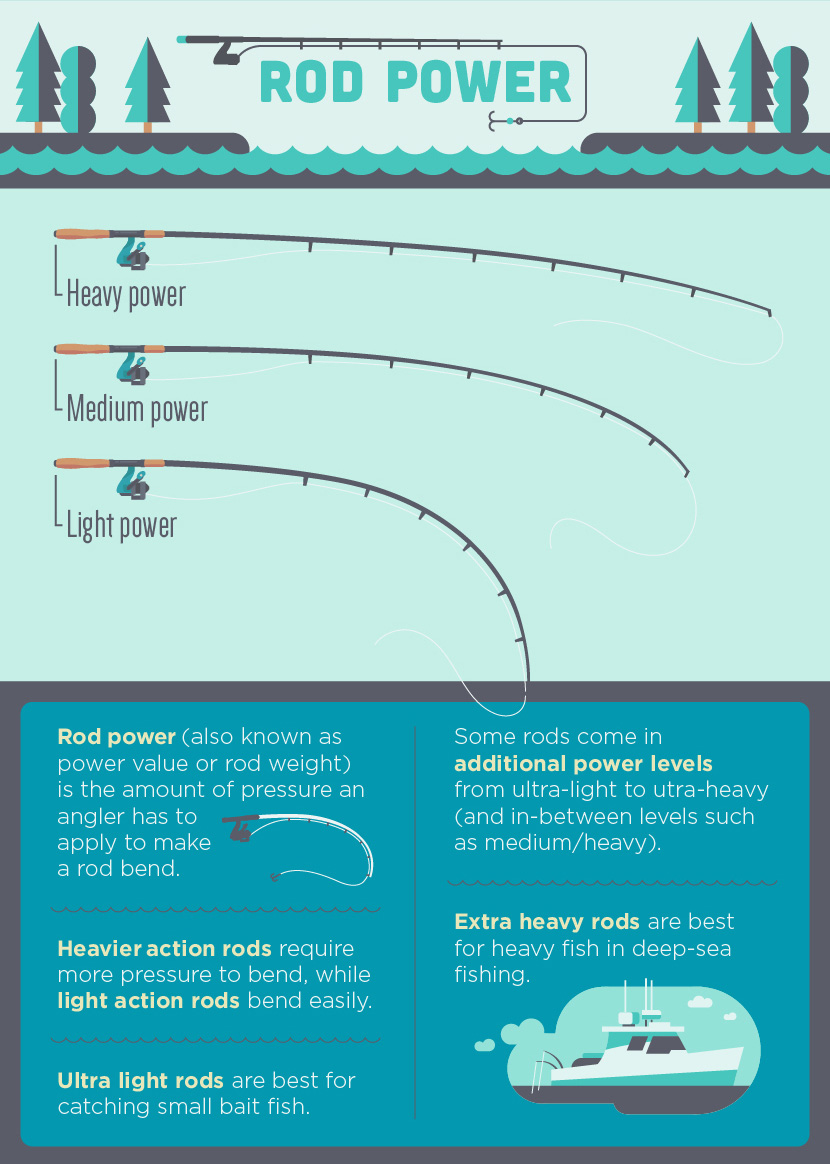
First, let’s talk about target fish species. Different species require different types of rods. For instance, if you’re aiming for light freshwater fish like panfish, a medium light rod will do just fine. But if you’re after larger species like bass or pike, a medium or heavy rod will provide the strength you need to land your catch.
Next, consider the fishing environment. Are you fishing in a small stream, a vast lake, or the ocean? Each setting has its own challenges. In a river with strong currents, a shorter, more durable rod can give you better control. In contrast, if you’re fishing from a boat in open water, a longer rod can help you cast farther and cover more area.
Your personal skill level is another vital factor. If you’re just starting out, you might prefer a more forgiving rod that can help you learn the basics without overwhelming you. On the other hand, if you’re experienced, you may want a specialized rod that allows for greater precision and technique.
Imagine you’re at a local lake, excited to catch some trout. If you walk in with a heavy-duty rod designed for ocean fishing, you might struggle to feel the subtle bites. Instead, a light action rod suited for trout fishing would enhance your experience, making it easier to detect those gentle nibbles.
Ultimately, the right fishing rod should feel comfortable in your hands and match your fishing style. So, don’t rush the decision. Take the time to try different rods and find one that fits you perfectly.
Keeping your fishing rod in top shape is crucial for both its longevity and performance. With just a little bit of care, you can ensure that your rod serves you well for many fishing seasons to come.

Maintenance Tips for Fishing Rods
Regular maintenance not only keeps your fishing rod looking good but also enhances its functionality. Here are some essential tips to help you take care of your rod and improve your fishing experience.
First and foremost, cleaning your rod after each use is a must. Saltwater or freshwater can leave residues that may damage the materials over time. Use a soft cloth to wipe down the rod and guides, removing any dirt or debris. If you’ve been fishing in saltwater, a quick rinse with fresh water can do wonders.
Next up is storage. The way you store your fishing rod can have a huge impact on its lifespan. Always store your rod in a cool, dry place, and if possible, use a rod holder or tube to prevent bends and breaks. Avoid leaving it in hot areas, like the car, where heat can warp the materials.
Finally, inspecting your fishing rod for damage is something you shouldn’t overlook. Before each fishing trip, take a moment to check the guides for cracks or bends and ensure the reel seat is secure. A small crack can lead to bigger problems, like a snapped rod during that big catch!
For example, imagine you’re out on the water, and you finally hook that trophy fish. You go to reel it in, but your line snaps because the guide was damaged. That’s a disappointing way to lose a great catch, all because of a bit of neglect.
By taking these simple maintenance steps, you can significantly extend the life of your fishing rod. Remember, a well-maintained rod not only performs better but also enhances your overall fishing experience. Happy fishing!