
How To Use Fishing Rod starts with selecting the right equipment, mastering casting techniques, and understanding bait selection. These elements are crucial for improving your fishing success and making your time on the water enjoyable.
Imagine standing by a serene lake, feeling the thrill of casting your line. Knowing how to properly use a fishing rod can turn a casual outing into a rewarding experience, whether you’re a beginner or an experienced angler.
Choosing the right fishing rod can make or break your fishing experience. With so many options out there, it’s crucial to find one that matches your fishing style and environment.
Choosing the Right Fishing Rod
When selecting a fishing rod, you need to consider the type of fishing you’ll be doing, as well as the conditions you’ll face. This means looking at various rod types, lengths, actions, and materials.
First off, let’s talk about the types of fishing rods. There are spinning rods, baitcasting rods, fly rods, and even ice fishing rods. Each serves a different purpose. For instance, spinning rods are versatile and great for beginners, while fly rods are specialized for catching fish in a specific way.
Length and Action Considerations
Next, length and action are key factors. The length of the rod affects casting distance and accuracy. A longer rod (around 7-8 feet) is great for casting far, while shorter rods (around 5-6 feet) offer better control for precision casting.
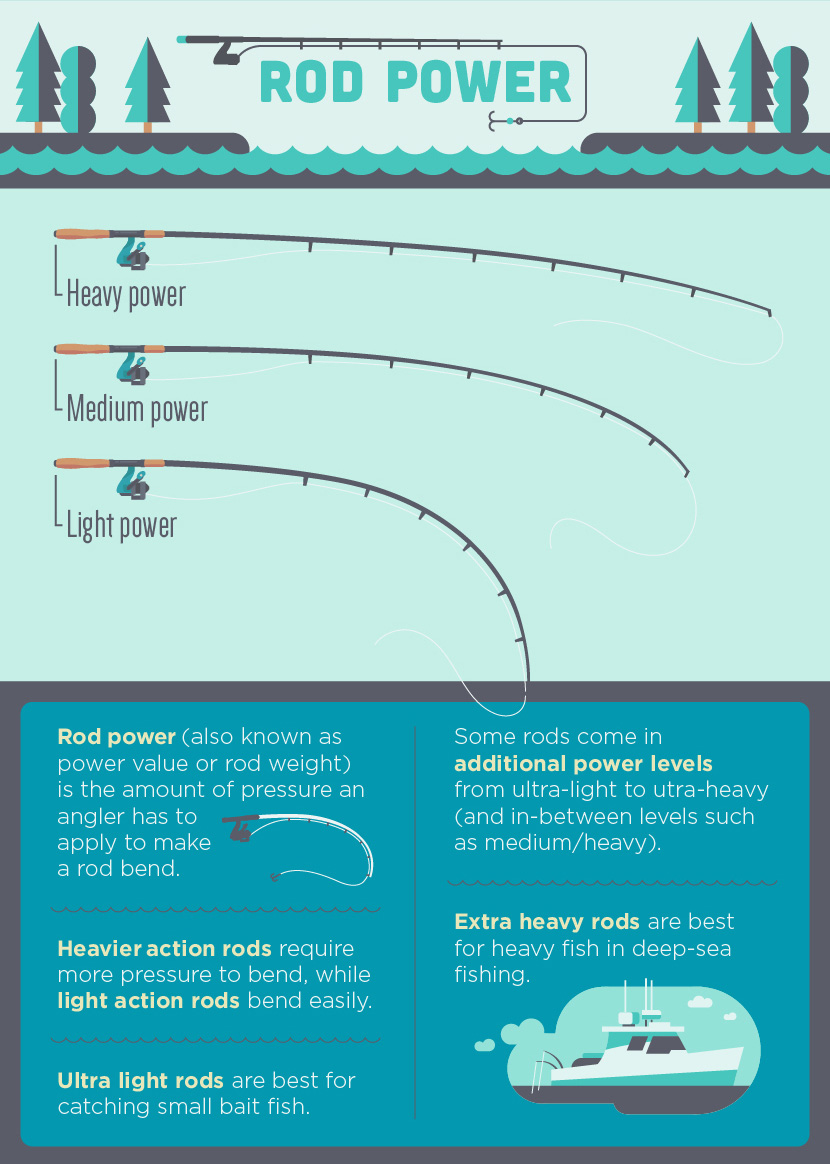
Action refers to how much the rod bends when you apply pressure. Fast action rods bend at the tip, giving you quick sensitivity and control. Meanwhile, slow action rods bend more throughout, providing a softer touch, which can be beneficial for certain techniques.
Material Differences
Now, let’s touch on materials. Fishing rods are generally made from graphite, fiberglass, or a composite of both. Graphite rods are lightweight and sensitive, making them ideal for feeling those subtle bites. On the other hand, fiberglass rods are more durable and flexible, good for beginners or those fishing in tougher conditions.
For example, if you’re planning a weekend of bass fishing in a local lake, a 6’6″ medium-action graphite spinning rod could be your best bet. It’ll help you cast effectively and feel even the lightest nibbles from the fish.
Take your time when selecting a rod. Your choice can greatly enhance your fishing experience and success. The right fishing rod will give you confidence on the water and improve your overall catch rate.
Setting up your fishing rod properly can make all the difference in your fishing experience. With just a few steps, you’ll be ready to reel in the big one.

Setting Up Your Fishing Rod
Getting your fishing rod ready involves a few key steps: attaching the reel, threading the line, and choosing the right lure or bait. Each part plays a vital role in ensuring you’re well-equipped for a successful fishing trip.
First, let’s talk about attaching the reel. Start by aligning the reel’s foot with the reel seat on the rod. Make sure it’s snug and secure—most reels have a locking mechanism to keep it in place. You want to avoid any wobbling while casting, which can lead to missed catches.
Next up is threading the line. Begin by pulling a length of fishing line from the spool. Thread it through the guides on your rod, starting from the tip and moving down towards the reel. Make sure to leave a little extra line for tying knots later. This part might feel tricky at first, but practice makes perfect!
Choosing the Right Lure or Bait
Your choice of lure or bait depends on the type of fish you’re targeting. For instance, if you’re after bass, you might go for a plastic worm or a spinnerbait. On the other hand, if you’re fishing for trout, a small spoon or live bait like worms can be effective. Always check local guidelines to see what’s allowed in your area.
Lastly, don’t forget to test your setup before you head out. Give your line a gentle tug to ensure everything is secure and ready to go. This simple step can save you from potential mishaps while you’re out on the water.
When it comes to fishing, mastering your casting techniques can make all the difference. A well-executed cast not only improves your accuracy but also increases the distance your bait travels. Let’s dive into the essential casting methods you should know.
Mastering Casting Techniques
Each casting technique serves a specific purpose and can be adapted to different fishing environments. Whether you’re fishing in a calm lake or a fast-flowing river, knowing these techniques will help you become a more effective angler.
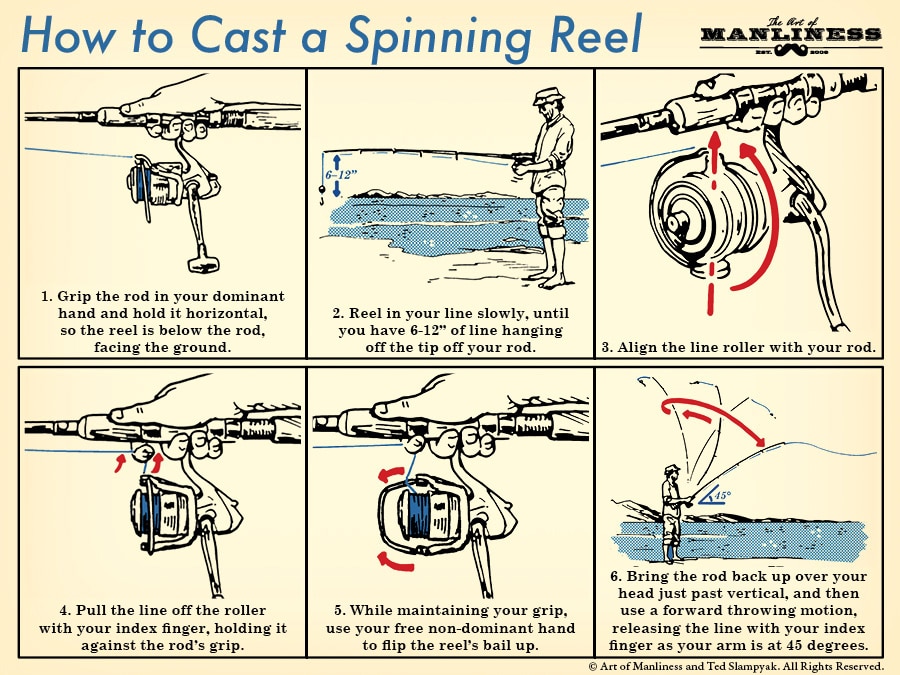
First up is overhead casting. This technique is often used for long-distance casts and is great for open water. You lift your rod above your head and then swing it forward to release the line. The key here is to keep your elbow locked and use your wrist to flick the rod tip. This adds power and helps your bait travel further.
Next, let’s talk about sidearm casting. This method is useful when you need to stay low to the water, like when fishing from a small boat or a kayak. You’ll position the rod parallel to the water and make a sweeping motion to the side. This technique reduces the risk of snagging trees or other obstacles above you while still providing decent distance.
Pitching and Flipping Techniques
If you’re looking to make precise casts, pitching and flipping techniques are your best friends. These methods are often used for targeting specific spots, like near cover or structures where fish might be hiding.
Pitching involves loading the rod behind you and then releasing it with a quick flick of the wrist. This is perfect for casting to a particular spot without making a big splash. On the other hand, flipping is a more controlled method where you use the line’s weight to drop your bait exactly where you want it. It’s great for tight spaces, like around lily pads or submerged logs.
Imagine you’re at your favorite fishing spot, and you see a big bass lounging near some rocks. Using the flipping technique, you can quietly drop your bait right next to it without spooking the fish. That’s the kind of precision these techniques offer.
Practice makes perfect with these casting techniques. Spend some time on the water to get comfortable with each method. The more you practice, the more natural it’ll feel, and soon you’ll be casting like a pro.
When it comes to fishing, the type of line you choose can make a huge difference. Understanding fishing line will help you catch more fish and enhance your overall experience.

Understanding Fishing Line
Fishing line is your direct connection to the fish, so picking the right one is crucial. There are various types of fishing lines, and each one has its strengths and weaknesses.
First up, let’s talk about monofilament and braided lines. Monofilament is single-strand and great for beginners. It’s stretchy, which can help absorb shocks from a fish’s sudden movements. Braided line, on the other hand, is made from multiple strands woven together. It’s super strong and has a smaller diameter, allowing you to spool more line on your reel.
Next, consider line strength and diameter. Line strength is measured in pounds and indicates how much weight the line can handle before breaking. A thicker line can handle more weight, but it can also be more visible to fish. If you’re fishing in clear waters, you might want to opt for a lighter line to avoid spooking your catch.
Let’s say you’re targeting bass in a clear lake. Using a 10-pound test monofilament line might be your best bet. It offers enough strength but won’t be too visible underwater, increasing your chances of a successful catch.
How to Spool a Reel
Spooling your reel correctly is key to preventing tangles and ensuring smooth casting. Start by placing the spool of line on a flat surface with the label facing up. Thread the line through the rod guides, ensuring it runs from the top of the spool to the reel. This way, it unwinds in the right direction.
Next, secure the line to your reel’s spool with an arbor knot. Once it’s attached, start reeling in while maintaining tension on the line. This will help it lay down evenly on the spool. Keep an eye on the line level as you spool; you don’t want it too full or too low.
Choosing the right fishing line can significantly impact your fishing success. Experiment with different types and find what works best for you and your fishing style. Happy fishing!
Reeling in a fish can be one of the most exhilarating parts of your fishing experience. Once you feel that tug on your line, it’s time to put your skills to the test and bring your catch to shore.
Reeling In Your Catch
Mastering the art of reeling in fish requires a combination of timing, technique, and a good understanding of your fishing rod’s settings. Let’s dive into how to reel in your catch effectively.
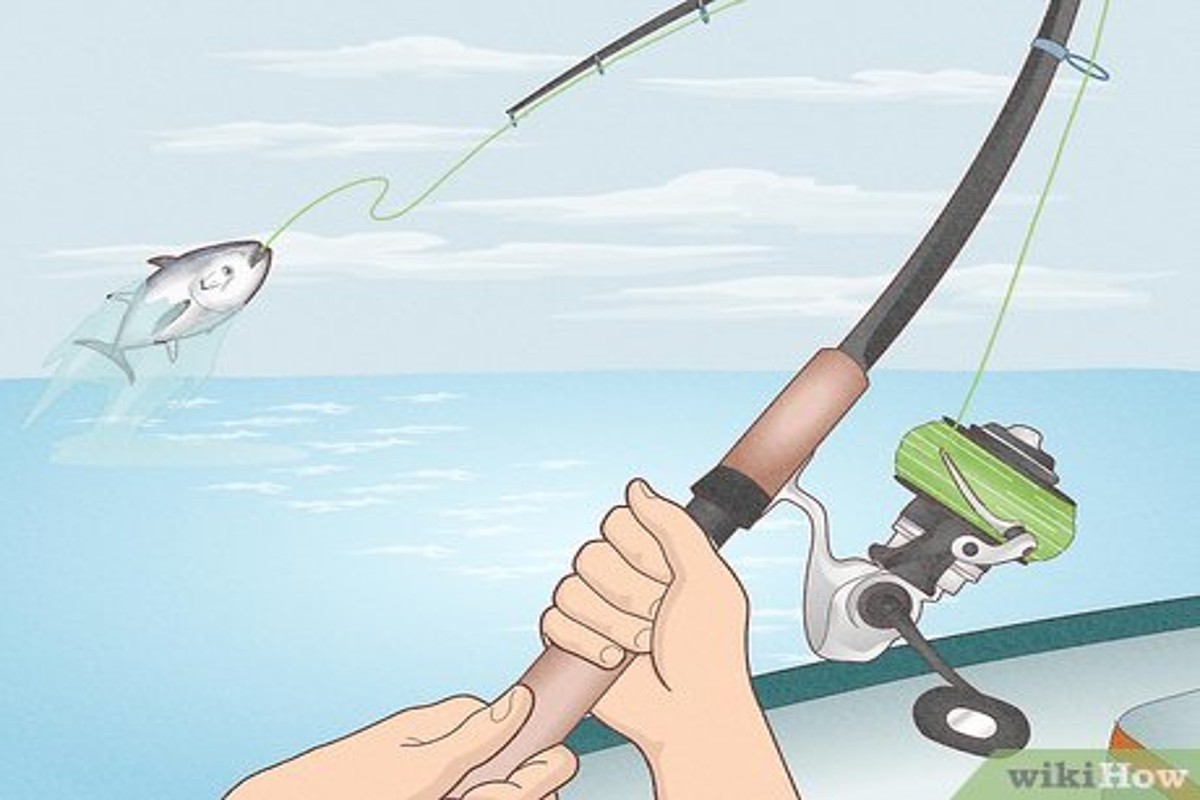
Timing is crucial when you feel a bite. You don’t want to jerk the rod too quickly, or you might lose the fish. Instead, wait for a second or two to let the fish take the bait fully before you start reeling. Think of it like a dance; you need to feel the rhythm of the line and the movement of the fish.
Using the drag settings on your reel can make a huge difference in how you handle the catch. The drag is designed to give the fish some line when it pulls hard, preventing your line from breaking. Adjust it based on the size of the fish you’re targeting. If you’re going after larger fish, set the drag tighter, but if it’s a smaller catch, you can loosen it a bit to allow for some give.
Handling the Fish After Catching
Once you’ve reeled in your fish, it’s essential to handle it properly. If you’re planning to release it, wet your hands before touching the fish to prevent damaging its skin. For fish you intend to keep, make sure to have a cooler or live well ready to keep it fresh.
Imagine you’re out on the lake, and after a few hours of fishing, you finally feel that tug. You wait just a moment, then start reeling in smoothly, adjusting the drag as needed. You bring in a nice-sized bass, and it’s thrilling! But remember, handling it with care is just as important as the catch itself.
When you’re out there, pay attention to your surroundings and practice patience. Fishing isn’t just about the catch; it’s about enjoying the process and respecting the fish, too. Happy fishing!
Keeping your fishing rod in top shape is crucial for a successful day on the water. Regular maintenance ensures your gear lasts longer and performs better when you need it most.
Maintaining Your Fishing Rod
Proper care and maintenance of your fishing rod can make a significant difference in its longevity and effectiveness. From cleaning to inspecting, here’s how to keep your gear in optimal condition.
First off, cleaning your rod and reel after every fishing trip is a must. Saltwater can be particularly damaging, so rinse everything with fresh water to remove any salt or debris. A soft cloth can help you wipe down the rod, while a gentle brush works wonders for your reel. This simple task prevents corrosion and keeps your gear looking new.
Next, take the time to inspect your rod for any signs of damage. Look for cracks, splits, or bent guides, as these can affect your casting and overall performance. If you notice something off, it’s often best to fix it immediately rather than risk further damage. For instance, if your rod tip is chipped, replacing it can save you from losing that big catch next time.
Storage is another key factor in maintaining your fishing rod. Always store it in a rod tube or rack to prevent unnecessary bending or breakage. If you’re leaving it in your vehicle, make sure it’s out of direct sunlight to avoid heat damage. A little extra care in storage goes a long way toward extending the life of your gear.
Finally, consider applying some reel oil to keep your reel functioning smoothly. A drop here and there can help maintain the mechanical parts, making your fishing experience more enjoyable. Plus, it’s a quick task that pays off big time on the water.
Taking these steps not only keeps your equipment in great shape but also enhances your fishing experience. A well-maintained rod can be the difference between a frustrating day and a successful haul. So, invest a little time in care, and you’ll enjoy your time on the water much more.