
How To Use A Fishing Rod With Spinning Reel involves mastering techniques for casting, retrieving, and baiting. These skills are crucial for improving your chances of catching fish.
Whether you’re a beginner or looking to enhance your skills, understanding how to handle a spinning reel can make your fishing trips more enjoyable and successful. Practicing these techniques can lead to better results on the water.
Choosing the right fishing rod and spinning reel can make or break your fishing experience. Whether you’re a beginner or a seasoned angler, selecting the right gear is crucial for effective fishing.
Choosing the Right Fishing Rod and Spinning Reel
The right combination of rod and reel not only enhances your fishing skills but also ensures you’re comfortable and successful on the water. With so many options out there, understanding how to match their features is key.
First off, let’s talk about rod length. Typically, you want to match the rod length with the reel size. A longer rod generally pairs well with larger reels, providing better leverage and casting distance. For instance, if you’re using a medium-sized spinning reel, a rod length of around 6 to 7 feet is usually ideal. It gives you a good balance between control and casting range.
Next up is power and action ratings. The power rating indicates the rod’s strength, while the action rating tells you how much of the rod flexes when casting. If you’re targeting larger fish, you’ll want a medium to heavy power rod with a fast action. This setup helps with better hook sets and control during the fight. On the other hand, if you’re after smaller species, a light to medium power rod with a slow action can provide more sensitivity, helping you detect those subtle bites.
Lastly, don’t overlook the type and weight of the fishing line. Choosing the right line is essential for your fishing success. Monofilament, fluorocarbon, and braided lines each have their pros and cons. For example, if you’re fishing in clear waters, a fluorocarbon line is nearly invisible and can increase your chances of a bite. Make sure to match the line weight to your rod and reel setup to avoid breakage or tangles.
A practical tip? Always test your gear before heading out. Take a few practice casts in your backyard or at a local park. This way, you’ll get a feel for how your chosen rod and reel work together, and you can make adjustments if needed.
Setting up your fishing rod with a spinning reel doesn’t have to be complicated. With the right steps, you’ll be ready to hit the water in no time. Let’s dive into the essentials!
Setting Up Your Fishing Rod with Spinning Reel
Properly setting up your fishing rod and reel is crucial for both performance and fun. A well-prepared setup ensures smooth casting and helps you reel in your catch without a hitch.
First up, let’s talk about threading the line through the guides. Start by placing the spool of fishing line on your rod. Take the line and thread it through the guides, starting from the bottom and moving to the top. Make sure it flows freely without any twists or tangles. This step is vital for preventing snags during your cast.
Next, you need to attach the spinning reel correctly. Align the reel’s foot with the reel seat on the rod and slide it into place. Tighten the locking mechanism securely, but don’t overdo it. A snug fit will keep the reel in place while allowing you to adjust it if needed later on. You want your spinning reel to be both secure and easily accessible.
Once your reel is attached, it’s time to adjust the drag settings. This is key for different fishing conditions. If you’re targeting larger fish, you’ll want a tighter drag to prevent them from breaking free. Conversely, if you’re after smaller species, a looser drag will give them room to run without snapping the line. Finding the right balance will save you from losing that big catch!
Imagine you’re out on the lake, and you spot a big bass lurking near the shore. You cast your line, but if your drag is too tight, that fish might get away in a flash. On the flip side, if it’s too loose, you risk losing your tackle. Adjusting your drag properly can make all the difference in landing that trophy fish.
Now, remember to check your setup periodically. The more you practice how to use a fishing rod with a spinning reel, the more intuitive it will become. Regular checks can help ensure everything is functioning smoothly, especially before a big fishing trip.
Mastering your casting technique can make all the difference in your fishing experience. With a few essential skills, you can improve both distance and accuracy when using a fishing rod with a spinning reel.
Basic Casting Techniques with a Spinning Reel
Understanding the basics of casting is crucial for any angler. By focusing on key techniques, you can enhance your overall performance on the water and increase your chances of landing that big catch.
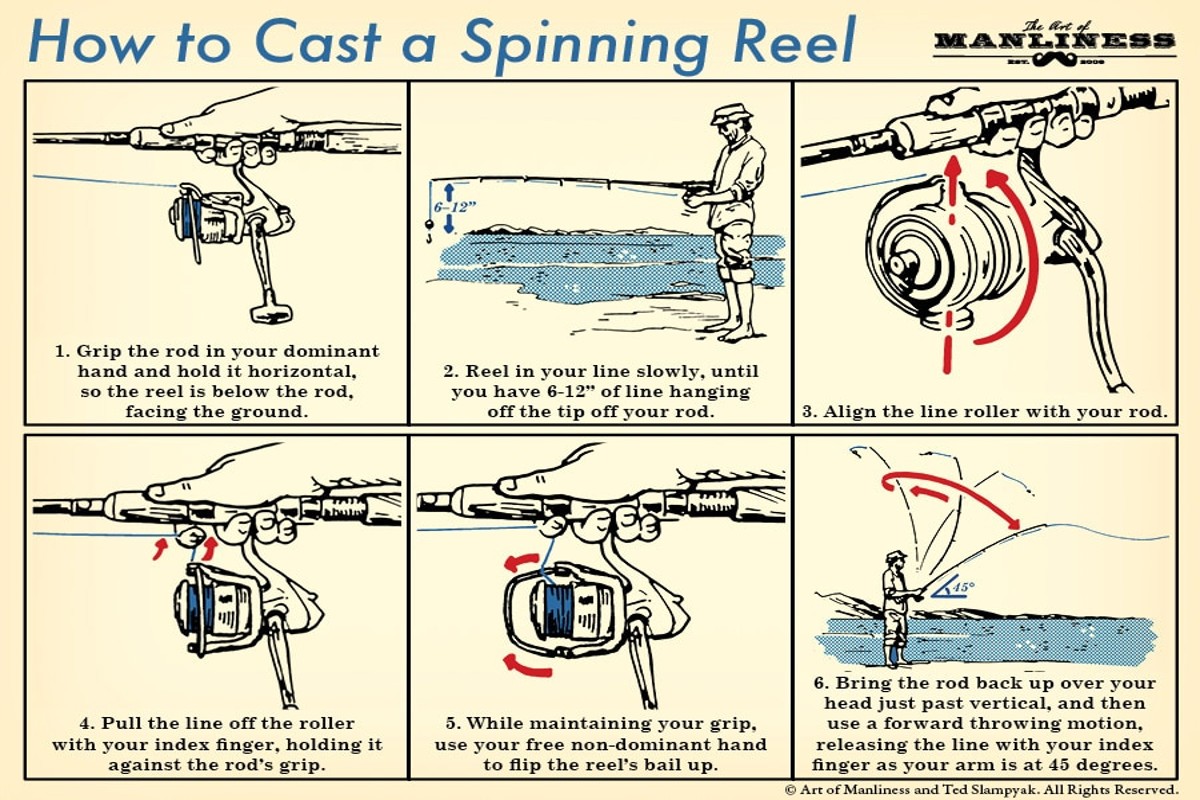
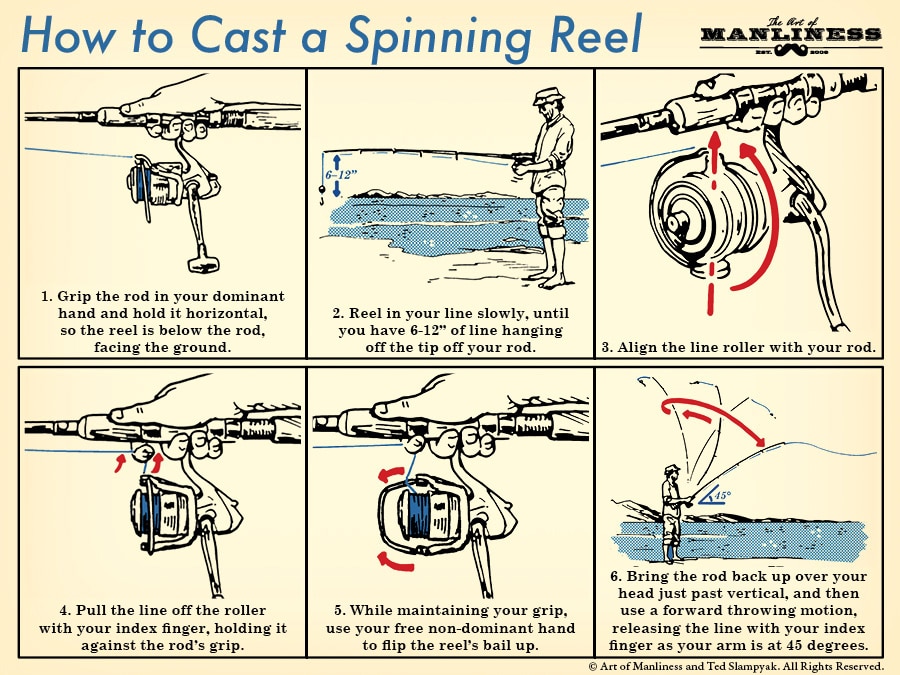
First up is the bail arm. When you’re ready to cast, make sure the bail arm is open. This allows the line to flow freely off the spool as you cast. If you forget to open it, you’ll end up with a tangled mess instead of a smooth line release. Always double-check that the bail is open before you make your move!
Next, timing your release is vital for maximizing distance. As you swing your rod back, keep your eyes on your target. When you bring the rod forward, release the line just as the tip of the rod is about to reach the 11 o’clock position. This timing helps create a smooth, powerful cast that sends your bait flying. Imagine you’re trying to throw a paper airplane; the timing of your release is just as critical!
Lastly, practicing different casting styles can really up your game. Overhead casts are great for long distances, while sidearm casts can help you navigate around obstacles like trees or rocks. Try both techniques and see which feels more comfortable for you. You might be surprised by how different styles can affect your casting performance.
Take the time to perfect these techniques, and you’ll find yourself casting with more confidence. The right approach will not only improve your distance but also your accuracy—making every fishing trip more enjoyable. So grab your gear and hit the water; with a bit of practice, you’ll be a pro at how to use a fishing rod with a spinning reel in no time!
Retrieving your line effectively is crucial for attracting fish. Mastering different retrieval techniques can make all the difference between a successful outing and coming home empty-handed.
Retrieving Your Line: Techniques for Success
Different speeds and methods of retrieval can entice fish in various ways. By experimenting with these techniques, you can discover what works best for you and the lures you’re using.
Let’s start with the speed of your retrieval. Slow and fast speeds each have their advantages. Slow retrieval is often effective for lures that mimic injured prey, while a fast retrieval can trigger a reaction strike from fish that are feeling aggressive. Think of it like this: if you were a fish, would you chase after something that’s just lazily swimming by, or would you be more inclined to strike at something zipping through the water?
Now, let’s talk about pauses and twitches. Incorporating sudden stops or small jerks in your retrieve can mimic the erratic behavior of wounded baitfish. For example, if you’re using a soft plastic jerk bait, try reeling it in with a few quick twitches followed by a pause. This can entice predatory fish like bass, as they often strike when the bait seems vulnerable.
Identifying the Right Retrieve for Different Lures
Picking the right retrieve also depends on the lure you’re using. Each type of lure has its own ideal technique. For instance:
- Crankbaits: These often work best with a steady retrieve, allowing the lure to dive and create vibrations.
- Spinnerbaits: A slow to medium retrieve with occasional pauses can trigger strikes from lurking fish.
- Soft Plastics: Use a twitch-pause-twitch technique to imitate injured prey effectively.
Remember, there’s no one-size-fits-all approach. Observe how fish respond and adjust your technique accordingly. Experimenting with different retrieval speeds and patterns is part of the fun of fishing. Next time you’re out, try varying your retrieval techniques and see what the fish prefer. You might be surprised by the results!
Choosing the right bait or lure can make all the difference in your fishing experience. Whether you’re a novice or a seasoned angler, understanding how to select the best options for your spinning reel setup is key to reeling in your catch.

Baiting and Lure Selection for Spinning Reels
When you’re out on the water, you’ll often find yourself weighing the pros and cons of live bait versus artificial lures. Each has its unique advantages, and knowing when to use each can significantly impact your success.
Live bait, like worms or minnows, is a classic choice that can attract a wide variety of fish. Many anglers swear by it because it mimics the natural food sources of fish. On the flip side, artificial lures come in countless shapes, sizes, and colors, allowing you to experiment and adapt to the fish’s preferences. They’re often easier to manage and can be reused.
Matching Lure Types to Fish Species
Different fish species are attracted to different types of baits and lures. For instance, if you’re targeting bass, a spinnerbait or crankbait can work wonders. On the other hand, if you’re after trout, consider using spoons or soft plastics. Understanding the species you’re targeting helps you make informed decisions about your gear.
- For freshwater fishing: worms, grubs, and small minnows.
- For saltwater fishing: shrimp, squid, and larger jigs.
- Topwater lures for aggressive species like pike or bass.
Seasonal considerations also play a huge role in bait selection. In the spring, fish are often more active and may prefer faster-moving lures. During the summer months, they might seek shade and cooler waters, making slower presentations more effective. In fall and winter, fish tend to be less active and may require a more deliberate approach, like using live bait or slow-moving lures.
Next time you’re gearing up, think about where, when, and what you’re fishing for. A little planning can lead to big results! If you’re unsure, don’t hesitate to ask local anglers or shop owners for their recommendations. They often have invaluable insights on what works best in your area.
Using a spinning reel can be incredibly rewarding, but there are some common mistakes that can trip you up. Avoiding these pitfalls will help you become a more effective angler and improve your fishing experience.

Common Mistakes to Avoid When Using a Spinning Reel
Understanding these common errors can save you time, frustration, and even fish! Let’s dive into the most frequent mistakes you might encounter while using a spinning reel.
One major issue anglers face is overcasting. When you cast too far, you risk backlash, which can tangle your line and ruin your fishing trip. Picture this: you’re out on the water, excited to reel in a big catch, and suddenly your line is a jumbled mess. To avoid this, practice your casting technique and be mindful of how much line you’re letting out.
Another mistake is neglecting to maintain your gear. A spinning reel requires regular cleaning and lubrication to function smoothly. If you ignore this, you may find your reel performing poorly or even breaking down on you. Investing a little time in maintenance will go a long way in ensuring your gear lasts longer and works better.
Don’t forget to pay attention to local fishing regulations. Ignoring these rules can not only lead to fines but also harm the fishing environment. Always check the guidelines for the area you’re fishing in, including size limits and seasonal restrictions. This not only helps preserve the ecosystem but also ensures you’re fishing responsibly.
Next time you’re out fishing, remember these tips. Proper casting, gear maintenance, and respecting local regulations will enhance your experience and success rate. You’ll be amazed at how much more enjoyable your time on the water can be when you avoid these common mistakes!