
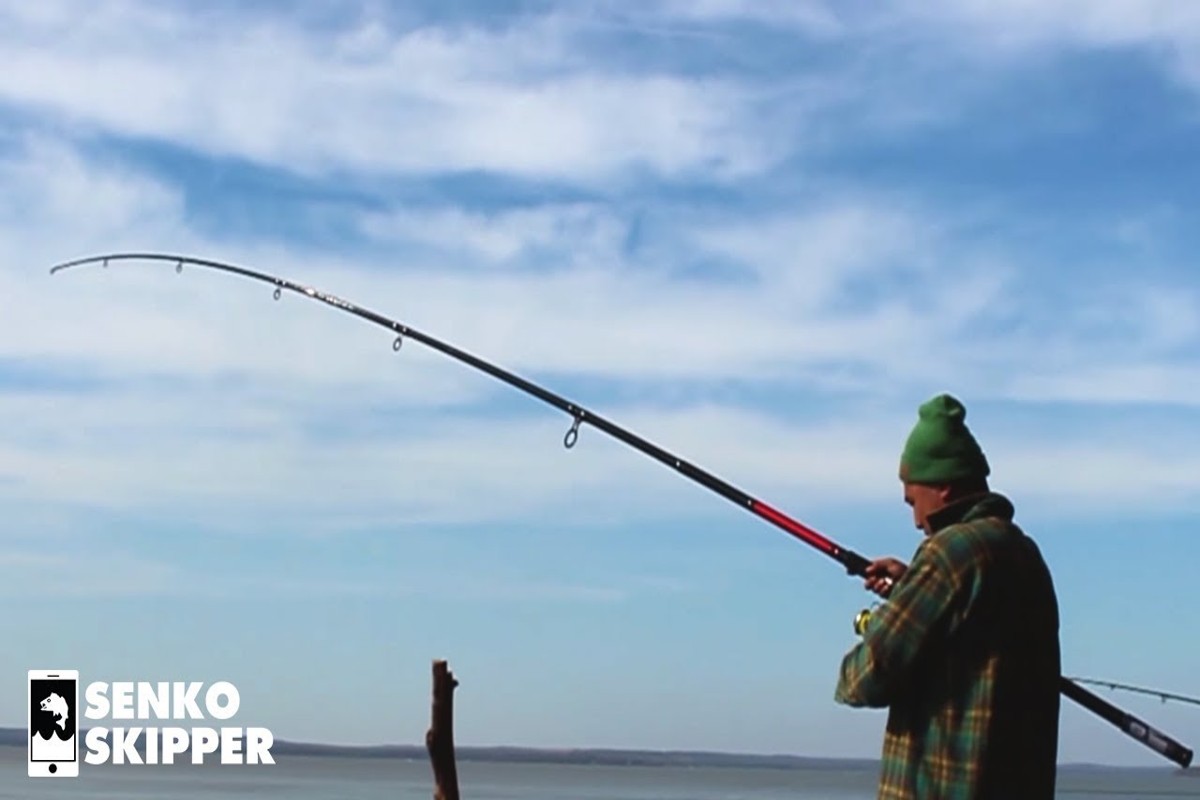
Are longer fishing rods better? Yes, they can enhance your fishing experience by offering increased casting distance and better leverage. However, they also come with potential downsides, like reduced sensitivity and difficulty in maneuverability.
For instance, while a longer rod might help you cast further in open waters, it could be cumbersome when fishing in tight spaces or among heavy cover. Understanding these pros and cons can help you choose the right rod for your needs.
Longer fishing rods have gained popularity among anglers for good reasons. They offer several advantages that can enhance your fishing experience, making it easier to catch that big one.

Benefits of Longer Fishing Rods
When you’re out on the water, using a longer rod can make a noticeable difference. From casting to fighting fish, these rods can provide you with key benefits that can elevate your fishing game.
One of the most significant advantages of longer fishing rods is improved casting distance. With greater length, you can cast your line farther, which is especially useful when targeting fish that are more skittish or located further away. Picture yourself on a beach, casting your line into the ocean; a longer rod means you can reach those prime spots that others might miss.
Another benefit is better leverage for fighting fish. When you hook a big one, a longer rod allows you to maneuver more effectively. You’ll have more control over the fish’s movements, helping you tire it out quicker and bring it in with less strain on your arms. This can be a game-changer when you’re battling a stubborn catch.
Enhanced line control is also a perk of using a longer rod. You can keep your line above the water’s surface more easily, reducing the chances of tangles and snags. This control is crucial when you’re trying to present your bait or lure in the most natural way possible. It can also help you manage your line better in windy conditions.
If you’re considering whether are longer fishing rods better for you, think about these practical advantages. They can make your time on the water more enjoyable and productive. Just remember, the right rod length can depend on the type of fishing you’re doing and your personal preferences. So, try out a longer rod and see how it feels for your next fishing adventure!
While longer fishing rods can offer some advantages, they also come with notable drawbacks. Understanding these downsides can help you decide if a longer rod is the right choice for your fishing style.
Drawbacks of Longer Fishing Rods
One of the most significant downsides of longer fishing rods is their weight. They tend to be heavier, making them less portable and more tiring to use for extended periods. If you’re planning a long day on the water, the added weight can become a real hassle.
Another issue is maneuverability. Longer rods can be harder to control, especially in tight spaces like small boats or crowded fishing spots. For instance, if you’re trying to cast in a narrow stream, a longer rod might get snagged on branches or other obstacles.
Plus, longer rods may not fit all fishing conditions. If you’re fishing in a small river or a pond, a shorter rod might be more effective. In these scenarios, a longer rod could actually hinder your ability to catch fish. Different environments often call for different tools.
So, if you find yourself frequently shifting between various fishing locations, consider how a longer rod might impact your experience. You might enjoy the extra reach in open waters but struggle in more confined spaces.
When choosing your fishing rod, think about your typical fishing environments and how a longer rod will perform there. Picking the right rod can make all the difference in your fishing success.
Choosing the right fishing rod length can make a big difference in your success on the water. Different techniques require different lengths to optimize your performance.

Ideal Lengths for Different Fishing Techniques
Each fishing method has its own ideal rod length that helps you cast effectively and control your line. Understanding these preferences can significantly improve your fishing experience.
Spinning Techniques: For spinning, a rod length between 6 to 7 feet is often ideal. This range gives you the flexibility to cast accurately while maintaining control over your lure. If you’re fishing in tighter spaces, like small streams, shorter rods around 5 to 6 feet can help you maneuver better.
Fly Fishing Requirements: Fly fishing usually calls for longer rods, typically ranging from 8 to 10 feet. The extra length helps you make longer casts and manage line better, especially when you’re dealing with wind or trying to reach fish in deeper waters. For example, if you’re casting in a wide river, a 9-foot rod will help you cover more area effectively.
Baitcasting Preferences: When it comes to baitcasting, most anglers prefer rods in the 6 to 7.5 feet range. This length provides a good balance between accuracy and power, allowing you to cast heavier lures while still maintaining control. If you’re targeting bigger fish in open water, a longer rod can help you handle the fight better.
Remember, while the question of “are longer fishing rods better” has its merits, the best rod length really depends on your specific fishing style and the conditions you face. Experiment with different lengths to find what feels right for you.
When it comes to the debate on whether longer fishing rods are better, real anglers have plenty to say. Their experiences can shed light on the advantages and drawbacks of using these rods in various fishing scenarios.

User Experience: Angler Testimonials
Anglers from all walks of life have shared their thoughts on longer fishing rods, and the feedback is a mix of enthusiasm and caution. While some rave about the extra distance they can achieve, others find the added weight a bit cumbersome.
Many anglers appreciate how longer rods allow them to cast further. For instance, one enthusiastic angler reported that switching to a 10-foot rod helped him reach spots he previously thought were out of range. This kind of distance can be a game-changer, especially when targeting fish that hang out farther from the shore.
However, not everyone is sold on the idea of longer rods. A common concern is the added weight, which can lead to fatigue during long fishing sessions. One angler mentioned that while he loved the reach of his 12-foot rod, he often found his arms getting tired after a few hours of casting. He suggested that if you’re considering a longer rod, you might want to factor in the weight and your stamina.
Comparative experiences with shorter rods also reveal interesting insights. Several anglers noted that while shorter rods are easier to handle, they miss out on the distance advantages of longer rods. One fisherman explained that he often switches between a 7-foot and a 10-foot rod depending on the fishing conditions. He prefers the shorter rod for river fishing, where precision is key, but loves the longer rod for surf fishing.
Ultimately, the choice between longer and shorter rods comes down to personal preference and fishing style. If you’re looking for distance and are okay with a little extra weight, longer rods might be worth trying. Just make sure to balance that reach with your comfort level!
Choosing the right fishing rod length can make a big difference in your success on the water. Whether you’re a seasoned angler or a beginner, understanding how rod length impacts your fishing style is essential.

How to Choose the Right Rod Length
When selecting a fishing rod, consider factors like your fishing style, the water conditions, and how comfortable you feel using the rod. Each of these elements plays a crucial role in ensuring you have the best experience possible.
First, think about your fishing style. Are you casting for bass in a pond, or are you trolling for salmon in a big lake? Different techniques require different rod lengths. For instance, if you’re looking to make long casts, a longer rod might be beneficial. A shorter rod, on the other hand, can offer more control when you’re in tight spaces like small rivers or when fishing from a kayak.
Next, evaluate the water conditions where you’ll be fishing. If you’re facing windy conditions or fishing in a larger body of water, a longer rod can help you maintain better control and stability. Conversely, if you’re fishing in calm waters, a shorter rod might suit you just fine and make it easier to handle smaller fish.
Lastly, assess your personal comfort. You want a rod that feels good in your hands. If a rod is too long or too heavy, you might tire quickly, which can ruin your day. Try different lengths at your local tackle shop or borrow from friends to see what feels best for you. Remember, the right length should make the fishing experience more enjoyable, not more strenuous.
For example, if you’re new to fishing and planning a trip to a local stream, a medium-length rod (around 6 to 7 feet) can give you the versatility to handle various situations without overwhelming you. On the other hand, if you’re heading out for a deep-sea adventure, you might want something longer for better leverage against larger fish.
So, are longer fishing rods better? It really depends on your specific needs and the type of fishing you plan to do. Take the time to evaluate these factors, and you’ll be well on your way to making the right choice for your next fishing trip.
Fishing rod design is evolving, and it’s an exciting time for anglers. With new materials and technologies, the question of whether longer fishing rods are better has sparked fresh debates.
Future Trends in Fishing Rod Design
As the fishing world continues to innovate, the focus on rod length and design is more relevant than ever. Anglers are looking for lightweight options that don’t compromise on flexibility or strength.
One of the biggest shifts in fishing rod design is the use of advanced materials. Manufacturers are now experimenting with carbon fiber and composite blends, allowing rods to be both lightweight and durable. This shift means you can cast further without feeling fatigued, especially during long fishing trips.
Technological advancements are also changing how rods are made. For example, automated manufacturing processes ensure consistent quality and precision, which can enhance performance. Some companies even use 3D printing to create custom rod components tailored to specific angling needs.
Changing Angler Preferences
Modern anglers are becoming more discerning. Many are opting for rods that offer versatility over sheer length. A shorter, more flexible rod might give you better control when fishing in tight spaces, while a longer rod can be beneficial for casting distance.
- Lightweight materials reduce fatigue during extended use.
- Customizable designs cater to individual fishing styles.
- Technological innovations improve overall rod performance.
For example, imagine you’re out on a boat, battling a big fish. If your rod is lightweight and flexible, you’ll have a better chance of reeling it in without straining your arm. This blend of comfort and performance is what many anglers are now prioritizing.
When considering whether longer fishing rods are better, think about what you truly need. Look for rods that combine innovative materials and designs, matching your fishing style for the best experience on the water.