
How To Put A Hook On A Fishing Rod involves selecting the right hook, threading it properly, and ensuring it’s secure for fishing. This process is essential for effective angling.
Whether you’re a beginner or an experienced angler, knowing how to attach a hook correctly can make a big difference in your catch rate. A well-secured hook helps prevent losses and enhances your fishing experience.
Choosing the right hook is essential for a successful fishing trip. The right hook not only helps you catch fish but also ensures you have a better experience overall. Let’s dive into how to select the perfect hook based on your needs.

Choosing the Right Hook for Your Fishing Rod
When it comes to fishing, not all hooks are created equal. Understanding hook sizes, types of fish you’re targeting, and matching the hook style with bait are crucial steps to enhance your fishing game.
First off, let’s talk about hook sizes. Hook sizes can range from very small to quite large, and they’re usually numbered. A smaller number means a larger hook. For instance, a size 1 hook is bigger than a size 10. When you’re out fishing, you want to ensure your hook is appropriate for the fish species you’re targeting. If you’re after panfish, a smaller hook works best, while larger species like bass or pike require bigger hooks.
Next, consider the type of fish you want to catch. Different fish species have different mouth sizes and feeding habits. For example, if you’re fishing for trout, a smaller, lighter hook will work better because trout tend to nibble. On the other hand, if you’re aiming for catfish, you’ll need a sturdier hook to handle their strong bites.
Finally, matching the hook style with your bait is essential. If you’re using live bait, a baitholder hook can keep it secure, while a circle hook is great for catch-and-release fishing. This is because circle hooks tend to hook fish in the corner of the mouth, which is less harmful to them. If you’re going with lures, a treble hook might be your best bet as it offers multiple points of contact.
For example, imagine you’re heading out to a local lake for a weekend fishing trip. If you plan on targeting bass, you’d want to grab a size 2 or 3 hook and pair it with a rubber worm as your bait. This combo is a popular choice that many anglers swear by.
Always remember to keep a variety of hooks in your tackle box. This way, you can adapt to whatever the day throws your way. The right hook can make all the difference when you’re learning how to put a hook on a fishing rod and getting ready for the catch of the day.
Setting up your fishing rod can be a breeze if you have the right tools at hand. A few essential items can make the process smoother and more enjoyable, ensuring you’re ready to reel in that big catch.

Tools You Need for Hooking a Fishing Rod
Having the right tools by your side can make all the difference when you’re learning how to put a hook on a fishing rod. Here are some essentials that will help you tackle the task with ease.
First up are fishing pliers. These handy tools are crucial for twisting and securing hooks onto your line. They often come with a built-in cutter, making it easy to trim any excess line without reaching for another tool. When you’re out on the water and need to change hooks quickly, fishing pliers will be your best friend.
Next, a reliable line cutter is a must-have. You want something that can slice through fishing line effortlessly. A good line cutter can save you time and frustration, especially when you’re battling the elements or trying to hook that trophy fish before it swims away. Look for a compact, easy-to-use cutter that fits comfortably in your hand.
Finally, a bait and tackle box is essential for organizing your gear. This box keeps your hooks, weights, and bait neatly stored, so you can find what you need without rummaging through a messy bag. Imagine being out on the water, and you suddenly remember you left your favorite bait at home. A well-organized tackle box prevents that from happening.
So, before you head out for your fishing adventure, gather these tools. They’ll not only help you learn how to put a hook on a fishing rod but also make your overall fishing experience more enjoyable. Being prepared means more time fishing and less time fumbling with gear.
Attaching a hook to your fishing rod might seem tricky, but it’s actually pretty straightforward. With the right technique, you’ll be ready to cast your line in no time. Let’s dive into the step-by-step process to attach a hook.

Step-by-Step Process to Attach a Hook
This process involves preparing your fishing line, tying a knot, and securing the hook. Each step is crucial for ensuring your hook stays in place while you’re fishing.
First, you need to prepare the fishing line. Start by cutting a length of line that’s about 12 to 18 inches long. This will give you enough to work with while making the knot. If your line is already attached to the reel, make sure there’s enough slack to handle the next steps comfortably.
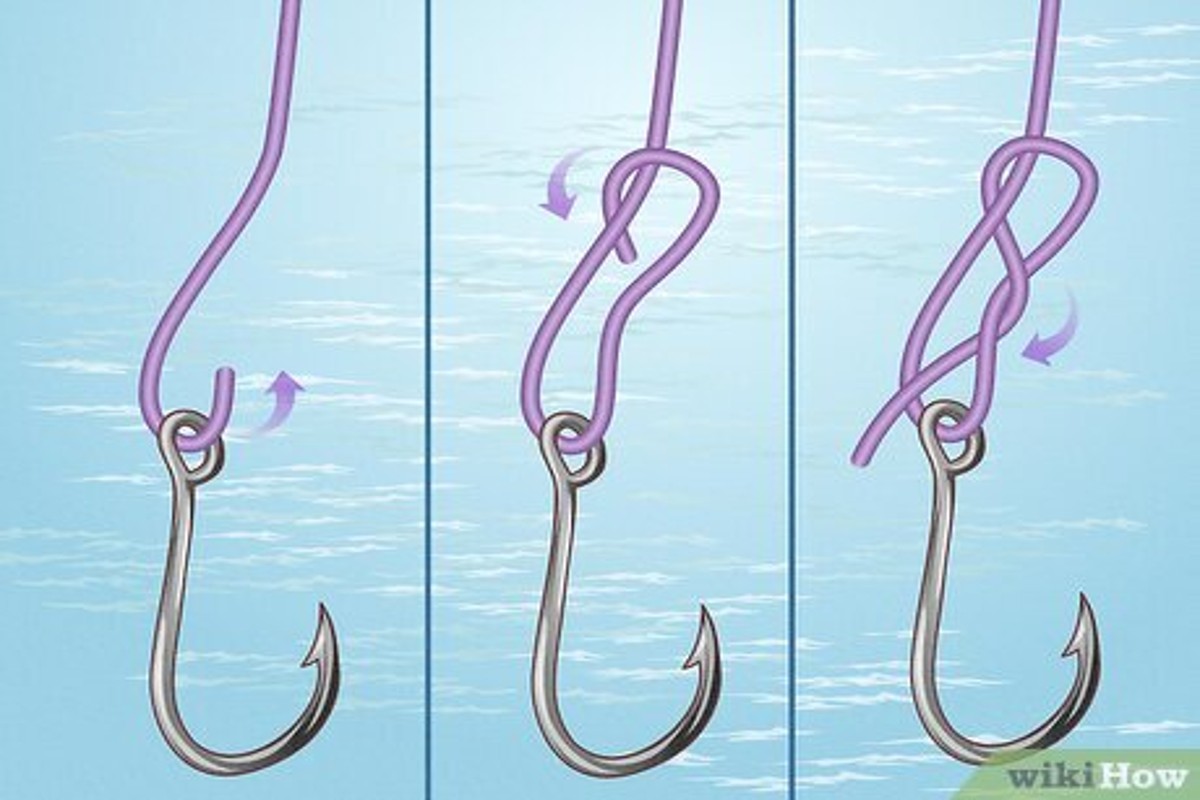
Next, it’s time to tie a knot. The most popular knot for this purpose is the improved clinch knot. Here’s how to do it:
- Thread the end of the line through the eye of the hook.
- Wrap the line around itself five to seven times, moving upwards toward the eye.
- Take the end of the line and thread it back through the small loop you created near the eye.
- Finally, pull on both the standing line and the tag end to tighten the knot.
If you’re a visual learner, consider watching a quick tutorial online. Seeing the knot tied can really help you grasp the concept.
Now, let’s secure the hook. Once the knot is tight, trim any excess line, leaving about an eighth of an inch. This ensures that your knot is snug and won’t slip when you’re reeling in a fish. Also, check that the hook is properly aligned; it should face upward when attached.
As a real-world example, imagine you’re out on a serene lake, and you just finished attaching your hook. With the sun setting and the fish biting, you’ll be glad you took the time to tie that knot securely. You’re now ready to make your catch!
Always double-check your knot before casting. A secure knot can be the difference between landing a big fish or losing it at the last moment. Happy fishing!
Attaching a hook might seem simple, but anglers often make mistakes that can cost them a good catch. Here’s how to avoid common pitfalls when you’re figuring out how to put a hook on a fishing rod.
Common Mistakes to Avoid When Hooking
Even seasoned fishermen can slip up when attaching hooks. Being aware of these common mistakes can help you fish more effectively and make your time on the water more enjoyable.
First up, using the wrong knot can really hurt your chances. There are many types of knots, but not all are suitable for every situation. A poorly chosen knot can slip or break, leading to lost fish and frustration. Make sure you use a knot that’s reliable for the type of fishing you’re doing.
Next, let’s talk about over-tightening the knot. While you want a secure hold, cranking it too tight can weaken the line. Imagine you’re trying to reel in a big bass, and your line snaps because you went a bit overboard. It’s about finding the right balance—tighten it firmly, but don’t go crazy.
Another mistake is not checking the hook’s sharpness. A dull hook won’t penetrate the fish’s mouth, making it harder to catch anything. Before you head out, give your hooks a quick inspection. If they’re not sharp, take a few moments to sharpen them up. Trust me, that extra effort can lead to a better catch.
Lastly, always remember to keep your tackle box organized. If you have different types of hooks and knots, it helps to sort them out. This way, you won’t waste time fumbling around when you should be fishing.
Next time you’re out on the water, keep these tips in mind. Being aware of these common mistakes can significantly improve your fishing experience and help you reel in that trophy catch!
When you’re out on the water, the last thing you want is for your hook to come loose. Ensuring your hook stays secure is crucial for successful fishing. Here are some tips to help you keep that hook firmly attached.
Tips for Ensuring Your Hook Stays Secure
Securing your hook isn’t just about the initial knot you tie. Regular maintenance and smart choices can make a big difference in your fishing experience. Let’s dive into a few strategies that will keep your hook in place.
First and foremost, regularly inspect the knot you’ve tied. Over time, knots can loosen, especially after multiple casts or when you’re reeling in a big catch. Make it a habit to check the knot before each use, ensuring it’s tight and secure.
Another smart move is to use a backup knot. If you’re worried about the reliability of your main knot, tying a second one can provide added security. For example, you can use the double knot method, which adds an extra layer of grip. This way, if the first knot fails, you’ve got a backup ready to go!
Lastly, consider using a swivel. Swivels not only help prevent line twisting but also provide an additional point of connection that can hold your hook more securely. When you attach a hook to a swivel, it creates a more stable setup, especially when fishing in currents or when fighting a fish. Imagine reeling in a trophy fish, only to lose it because of a slipping hook—that’s a scenario you want to avoid!
Keeping your hook secure is all about being proactive. By regularly checking your knots, using backups, and considering a swivel, you can enhance your fishing game. So, next time you’re out fishing, remember these tips to ensure your hook stays where it belongs—on your line and ready for action!
Knowing when to replace your fishing hook can save you a lot of frustration and keep your fishing experience enjoyable. Hooks can wear out or lose their effectiveness over time, so it’s crucial to keep an eye on their condition.

When to Replace Your Fishing Hook
Several signs indicate it’s time to swap out your fishing hook for a new one. Recognizing these signs will help you maintain your gear and improve your chances of landing that big catch.
One of the first signs you need to look for is visible wear and tear. If you notice any rust spots or bending in the hook, don’t hesitate to replace it. A damaged hook can break when you’re trying to reel in a fish, leading to lost opportunities—and nobody wants that!
Another crucial factor is the sharpness of your hook. Over time, hooks can become dull, which makes it harder for them to penetrate a fish’s mouth. If you find yourself struggling to set the hook, it’s likely time for a new one. A sharp hook is your best friend when fishing, so don’t overlook this!
Finally, consider replacing your hook after catching a large fish. Even if your hook looks fine, the stress of landing a big catch can compromise its integrity. For example, if you just caught a hefty bass, it’s a good idea to swap out your hook before making your next cast. You want to ensure you’re always ready for that next big bite!
Keep an eye on these signs to ensure you’re always equipped with the best gear possible. A fresh hook can make all the difference in your fishing success, so don’t be afraid to change it out when needed.