
How To Set Up Fish Rod involves understanding the components of the rod and assembling them for effective fishing. Proper setup is crucial for catching fish and enhancing your overall fishing experience.
Imagine heading to your favorite fishing spot, only to struggle with a tangled line or improperly attached bait. By learning how to set up your fish rod correctly, you can ensure a smoother and more successful day on the water.
Setting up your fishing rod might seem overwhelming at first, but understanding its components makes the process much easier. Once you know what each part does, you’ll be ready to hit the water with confidence.

Understanding Your Fishing Rod Components
Your fishing rod consists of several key components, each serving a specific purpose. Familiarizing yourself with these parts will help you make the best choices when setting up and using your rod.
The first major component is the rod blank. This is the main body of the rod, made from materials like graphite or fiberglass. The blank determines the rod’s sensitivity and strength, affecting how well you can feel bites and how much pressure it can handle.
Next, we have the guides and tip. Guides are the small rings that run along the length of the rod, allowing the fishing line to slide smoothly. The tip is the very end of the rod, often more flexible than the rest. This flexibility helps detect light bites, making it easier for you to react quickly.
Finally, there’s the reel seat. This is where the fishing reel attaches to the rod. A secure reel seat ensures that your reel stays in place while you fish. If you’ve ever had a reel slip during a cast, you know how frustrating that can be!
Understanding these components will significantly enhance your fishing experience. When you know how to set up your fish rod correctly, you’ll be ready for whatever the day brings on the water.
Choosing the right fishing reel can make or break your fishing experience. With so many options out there, it might feel overwhelming, but we’ll break it down for you.

Choosing the Right Fishing Reel
The right fishing reel should match your fishing style, the type of fish you’re targeting, and the rod you’re using. This ensures you have the right tools to make the most of your time on the water.
First, let’s talk about the different types of reels. The three main categories are spinning reels, baitcasting reels, and spincast reels. Spinning reels are versatile and great for beginners, while baitcasting reels offer more precision for experienced anglers. Spincast reels are user-friendly and often preferred by kids or casual fishers.
Next up is matching the reel size to your rod. Every rod has a recommended reel size, which helps maintain balance and control. If you use a reel that’s too heavy, it can make casting awkward. For example, if you’ve got a light rod for panfish, pairing it with a heavy-duty reel won’t give you the finesse you need.
Gear Ratio Importance
Another key factor is the gear ratio of the reel. This number indicates how many times the spool rotates with one turn of the handle. A higher gear ratio means faster retrieve speeds, great for catching active fish. If you’re targeting species that require quick movements, like bass, you’ll want a reel with a higher gear ratio.
On the flip side, if you’re fishing for larger species that require more torque, a lower gear ratio can be beneficial. This provides the strength needed to reel in those bigger catches without losing control.
When choosing your fishing reel, think about your fishing needs and preferences. A well-matched reel can enhance your experience and increase your chances of a successful day on the water. Don’t rush the decision—take your time to find what fits best for you. Happy casting!
Attaching the reel to your fishing rod is a crucial step in getting ready for a great day on the water. This process isn’t complicated, but getting it right ensures your setup is stable and ready for action.

Attaching the Reel to the Rod
To properly attach the reel to the rod, you’ll need to start by aligning the reel seat with the reel itself. This alignment is key to ensuring everything fits snugly and securely.
First, take your reel and position it so the handle is on the side that feels most comfortable for you. Most anglers prefer the handle on the right side, but it’s all about personal preference. Next, slide the reel into the reel seat on the rod, making sure it’s all the way in and aligned with the guides.
Once the reel is in place, you’ll need to secure it. Most reel seats have a locking mechanism—this could be a screw or a clasp. Turn the locking mechanism clockwise until it feels tight. Don’t overdo it, though; you want it secure but not so tight that it damages the reel. If you’re unsure, a good rule of thumb is to give it a firm twist but not to the point of strain.
After securing the reel, it’s time to check for stability. Hold the rod firmly in one hand and give the reel a gentle tug with the other hand. If it stays put without any wiggling, you’re good to go. If it feels loose, adjust the locking mechanism and retest. This step is essential because a stable reel can make all the difference when you’re reeling in a big catch.
Imagine you’re out on a bright Saturday morning, casting your line into your favorite fishing spot. The last thing you want is your reel slipping while you’re trying to catch that trophy fish. Ensuring everything is tightly secured will give you peace of mind and let you focus on what really matters—landing that big one!
Always take a moment to double-check your setup before heading out. A little preparation goes a long way in ensuring a successful fishing adventure.
Stringing your fishing line correctly is crucial for a successful day on the water. A well-strung rod can make all the difference in your casting distance and accuracy. Let’s break down how to get your line ready.

Stringing the Fishing Line
Getting the fishing line strung through the guides of your rod might seem tricky, but it’s pretty straightforward. With a few simple steps, you’ll be ready to reel in your catch in no time.
First things first, you’ll need to choose the right line. Depending on what type of fish you’re targeting, different lines work better. For instance, monofilament lines are great for beginners because they’re easy to handle and tie knots with. On the other hand, braided lines offer more strength and sensitivity, which can be beneficial for catching larger fish.
Once you’ve chosen your line, the next step is threading it through the guides. Start at the tip of the rod and work your way down. Feed the line through the first guide, then continue to thread it through each subsequent guide. This step might take a little patience, especially if your guides are small, but it’s essential for smooth casting.
Now, let’s tie the line to the reel. Secure the line to the spool using an arbor knot. This knot is simple and effective. Wrap the line around the spool, make a loop, and pass the end through it. Pull tight, and you’re all set! Make sure the line is snug but not overly tight, as that can affect your casting.
As a real-world example, imagine you’re out on a boat, the sun setting, and the fish are biting. You cast your line confidently, knowing you set it up right. That’s the kind of success you want, and it all starts with properly stringing your fishing rod.
Before you hit the water, give your line a gentle tug to ensure it’s secure. This small step can save you from losing that big catch when it matters most. Happy fishing!
Attaching the right lures or baits to your fishing line can make a big difference in your success on the water. Let’s dive into how to do it effectively, so you can reel in that big catch!

Adding Fishing Lures or Baits
Choosing the right lure or bait is crucial for attracting fish. You’ll want to consider the type of fish you’re targeting and the water conditions. Once you’ve selected your bait, it’s time to learn how to attach it properly.
When it comes to lures, there are several types you might consider. Here are a few popular options:
- Soft Plastics: Great for freshwater fishing, mimicking the movement of worms or small fish.
- Spinnerbaits: Perfect for murky waters, they create vibrations and flash that fish find irresistible.
- Crankbaits: These dive and mimic the swimming action of prey, making them effective for various species.
Once you’ve picked your lure, tying a secure knot is essential. A common choice is the Palomar knot, known for its strength and simplicity. Here’s how to tie it:
- Double the line and thread it through the lure’s eye.
- Make a loop and pass the end through.
- Pull tight to secure it. Make sure it’s snug!
Now, let’s talk about bait positioning. If you’re using live bait, like worms or minnows, it’s important to hook them correctly to ensure they stay on the line. For worms, you can thread the hook through the worm’s body, while for minnows, you’ll want to go through the back or lips to keep them lively.
Imagine you’re at your favorite fishing spot, and you see fish jumping. You’ve got your soft plastic lure ready, tied with a Palomar knot, and you cast it right where the action is. The perfect positioning might just make the difference between a quiet day and a great catch!
Always experiment with the depth and distance from the shore. Sometimes, a little adjustment can lead to a big reward. Happy fishing!
Before you head out to the water, it’s crucial to double-check your fishing rod setup. This final checklist will ensure everything is in tip-top shape for your fishing adventure.
Final Setup Checks and Adjustments
Getting the right adjustments can make all the difference in your fishing experience. A well-tuned rod and reel can increase your chances of a successful catch.
First up, you want to inspect the line tension. Too tight, and you risk snapping the line; too loose, and you might miss that big catch. You can test the tension by gently pulling on the line. It should have a bit of give but still feel secure.
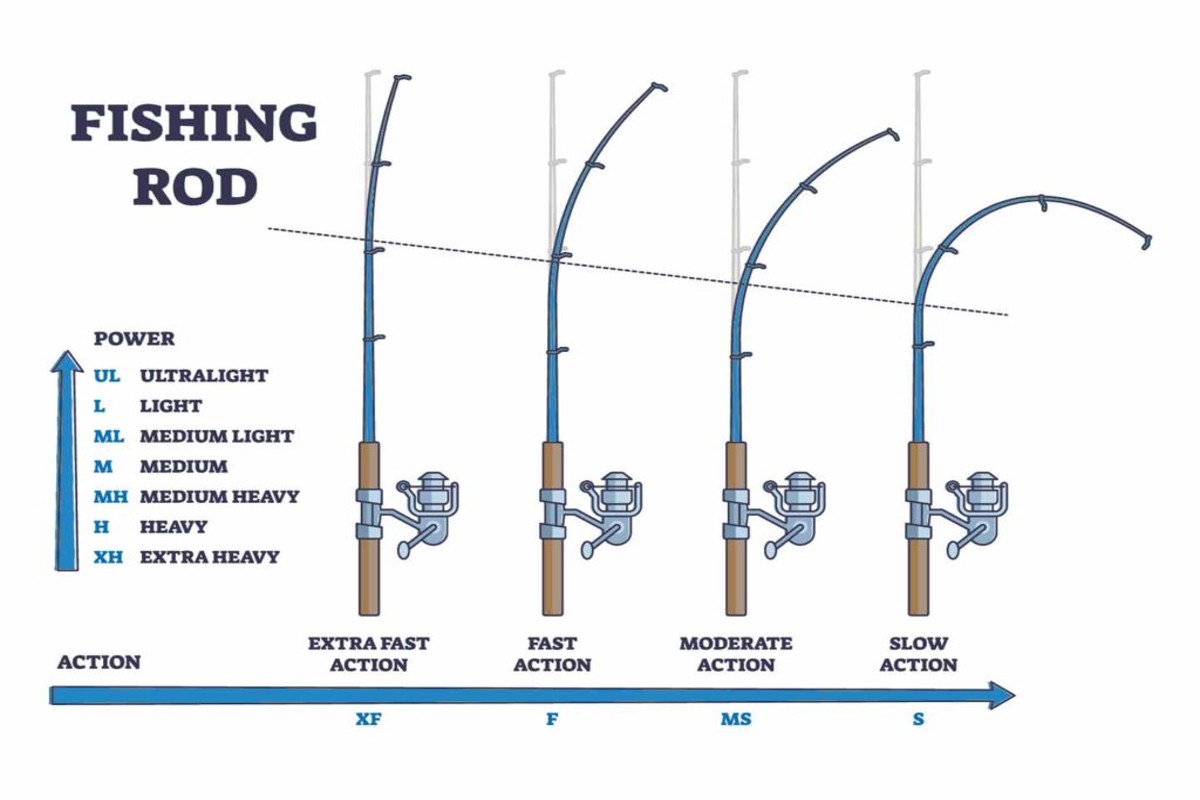
Next, checking rod flexibility is essential. A flexible rod can help absorb the shock when a fish bites, while a stiffer rod is better for powerful hooks. Bend your rod slightly to see how it behaves. If it feels right, you’re good to go.
Don’t forget to test the reel functionality. Spin the reel a few times and listen for any unusual sounds. If it feels smooth and quiet, you’re on the right track. A malfunctioning reel can ruin your day on the water.
Imagine standing at the water’s edge, ready to cast your line, only to find that your setup isn’t quite right. That’s why these checks matter. Take a few minutes to go through this checklist, and you’ll be all set for a great day of fishing.