
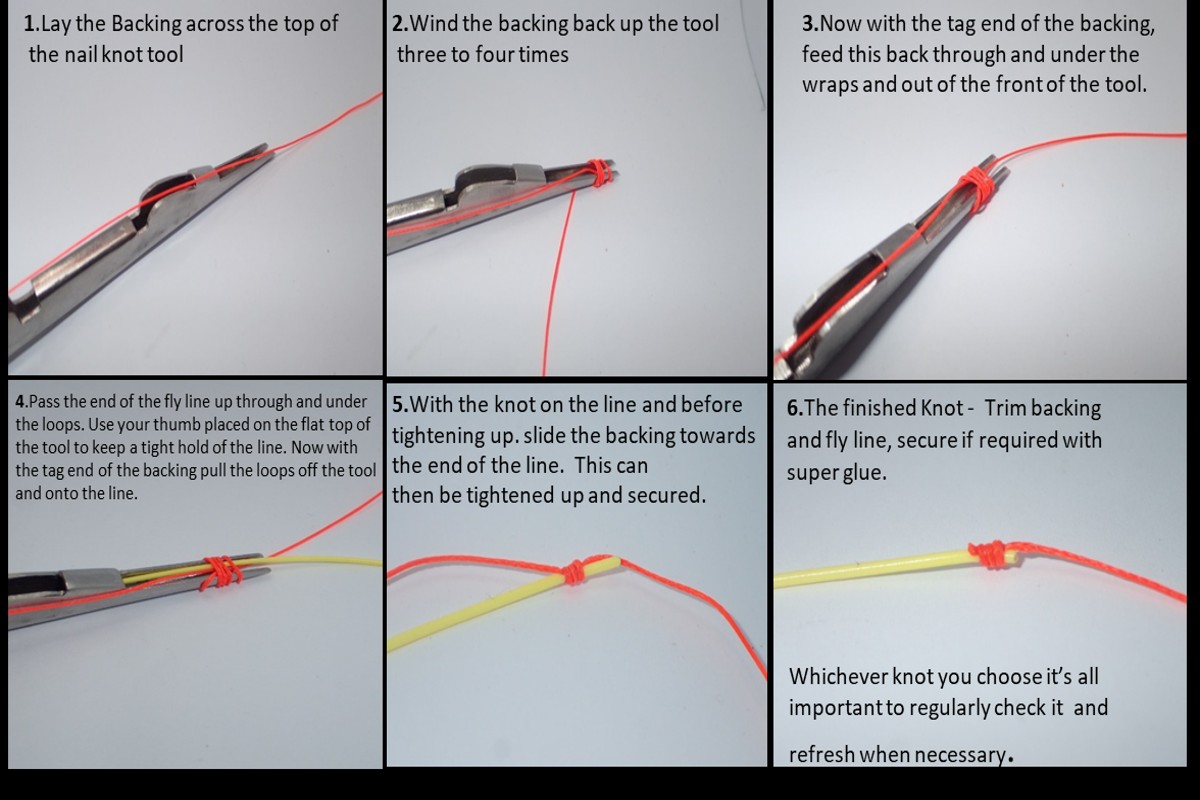
How To Set Up Line On A Fishing Rod involves threading the line through the guides and securing it to the reel. This process is essential for successful fishing, ensuring your line is properly positioned for casting and reeling in fish.
Whether you’re a beginner or an experienced angler, knowing how to set up your line correctly can make a big difference. A well-prepared rod helps improve your chances of a good catch and enhances your overall fishing experience.
Choosing the right fishing line is crucial for your success on the water. With so many options available, understanding the differences can help you make the best choice for your fishing style and conditions.

Choosing the Right Fishing Line
There are three main types of fishing lines: monofilament, braided, and fluorocarbon. Each has its pros and cons, making them suitable for different fishing scenarios.
Monofilament is the most common choice for beginners. It’s easy to handle, affordable, and has good stretch, which can help absorb shocks when fighting fish. However, it can be more visible in the water, which might scare off some fish.
Braided line is known for its incredible strength and thin diameter. This makes it perfect for heavy cover fishing where you need to pull fish out of weeds or other obstacles. While it’s less stretchy, its sensitivity allows you to feel even the slightest nibble. Just be aware that it can be more visible to fish.
Fluorocarbon line is nearly invisible underwater, making it a great option for clear water fishing. It’s also more abrasion-resistant than monofilament, which is a plus when fishing around rocks or sharp structures. However, it can be stiffer, which may require some adjustment in your casting technique.
Line Strength Ratings
When selecting a fishing line, pay attention to the strength ratings, typically measured in pounds. This tells you how much weight the line can handle before breaking. For example, if you’re targeting large bass, a line rated for 20-30 pounds is a good choice.
On the other hand, if you’re going after smaller panfish, you might only need a line rated for 4-8 pounds. Choosing the right strength ensures that you won’t lose your catch due to a line failure.
Best Line Types for Your Fishing Style
- Monofilament: Great for general use, beginners, and topwater techniques.
- Braided: Ideal for heavy cover, deep sea fishing, and when you need maximum sensitivity.
- Fluorocarbon: Best for finesse fishing, clear water conditions, and situations where stealth is key.
Before heading out, consider where and how you plan to fish. The right line will not only improve your chances of catching fish but also enhance your overall experience. Remember, knowing how to set up line on a fishing rod is just the first step; selecting the right line makes all the difference!
Before you get into the nitty-gritty of adding line to your fishing rod, you’ll want to make sure your rod and reel are ready to go. A little prep work here can save you frustration later.

Preparing the Fishing Rod and Reel
Getting your fishing rod and reel ready is essential for a smooth fishing experience. This step ensures that everything is functioning well, helping you avoid any surprises once you’re out on the water.
Start with inspecting the rod guides. These are the small loops along the rod that the fishing line passes through. Look for any cracks, bends, or dirt buildup. Even a tiny issue can affect your line’s performance, leading to tangles or breakage. If you spot something off, it’s better to address it now rather than during your fishing trip.
Next up is cleaning the reel. Over time, dirt and salt can accumulate, which may hinder the reel’s functionality. Use a soft cloth to wipe down the exterior, and consider using a brush to get into the nooks and crannies. You can also apply some oil to keep the gears running smoothly. A well-maintained reel can make all the difference in your casting distance and accuracy.
Setting the Drag Properly
Now, let’s talk about drag settings. The drag is what controls how much resistance fish feel when they pull on the line. If it’s set too tight, you risk breaking the line; if it’s too loose, you might lose that big catch. Adjust the drag by turning the knob on the reel. A good rule of thumb is to set it to about one-third of the line’s breaking strength. This way, you’ll have enough give to allow the fish to tire out without losing your tackle.
As you’re preparing, think about an example from the last time you went fishing. Maybe you recall losing a fish because your drag was too loose. By taking the time to prep your gear now, you’ll increase your chances of bringing home a nice catch next time. Remember, these small steps are part of how to set up line on a fishing rod effectively.
Getting the fishing line threaded through the guides on your rod is a straightforward but essential step. It sets the stage for a successful fishing trip, so let’s make sure you do it right.

Threading the Line Through Guides
Threading the line through the guides might seem simple, but there’s a method to it. Starting at the tip of the rod and being mindful of the line’s path can prevent frustrating tangles later on.
Begin at the tip of your rod. Take the end of your fishing line and insert it through the first guide, which is the one closest to the tip. This initial step is crucial, as it sets the trajectory for the remaining guides.
As you continue, make sure the line follows the correct path down the rod. Each guide should be threaded in order, moving from the tip to the base. This ensures that your line is aligned properly, allowing for smoother casting and retrieval.
It’s easy to accidentally twist the line as you thread it through the guides. To avoid this, keep a close eye on how the line moves through each guide. If you notice a twist, stop and correct it before moving on. A twisted line can lead to tangles that are both annoying and time-consuming to fix.
Imagine you’re out on the water, ready to cast your line, only to find it tangled. A bit of patience while threading can save you from this headache. Take your time, and don’t rush through this process.
Once you’ve threaded the line through all the guides, it’s a good practice to pull on the line gently to ensure everything is seated properly. This way, you’ll avoid any surprises when you cast your line out.
Remember, the smoother the line travels through the guides, the better your fishing experience will be. Being meticulous now will pay off later when you’re out on the water.
Attaching the line to your reel is a critical step in setting up your fishing rod. If done correctly, it ensures that your line will perform well and won’t let you down when you’re out on the water.
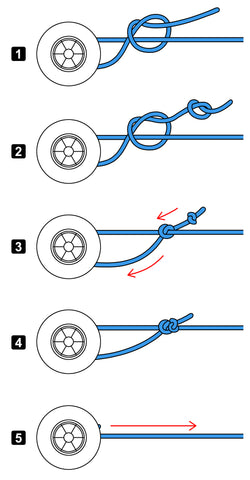
Attaching the Line to the Reel
To securely attach the fishing line to your reel spool, you’ll want to use a reliable knot and some smart spooling techniques. This will help prevent any mishaps while you’re reeling in the big catch.
The arbor knot is one of the best knots for attaching your line to the spool. It’s simple and effective. Just loop the line around the spool and tie the knot, ensuring it’s snug. This knot holds well, so you won’t have to worry about your line slipping off when you’re fighting a fish.
When you’re spooling the line, make sure it’s tight. If the line is loose, it can lead to tangles and twists later on. One trick is to keep some tension on the line as you reel it in. You can do this by having someone hold the spool or placing it on the ground with some weight on it. This way, you’re not just letting the line fall freely onto the spool.
Speaking of twists, checking for line twist is essential. If your line is twisted as you spool it, it can create havoc when casting. A simple way to check is to hold the line above the reel and let it dangle. If it spins or twists, you might need to let it unwind before attaching it to the spool.
Imagine you’re out on the lake, waiting for a bite. You cast your line, only to realize that your setup was off, and you’ve got a mess on your hands. By paying attention to these details during the setup process, you can avoid those frustrating moments and enjoy a smoother fishing experience.
Always remember to periodically check your line tension while reeling in. A well-attached line will serve you better, so take the time to get it right when learning how to set up line on a fishing rod.
Getting the right line tension and length is crucial for your fishing success. If you don’t set these correctly, you might miss out on a big catch or struggle with your setup. Let’s dive into how to adjust them properly.
Adjusting Line Tension and Length
Line tension and length can make or break your fishing experience. Whether you’re casting for trout in a stream or targeting bass in a lake, finding the sweet spot is essential for effective fishing.
First, let’s talk about determining the right line length. The length of your fishing line should match the type of fishing you’re doing. For instance, if you’re fishing in shallow waters, a shorter line might suffice. However, if you’re deep-sea fishing, you’ll want a longer line that can reach the depths where the fish are. A good rule of thumb is to have at least twice the depth of water in line length.
Next, adjusting the tension can vary based on the technique you’re using. When you’re fly fishing, for example, you typically want more slack in your line to allow for a natural drift. On the other hand, if you’re using a spinning reel for bass fishing, you’ll want tighter tension to ensure a solid hook set. Each technique has its own ideal tension, so pay attention to how the line behaves as you cast.
The Importance of Line Slack
Line slack is often overlooked but can be a game changer. Too much slack might mean you miss the bite, while too little can cause your bait to act unnaturally. Aim for just the right amount of slack to keep your bait moving naturally while still being able to feel any nibbles.
For example, imagine you’re out on a boat, casting for trout. If your line is too tight, the trout might sense something’s off and swim away. On the flip side, if you have too much slack, you won’t be able to feel the fish biting. Finding that balance is key.
As you practice adjusting line tension and length, you’ll become more attuned to what works best for your fishing style. Don’t hesitate to experiment a bit to find that perfect setup that helps you land more fish. Happy fishing!
Once you’ve set up your fishing line, it’s essential to ensure everything is in top shape before you hit the water. A few final checks can make a significant difference in your fishing experience. Let’s dive into those crucial last steps.
Final Checks and Tips
These final checks won’t take long but could save you from frustration on your fishing trip. Ensuring your knots, connections, and drag settings are all perfect is key to a successful outing.
First, double-check your knots and connections. Make sure every knot is tight and secure. A poorly tied knot could easily lead to a lost catch. If you’re using swivels or clips, ensure they’re properly attached. For example, if you tie a Palomar knot, make sure it’s cinched down correctly. You don’t want your line snapping at the worst moment!
Next up, test your drag settings. Your reel’s drag system should allow your line to give under pressure, preventing breakage. Pull on the line to see how it responds. If it feels too loose or too tight, adjust it accordingly. A good drag setting can mean the difference between landing a big one or watching it swim away.
Regular maintenance is also crucial for keeping your fishing gear in peak condition. Clean your reel after each trip to remove salt or dirt. This will prolong its life and ensure smooth operation. Lubricate moving parts as needed, and check for any wear and tear on your line. Replacing worn-out line regularly will help avoid unexpected breakages while fishing.
Remember, taking a few extra minutes to perform these final checks can enhance your fishing experience. You’ll feel more confident, and you’ll be better prepared for whatever the day brings. Happy fishing!