
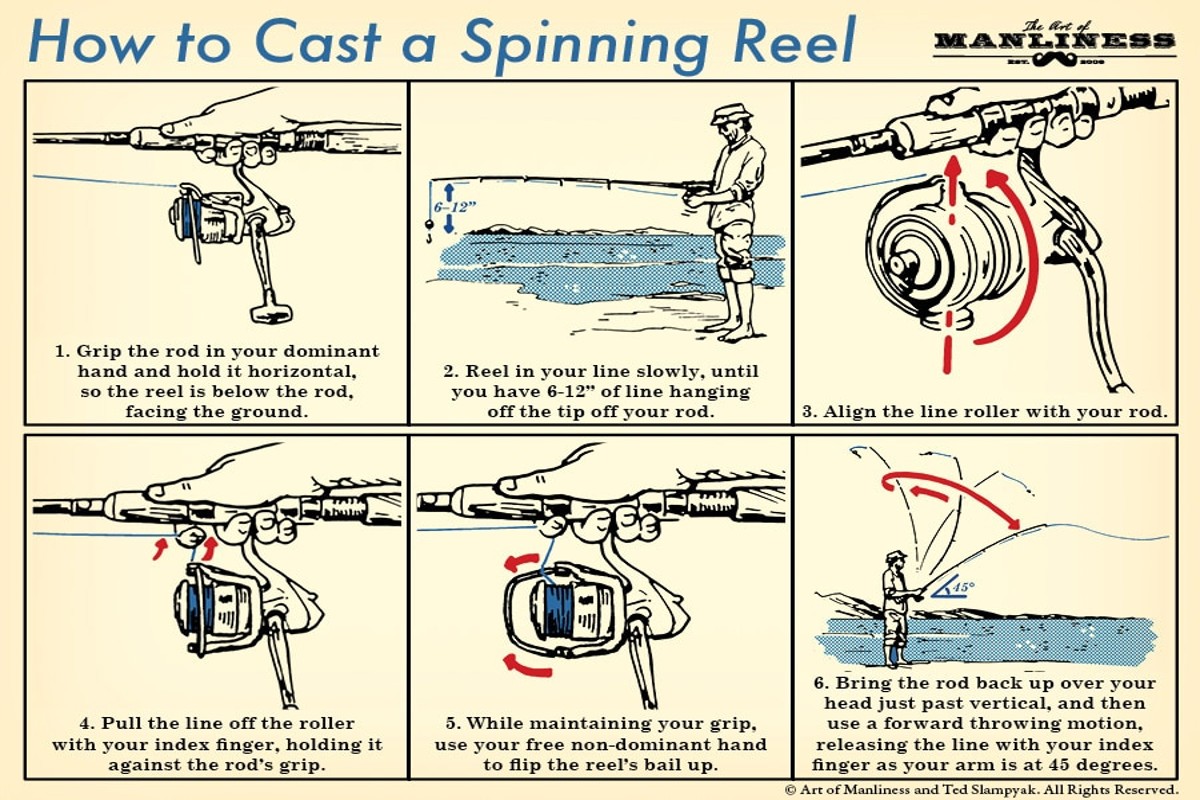
How To Reel Fishing Rod involves mastering the techniques of retrieving your line effectively. This skill is crucial for catching fish and ensuring a smooth fishing experience.
When you’re out on the water, knowing how to reel in your catch can make all the difference. Whether you’re a beginner or an experienced angler, mastering these techniques can enhance your fishing trips and improve your success rate.
When you’re out on the water, understanding your fishing rod’s components can make all the difference in your reeling technique. Let’s break down the key parts that impact how you reel in that big catch.

Understanding Fishing Rod Components
Your fishing rod isn’t just a stick; it’s a carefully designed tool that influences your success. Knowing how each part works can enhance your reeling skills and make your fishing trips more enjoyable.
First, let’s talk about rod length and flexibility. A longer rod gives you more casting distance, while a shorter rod offers better control. The flexibility, or action, of the rod affects how it bends when you hook a fish. For instance, if you’re targeting larger species, you might want a stiffer rod for better leverage when reeling them in.
Next up are the reel types and their functions. There are primarily spinning reels and baitcasting reels. Spinning reels are user-friendly and great for beginners, while baitcasting reels offer more control and are preferred by experienced anglers for heavier lures. Choosing the right reel can drastically affect how you reel in your catch.
Line Guides and Their Importance
Line guides may seem minor, but they play a crucial role. These little rings help direct your fishing line smoothly along the rod. If the line doesn’t glide properly, it can create friction, making it harder to reel in. Properly aligned guides will enhance your casting distance and accuracy.
So, next time you’re gearing up for a fishing trip, pay attention to your rod’s components. A little knowledge about how they work together can improve your reeling technique and help you land that prized catch. You’ll be amazed at how much easier it is when you understand how to reel fishing rod effectively!
Choosing the right reel can make a world of difference in your fishing experience. Whether you’re casting from the shore or deep in a boat, the right gear helps you reel in that big catch.

Choosing the Right Reel
Your fishing style dictates which reel you should select. Understanding the differences between spinning and baitcasting reels, matching the reel size to your rod, and grasping gear ratios will set you up for success.
First off, let’s look at spinning and baitcasting reels. Spinning reels are user-friendly and great for beginners. They excel in light line applications and are perfect for finesse fishing. On the other hand, baitcasting reels offer more precision and control, making them ideal for experienced anglers targeting larger species. If you want to throw heavier lures, a baitcaster might be your best bet.
Next, matching your reel size to your rod is crucial. A lightweight rod paired with a heavy reel can throw off your balance, making it harder to cast accurately. For instance, if you’re using a medium-action rod, a medium-sized reel will usually complement it well. This balance helps you maintain control and improves your overall fishing experience.
Understanding Gear Ratios
Gear ratios play a big role in how quickly you can reel in your catch. A gear ratio of 6:1 means that for every turn of the handle, the spool rotates six times. Higher ratios let you retrieve line faster, which is helpful when you need to catch up to a fish that’s running. But if you’re targeting larger species that require more muscle, a lower gear ratio might be beneficial for more torque and control.
Imagine you’re fishing for bass in a local lake with a spinning reel. You’ve matched your medium-action rod with a medium reel and a gear ratio of 5:1. As you cast your lure, you notice how easy it is to manage your line and respond quickly when a fish bites. This setup not only enhances your performance but also makes the experience more enjoyable.
Choosing the right reel isn’t just about personal preference; it’s about enhancing your fishing game. Pay attention to these details, and you’ll find the perfect match for your fishing rod and style.
Getting the hang of reeling in fish can make or break your fishing experience. Mastering the basics will help you reel in that big catch with confidence. Let’s dive into some fundamental techniques that’ll set you up for success.
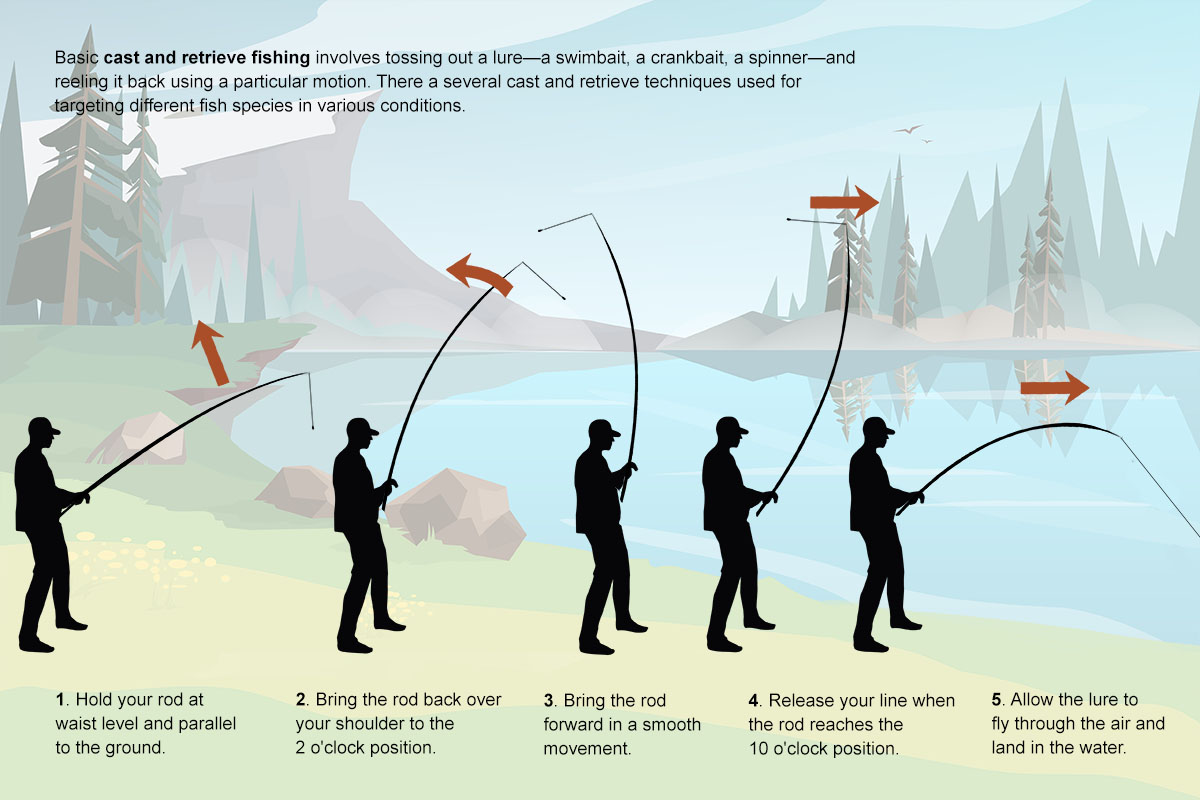
Basic Reeling Techniques
Understanding basic reeling techniques is essential for every angler. These simple skills can enhance your efficiency and improve your overall fishing experience.
First off, proper hand positioning is crucial. You’ll want to grip the rod firmly with your dominant hand while using your other hand to turn the reel’s handle. This grip allows for better control and stability, especially when you’re fighting a fish. Think of it like holding onto a bicycle; a good grip makes all the difference in maneuvering.
Next, let’s talk about the drag system. This feature on your reel lets you control how much resistance a fish feels when pulling on your line. Adjusting the drag properly can prevent your line from breaking if a fish makes a sudden dash. A good rule of thumb is to set it so that it allows the fish to run without too much resistance, but not so loose that it won’t tire them out.
Finally, pay attention to your reeling speed and rhythm. It’s not just about cranking the handle as fast as you can. Instead, you want to match your reeling speed with the fish’s movement. If the fish is swimming toward you, slow down a bit. If they’re running away, pick up the pace. Finding that sweet spot can mean the difference between landing a fish or losing it.
For example, picture yourself on a sunny afternoon, feeling a tug on your line. As you start reeling in, you adjust your drag just right and keep your hand steady. You notice the fish darting toward you, so you ease up on the reel speed, allowing it to tire out before bringing it closer to the boat. That careful balance is what makes reeling effective!
Practice these techniques regularly, and you’ll notice a huge difference in your catch rate. Mastering how to reel fishing rod techniques can turn a good day of fishing into a great one!
When you’re out on the water, mastering your reeling technique can make all the difference. However, many anglers trip up on some common mistakes that can ruin their chances of landing that big catch.

Common Mistakes to Avoid
Avoiding the common pitfalls while reeling will enhance your fishing experience. Let’s dive into some frequent errors that can hinder your success.
One of the biggest mistakes is reeling too fast or slow. If you reel in too quickly, you risk losing the fish, as they might not be hooked properly. On the other hand, reeling too slowly can give the fish time to shake off the hook. Finding that sweet spot is key, and practicing will help you get a feel for the right pace. Imagine you’re reeling in a trout; if you pull too fast, it might just spit the hook out before you know it!
Another common error is over-tightening the drag. While it might seem like a good idea to keep that line tight, doing so can actually lead to breakage. A fish can make sudden movements, and if the drag isn’t set right, you’ll either lose the catch or damage your gear. Instead, adjust the drag to a point that allows some give, ensuring a balance between tension and flexibility.
Lastly, neglecting line tension is a mistake many anglers overlook. If there’s too much slack in your line, the fish might sense something’s off and swim away. Keeping a taut line helps you feel any bites, making it easier to set the hook when the time is right. Just remember, a straight line is a happy line!
Next time you’re on the water, pay attention to your reeling technique. Avoid these mistakes, and you might just find yourself reeling in more fish than ever before. Happy fishing!
Once you’ve mastered the basics of reeling, it’s time to level up your game. Advanced reeling techniques can make all the difference when you’re out on the water, targeting those elusive fish. Let’s dive into some methods that can give you an edge.
Advanced Reeling Techniques
These techniques are designed for anglers who want to refine their skills and adapt to different fishing conditions. Using a combination of timing, rod action, and an understanding of fish behavior can significantly improve your catch rate.
The pause and reel method is one of the most effective techniques in your arsenal. This involves reeling in your line, then pausing for a moment before reeling again. The pause mimics the natural movement of prey, making it irresistible to fish. You might find that when you’re targeting bass, this technique can trigger strikes when they’re feeling cautious.
Next, consider using rod action to your advantage. Each fishing rod has its own action—whether it’s fast, medium, or slow—which affects how your lure moves through the water. By understanding your rod’s characteristics, you can tailor your reeling technique to create more enticing movements. For instance, a fast action rod can help you impart more action on a soft plastic lure, while a slower action rod might be better for finesse techniques.
Adjusting Techniques for Different Fish Species
Different species of fish require different approaches when it comes to reeling. For example, when fishing for trout, you might want to use a slow retrieve with frequent pauses, allowing the lure to sink slightly before reeling. On the other hand, if you’re after pike, a faster, more aggressive retrieve could work wonders, mimicking a fleeing baitfish.
Don’t forget to observe how fish are reacting to your presentation. If they seem uninterested, try changing your technique. It’s all about being adaptable and responsive to the conditions and the fish’s behavior.
Next time you’re out on the water, think about incorporating these advanced reeling techniques. You’ll likely find that they not only improve your success rate but also make your fishing experience more enjoyable. Happy fishing!
Taking care of your fishing rod and reel is crucial for maximizing their lifespan. Regular maintenance can save you money and improve your fishing experience. Here are some simple tips to help you keep your gear in top shape.

Maintenance Tips for Your Rod and Reel
Proper maintenance of your fishing equipment not only enhances performance but also ensures that you’re ready for your next fishing adventure. A little effort goes a long way in extending the life of your gear.
First off, cleaning your rod and reel after each use is essential. Saltwater, dirt, and grime can accumulate quickly and lead to corrosion or damage. A quick rinse with fresh water will do wonders. After rinsing, dry your gear with a soft cloth to prevent moisture buildup.
Next, don’t forget to inspect your equipment for any signs of wear and tear. Look for frayed lines, rusted components, or cracks in your rod. If you spot something, address it immediately to avoid bigger issues down the line. For instance, a small crack in your rod can lead to a complete break when you’re fighting a big fish.
Lastly, proper storage practices can significantly impact the longevity of your fishing gear. Store your rod in a protective case or rack to avoid unnecessary bends and breaks. Make sure your reel is in a cool, dry place and free from dust. Keeping your gear organized not only protects it but also makes it easier to grab and go when you’re ready to fish.
Remember, a little maintenance goes a long way. Taking these simple steps will ensure your rod and reel remain in excellent condition, ready to tackle your next fishing trip. You’ll be glad you did when you reel in that trophy fish!