
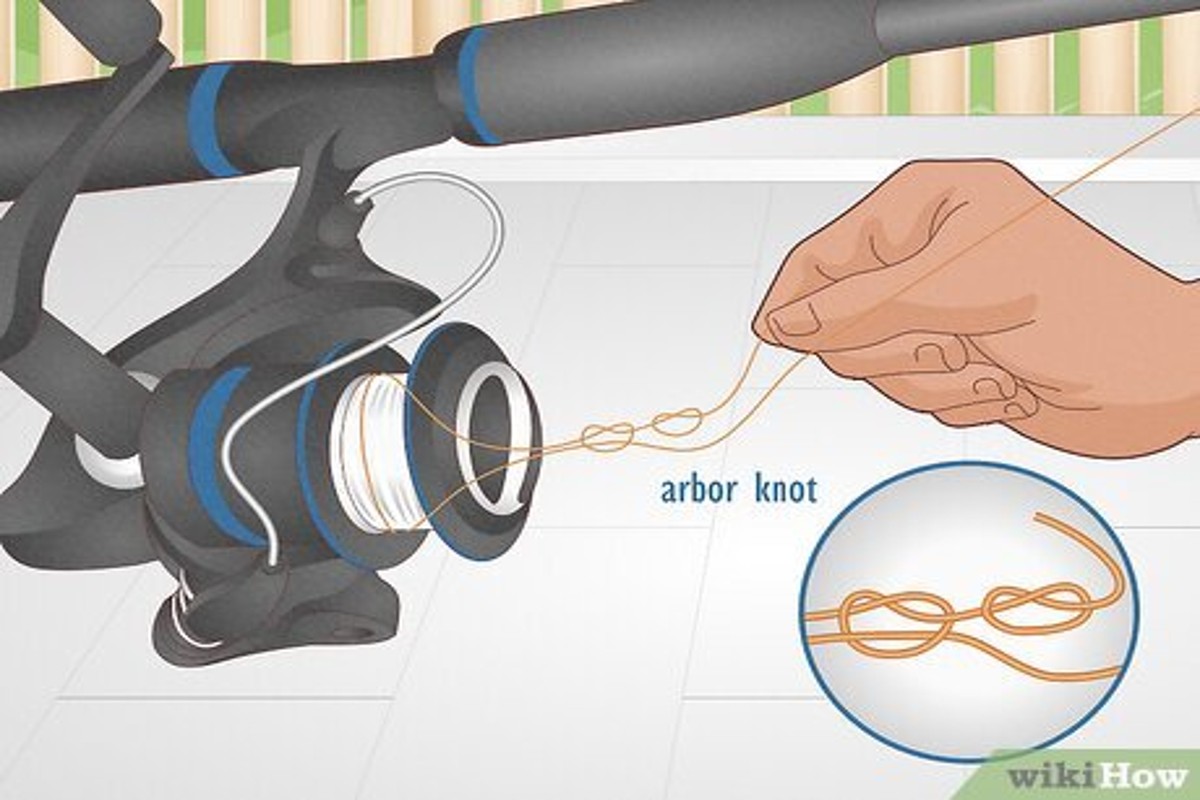
How To Put Line On Fishing Rod involves understanding the basic steps and techniques for spooling line correctly. This ensures better casting and fishing success.
Whether you’re a beginner or an experienced angler, knowing how to properly put line on your fishing rod can significantly improve your time on the water. A well-spooled line reduces tangles and enhances your ability to catch fish effectively.
Choosing the right fishing line can make all the difference in your fishing experience. With various types available, knowing which one suits your needs is essential for success on the water.

Choosing the Right Fishing Line
Different fishing lines offer unique advantages, so understanding their characteristics is key. Whether you’re going for monofilament, braid, or fluorocarbon, each type serves specific purposes based on your fishing style and conditions.
Monofilament line is a popular choice for many anglers. It’s versatile and easy to handle, making it great for beginners. This line stretches under pressure, which can help absorb shock when fighting a fish. However, it can be less sensitive than other types, so you might miss subtle bites.
Braid, on the other hand, is known for its strength and thin diameter. This means you’ll get more line capacity on your reel without adding bulk. It’s also incredibly sensitive, allowing you to feel even the lightest nibble. However, it’s less forgiving than monofilament, and you may want to use a leader to protect your tackle from abrasion.
Fluorocarbon is often hailed for its invisibility underwater, which can be a game-changer in clear water situations. It sinks faster than monofilament, making it ideal for techniques that require quick depth changes. But keep in mind, it can be more expensive and less manageable than the other two.
Line Strength and Diameter
When choosing your fishing line, consider the line strength and diameter. Stronger lines allow you to catch bigger fish, but they often come with a thicker diameter, which can affect how your lure moves in the water. For example, if you’re targeting bass in heavy cover, you’ll need a strong line that can withstand snags while still being able to present your bait effectively.
Choosing Line Based on Fishing Technique
Your fishing technique plays a significant role in your line choice. If you’re casting light lures for trout, you might prefer monofilament for its ease of use and stretch. Conversely, if you’re jigging for deep-water species, a braided line could be your best bet for its sensitivity and strength.
Remember, the right line can enhance your fishing experience. Experimenting with different types can help you find what works best for your style and the conditions you encounter. So, as you learn how to put line on your fishing rod, keep these factors in mind to maximize your success on the water.
Before you add line to your fishing rod, it’s essential to prepare your fishing reel properly. Taking the time to inspect and clean your reel can make a big difference in your fishing experience.

Preparing Your Fishing Reel
Getting your fishing reel ready is the first step in ensuring a smooth line application. A well-maintained reel not only functions better but also helps you avoid complications when you’re out on the water.
Start by inspecting all the reel components. Look for any signs of wear, corrosion, or damage. Pay special attention to the bail arm, spool, and drag system. If anything seems off, it may need replacement or repair.
Next, cleaning and lubricating your reel is crucial. Use a soft cloth to wipe down the exterior and remove any dirt or grime. For the internal parts, a bit of reel cleaner and a soft brush can work wonders. After cleaning, apply a suitable reel lubricant to ensure smooth operation. This helps prevent rust and extends the life of your gear.
Understanding Drag Settings
Now, let’s talk about drag settings. Understanding how your drag works is key to controlling your catch. Adjusting the drag can help you avoid breaking your line when you’re reeling in a big fish. A good rule of thumb is to set your drag at about one-third of the breaking strength of your line.
Imagine you’re out fishing, and you hook into a hefty bass. If your drag is too tight, the line might snap as the fish makes a run. But if it’s too loose, you risk losing your catch altogether. Finding that sweet spot is crucial.
Once you’ve inspected, cleaned, and set your drag, you’re ready to add line to your fishing rod. Proper preparation makes the process smoother and sets you up for a successful day on the water.
Getting the line spooled onto your reel properly is crucial for a successful fishing trip. A well-spooled line can make all the difference in your casting and overall fishing experience.
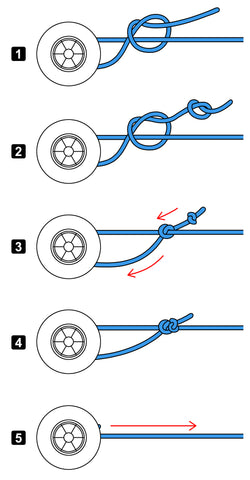
Spooling the Line onto the Reel
Spooling line onto your fishing reel doesn’t have to be a hassle. With the right technique, you can ensure that your line is set up perfectly, reducing the chances of tangles and twists while you’re out on the water.
First, you’ll want to align the line with the spool. This means placing the spool of line on a flat surface so that the line unwinds in the same direction that the reel will spool it on. If the line is winding the wrong way, you’ll end up with a tangled mess.
Next, you can choose between using a line spooler or hand spooling. A line spooler can save you time and effort, making the process smoother and more efficient. If you don’t have one, that’s okay; hand spooling works just fine too. Just make sure you’re holding the line taut as you reel it in.
One of the biggest headaches anglers face is line twists and tangles. To avoid this, pay attention to the way the line comes off the spool. If you see any twists, stop and fix them before continuing. A little patience here goes a long way.
Imagine you’re out on your favorite fishing spot, casting your line, and suddenly, you find yourself dealing with a massive tangle. That’s the last thing you want! By spooling correctly, you can focus on fishing rather than untangling line.
Finally, make sure to fill the spool to the proper level. An overfilled spool can lead to more tangles, and an underfilled one won’t cast as well. You want just the right amount of line on your reel.
So, remember, aligning the line correctly, choosing the right spooling method, and keeping an eye on twists can make your fishing experience much more enjoyable. Happy fishing!
When you’re gearing up to fish, knowing how to tie the right knots can make all the difference. Not only do they secure your line to the reel and lures, but they also help you land that big catch. Let’s dive into a few essential knot tying techniques that every angler should know.

Knot Tying Techniques
Mastering a few key knots will enhance your fishing experience and increase your chances of success. Here are three knots you should definitely learn: the improved clinch knot, the Palomar knot, and the loop knot for lures.
The improved clinch knot is a classic choice for securing your fishing line to the reel or a hook. It’s simple and effective. First, thread the line through the eye of the hook, then wrap it around the standing line five to seven times. Finally, pass the end of the line through the loop you just created and pull it tight. This knot holds up well against strong pulls, making it a go-to for many anglers.
Next up is the Palomar knot, known for its strength and reliability. Start by doubling your line and passing it through the hook’s eye. Then, tie an overhand knot with the doubled line, but don’t pull it tight just yet. Instead, pass the hook through the loop of the knot and then pull tight. This knot is particularly useful when using heavier lines, as it can handle the strain without slipping.
Finally, let’s talk about the loop knot for lures. This knot allows your lure to move freely, mimicking the natural movement of prey. To tie a loop knot, form a loop in the line and wrap the tag end around the standing line three to five times. Then, pass the tag end through the loop and pull tight. This gives your lure more action in the water, which can attract more fish.
For a practical tip, always wet your knots before tightening them. This reduces friction and helps prevent damage to your line. Remember, knowing how to put line on fishing rod is only part of the equation; mastering these knots will help you reel in that trophy catch!
Before you hit the water, testing your setup is crucial. You want to ensure everything’s working smoothly so you can focus on catching fish instead of dealing with equipment issues.
Testing the Setup
Testing your line setup isn’t just a good idea; it’s essential for a successful day of fishing. By checking your line tension, practicing your casting, and identifying any potential issues, you’ll set yourself up for a better experience on the water.
First up, checking line tension is key. You want your line to be taut but not too tight. If it’s too loose, you risk tangles and knots. If it’s too tight, you can cause unnecessary strain on your rod and reel. A good rule of thumb is to pull the line with moderate pressure; it should feel firm yet flexible.
Next, take some time to practice your casting. Find an open area and make a few casts to get a feel for how the line behaves. Pay attention to how smoothly it flows off the reel. If you notice any snags or erratic movements, it could indicate a problem with your line or the way it’s spooled. For instance, I once casted with a poorly spooled line and ended up with a massive bird’s nest that took ages to untangle!
Finally, identify any potential issues before you set out. Look for frays or weak spots along the line. If you notice any, it might be time to replace your line. A small wear can lead to a bigger problem when you’re reeling in a big catch.
Remember, a little prep work goes a long way. Taking the time to thoroughly test your line setup ensures that when you finally do cast your line, you’re ready for whatever bites. Happy fishing!
Maintaining your fishing line and reel is essential for a successful day on the water. Proper care extends the lifespan of your gear and improves your fishing experience. Let’s dive into some best practices for keeping your fishing line in top shape.

Maintenance and Care for Your Fishing Line
Caring for your fishing line isn’t just about replacing it when it breaks. Regular maintenance can prevent many common issues, ensuring that your line and reel perform optimally whenever you’re ready to cast.
First off, regular cleaning is key. After every fishing trip, take a moment to wipe down your reel and line with a soft cloth. This simple step removes dirt, salt, and debris that can wear down your gear over time. If you’ve been fishing in saltwater, consider rinsing your reel with fresh water to prevent corrosion.
When it comes to storage, avoid leaving your fishing line in direct sunlight for extended periods. Ultraviolet rays can weaken the line, making it more prone to breaking. Instead, store your rod in a cool, dry place, preferably in a rod holder or a protective case. Keeping your gear organized helps prevent tangles and damage.
Another important aspect is knowing when to replace your fishing line. As a rule of thumb, if you notice any fraying, discoloration, or if your line has been on the reel for more than a year without use, it’s time for a change. Depending on how often you fish, you might need to replace it more frequently. For example, if you’re an avid angler who fishes weekly, consider changing your line every few months.
Be mindful of the type of line you’re using, too. Monofilament lines can stretch over time, affecting sensitivity and hook-setting. Fluorocarbon lines, while more durable, can become brittle if not cared for properly. Always inspect your line before heading out to ensure it’s ready for the challenge.
One practical tip is to create a maintenance schedule. Set reminders on your phone for cleaning and checking your line every few weeks. This way, you’ll stay ahead of any issues that might arise. Keeping your gear in top shape means you’ll spend more time fishing and less time dealing with equipment problems.