
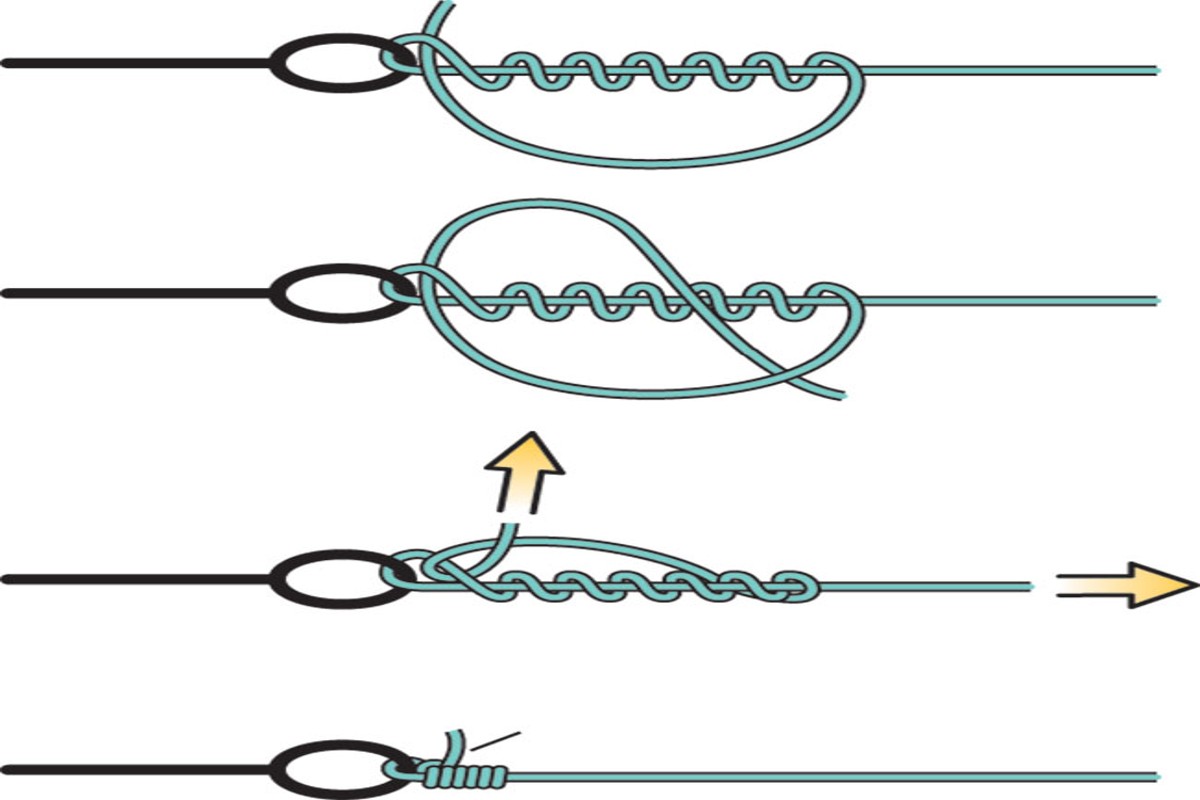
How To Tie A Hook Onto A Fishing Rod involves securing the hook to the line for effective fishing. This process is crucial for anglers to ensure that the bait stays attached and attracts fish.
Whether you’re a beginner or a seasoned fisher, knowing how to properly tie a hook can make or break your fishing trip. A well-tied hook enhances your chances of catching fish, making it an essential skill for anyone who enjoys the sport.
Before you can tie a hook onto your fishing rod, you’ll need a few essential tools. Having the right gear makes the process smoother and ensures you’re ready for a successful day on the water.

Essential Tools for Hook Tying
To tie a hook effectively, you need just a few basic tools. Each one plays a crucial role in ensuring your tackle is ready for action.
First up is the fishing line. You’ll want to choose a line that’s appropriate for the type of fishing you plan to do. Whether you’re targeting bass or trout, the right line can make all the difference.
Next, you’ll need hooks of various sizes. Different fish species require different hook sizes, so having an assortment helps you adapt to whatever’s biting. Imagine you’re at your favorite fishing spot, and the fish are hitting on a size 2 hook. If you only have larger hooks, you might miss out on a great catch!
Lastly, don’t forget about scissors or line cutters. A clean cut is vital for a secure knot, and having a sharp tool on hand makes your job a lot easier. You don’t want to struggle with frayed line when you’re trying to get your hook tied quickly.
Having these tools ready will help you master how to tie a hook onto a fishing rod with confidence. You’ll be well on your way to enjoying a productive day on the water!
Choosing the right knot is crucial when you’re figuring out how to tie a hook onto a fishing rod. The knot you select can make a big difference in your fishing success. Let’s dive into some of the best knots that will keep your hook secure.
Choosing the Right Knot
Different knots serve different purposes, and knowing which one to use can save you from losing that big catch. The improved clinch knot, Palomar knot, and loop knot are three popular options that cater to various fishing scenarios.
The improved clinch knot is a classic choice that’s simple and effective. It’s great for attaching hooks to fishing lines because it provides excellent strength and reliability. To tie this knot, you thread the line through the hook eye, wrap it around the standing line several times, and then pass the end back through the loop. Tighten it down, and you’re set!
Next up is the Palomar knot, which is known for its strength and ease of tying. This knot is particularly useful when you’re working with braided lines. To tie a Palomar knot, double the line and pass it through the hook eye. Next, tie an overhand knot with the doubled line, but don’t pull it tight just yet. Pass the hook through the loop you created and then tighten it down. This knot is a go-to for many anglers, especially when targeting larger fish.
Lastly, the loop knot offers flexibility, making it a great choice for lures. This knot allows your lure to move freely, creating a more natural presentation to fish. To tie a loop knot, create a simple loop in your line and pass the end through the loop twice before pulling it tight. This knot is perfect when you’re aiming for finesse in your fishing technique.
Take some time to practice these knots before your next fishing trip. Getting comfortable with them will boost your confidence and help ensure that your hook stays secure when it matters most. Whether you’re out on a boat or standing by the shore, knowing how to tie a hook onto a fishing rod with the right knot can make all the difference in your fishing experience.
Tying a hook onto a fishing rod might seem tricky at first, but with a little practice, you’ll be doing it like a pro. Follow these simple steps to ensure your hook is secure and ready for your next fishing adventure.

Step-by-Step Guide to Tying a Hook
This guide breaks down the process of tying a hook into easy steps. You’ll learn how to properly attach a hook, making sure it can withstand the pull of a big catch.
First, start by threading the line through the hook eye. Take the end of your fishing line and push it through the small hole at the base of the hook. Make sure to pull enough line through so you have some length to work with.
Next, wrap the line around itself. Take the long end of the line and wrap it around the standing line (the part still attached to your reel) about five to seven times. This creates a secure knot that will hold the hook in place.
After wrapping, it’s time to pull tight. Take the end of the line and gently pull it to tighten the wraps. Make sure the knot is snug, but avoid pulling too hard, as this can weaken the line. Once it’s tight, trim any excess line with scissors or a line cutter.
For example, imagine you’re out on a quiet lake, and you finally feel a tug on your line. If your hook isn’t tied properly, that fish won’t stand a chance. But with these steps, you’ll have the confidence to reel in that big catch.
Always remember to check your knot before casting. A well-tied hook can make all the difference in your fishing success.
Tying a hook onto your fishing rod might seem simple, but there are common mistakes that can cost you the catch of the day. Avoiding these errors can make all the difference in your fishing experience.
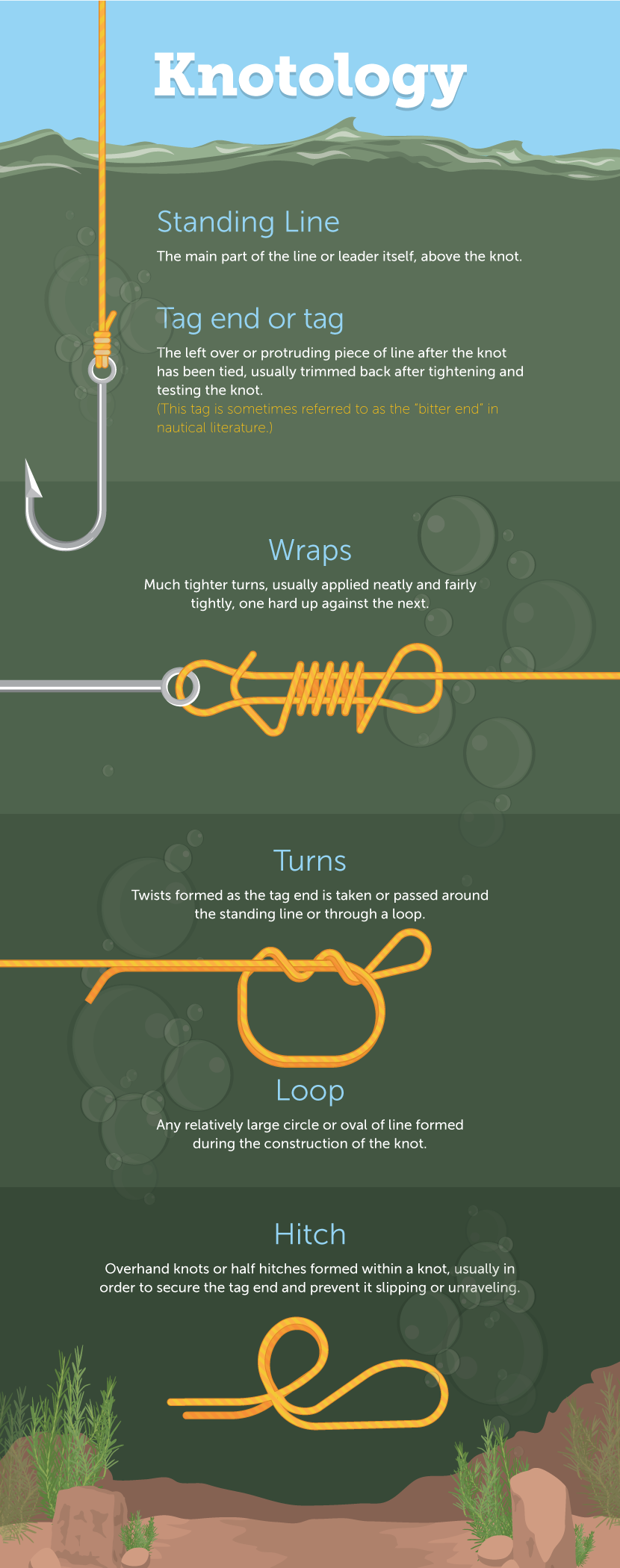
Common Mistakes to Avoid
When you’re learning how to tie a hook onto a fishing rod, it’s easy to overlook some key details. By being aware of typical mistakes, you can enhance your technique and increase your chances of success.
One significant error is using the wrong knot. Different knots serve different purposes, and choosing one that doesn’t suit your fishing style can lead to a frustrating day on the water. For instance, the improved clinch knot is great for securing hooks, but if you’re using a heavy lure, you might need something sturdier like the Palomar knot.
Another common mistake is not wetting the line before tightening the knot. This simple step can help prevent friction burns and ensure a stronger hold. Imagine you’re in a great fishing spot, and after a few casts, your line snaps because you skipped this crucial step. You definitely don’t want to lose a big fish because of a little oversight!
Finally, leaving too much slack can also ruin your chances. If your line isn’t taut, you risk losing sensitivity and missing out on those subtle bites. When you’re out there, you want to feel every nibble, so make sure to pull the line tight before securing your knot.
Next time you’re gearing up, remember these tips. Being mindful of your knot choice, wetting your line, and keeping it taut can make a world of difference in your fishing adventures. Happy fishing!
Before you head out on the water, it’s crucial to ensure your knot is strong and secure. A weak knot can lead to missed catches or even lost gear, which is the last thing you want. Here’s how to test your knot strength effectively.
Testing Your Knot Strength
Testing your knot strength is a simple but essential step. You want to make sure that everything is tightly secured before you cast your line. A reliable knot will not only hold your hook but also withstand the pull of a big fish.
First, gently pull the line to check for any movement. You’re looking for any signs that the knot might be loose. A well-tied knot should feel firm and shouldn’t budge when you apply tension.
Next, check for slippage. This is when the knot appears to hold but actually shifts when pressure is applied. If you notice any slippage, you might want to retie your knot. Remember, you don’t want to risk losing your catch because of a faulty connection.
After you’ve pulled the line and checked for slippage, perform a strength test. This involves giving the line a solid tug, simulating what it would feel like when a fish bites. If the knot holds firm, you’re good to go. If not, it’s time to start over and make sure that you’ve tied it correctly.
For example, imagine you’re out on your favorite lake, and you finally hook a big bass. As you reel it in, you feel the line pulling hard—but suddenly, the knot slips, and the fish is gone. That’s a frustrating experience that can be easily avoided by ensuring your knot is strong before you start fishing.
A quick tip: always moisten your knot before tightening it. This can help prevent friction that might weaken the line. Taking just a few moments to test your knot can make all the difference when you’re learning how to tie a hook onto a fishing rod.
Fishing can be a rewarding experience, but a few extra tips can make a big difference in your success. By fine-tuning your approach, you can enhance both your technique and your enjoyment out on the water.
Additional Tips for Successful Fishing
When you’re out fishing, small adjustments can lead to better results. Here are some essential tips that can help you maximize your time and catch more fish.
First, always match your hook size to your bait. Using the right size hook ensures that your bait looks natural in the water and increases your chances of attracting fish. For example, if you’re using live worms, a smaller hook is typically more effective than a large one. Think about what the fish are naturally eating in that area.
Next, consider the water conditions. Factors like temperature, clarity, and current can all affect fish behavior. If the water is murky, using a brightly colored bait can help fish find it more easily. On the other hand, in clear water, subtle and natural colors often work better. Pay attention to the environment, and adjust your strategy accordingly.
Another vital tip is to practice tying knots regularly. Mastering different knots can improve your confidence and efficiency when fishing. For instance, the Palomar knot is a favorite among many anglers because it’s strong and easy to tie. The more comfortable you are with tying knots, the smoother your fishing experience will be.
Lastly, always keep your tackle box organized. An organized setup means you can easily access what you need when your next big catch bites. This can save you precious time and keep you focused on the water instead of fumbling through your gear.
By keeping these tips in mind, you can enhance your fishing experience and increase your chances of success. Remember, fishing isn’t just about catching fish—it’s about enjoying the journey, too!