
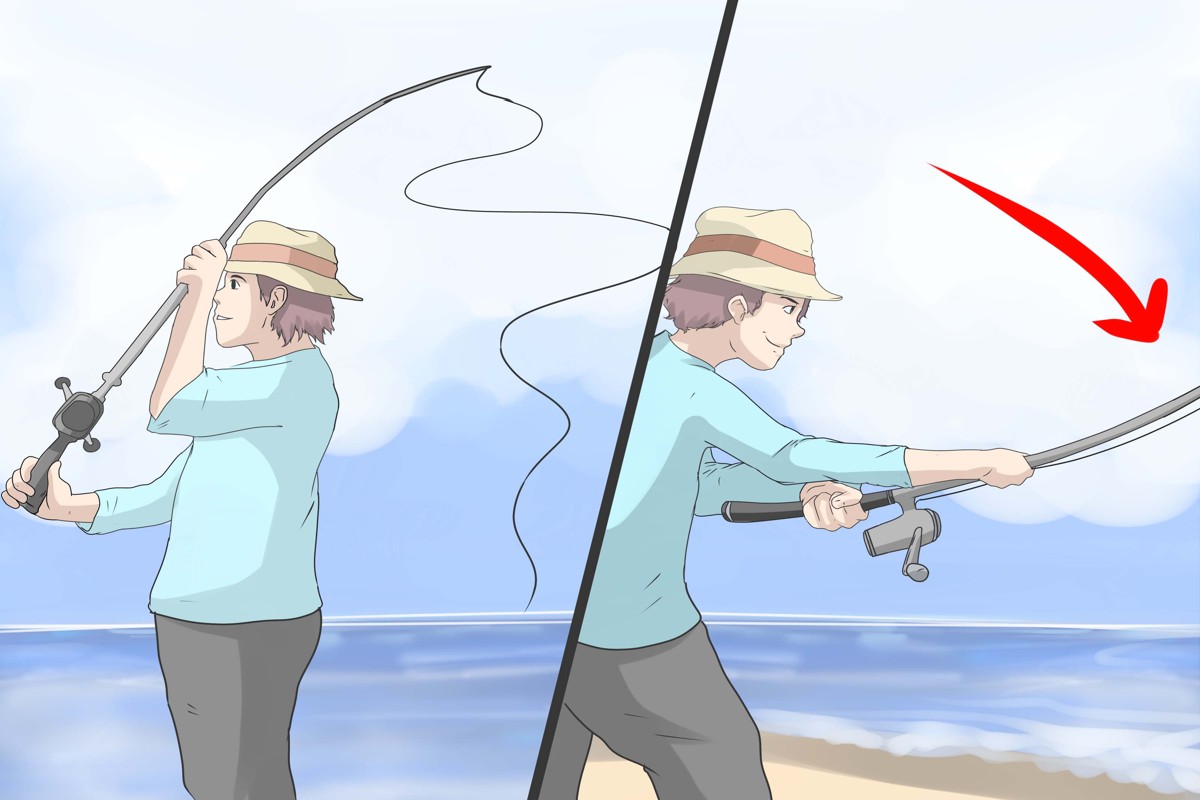
How To Throw A Fishing Rod involves mastering the casting technique to effectively launch your bait or lure into the water. Proper grip, stance, and timing are essential for successful fishing.
Imagine standing by your favorite lake, eager to catch the big one. With the right technique, you can cast farther and more accurately, increasing your chances of a great catch. Perfecting your throw makes all the difference in your fishing experience.
When you’re ready to hit the water, understanding how to throw a fishing rod is essential. Before you start casting, you need to know the types of fishing rods available to you, the essential gear you’ll need, and some basic terminology.
Understanding the Basics of Casting
Mastering the art of casting is fundamental to your fishing success. By grasping the basics, you’ll set yourself up for a fun day on the water, whether you’re a beginner or looking to refine your skills.
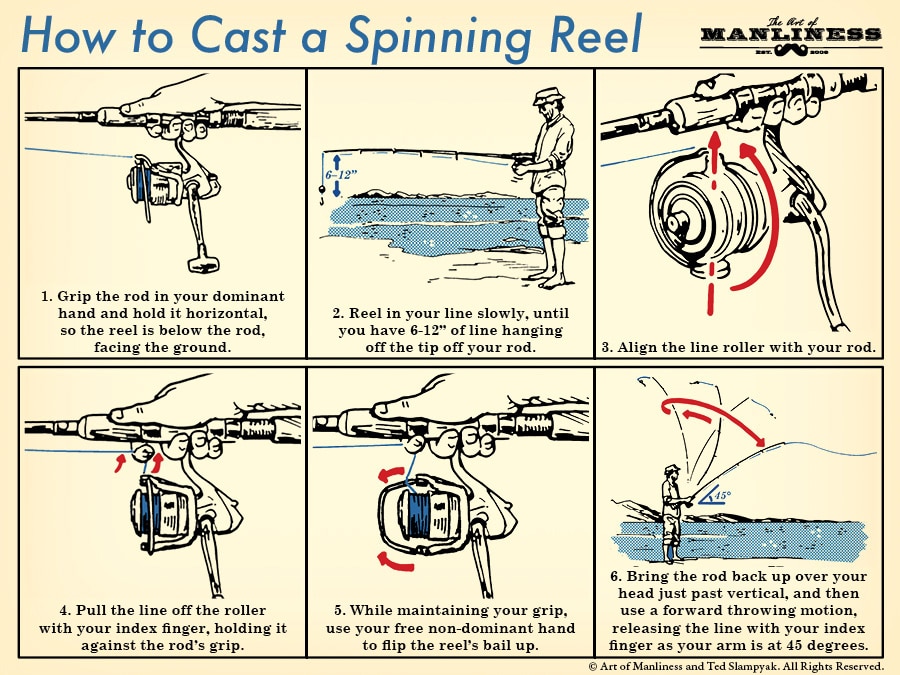
First, let’s talk about the different types of fishing rods. Generally, you’ll find spinning rods, baitcasting rods, and fly rods. Spinning rods are versatile and great for beginners, while baitcasting rods offer more control for experienced anglers. Fly rods, on the other hand, are designed specifically for fly fishing and require a different casting technique.
Next up is essential fishing gear. Besides your fishing rod, you’ll need a reel, fishing line, and tackle. The reel is what holds the fishing line and allows you to cast and retrieve your bait. Tackle includes hooks, weights, and lures, which help attract fish. Don’t forget a tackle box to keep everything organized!
Basic Casting Terminology
Understanding basic casting terminology can make your time on the water more enjoyable. Here are a few terms you should know:
- Backcast: The backward motion you make before casting forward.
- Cast: The actual motion of throwing the line.
- Leader Line: A thin, strong line that connects your lure to your main line.
Imagine you’re at your favorite fishing spot, and you want to show a friend how to throw a fishing rod. You can explain how to make a smooth backcast before flicking the rod forward. This motion is key for a successful cast and can help your buddy catch that big fish!
Remember, practice makes perfect. The more you familiarize yourself with your gear and the casting techniques, the more confident you’ll feel when you’re out on the water.
Choosing the right fishing rod and reel is crucial for your success on the water. The right gear can make all the difference in your casting distance and overall fishing experience.
Choosing the Right Fishing Rod and Reel
When you’re gearing up for a fishing trip, understanding the different types of rods and reels can help you make informed choices. Let’s break down what you need to know to pick the perfect combo for your fishing needs.
First up is rod length. Rods typically range from 5 to 12 feet, and the length you choose should depend on where you’ll be fishing. Shorter rods are great for close-range casting, while longer rods excel in distant casts. For example, if you’re fishing from a kayak, a 6 to 7-foot rod will give you better control and precision.
Reel Types Explained
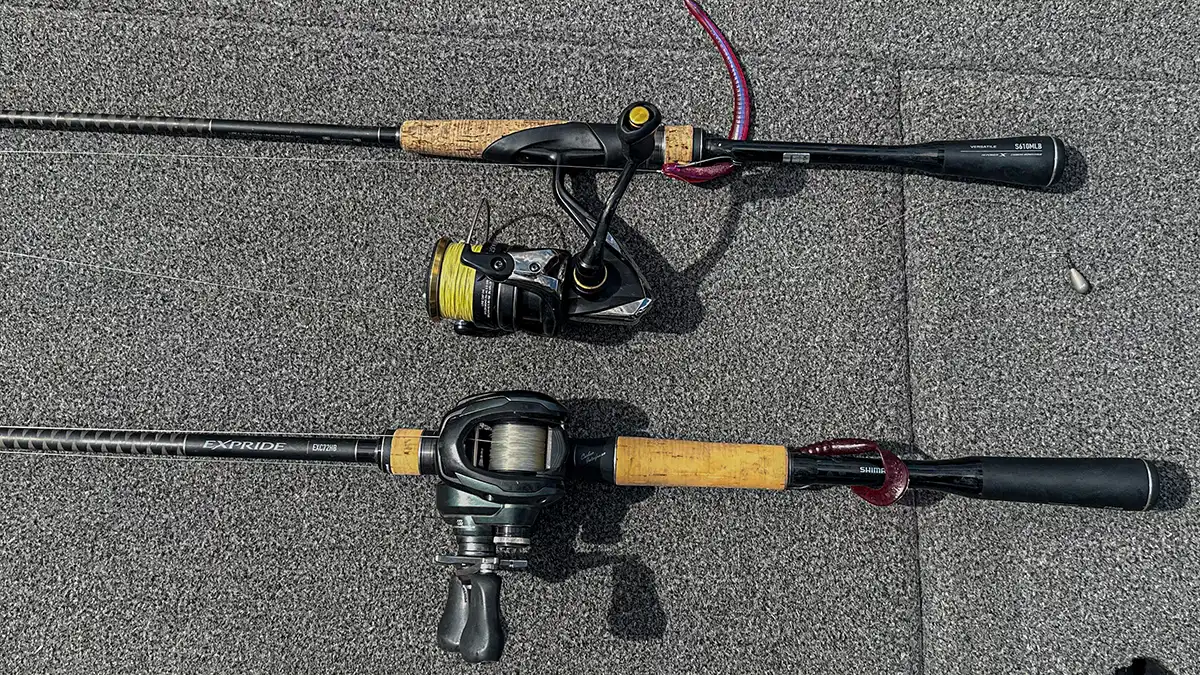
Next, let’s talk about reels. There are three main types: spinning reels, baitcasting reels, and spincast reels. Spinning reels are user-friendly and versatile, making them ideal for beginners. Baitcasting reels offer more precision for experienced anglers but require a bit more skill. Spincast reels are perfect for kids or those just starting, thanks to their simple push-button operation.
Once you’ve chosen your rod and reel type, it’s essential to match them correctly. Look for a rod with a line weight rating that fits the reel you’ve selected. For instance, if you’re using a spinning reel designed for lighter lines, pair it with a rod that supports that range. This synergy will enhance your casting ability and increase your chances of landing that big catch.
Before you head out, consider your fishing environment. If you’re targeting large fish in heavy cover, a sturdy baitcasting setup might be your best bet. Alternatively, if you’re fishing in open waters for smaller species, a light spinning rod could work wonders. Remember, the right rod and reel combo is key to mastering how to throw a fishing rod effectively.
Getting the grip and stance right is crucial if you want to master how to throw a fishing rod. A solid foundation will not only improve your casting distance but also enhance your accuracy. Let’s break down the essential techniques you need to know.
The Perfect Grip and Stance
Your grip and stance are the backbone of your casting technique. Finding the right balance can make all the difference when you’re out on the water.
First, let’s talk about grip techniques. When holding the rod, use your dominant hand to grip the handle firmly but not too tight. Imagine you’re holding a bird—tight enough to keep it from flying away but gentle enough not to crush it. Place your index finger along the rod’s blank for better control, and let your other fingers wrap around the handle. This grip gives you the leverage needed for a smooth cast.
Next up is foot positioning. Stand with your feet shoulder-width apart, which provides stability. If you’re casting to your right, angle your left foot forward and your right foot slightly back. This positioning allows your body to pivot easily, giving you more power in your cast. If you’re facing left, just switch those feet around. It’s all about balance and being able to pivot your hips fluidly.
Now, let’s dive into body alignment tips. Keep your knees slightly bent and your back straight. This stance keeps your weight centered and allows you to generate power from your legs. As you prepare to cast, rotate your shoulders back slightly, then shift your weight to your back foot. This motion sets you up for a strong forward thrust as you cast. Picture yourself as a coiled spring ready to unleash its energy.
Here’s a quick example: imagine you’re on a fishing trip with friends. You watch one of them effortlessly casting their line across the water. You notice how they grip the rod lightly and how their feet are perfectly aligned. You try to mimic their stance, and suddenly, your cast goes farther than ever before. That’s the power of a good grip and stance.
Practice these techniques regularly, and soon you’ll find yourself casting with confidence and precision. Remember, the better your grip and stance, the more effective your casts will be when learning how to throw a fishing rod.
Learning how to throw a fishing rod can be one of the most satisfying skills to master. With the right technique, you’ll not only improve your casting distance but also increase your chances of landing that big catch.
Step-by-Step Casting Technique
The casting process involves a few key movements that, when mastered, can make your fishing experience much more enjoyable. Let’s break it down into three main parts: the back cast, the forward cast, and the release timing.
First up is the back cast motion. Start by holding the rod at about a 10 o’clock position. As you prepare to cast, pull the rod back smoothly. Your elbow should remain close to your body, and your wrist should be flexible. This motion loads the rod with energy, so don’t rush it! Picture yourself winding up for a pitch in baseball—this is your moment to gather strength.
Next is the forward cast execution. Once you’ve completed the back cast, it’s time to transition to the forward cast. Move the rod forward in a smooth motion, releasing the line as you reach about the 1 o’clock position. Think of it as a fluid motion rather than a quick snap. You want to send the bait or lure flying gracefully; a rushed movement will only mess up your aim.
Finally, timing is everything when it comes to release. The key is to let go of the line at just the right moment—too early, and your lure drops short; too late, and you might end up tangling your line. A good rule of thumb is to release the line just as your rod reaches that 1 o’clock position. This will allow for maximum distance and accuracy.
To put this into context, imagine you’re at your favorite fishing spot with friends. You cast your line using this technique, and the lure lands perfectly in a spot where you know the fish are biting. You can’t help but feel proud as your friends watch you pull in a nice catch—all thanks to mastering how to throw a fishing rod.
Remember, practice makes perfect. The more you cast, the better you’ll get at timing your release and achieving those long, accurate casts. So grab your rod, hit the water, and enjoy the thrill of fishing!
When you’re out on the water, casting your line can be thrilling, but a few common mistakes can really mess up your fishing game. Let’s dive into some frequent errors that can affect your ability to throw a fishing rod effectively.

Common Mistakes to Avoid When Casting
Every angler, from beginners to seasoned pros, can slip up when casting. Recognizing these mistakes can help you improve your technique and land more fish.
One of the biggest issues anglers face is overcasting. You might think that the farther you cast, the better your chances. But in reality, too much power can lead to a messy splashdown and scare fish away. Instead, focus on a smooth, controlled motion to achieve greater accuracy.
Next, let’s talk about grip. A lot of anglers hold their rod too tightly or in the wrong position. If your grip is too rigid, it can lead to tension in your arm and affect the way the rod flexes. Try to find a comfortable grip that allows for slight movement; this can really enhance your casting fluidity.
Timing is another crucial element that often gets overlooked. Many anglers release the line too early or too late, which can ruin your cast. Picture this: you’re waiting patiently for the perfect moment, and just as you pull back, you let go too soon. The result? A poor cast that doesn’t reach your target. Practice the timing of your release to ensure a smooth, effective cast.
Remember, even experienced anglers make these mistakes. The key is to stay aware of your technique and practice consistently. Take some time to focus on your grip and timing next time you’re on the water, and you’ll likely see an improvement in your casting skills. Happy fishing!
Improving your casting skills is all about practice and technique. With the right drills, you’ll feel more confident in your abilities when you’re out on the water.

Practice Drills for Improving Casting Skills
These drills focus on various aspects of casting, including handling different wind conditions, target practice, and using weights to enhance your technique. By incorporating these methods into your routine, you’ll develop a more precise and powerful cast.
First up, let’s talk about casting in different wind conditions. Wind can throw off your accuracy, so it’s crucial to practice casting when it’s breezy. Find a spot by the water where you can feel the wind against your face. Start by casting with the wind at your back, then switch to casting into the wind. This will help you learn how to adjust your technique based on the wind’s direction, improving your overall casting skills.
Next, target practice methods can make a big difference. Set up some targets at various distances, like hula hoops or floating objects. Try to hit these targets with your cast. This not only helps with accuracy but also builds your confidence as you see improvement over time. Imagine you’re gearing up for a fishing trip and want to impress your friends with your precision—target practice can put you ahead of the game!
Using Weights for Practice
Using weights for practice is another effective drill. Attach a practice weight to your line instead of a lure. This way, you can focus solely on your casting technique without worrying about snagging or losing gear. You can use a practice plug or a simple weight, and as you get comfortable, gradually increase the distance of your casts.
For a real-world example, think about a day when you head out to the lake. If you’ve practiced casting into the wind and aiming at targets, you’ll find yourself making those perfect casts, landing your bait right where you want it. That’s the kind of skill that gets you noticed!
Try to mix these drills into your routine, and soon you’ll be casting like a pro. The more you practice, the more natural it will feel, and you’ll be ready to tackle any fishing adventure that comes your way!