
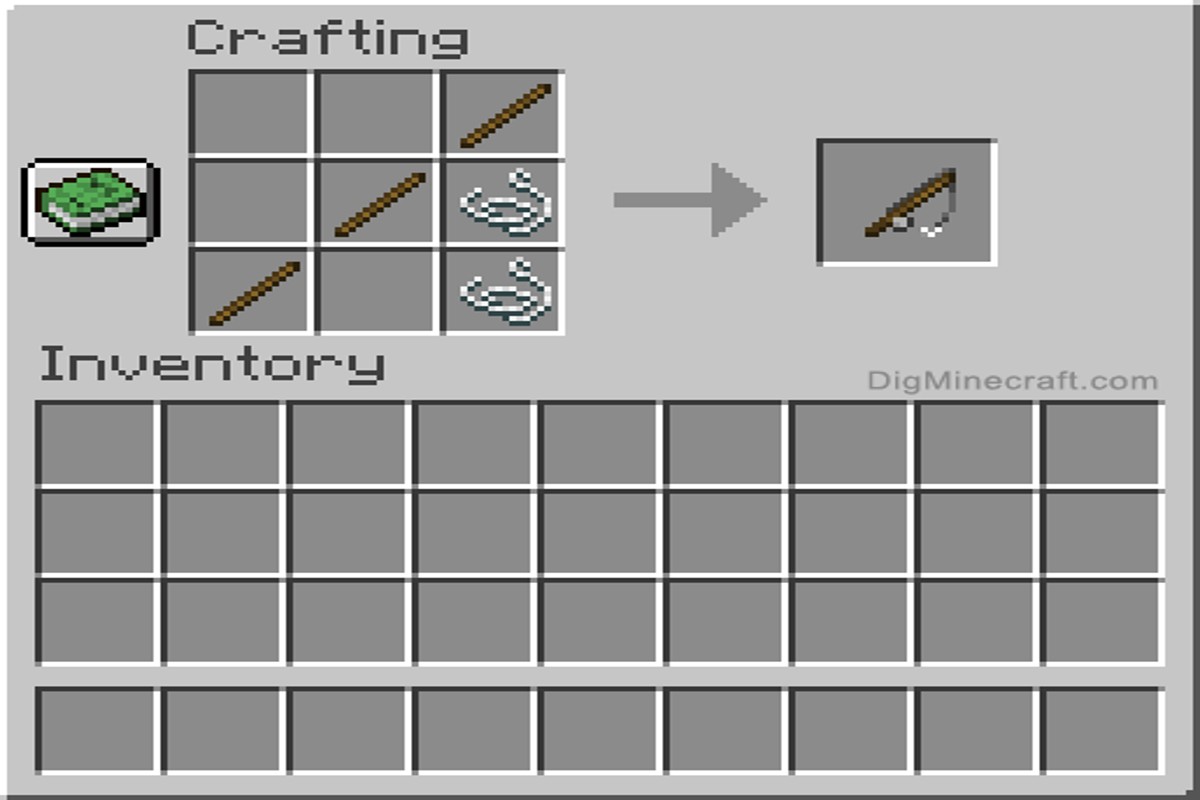
How To Craft A Fishing Rod involves selecting the right materials, assembling the components, and customizing it for your fishing needs. This process allows anglers to create personalized and effective fishing tools that enhance their fishing experience.
Imagine being out on the water with a rod tailored just for you, improving your chances of a great catch. Whether you’re a beginner or a seasoned pro, crafting your own rod can be a rewarding and enjoyable project.
Crafting your own fishing rod starts with choosing the right materials. The quality of your rod depends heavily on what you select, so let’s break down the essentials.

Choosing the Right Materials for Your Fishing Rod
The materials you pick will determine your rod’s performance and durability. From rod blanks to handles, each component plays a crucial role in how your finished product will function.
First up, let’s talk about rod blanks. These are the backbone of your fishing rod, and they come in various materials like fiberglass, graphite, and composite. Graphite is lightweight and sensitive, making it great for finesse fishing. Fiberglass, on the other hand, is more durable and flexible, perfect for beginners or heavy-duty fishing. Depending on your style and the type of fish you’ll target, you’ll want to choose the right blank to match your needs.
Next, you’ll need guides and a reel seat. Guides help your line move smoothly, while the reel seat holds your reel in place. Look for guides made from stainless steel or ceramic materials for better performance and longevity. When choosing a reel seat, consider the size and type of reel you plan to use. A well-matched reel seat will ensure a snug fit, which can enhance your casting accuracy.
Finally, let’s discuss handle materials. You can go for cork, EVA foam, or even wood. Cork handles are popular for their comfort and grip, while EVA foam is lightweight and resistant to wear. If you want a classic look, wood can add a touch of elegance, but it might require more maintenance. Think about how you’ll be using your rod and what feels best in your hands.
When you’re putting your rod together, remember that the right balance between these materials will make a big difference. For instance, if you’re crafting a rod for saltwater fishing, you’ll want to prioritize corrosion-resistant materials for the guides and reel seat. Take your time and choose wisely, and you’ll end up with a rod that feels just right for you.
When you’re ready to create your own fishing rod, understanding the components is crucial. Each part plays a significant role in how well your rod performs. Let’s break down the essentials you need to know.

Understanding Fishing Rod Components
A fishing rod is made up of several key components, each serving a specific function that contributes to your overall fishing experience. Knowing these parts will help you make better choices when crafting your rod.
The first component to consider is the rod blank. This is the backbone of your rod, usually made from materials like fiberglass or carbon fiber. The rod blank’s flexibility and strength determine how well your rod can handle different types of fish and fishing conditions.
Next up are the guides. These are the circular loops that line the rod and help direct the fishing line from the reel to the tip. Properly spaced guides reduce friction and allow for smoother casting. If you’ve ever struggled with tangled lines, you know how essential good guides are!
Finally, there’s the reel seat and handle. The reel seat is where you attach your fishing reel, and it needs to be sturdy enough to withstand the force of big catches. The handle, on the other hand, is what you hold onto while reeling in your fish. You’ll want a comfortable handle that gives you a good grip, especially during those long fishing days.
For example, imagine you’re out on a lake fishing for bass. If your rod blank is too flimsy, you might lose that big catch you’ve been waiting for. A solid reel seat ensures your reel stays in place, while the right guides make your casting effortless.
When you learn how to craft a fishing rod, remember that each component works together to enhance your experience. Choose wisely, and you’ll be well on your way to creating a rod that meets your fishing needs!
Before you dive into crafting your own fishing rod, you’ll want to gather the right tools. Having the right equipment not only makes the process smoother but also ensures a better-quality rod in the end.

Tools Required for Crafting a Fishing Rod
When you’re ready to start, there are a few essential tools you’ll need. Each tool serves a specific purpose, making your rod crafting experience easier and more enjoyable.
First up are rod wrapping tools. These tools are crucial for securely attaching the guides and other components to the rod blank. You’ll typically need a rod wrapper, which holds the rod in place while you wrap the threads, and a thread tensioner to keep everything nice and tight. This setup helps ensure that the guides stay in place when you’re out on the water.
Next, you’ll need epoxy and adhesives. These materials are vital for securing the components of your fishing rod together. You’ll use epoxy to bond the guides to the rod blank and to finish off your wraps. A good quality adhesive will ensure that everything stays put, even under the stress of a big catch.
Finally, cutting and shaping tools are essential for the initial preparation of your rod. A good pair of scissors or a razor blade will help you cut your thread cleanly. You might also need a file or sandpaper to shape any rough edges on the rod blank or guides. Think of it like preparing your canvas before you paint; it sets the stage for a beautiful finished product.
Before you start, make sure you have all these tools on hand. It’ll save you from having to pause your project to hunt for a missing item. Trust me, nothing’s worse than being in the zone and realizing you’re missing a crucial tool!
Assembling your fishing rod can be a fun and rewarding experience. With the right tools and a bit of patience, you can create a custom rod that suits your fishing style perfectly.

Step-by-Step Assembly Process
This section will guide you through the essential steps to assemble your fishing rod, from attaching the guides to applying the finishing touches. Let’s dive into the details!
First, you’ll want to attach the guides to your rod blank. Start by marking the positions where each guide will go, usually starting from the tip down to the reel seat. Use a measuring tape to ensure they’re evenly spaced. Next, secure the guides using masking tape to hold them in place temporarily.
Once the guides are positioned, it’s time to wrap them. This step requires some finesse. You’ll need rod wrapping thread and a wrapping jig if you have one. Begin at the bottom of the guide foot and wrap tightly upward, making sure each wrap is snug against the last. A common technique is the “cross wrap,” where you create a crisscross pattern to add extra strength and visual appeal.
After you’ve wrapped all the guides, it’s time to apply the finish. This step helps secure the wraps and protect them from wear. Mix your epoxy finish according to the package instructions, then use a brush to carefully apply it over the wraps. Make sure to cover all the thread, but try not to overdo it, as excess can create drips.
Once the finish is applied, you’ll need to cure it. Place your rod on a drying rack or a rotating device if you have one. This helps to ensure an even cure and prevents the finish from sagging. Depending on the epoxy, curing can take anywhere from a few hours to overnight. Just be patient; it’s worth the wait!
Lastly, remember to take your time throughout the process. Rushing can lead to mistakes, like uneven wraps or misaligned guides. If you make a mistake while wrapping, don’t fret; just cut the thread and start again. This attention to detail will pay off when you’re out on the water, casting with your custom rod.
Customizing your fishing rod can make a big difference in both its performance and your overall fishing experience. Personal touches not only enhance functionality but also make your gear feel uniquely yours. Let’s dive into some fun ways to customize your fishing rod.

Customizing Your Fishing Rod
When you personalize your fishing rod, you’re not just making it look good; you’re also tailoring it to fit your specific fishing style. From choosing colors and patterns to adjusting its length and action, every detail counts.
One of the easiest ways to start is by selecting colors and patterns that resonate with you. Whether you prefer a sleek, minimalist look or a vibrant, eye-catching design, the choice is yours. Many anglers enjoy matching their rod to their tackle box or boat, creating a cohesive and stylish setup. Imagine fishing with a bright blue rod that perfectly complements your favorite lure!
Adding personal touches can also make your rod stand out. Consider wrapping the handle with custom grips or adding decals that reflect your personality or favorite fishing spots. Some anglers even engrave their names or a special date onto the rod for a sentimental touch. These little details not only make your rod unique but can also spark conversations with fellow anglers.
Another significant aspect of customization is adjusting the length and action of your rod. Depending on the type of fishing you do, you might prefer a longer rod for casting greater distances or a shorter rod for better control in tight spots. Additionally, the action of the rod—which describes how much it bends—can impact your casting style and sensitivity to bites. A medium-action rod might be perfect for versatile fishing, while a fast action rod is great for quick hook sets.
Don’t hesitate to experiment with these adjustments. For example, if you typically fish in a small river with lots of overhanging trees, you might want to shorten your rod for better maneuverability. The right length and action will enhance your fishing success and comfort.
Remember, customizing your fishing rod is about finding what works best for you. Take your time to explore different options and make choices that resonate with your fishing habits. Happy customizing!
Taking care of your fishing rod is essential if you want it to last for many seasons. Regular maintenance can help you avoid costly repairs and ensure your gear is always ready for your next fishing adventure.

Maintenance Tips for Your Fishing Rod
Proper maintenance involves cleaning, storing, and inspecting your rod regularly. By following these tips, you’ll extend the life of your fishing rod and enhance your overall fishing experience.
First up is cleaning. After each fishing trip, make sure to rinse your rod with fresh water to remove any salt, dirt, or grime. Use a soft cloth to wipe down the rod and guides, paying special attention to areas where dirt can build up. For tougher spots, a mild soap solution can do wonders. Just remember to avoid harsh chemicals that could damage the finish.
Storage Recommendations
How you store your fishing rod can significantly impact its longevity. Always store your rod in a cool, dry place away from direct sunlight. If you’re using rod cases, that’s even better. It prevents any accidental bends or breaks. If you’re short on space, consider wall mounts or vertical storage solutions.
Regular Inspections and Repairs
Don’t wait for something to break before you take a look at your rod. Regularly inspect the guides and reel seat for any signs of wear. If you notice any cracks or frays, address them immediately to prevent further damage. A quick check before each fishing trip can save you from a frustrating day on the water due to equipment failure.
Here’s a practical tip: If you find yourself at home with a little extra time, do a thorough inspection and clean of your rod. Think of it as a mini spa day for your gear. You’ll be surprised at how much better it performs when it’s well cared for!