
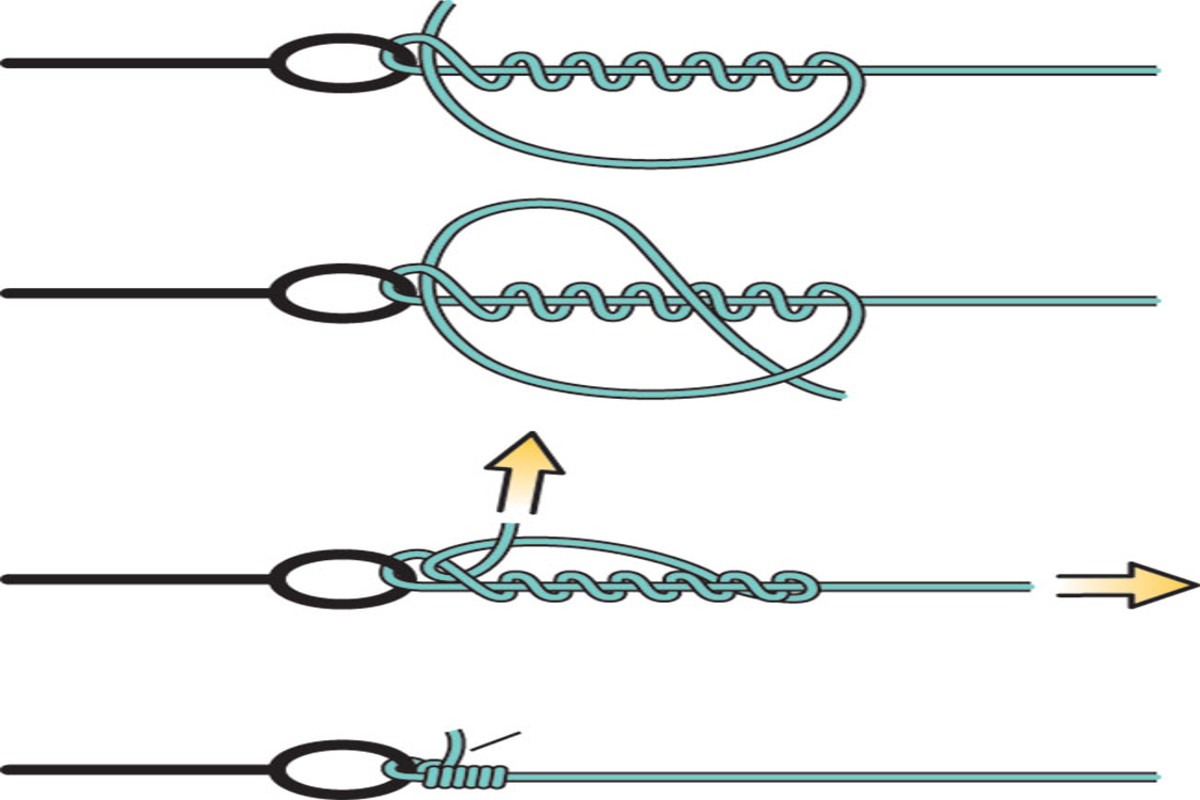
How To Tie A Knot On A Fishing Rod involves securing your fishing line to the rod’s eyelet using a reliable knot method. This is crucial for ensuring your line stays attached during fishing, preventing lost catches.
In real-world fishing, a well-tied knot can make the difference between landing a big fish or losing it. Whether you’re a beginner or an experienced angler, mastering this skill boosts your confidence and success on the water.
When it comes to fishing, knowing how to tie a knot on a fishing rod can make all the difference. A good knot not only secures your line but also ensures you won’t lose that prized catch. Let’s dive into some essential fishing knots that every angler should master.

Essential Fishing Knots for Rods
There are several knots that are particularly effective for securing your fishing line to your rod or reel. Mastering these knots will boost your confidence on the water and help you land more fish.
The Improved Clinch Knot is one of the most popular choices among anglers. It’s simple to tie and offers excellent strength. To tie it, thread the line through the eye of the hook, wrap it around the standing line several times, and then pass the end through the loop you created. This knot is especially useful for securing hooks and lures.
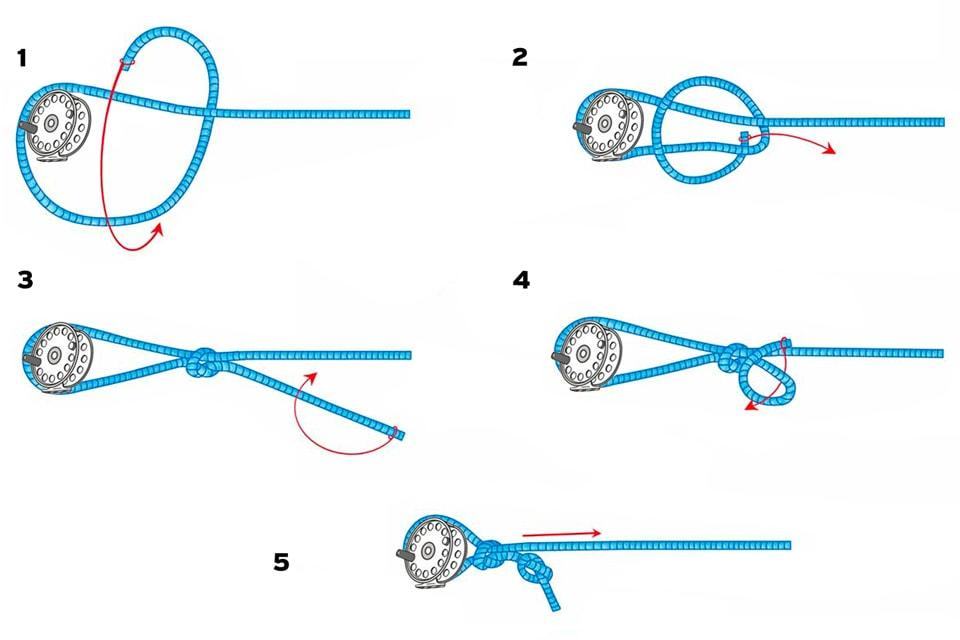
Next up is the Palomar Knot, known for its strength and reliability. This knot is great for tying a line to a hook or a swivel. You double the line and pass it through the hook’s eye, then tie a simple overhand knot. Finally, pass the hook through the loop created by the overhand knot before tightening it down. Anglers love it because it’s easy to tie and works well with braided lines.
The Double Uni Knot is another fantastic option, especially when connecting two lines of different diameters. Start by overlapping the two lines and tie a simple overhand knot around the other line, making sure to do this on both ends. Pull the lines to tighten, and you’ll have a strong, reliable connection. This knot is a lifesaver when you need to join your main line to a leader line.
Remember, the right knot can save you from losing that big catch. Practice these knots at home, and you’ll feel more prepared when it’s time to hit the water. You’ll be amazed at how much easier your fishing experience becomes when you know how to tie a knot on a fishing rod effectively.
Tying the right knot on your fishing rod can make or break your fishing experience. Whether you’re a seasoned angler or just starting out, knowing how to tie a secure knot is essential for landing that big catch.

Step-by-Step Guide to Tying a Knot
This guide will walk you through the steps to tie a common fishing knot, ensuring you’re ready for your next fishing trip. With a bit of practice, you’ll be able to tie knots quickly and confidently.
First, gather your materials. You’ll need your fishing line, a hook, and possibly a leader line if you’re using one. Make sure your line is clean and free from any frays, as this can weaken your knot.
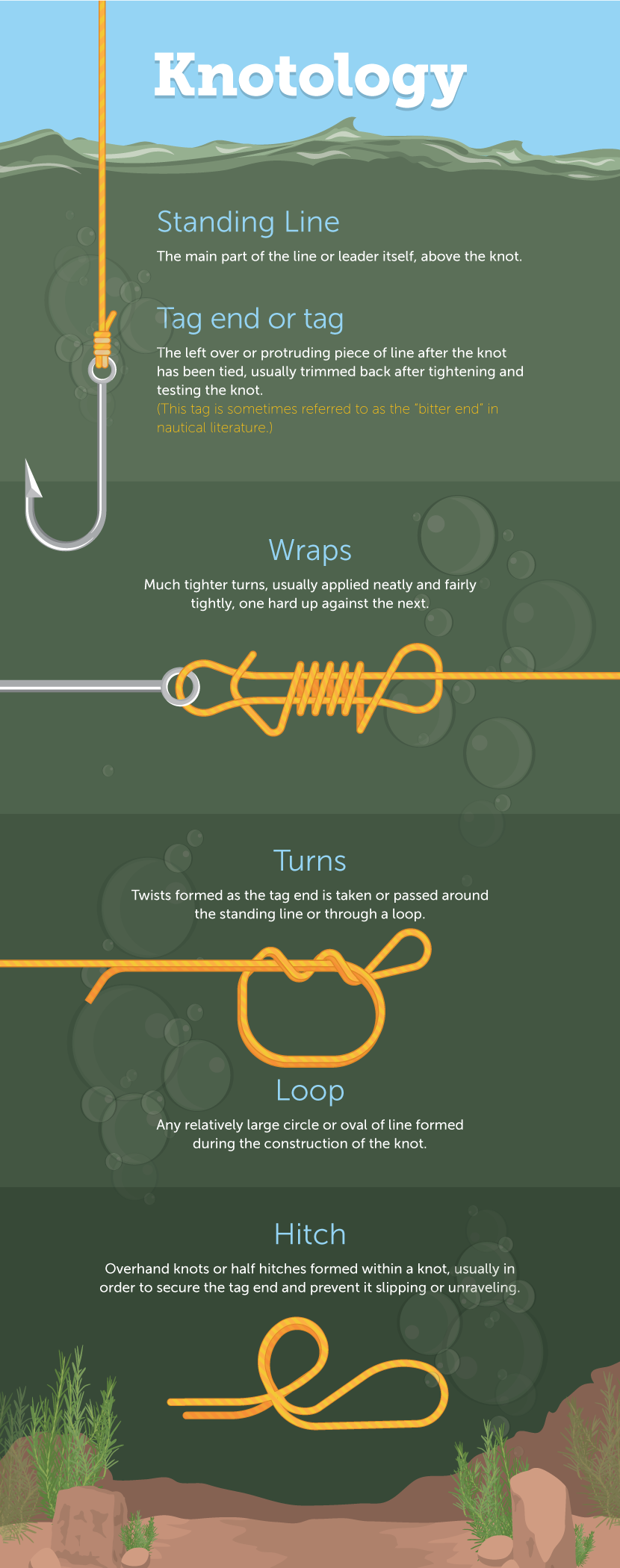
Once you have everything ready, follow the knot instructions closely. A popular choice is the improved clinch knot, which is both easy to tie and effective. Start by threading the line through the eye of the hook, then wrap it around the standing line five to seven times. After that, pass the end of the line through the loop you created before the wraps, then pull it tight.
Don’t worry if it feels tricky at first. Practice is key to proficiency. Grab some spare line and hooks and keep practicing until you can do it with your eyes closed. You could even challenge a friend to see who can tie the knot fastest!
One practical tip: always moisten your line before tightening the knot. This helps to reduce friction, ensuring a stronger hold. Remember, knowing how to tie a knot on a fishing rod isn’t just about technique; it’s also about confidence in your skills.
When you’re out on the water, the last thing you want is for your knot to fail. Unfortunately, many anglers make common mistakes that can ruin a perfectly good fishing trip.
Common Mistakes to Avoid
Understanding and avoiding these errors can significantly improve your knot-tying skills and overall fishing success. Let’s dive into the most frequent pitfalls.
One of the biggest mistakes is using the wrong knot for the job. Different fishing situations require different knots. For example, a strong clinch knot works well for attaching hooks, while a loop knot might be better for lures that need extra movement. If you’re not using the right knot, your line might break when you least expect it.
Another common error is not wetting the line before tightening the knot. Dry line can cause friction, leading to weakened knots. A simple trick is to moisten your line with a bit of saliva or water before you pull it tight. This small step can make a huge difference in the strength of your knot.
Insufficient line tension is also a frequent problem. When you’re tightening your knot, make sure you’re applying enough pressure. If you don’t, the knot can slip or come undone when you hook a fish. Picture this: you finally feel that tug, only to have your knot fail because you didn’t give it a solid pull. It’s frustrating, right?
Next time you’re on the water, remember these tips. Pay attention to the knot type, wet your line, and ensure proper tension. Mastering these elements can make all the difference in your fishing success. Happy fishing!
Tying knots on your fishing rod can be tricky, but having the right tools makes it a whole lot easier. With a few helpful accessories, you can ensure your knots are secure and reliable, giving you confidence on the water.
Tools and Accessories for Knot Tying
Incorporating specific tools into your fishing routine can elevate your knot-tying game. From specialized knot tying tools to handy line cutters and even magnifying glasses, these accessories can help you achieve precision and efficiency.
A knot tying tool is one of the best investments you can make. These devices simplify the process, allowing you to tie various knots with ease. Imagine trying to tie a complex knot while on a rocking boat—having this tool in your tackle box can save you time and frustration.
Next up is a line cutter. A good line cutter makes it easy to trim your fishing line cleanly and smoothly. You don’t want jagged edges messing with your knot’s integrity. Whether you opt for a small pair of scissors or a specialized line cutter, having this tool handy will ensure you can make quick adjustments when necessary.
Finally, consider adding a magnifying glass to your toolkit. This might sound a bit over the top, but when you’re working with thin line and small knots, every detail matters. A magnifying glass can help you see your work clearly, making it easier to spot any issues before you hit the water.
As you gear up for your next fishing trip, think about how these tools can assist you in mastering how to tie a knot on a fishing rod. You’ll find that having the right accessories not only boosts your confidence but also enhances your overall fishing experience.
Before you head out on your fishing trip, you need to ensure your knot is strong and secure. Testing your knot strength is essential to avoid any disappointments when reeling in that big catch.
How to Test Your Knot Strength
There are several methods to confirm that your knot is ready for action. From visual inspections to practical tests, each approach can help you gain confidence before casting your line.
First, start with a visual inspection. Look closely at your knot and make sure it’s formed correctly. Look for any twists or overlaps that might compromise its integrity. A well-tied knot should look neat and compact.
Next, perform a pull test. Hold the end of your line and give it a firm tug. If the knot slips or feels loose, it’s a clear sign that something isn’t right. You want to feel the knot grip the line securely with no give at all. This test is quick and can save you from losing your gear later.
Lastly, try the water test. If you’re close to a body of water, wet the knot with some water before testing it. This can help reduce friction and allow the knot to settle into place more securely. After wetting, do another pull test and see how it holds up. If it remains tight, you’re good to go!
For instance, imagine you’re about to cast your line when you suddenly remember to check your knot. You perform the visual inspection and notice it looks a bit off. You quickly adjust it and run through the pull and water tests. Feeling confident now, you cast your line knowing that your knot is secure.
Always remember, taking these few minutes to check your knot can make all the difference between a successful day of fishing and a frustrating one. Trust the process, and you won’t regret it!
As you progress in your fishing journey, mastering advanced knot techniques can elevate your game. These knots are essential for ensuring your line is strong and reliable, especially when you’re targeting bigger fish.
Advanced Knot Techniques for Professionals
For experienced anglers, understanding how to tie a knot on a fishing rod goes beyond the basics. You’ll want knots that enhance your line efficiency and strength, especially in challenging fishing conditions.
One knot you might find invaluable is the braid to mono knot. This knot allows you to connect braided line to monofilament line seamlessly. It’s perfect for when you need the strength of braid but the sensitivity of mono. Simply create a double uni knot, which is easy to tie, and you’ll have a reliable connection that won’t let you down when reeling in that trophy catch.
Next up is the loop knot, a favorite among pros. This knot creates a fixed loop at the end of your line, which allows lures or hooks to move freely. This flexibility can make a huge difference in your presentation, especially when you’re using topwater lures. Picture yourself casting a popper—having that extra movement can really entice fish to strike.
The surgeon’s knot is another advanced technique worth mastering. This knot is excellent for joining two lines of different diameters, making it a go-to for many anglers. It’s simple but effective, allowing you to tie two pieces of line together quickly. Just make sure to wet the knot as you tighten it to avoid damaging the line.
When using these knots, always practice tying them at home before your next fishing trip. The last thing you want is to fumble with your line while on the water. Keep your tackle box stocked with a variety of lines and practice these knots until they become second nature. You’ll find that the more confident you are in your knot-tying abilities, the more successful your fishing adventures will be.