
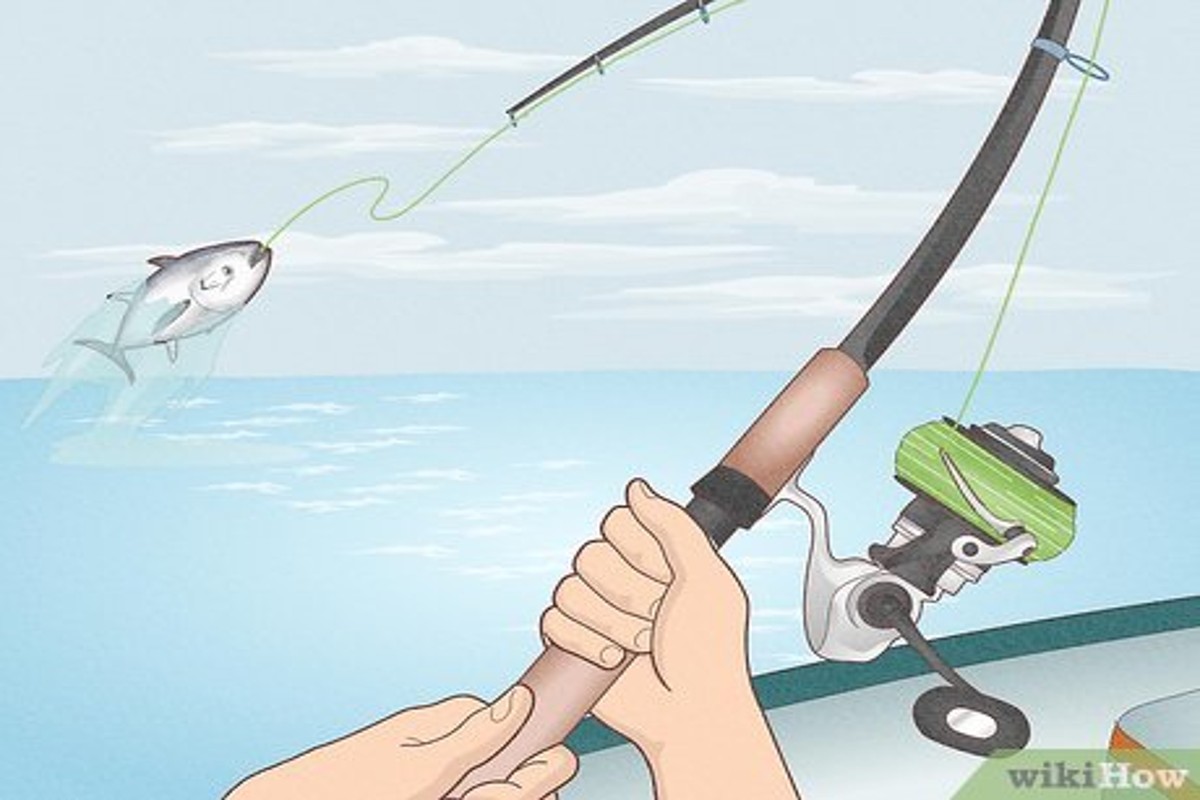
How To Use A Fishing Rod involves mastering its components, casting techniques, and catching fish effectively. Understanding these elements is crucial for both beginners and experienced anglers alike.
Imagine standing by a serene lake, ready to cast your line. With the right techniques and knowledge, you can enhance your fishing experience and increase your chances of a successful catch.
Understanding the different components of a fishing rod is crucial for anyone looking to excel in fishing. Each part serves a specific purpose that contributes to your overall success on the water.

Understanding Fishing Rod Components
Fishing rods may seem simple, but they consist of several key components that work together. Familiarizing yourself with these parts will help you learn how to use a fishing rod effectively, enhancing your fishing experience.
First, let’s talk about rod type and length. Fishing rods come in various types like spinning, casting, and fly rods. The length of the rod can range from 5 to 12 feet or more, which affects casting distance and control. For instance, a shorter rod is easier to manage in tight spaces, while a longer rod offers more casting distance.
Next is the reel, which is a critical component of your setup. The reel holds the fishing line and allows you to retrieve your catch. There are different types of reels, such as spinning reels and baitcasting reels, each with its unique advantages. Spinning reels are great for beginners because they’re easier to use and offer versatility in various fishing conditions.
Now, let’s look at the line and lure setup. The fishing line connects your rod to the lure or bait you’re using to attract fish. You’ll want to choose the right line strength based on what kind of fish you’re targeting. For example, lighter lines are suitable for smaller fish like trout, while heavier lines are needed for larger species like bass. Additionally, the lure must match the fish you’re trying to catch, whether it’s a spinner, jig, or live bait.
Remember, understanding how these components work together can significantly improve your fishing skills. Take your time to get comfortable with your rod, reel, and line setup before heading out. Practice makes perfect, and soon you’ll be casting like a pro!
Mastering the art of casting can elevate your fishing game significantly. In this section, you’ll learn some fundamental casting techniques that will help you place your bait where the fish are biting.
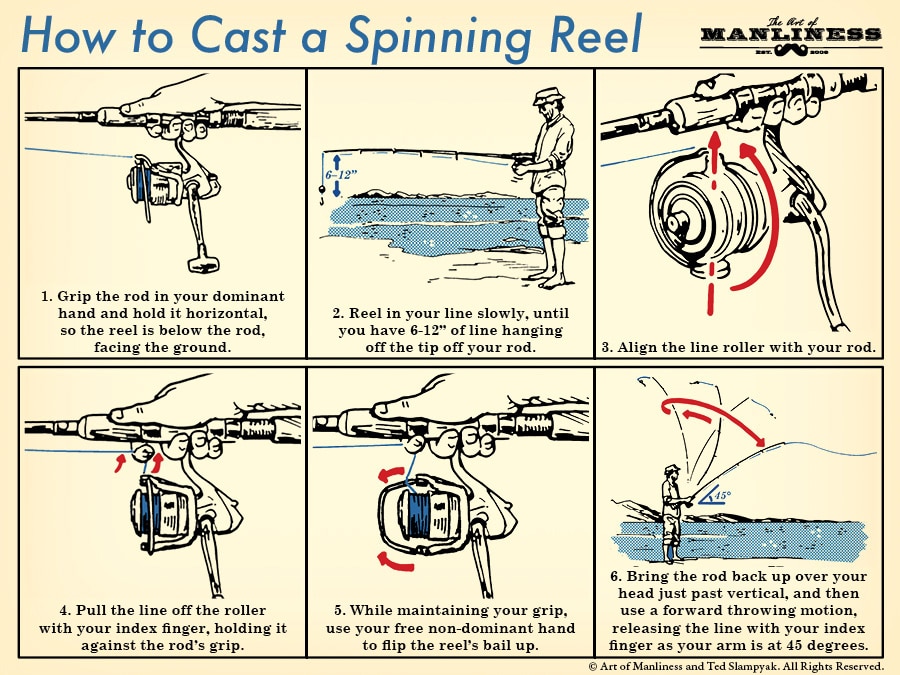
Basic Casting Techniques
Getting your bait into the water effectively is crucial. Whether you’re a beginner or looking to refine your skills, understanding a few basic casting methods can make all the difference in your fishing experience.
The first technique to grasp is the overhead cast. This is the classic method where you raise your rod above your head before swinging it forward. It’s great for long-distance casts and allows for a smooth delivery of your bait. Just remember to follow through with your arm and wrist to maintain accuracy.
Next up is the sidearm cast. This technique is perfect for situations where you need to avoid obstacles overhead, like trees or low-hanging branches. By keeping your rod parallel to the ground, you can effectively place your bait at a lower angle. This is particularly useful when fishing from the shore or in tight spots.
Lastly, there’s the roll cast. This is an excellent choice when you’re in confined spaces or when you need to present your bait delicately on the water. To perform a roll cast, keep your rod tip low and make a smooth, circular motion. The line rolls off the water’s surface, allowing for a gentle landing that’s less likely to scare away the fish.
Picture this: you’re on a quiet lake, surrounded by trees. You spot a fish jumping in the distance. Using the overhead cast, you launch your bait right where you see the action. That moment of anticipation as you wait for a nibble? Pure excitement.
Practice each of these techniques, and you’ll find that mastering how to use a fishing rod becomes second nature. The more you practice, the more confident you’ll feel, and soon enough, you’ll be casting like a pro.
Holding a fishing rod properly is key to improving your technique and increasing your chances of a great catch. A solid grip and the right stance will give you better control and make your time on the water more enjoyable.

How to Hold a Fishing Rod Properly
When you hold your fishing rod correctly, you set yourself up for success. The right grip and body positioning can make all the difference in your casting and reeling techniques.
Start with your grip. You want to hold the rod firmly, but not so tight that your hands cramp. Use your dominant hand to grip the handle, while your other hand should support the rod near the reel. This way, you can easily control the rod’s movement when casting or reeling in a fish.
Body positioning is equally important. Stand with your feet shoulder-width apart for stability. Your knees should be slightly bent, allowing you to pivot and move as needed. Keeping your body relaxed will help you maintain balance and adjust to any sudden pulls from a fish.
For added stability, engage your core. This not only helps with keeping your balance but also aids in the casting motion. Think of it like a golf swing; if your core is engaged, you’ll have more power and precision.
Grip Techniques
When it comes to grip techniques, you have a couple of options. The most common is the “forehand grip,” where your dominant hand is positioned on the rod’s handle, and your thumb rests on top. This gives you good control over the rod’s movement.
Another option is the “backhand grip,” which is often used in specific fishing scenarios like fly fishing. This grip allows for a different casting style and can be quite effective in tight spaces.
Stability Tips
To enhance your stability while fishing, remember to keep your elbows close to your body. This minimizes unnecessary movements and allows for smoother casting. You can also shift your weight from your back foot to your front foot as you cast, which helps generate more power.
Imagine you’re out on a boat, the sun glistening off the water, and you spot a big fish. You cast your line, but if your grip is weak or your stance is off, that fish might just slip away. A strong grip and stable stance can be the difference between a nice catch and a lost opportunity.
As you practice how to use a fishing rod, pay attention to how your grip and stance feel. The more comfortable you are, the more enjoyable your fishing experience will be. So, get out there, find your perfect hold, and reel in those big catches!
Reeling in your catch can make or break your fishing experience. Mastering the right techniques can significantly boost your success on the water.

Reeling Techniques for Success
There are various reeling techniques you can use, and knowing when to apply each can help you land that big fish. Whether you’re going slow or fast, the right method depends on the situation and the species you’re after.
First up, let’s talk about slow vs. fast reeling. Slow reeling is often best for enticing fish that are feeling a bit shy or cautious. If you’re targeting species like bass or trout, try a slow, steady retrieve to mimic their natural prey. On the other hand, fast reeling can be effective when you’re trying to provoke a reaction, especially with aggressive fish like pike or musky. The key is to adapt your speed to the type of fish and their current mood.
Using Drag Systems
Next, you’ll want to understand drag systems. The drag helps you maintain control when a fish makes a sudden run. Adjusting the drag to match the weight of your line and the strength of the fish is crucial. A properly set drag will allow the fish to pull line without breaking it, while also giving you the ability to reel it in when the moment is right.
Timing is another important factor when reeling in. Wait for the right moment to start reeling in your catch. If you reel too soon, you risk losing the fish. You should feel the weight of the fish before you start cranking. For example, when fishing for catfish, you might want to wait a few seconds after feeling a bite before starting to reel. This ensures that the fish has fully taken the bait.
When you’re out on the water, remember that practice makes perfect. Try different reeling techniques in various conditions to see what works best for you. Pay attention to how the fish are reacting, and don’t hesitate to switch things up. With time, you’ll become more comfortable with how to use a fishing rod effectively and will start reeling in those trophy catches!
Choosing the right bait and lures is crucial for a successful fishing trip. The type of bait you use can make all the difference in attracting the fish you’re targeting.

Baiting and Lure Selection
Understanding the differences between live bait and artificial lures is the first step in mastering how to use a fishing rod effectively. Each has its advantages and can be suited to different fishing scenarios.
Live bait, like worms, minnows, or crickets, mimics the natural food sources of fish. This can make fish more likely to bite. On the other hand, artificial lures come in various shapes, colors, and sizes, designed to imitate prey or provoke a predatory response. While some anglers swear by live bait, others prefer the versatility of lures.
Matching Bait to Fish
When selecting your bait, consider the species of fish you’re after. Different fish have different preferences. For instance, bass are often attracted to plastic worms or crankbaits, while trout might be more interested in small spinners or live insects.
- Bass: Try plastic worms or jigs.
- Trout: Small spinners or live bait like worms.
- Panfish: Use small jigs or worms.
Another key aspect is seasonal considerations. Fish behavior changes throughout the year, affecting their feeding habits. In spring, for example, fish are often more aggressive as they prepare to spawn, making them more likely to go after lively lures. In contrast, during the hot summer months, fish might prefer slower-moving baits as they seek deeper, cooler waters.
Imagine you’re out fishing in late spring for bass. You’ve got a selection of lures, but you notice the water’s warm and the bass are hitting on topwater lures. By switching to a popper, you could easily increase your chances of a catch, demonstrating the importance of adapting your bait choice based on conditions.
Experimenting with different types of bait and lures is part of the fun of fishing. Don’t hesitate to try out new options until you find what works best for you and the fish you’re after.
When you’re just starting out in fishing, it’s easy to make some common errors that can ruin your experience. Knowing what to avoid can save you time and frustration, helping you get the most out of your time on the water.

Common Mistakes to Avoid
New anglers often stumble upon a few frequent pitfalls that can hinder their fishing success. By recognizing these mistakes, you can enhance your skills and enjoy your fishing trips much more.
One of the biggest mistakes is improper casting. Many beginners struggle with casting techniques, which can lead to tangled lines and missed opportunities. Practicing your cast in a controlled environment, like a backyard or park, can help you avoid these mishaps when you’re out on the water.
Another common error is ignoring local regulations. Each fishing spot has its own rules regarding species, size limits, and fishing seasons. Failing to follow these regulations not only affects the ecosystem but can also lead to hefty fines. Always check local guidelines before you head out.
Lastly, neglecting equipment maintenance can lead to a frustrating day on the water. Whether it’s a dirty reel or frayed line, unkempt gear can seriously impact your fishing performance. Take a few minutes after each trip to clean and check your rod and reel. You’ll thank yourself later when everything works smoothly.
For instance, imagine you’re out fishing with friends, and your line snaps because you didn’t notice the wear on it. You miss out on the big catch everyone’s talking about, and your buddies are reeling them in while you’re left to fix your gear. Don’t let that be you!
Make it a habit to familiarize yourself with the basics of how to use a fishing rod, and always keep your gear in top shape. A few preventive measures can go a long way in ensuring a successful and enjoyable fishing experience.