
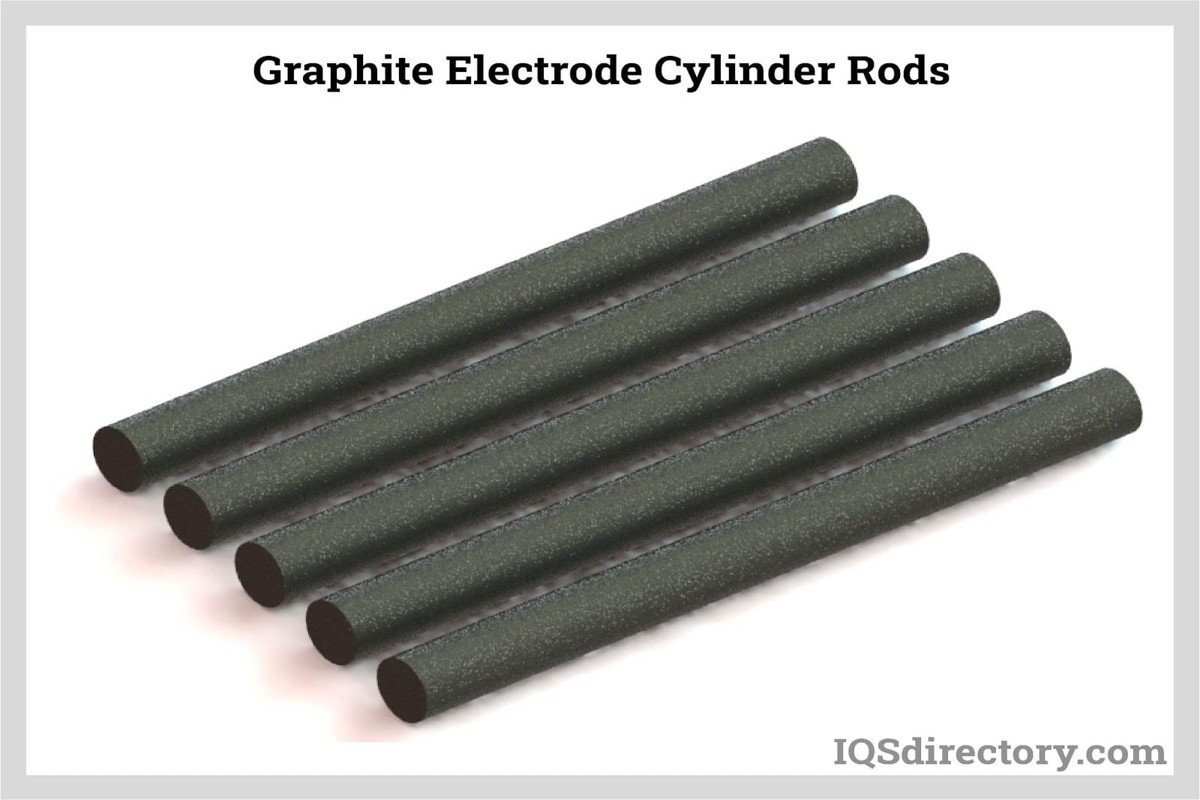
Are graphite fishing rods conductive? Yes, graphite rods are conductive to some extent, which can influence their performance and handling during fishing. This conductivity can affect sensitivity and responsiveness when detecting bites.
For anglers, understanding this property can enhance their experience on the water. A more sensitive rod may help you feel subtle nibbles, improving your chances of a successful catch.
Graphite is a popular material in many fishing rods today, but have you ever wondered about its properties? Let’s dive into what makes graphite unique and how it contributes to your fishing experience.
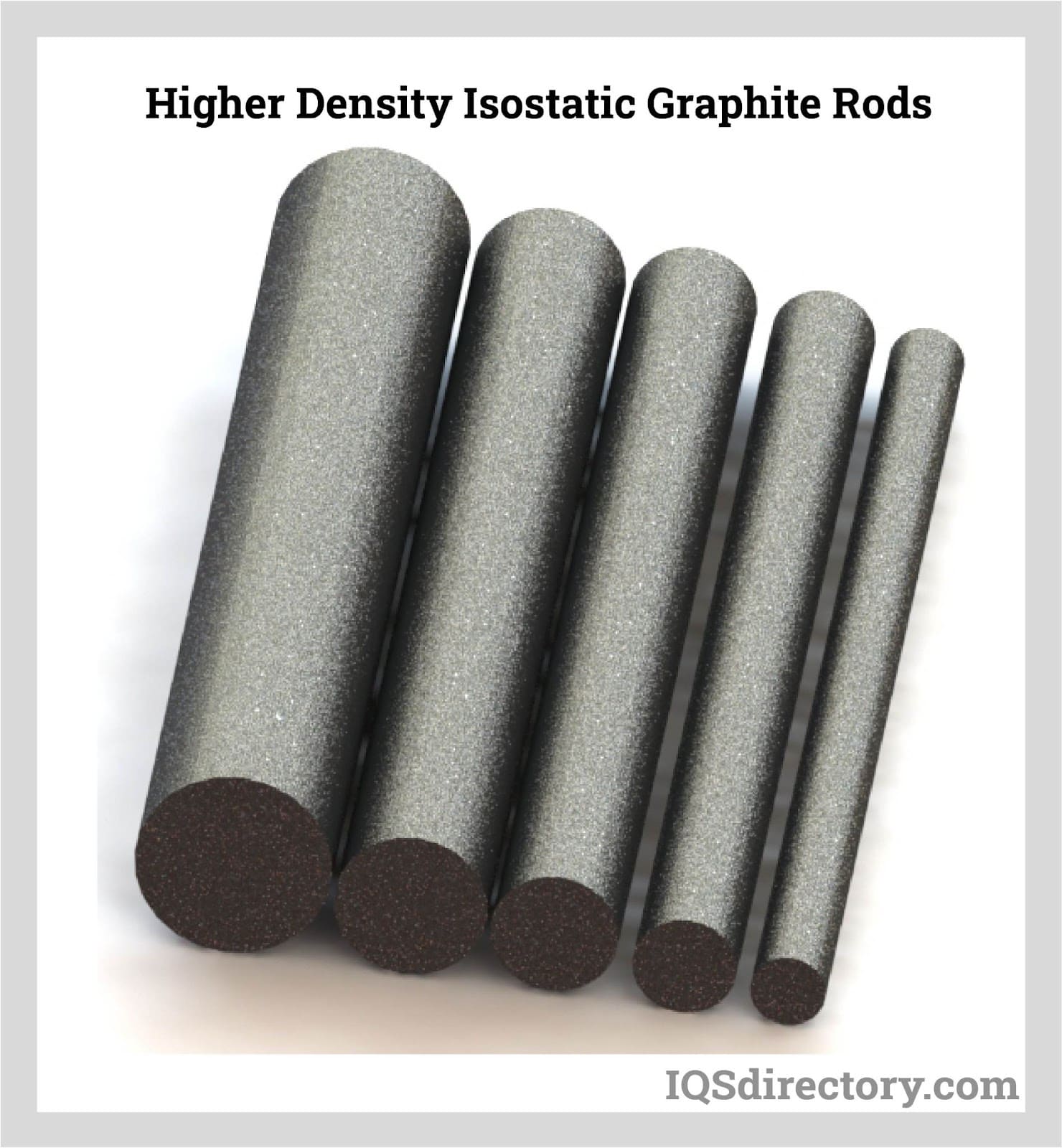
Understanding Graphite as a Material
Graphite is a form of carbon with a layered structure that gives it some interesting properties. This unique chemical structure not only affects its weight and strength but also plays a role in how it performs in fishing rods.
One of the main benefits of graphite in fishing rods is its lightweight nature. This means you can cast your line for longer periods without feeling fatigued. Plus, graphite rods offer excellent sensitivity, allowing you to feel even the slightest nibble from a fish.
When comparing graphite to other materials like fiberglass or bamboo, the differences become clear. Fiberglass rods are heavier and less sensitive, while bamboo rods, though beautiful, can be less durable. Graphite rods strike a balance between weight and sensitivity, making them a favorite among many anglers.
The Chemical Structure of Graphite
The chemical structure of graphite consists of layers of carbon atoms arranged in a hexagonal lattice. This structure allows the layers to slide over each other easily, which is why graphite is often used as a lubricant. In fishing rods, this characteristic helps create a flexible yet strong rod that can withstand the strains of fishing.
Benefits of Graphite in Fishing Rods
- Lightweight design for easier handling
- High sensitivity for better fish detection
- Durability that stands up to harsh conditions
When you’re out on the water, having a graphite rod can enhance your fishing experience. Imagine casting a line with a lightweight rod that lets you feel every subtle tug. You won’t just catch more fish; you’ll enjoy the process even more.
If you’re considering a new rod, think about how the properties of graphite can make a difference in your fishing adventures. Choosing the right material can elevate your time spent on the water significantly.
When it comes to fishing gear, you might be curious about the materials used in your rods, especially graphite. One question that often arises is whether are graphite fishing rods conductive, and how that affects your fishing experience.
Conductivity of Graphite Fishing Rods
Graphite fishing rods are popular for their lightweight yet strong properties. Understanding their conductivity can help you gauge how they interact with electronic devices or the environment while you’re out fishing.
Electrical conductivity is the ability of a material to allow the flow of electric current. In simpler terms, it’s how easily electricity can move through a substance. Graphite is a form of carbon and is known for its conductive properties, meaning it can conduct electricity to some extent.
Several factors affect the conductivity of graphite. The purity of the graphite, its structure, and how it’s processed can all influence how well it conducts electricity. For instance, high-quality graphite with fewer impurities will generally provide better conductivity than lower-grade options. Additionally, the orientation of the graphite particles can also play a role; when aligned properly, they can enhance conductivity.
Measuring Conductivity in Fishing Rods
Measuring the conductivity of fishing rods involves using a multimeter, an instrument that can measure electrical properties. To test, you’d typically attach the probes to different points on the rod and check for continuity. This helps you understand if your rod has any conductive properties and how effective they might be.
While you may not often need to measure conductivity during a fishing trip, it’s useful to know if your rod can affect any electronic devices you might be using, like fish finders. For example, if you’re using a rod close to sensitive electronics, knowing its conductivity can help you avoid interference.
Understanding the conductivity of graphite fishing rods can give you an edge when choosing your gear. Whether you’re a novice or a seasoned angler, keeping these factors in mind can enhance your fishing experience.
When it comes to fishing, every detail counts, including the materials used in your gear. If you’ve ever wondered, “Are graphite fishing rods conductive?” it’s essential to understand how this plays into your overall fishing performance.
Impact of Conductivity on Fishing Performance
The conductivity of a fishing rod can significantly influence your experience on the water. High conductivity can enhance sensitivity, improve casting distance, and affect how your lure behaves in the water.
First, let’s talk about sensitivity. A more conductive rod allows you to feel even the slightest nibbles on your bait. You’ll notice the difference when you’re fishing for finicky species like trout. With a graphite rod, you can detect those subtle vibrations and react quickly, increasing your chances of landing that catch.
Next up is casting distance. Conductivity can impact how energy transfers through the rod during a cast. A graphite rod, known for its lightweight and stiffness, can help you achieve greater distances compared to heavier materials. Imagine launching your lure further, reaching spots where fish are more likely to be lurking—pretty exciting, right?
Lastly, let’s consider lure action. The way your rod transmits energy can influence how your lure moves in the water. A rod with higher conductivity might enhance the responsiveness of your lure, making it swim more naturally. This could be the difference between a fish striking or swimming away uninterested.
Overall, if you want to enhance your fishing game, opting for a graphite rod can be a smart choice. You’ll get better sensitivity, longer casts, and improved lure action, all thanks to its conductive properties. So, the next time you’re in the market for a new rod, keep in mind how important these factors can be for your success on the water.
When it comes to fishing with graphite rods, safety should be a top priority. Understanding the conductivity of these rods can help you avoid dangerous situations while you’re out on the water.
Safety Considerations When Using Graphite Rods
Graphite fishing rods are lightweight and strong, but their conductivity can pose certain risks, especially when fishing near water or power lines. It’s essential to be aware of these safety issues to enjoy your time on the water safely.
One of the main concerns with graphite rods is the risk of electrical shock. If you’re fishing near power lines, any accidental contact between your rod and the lines can lead to dangerous situations. Graphite is conductive, which means if the rod comes into contact with an electrical source, the current can travel through the rod and potentially shock you.
Additionally, the combination of water and electricity can be lethal. Water is a great conductor of electricity, so if your rod is in contact with both water and a power source, the risk of shock increases significantly. Always keep a safe distance from power lines when fishing to minimize this risk.
Recommendations for Safe Use
To ensure your safety while using graphite rods, here are a few practical tips:
- Always check your fishing area for nearby power lines.
- Avoid fishing during storms or in bad weather, when lightning strikes are more likely.
- Consider using a non-conductive fishing rod if you frequently fish in areas where electricity is present.
Being aware of your surroundings and taking these precautions can help you enjoy fishing without worry. Next time you’re out with your graphite fishing rod, keep safety at the forefront of your mind. Remember, while these rods are fantastic for performance, they can also be conductive, so always fish smart!
When it comes to fishing rods, graphite isn’t the only player in the game. There are several other materials you can choose from, each with its own unique characteristics and benefits. Let’s dive into some alternatives and see how they stack up.
Alternatives to Graphite Fishing Rods
Fiberglass and composite rods are two popular alternatives to graphite fishing rods. Understanding their properties can help you decide which one fits your fishing style best.
Fiberglass Rods: Fiberglass rods are known for their durability and flexibility. They tend to be heavier than graphite, which makes them less sensitive but very sturdy. This can be a plus if you’re targeting larger fish or fishing in rough conditions.
One downside is that fiberglass rods can feel less responsive. You might not get the same feel for bites as you would with graphite. But if you’re just starting out or fishing in tough environments, they can be a great choice.
Composite Materials Overview
Composite rods combine different materials, usually fiberglass and graphite. This blend aims to offer the best of both worlds: the sensitivity of graphite and the strength of fiberglass. They can be a bit pricier, but many anglers find the investment worth it.
These rods are versatile and often lightweight, making them easier to handle for long periods. However, they might not be as rugged as pure fiberglass rods. For instance, if you’re chasing after big game fish, you might find yourself leaning toward a tougher fiberglass option.
- Fiberglass Rods: Durable, flexible, but less sensitive.
- Composite Rods: Good balance of sensitivity and strength, but can be pricier.
Choosing the right rod material really depends on your fishing needs. If you’re after sensitivity and finesse, you might want to stick with graphite or composite. But for durability and flexibility, fiberglass could be your best bet. Remember to consider where and how you’ll be fishing!
When considering your next fishing rod, the question of conductivity may cross your mind. Specifically, you might wonder, are graphite fishing rods conductive? Let’s break down the key points to help you make the best choice.
Conclusion: Choosing the Right Fishing Rod
Choosing the right fishing rod involves understanding how materials like graphite affect performance. While graphite rods can be conductive, it’s more about how they handle vibrations and sensitivity than about carrying electricity.
Graphite rods are known for their lightweight feel and sensitivity. This makes them a popular choice among anglers who want to feel even the tiniest nibble. However, if you’re planning to fish in areas with high electrical interference, you might want to be cautious as the conductivity could lead to some unpredictable results.
For most fishing conditions, graphite rods will serve you well. They provide excellent responsiveness and power, which is crucial for catching everything from bass to trout. If you’re fishing in a saltwater environment, consider a graphite composite rod for added durability without sacrificing performance.
Think about what type of fishing you enjoy. If you’re a finesse angler, a sensitive graphite rod might be your best bet. Alternatively, if you’re into heavy-duty fishing, a fiberglass or composite rod could offer the strength you need without the conductivity concerns.
Picture this: You’re out on the lake, and you feel that subtle tug on your line. With a graphite rod, you’ll quickly notice it, allowing you to react in time and make the catch. That’s the beauty of choosing the right material.
Ultimately, the choice of material comes down to your specific needs. Don’t shy away from graphite simply because of its conductivity; just keep your fishing environment in mind. Always consider what feels right in your hands and enhances your fishing experience.