
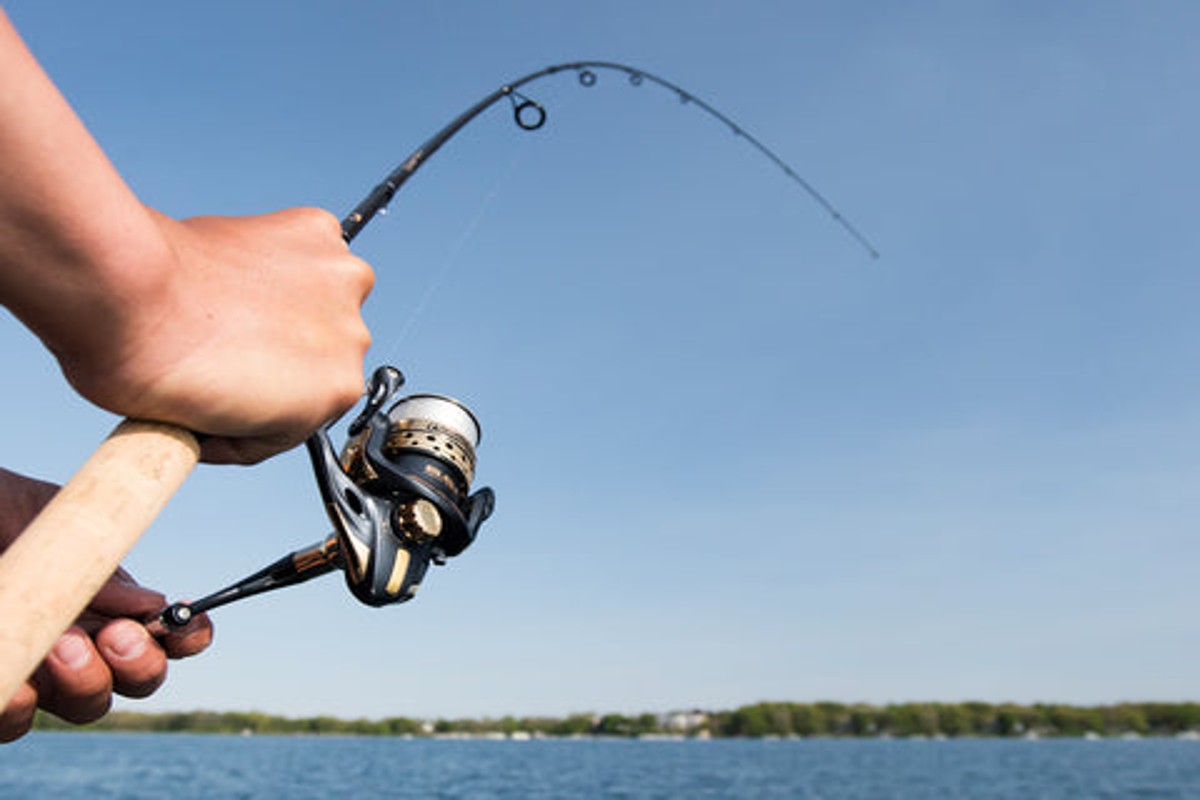
Are fishing rods waterproof? Generally, fishing rods are not completely waterproof, but many are water-resistant due to their materials and coatings. This matters because exposure to water can affect the rod’s performance and longevity.
For anglers, understanding the water resistance of their fishing gear is crucial. A water-resistant rod can withstand splashes and rain, but prolonged submersion may still lead to damage or deterioration.
When you think about fishing rods, the materials they’re made from play a huge role in their performance and durability. One key question you might have is, are fishing rods waterproof? Let’s dive into the materials commonly used and their water resistance.
Understanding Fishing Rod Materials
Fishing rods are typically made from a few main materials: graphite, fiberglass, and sometimes a mix of both. Each material offers different benefits and levels of water resistance, which can affect your fishing experience.
Graphite rods are lightweight and sensitive, making them a favorite for many anglers. However, while they offer good performance, they aren’t inherently waterproof. That said, the resin used in graphite rods can help repel water to some extent.
On the other hand, fiberglass rods are known for their durability and flexibility. They tend to be more water-resistant than graphite, primarily because of the thicker resin coatings that protect the material. If you’re fishing in rough conditions, a fiberglass rod might hold up better against the elements.
Impact of Resin Coatings
Resin coatings play a crucial role in enhancing the water resistance of fishing rods. These coatings not only protect the material from moisture but also add a layer of strength. A well-coated rod can withstand splashes and even the occasional dunk in the water without compromising its integrity.
Natural materials like bamboo are sometimes used in traditional rod-making. While they have their charm, they aren’t very water-resistant compared to synthetic options. If you decide to go old-school with a bamboo rod, just be mindful of the moisture it can absorb.
Natural vs. Synthetic Materials
- Graphite: Lightweight, sensitive, but not fully waterproof.
- Fiberglass: Durable, flexible, and more water-resistant.
- Bamboo: Traditional, charming, but absorbs moisture easily.
So, when choosing a fishing rod, consider where you’ll be fishing and the conditions you might face. If you expect to encounter water frequently, a fiberglass rod with a good resin coating might be your best bet for staying dry and making the most of your time on the water.
When it comes to fishing rods, understanding their water resistance can make a big difference in your fishing experience. You might wonder, “Are fishing rods waterproof?” The answer isn’t as straightforward as it seems. Let’s break down the difference between water resistance and waterproofing.
Water Resistance vs. Waterproofing
Water resistance and waterproofing are terms often used interchangeably, but they mean different things. Water-resistant rods can handle some moisture, while waterproof rods are designed to withstand being submerged without damage.
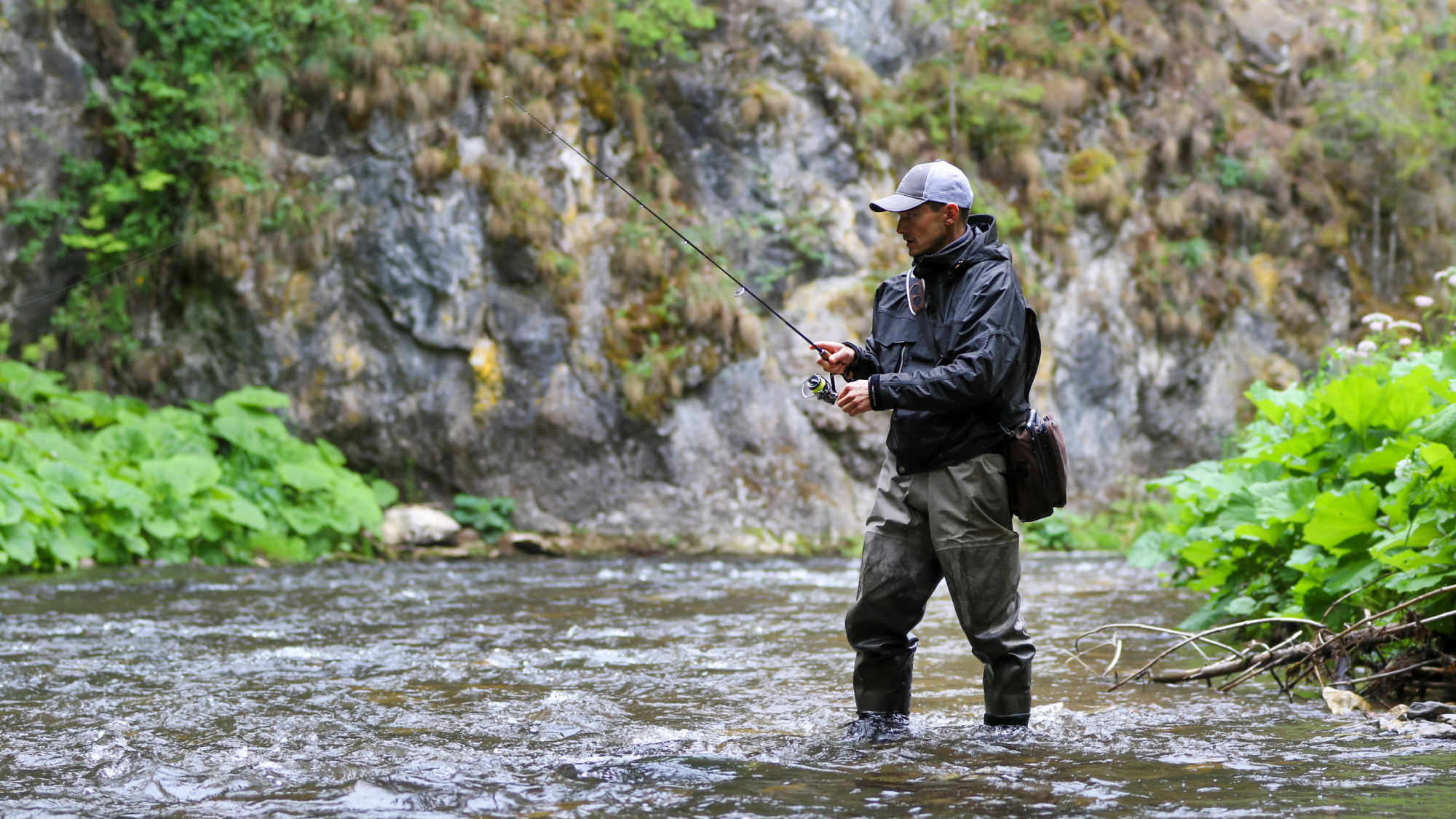
Water-resistant fishing rods typically feature materials or coatings that repel water. For example, a rod with a protective finish can resist splashes and light rain, but it shouldn’t be fully submerged. This means you can fish in damp conditions without worrying too much, but you still need to be cautious.
On the other hand, waterproof rods are built to endure complete immersion. These rods usually incorporate advanced materials and designs to prevent water from entering sensitive components. However, even these rods come with limitations. For instance, prolonged exposure to water can still lead to issues, like corrosion in the guides or reel seat.
Examples of Water-Resistant Rods
Many popular fishing rods on the market offer water resistance. For example, spinning rods with a high-grade epoxy finish can resist moisture without compromising performance. You could take one of these rods on a rainy day without too much worry, knowing it can handle the elements to a certain extent.
While waterproof rods are great for serious anglers who fish in extreme conditions, they often come with a higher price tag. It’s crucial to choose a rod that matches your fishing style and environment. If you’re just casting on a sunny day, a water-resistant rod might be all you need.
When selecting a fishing rod, think about where and how you plan to fish. If you’re frequently around water, a water-resistant option could serve you well. But if you’re diving into deep waters or facing heavy rains, consider investing in a waterproof rod for peace of mind. Knowing the difference can help you make the right choice for your next fishing adventure.
Water exposure can have some serious effects on your fishing rod. If you spend long hours battling the elements, it’s crucial to understand how moisture can impact your gear.

Effects of Water Exposure on Fishing Rods
Fishing rods aren’t just simple sticks; they’re finely crafted tools. Prolonged exposure to water can compromise their integrity, leading to various issues that affect both performance and longevity.
One of the main concerns is corrosion in the metal components. If your rod has guides, reels, or any metal parts, water can cause rust over time. This corrosion not only weakens these components but can also lead to breakdowns when you least expect it.
Another problem is damage to the rod finish. Most rods come with a protective coating that keeps them looking sharp and functioning well. But when water seeps into the finish, it can cause bubbling or peeling, making your rod look worn out and less appealing.
Then there’s the impact on performance. A corroded guide can cause line friction, affecting your casting distance and accuracy. If you’ve ever felt the frustration of a snagged line, you know how vital these components are for a smooth fishing experience.
Imagine you’re out on the lake, and everything seems perfect. You cast your line, but something feels off. You reel in, and your line snaps because the guide was corroded from too many wet conditions. That’s a bummer, and it could’ve been avoided with proper care.
To keep your fishing rod in tip-top shape, make sure to rinse it off with fresh water after a day on the lake or ocean. This simple step can help prevent corrosion and extend the life of your gear. Remember, while you might wonder, “are fishing rods waterproof?” the truth is, a little maintenance goes a long way in keeping them functional and looking great.
Taking care of your fishing rod is essential, especially if you often use it in wet environments. Proper maintenance not only enhances performance but also extends its lifespan, even when exposed to water. Let’s dive into some best practices for keeping your fishing rod in top shape.
Best Practices for Rod Maintenance
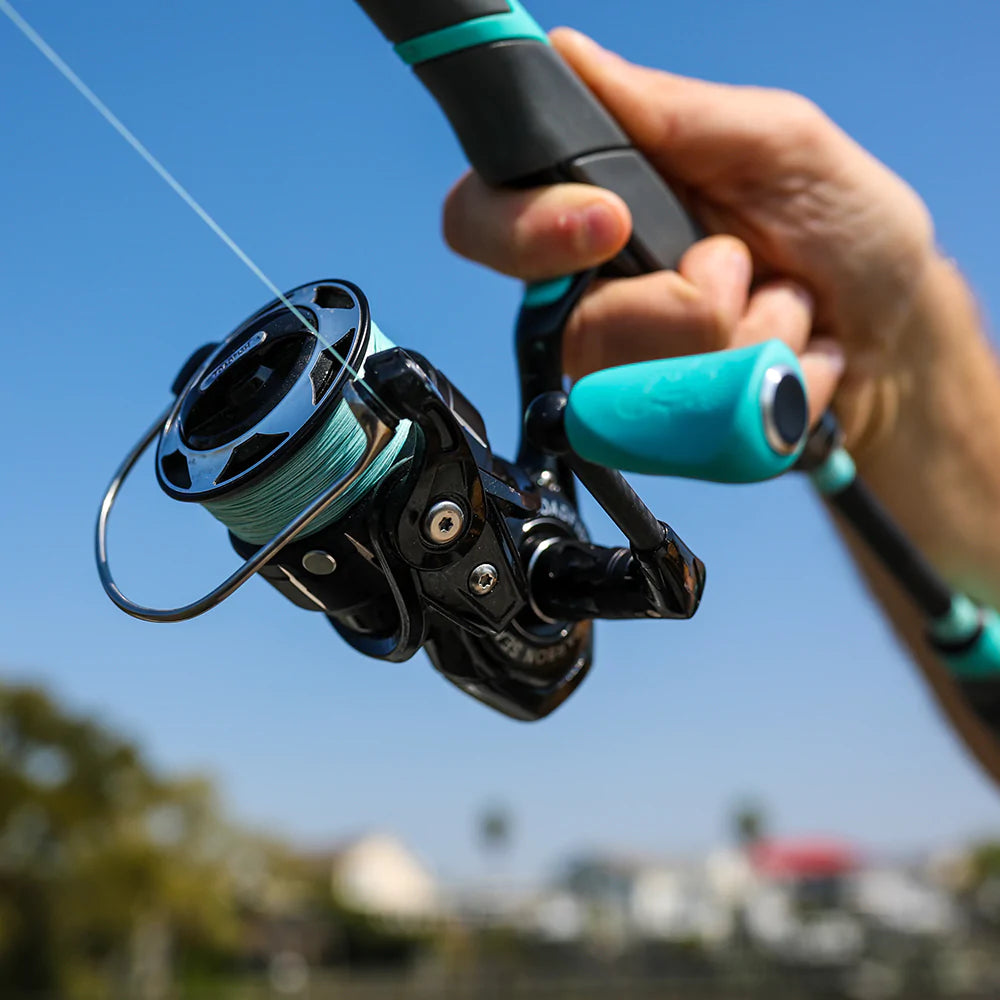
Maintaining your fishing rod is vital for ensuring it performs well and lasts a long time. By following a few simple steps, you can keep your rod clean, dry, and ready for your next fishing adventure.
First and foremost, always clean your rod after every use. If you’ve been fishing in saltwater, rinse it thoroughly with fresh water to remove any salt residue. A quick wipe with a soft cloth will help prevent grime buildup. If you notice any stubborn dirt, a mild soap solution can do the trick. Just make sure to rinse it off completely!
Once you’ve cleaned your rod, drying it properly is crucial. Water can lead to corrosion or mold if left unchecked. Hang it up in a well-ventilated area, away from direct sunlight, to ensure it dries completely. Avoid putting it away when it’s even slightly wet; a little moisture can cause more harm than you think.
Storage Recommendations
Where you store your fishing rod matters too. Keep it in a rod sleeve or case to protect it from dust and physical damage. If possible, store it upright in a cool, dry place to avoid bending or warping. Avoid leaving it in your car for extended periods, especially in extreme temperatures, as heat and humidity can wreak havoc on its components.
Regular inspections are another key aspect of rod maintenance. Make it a habit to check your rod for any signs of wear or damage before each fishing trip. Look for cracks, frays, or loose guides. Catching a small issue early can save you a lot of hassle later on. For instance, if you notice a guide is loose, you can fix it before it leads to a frustrating break while you’re on the water.
Remember, while the question of “are fishing rods waterproof” may come up, proper maintenance goes a long way in ensuring your rod can withstand the elements. Keeping it clean, dry, and stored correctly will make your fishing experiences much more enjoyable.
When it comes to fishing, the right rod can make all the difference, especially depending on the water conditions you’ll be facing. Whether you’re heading to a freshwater lake or the salty ocean, choosing the right rod is essential.

Choosing the Right Fishing Rod for Water Conditions
Your fishing rod should match the environment where you’ll be casting your line. Different water conditions call for various materials and designs, so understanding these factors will help you make an informed choice.
First, let’s talk about the difference between freshwater and saltwater rods. Freshwater rods are typically lighter and more flexible, designed for use in lakes, rivers, and streams. Saltwater rods, on the other hand, are built to withstand the corrosive nature of salt and are usually heavier to handle bigger fish. If you’re fishing in saltwater, using a freshwater rod can lead to damage and won’t hold up against the aquatic environment.
Next, consider the rod’s rating for water exposure. Many rods come with a rating that indicates their durability and resistance to water. Look for rods that specify they’re designed for the type of fishing you’ll be doing. For example, if you’re fishing often in harsh conditions, a rod rated for saltwater use will be your best bet.
Recommendations for Beginners
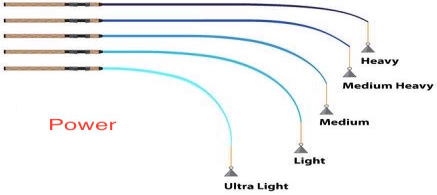
If you’re just starting out, it might feel overwhelming to choose the right fishing rod. A good rule of thumb is to start with a medium-action rod, which is versatile and suitable for both freshwater and light saltwater fishing. This type allows you to feel bites easily while still having enough strength to reel in your catch.
Additionally, if you’re looking for a budget-friendly option, consider a combo set that includes both the rod and reel. This can simplify your choice and ensure you have everything you need to get started without breaking the bank.
As a practical tip, always rinse your rod with fresh water after using it in saltwater. This simple step can significantly extend its lifespan and keep it working well for your future fishing adventures.
When it comes to fishing rods, there are plenty of misconceptions floating around. Let’s clear the air about waterproofing and separate fact from fiction.

Common Myths About Fishing Rod Waterproofing
Many anglers believe certain myths about fishing rods and their waterproof capabilities. Understanding these myths can help you make better choices when it comes to selecting and caring for your gear.
Myth: All rods are waterproof. This is a widespread belief, but the truth is that not all fishing rods are created equal. Many rods are designed to resist water to some extent, but they aren’t completely waterproof. For example, a rod made from fiberglass may repel some water, but that doesn’t mean you can submerge it for hours without risking damage.
Myth: Waterproof rods require no care. Just because a rod claims to be waterproof doesn’t mean you can neglect it. Maintenance is crucial. Even if a rod has a waterproof coating, regular cleaning and inspection are necessary to ensure it remains in top condition. Over time, wear and tear can compromise that waterproofing, leading to potential issues.
Myth: Price determines water resistance. While it’s true that higher-priced rods often come with better materials and technology, price doesn’t always guarantee waterproofing. You can find affordable options that offer decent water resistance. Always check the specifications and reviews rather than solely relying on the price tag.
Next time you’re looking for a fishing rod, keep these myths in mind. Don’t let misinformation steer you away from making a smart choice. Proper care and understanding your gear’s capabilities will help you enjoy your fishing trips without unnecessary worries.