
Last summer, Dave and I were out fishing when disaster struck — my old rod just couldn’t handle the catch anymore.
As I struggled with the fraying guides, I realized I needed a new skill in my arsenal.
I’ll show you how this unexpected moment led me to master the art of wrapping fishing rods.
Trust me, you won’t want to miss the tips and tricks I’ve learned along the way!
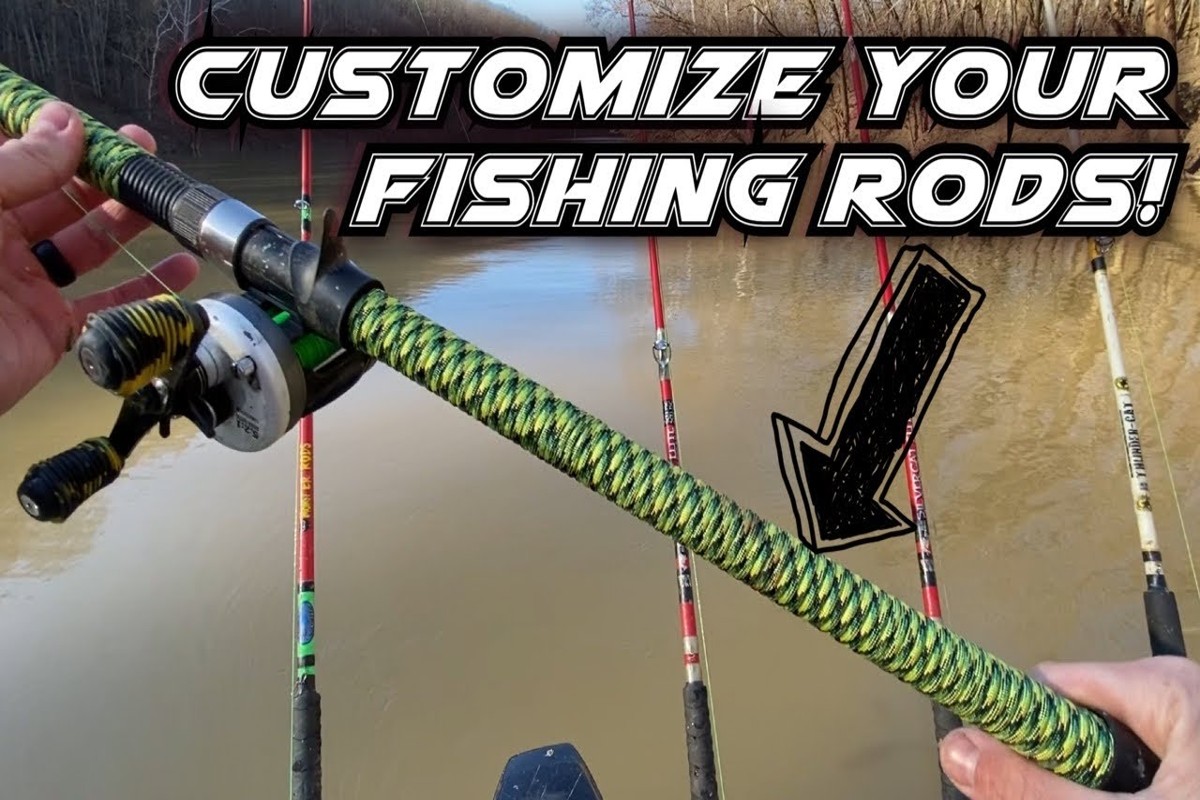
To wrap fishing rods, start by selecting the right materials, including rod guides and thread. Secure the guide, apply thread carefully in a spiral pattern, and finish with epoxy for durability.
But the answer alone doesn’t tell the whole story — let me walk you through what I actually experienced on that fishing trip and how it changed my outlook on the craft forever.
So, here’s a funny story about my buddy Dave.
He had this epic fishing trip planned last summer.
But right as he was about to cast his line, his rod snapped in half.

What Happened When My Fishing Rod Failed Me?
Fast forward a few months, and I found myself in a similar boat.
It was a gorgeous morning in Colorado Springs.
The sky was blue, and I was buzzing with excitement.
I had my favorite fishing spot in mind, a secret little lake.
But then, disaster struck — my fishing rod just snapped during a cast!
The moment it happened felt surreal.
One second, everything was perfect.
The next, I was holding a broken rod, staring at it in disbelief.
Honestly, I couldn’t believe my luck on what was supposed to be a great day.
I knew I had to find a solution, and fast.
The whole deal caught me off guard.
I mean, I never thought about the fragility of my gear before.
What I learned from that was how crucial it is to really know your equipment.
It wasn’t just about fishing — it was about understanding my gear.
And to make matters worse, my sister was with me, and she had never seen me so stressed.
When you’re out there, the last thing you want is to be unprepared.
I felt like a rookie, which really stung because I thought I had it down.
I realized I needed to educate myself on how to wrap fishing rods properly.
Turns out, it’s a skill worth having.
What surprised me was the amount of frustration I faced that day.
I spent hours feeling defeated.
But as I sat there, I started thinking about how I could turn this around.
So I hit up a Quora forum later that week looking for answers.
I found a few posts that helped me get the basics.
- Check your gear regularly.
- Learn how to wrap rods if they break.
- Have a backup rod — because, trust me, you’ll need it.
If I had to do it again, I’d go in armed with knowledge.
The thing nobody tells you is that enjoying fishing means being prepared for setbacks.
Next time I hit that lake, I’ll be ready — and my rods will be too.
Here’s something I didn’t expect.
After my fishing rod snapped like a twig, I was sulking about it.
That’s when Dave dropped some serious knowledge on me.

A Lesson from Dave: Why Wrapping Rods Matters
I was sitting on the riverbank, staring at my broken rod.
Dave showed up, grinning like he knew a secret.
He started talking about rod maintenance — something I’d never considered.
As he explained, I felt a bit embarrassed.
I really hadn’t paid much attention to the durability of my gear.
What surprised me was how much he knew.
Dave’s been fishing since he was a kid in Colorado Springs.
His expertise goes way beyond just casting a line.
He explained that wrapping rods isn’t just for aesthetics.
It’s about protecting the rod and enhancing its longevity.
The part that caught me off guard was the idea that wrapping could actually prevent breakage.
Dave described all the pressure a rod endures while fighting a fish.
If you think about it, it’s kind of nuts.
Every battle is a test of durability.
He mentioned how a well-wrapped rod can significantly improve performance.
The wrapping can absorb shock, manage stress, and even help with balance.
I couldn’t believe it took me this long to learn about it.
What I learned from that was pretty straightforward.
Failing to maintain my rod could lead to expensive mistakes.
The last thing you want is to be reeling in a big catch only to have your gear fail.
That’s where wrapping comes in — it’s like a protective armor for your rod.
- Wrapping increases durability.
- It can boost your rod’s performance.
- It’s a good habit to take up.
If I had to do it again, I’d take Dave’s advice seriously from the beginning.
The thing nobody tells you is that fishing isn’t just about patience.
It’s also about making sure your gear is as ready as you are.
And now, I’m ready to learn how to wrap fishing rods like a pro!
Ever stepped into a tackle shop and felt like you were in a candy store?
Yeah, that was me on the day I decided to learn how to wrap fishing rods.
The excitement was real, but so was the intimidation.

Gathering Supplies: The Start of My New Journey
I walked into my local tackle shop in Colorado Springs, and it hit me like a tidal wave.
The walls were lined with rods, reels, and all sorts of gadgets I didn’t know existed.
I felt like a kid on Christmas morning, yet completely lost.
My friend Dave told me it would be simple, but I had my doubts.
As I started to browse the aisles, I was stopped by the shop owner.
He was a seasoned angler with a beard that practically screamed “fishing expert.”
He asked what I was looking for, and I sheepishly muttered something about wrapping rods.
The enthusiasm was contagious, and so were the questions—like “What kind of rod are you wrapping?”
Once the conversation got rolling, I soon realized how much there was to consider.
The various sizes of guides, the different types of thread, and don’t get me started on the epoxy.
I felt both excited about the possibilities and totally overwhelmed by the choices.
Like, who knew I’d need so many supplies just to get started?
The part that caught me off guard was how much the shop owner cared about my success.
He shared tips I never would have thought of on my own.
“The right thread can make or break your wrap,” he said with a wink.
I told myself I needed to remember all this, even though my mind felt like a ping-pong ball.
What I learned from that day is that choosing the right tools is crucial.
I left the shop with a bundle of supplies that felt both exciting and heavy.
But I also carried with me a newfound determination.
I was ready to tackle this challenge head-on, despite my initial fears.
If I had to do it again, I’d probably write down all the advice I received.
Because trust me, when you’re faced with rows of colorful thread, it’s easy to forget what you came for.
But here’s the thing—getting started felt like diving into something bigger than just fishing.
It was about creating something unique, and that’s what really hooked me.
So, picture this.
I’m sitting at my dining room table, armed with supplies to wrap fishing rods, thinking I’m about to become a pro.
Then my buddy Dave texts me with a major hiccup in his own rod-wrapping adventure.
The First Attempt: A Comedy of Errors
I was so pumped to get started.
But as soon as I unspooled the thread, chaos hit.
The thread tangled like it was auditioning for a circus act.
Every time I thought I had it figured out, I ended up with this massive knot.
And let me tell you, my frustration took a dive into the deep end.
Dave was in the same boat—well, kind of.
He had run into his own disaster of a different flavor.
After watching a YouTube video, he thought he was ready and ended up wrapping the thread around his hand instead of the rod!
We couldn’t stop laughing at each other’s disasters that day.
It felt like comedy hour over text messages.
What I learned from that was how not organized I was.
I had all these threads and tools piled up like a tornado had hit my workspace.
It threw me off my game completely.
Instead of focusing on wrapping the rod, I was busy trying to untangle everything, which took way longer than it should have.
The part that caught me off guard was the realization that the process requires patience.
I thought I’d just whip it out and be done in an hour.
But nope, it turned into an all-day affair.
In the end, my tangled mess was a huge reminder that sometimes it’s better just to slow down and take a step back.
Then, there were those moments shared with Dave.
We cheered each other on and shared our fails, which made it all feel a little lighter.
Every time I’d shout out in frustration, he’d send me a meme that had us both in stitches.
That laughter made the whole experience more enjoyable.
And honestly, it helped me to keep going, even when I felt like quitting.
If I had to do it again, I’d definitely be more organized in my approach.
And I wouldn’t rush the process.
After all, learning how to wrap fishing rods isn’t a race; it’s more like a really weird marathon.
Here’s the thing nobody tells you: it’s all about the fun along the way, and the laughter you share makes the mess worth it.
Here’s something I didn’t expect.
After my chat with Dave, I found myself getting totally hooked on wrapping rods.
Not in the way I thought I would, though.

Finding My Rhythm: Mastering the Technique
The moment something clicked was magical.
I was sitting in my garage, tools scattered everywhere.
Dave’s advice echoed in my mind: take it slow, enjoy the details.
It was like a light bulb went off.
At first, it had felt tedious.
Each wrap seemed to take forever.
But slowly, I began to appreciate the rhythm of it all.
The satisfaction of seeing neat lines unfurl before me was intoxicating.
What struck me was the sheer satisfaction of improvement.
I went from making a mess of thread to crafting something that looked legit.
The first time I got it right, I had to step back and admire my handiwork.
It felt like winning a small battle against clumsiness.
During my practice sessions, I stumbled upon a few tips that transformed my experience.
First off, patience was key.
Rushing led to tangled messes that took me way too long to untangle.
Also, using a steady hand made a world of difference.
Here are a few things I learned along the way:
– Keep your workspace organized.
– Use quality thread. It makes life easier.
– Practice makes perfect — seriously.
If I had to do it again, I’d remind myself to have fun.
This was a creative endeavor, not a chore.
So what if my first few attempts looked like a raccoon had done them?
The process was what mattered most.
Eventually, I embraced the art of wrapping rods.
Every time I take a cast with my newly wrapped rod, I smile.
Not just because I caught fish — but because of the joy in the journey.
How to wrap fishing rods became something I genuinely loved.
Before I get into the nitty-gritty, I just want to be real with you —
everything I’m sharing is from my own fishing adventures and a sprinkle of creativity.
If you’re thinking about making any big decisions, it’s always a great idea to chat with a pro who knows their stuff!
Here’s something I didn’t expect.
My new fishing rod was not just a tool; it was a symbol of my hard work.
And it was time to see if my handiwork could actually catch fish.
My New Fishing Rod: Ready for Adventure
With my newly wrapped rod in hand, I felt a rush of excitement.
Dave and I loaded up his truck, the back brimming with tackle boxes and snacks.
As we arrived at the lake, I could hardly contain myself.
This was my first real fishing trip with the rod I’d spent hours preparing.
The first cast was exhilarating.
I felt like a pro, even though I was just a rookie.
When that line flew off the reel, it was like time stopped.
For a second, there was only me, the rod, and the water.
Using my creation felt surreal.
Every flick of the wrist reminded me of my late-night practice sessions.
All those little mistakes I made while learning how to wrap fishing rods taught me something crucial.
It was about finding the right grip and rhythm.
What I learned from the early struggle was to embrace the process.
I messed up on the first couple of wraps — I wasn’t paying attention.
Turns out, if you skip steps, it shows during the actual casting.
But hey, we all start somewhere, right?
Looking into the future, I couldn’t help but dream of adventures ahead.
This rod would join me on countless fishing trips, probably even through the changing seasons in Colorado Springs.
There would be moments of laughter and maybe a few lost fish.
But I was ready for all of it.
If I had to do it again, I’d probably put more care into that initial wrap.
But honestly, nothing compares to the buzz of actually casting out a line with something I made myself.
And I’m excited to see where this journey takes me next.