
Are fishing rods conductive? Yes, fishing rods can be conductive depending on their materials, particularly those made from graphite or carbon fiber. Understanding this is crucial for anglers, as it affects their safety and performance while fishing.
For instance, using a conductive fishing rod near power lines or during a thunderstorm can pose serious risks. Knowing the materials of your rod helps ensure a safer fishing experience, especially in diverse environments.
When you’re out on the water, you might wonder about the materials in your fishing gear. One question that often comes up is whether fishing rods are conductive.

Understanding Conductivity in Fishing Rods
Conductivity refers to how well a material can transmit electricity. In the context of fishing rods, understanding conductivity can help you choose the right gear for your fishing experience.
Materials that conduct electricity well include metals like copper and aluminum. These materials allow electric currents to flow easily, making them ideal for wiring and electronic devices. However, fishing rods are typically made from materials like fiberglass, graphite, or composite materials, which don’t conduct electricity as effectively.
While fishing rods are not designed to conduct electricity, understanding conductivity can still be crucial. For instance, if you’re fishing during a thunderstorm, using a metal rod can pose serious risks. Being aware of the materials your rod is made from can help you make safer choices while fishing.
Let’s consider a scenario: you’re out on the lake, and suddenly, dark clouds roll in. If you’ve got a graphite rod, you’re less likely to run into trouble compared to someone wielding a metal rod. In this case, knowing that fishing rods are generally non-conductive can keep you safer from lightning strikes.
So, when you’re shopping for your next fishing rod, remember to think about the materials used in its construction. Non-conductive rods, like those made from fiberglass or graphite, can offer you peace of mind, especially in unpredictable weather. Making informed choices helps you enjoy your time on the water without unnecessary risks!
When you think about fishing rods, you might not immediately consider the materials that make them up. But understanding these materials can give you insight into their properties, including conductivity.
Materials Used in Fishing Rods
Fishing rods come in several materials, each offering unique characteristics. From lightweight graphite to traditional bamboo, the choice of material can impact not just the rod’s performance but also how conductive it is.
Graphite rods are popular among anglers for their strength and sensitivity. They’re made from carbon fibers, which are known for being lightweight while providing excellent responsiveness. In terms of conductivity, graphite is quite effective, meaning it can transmit vibrations from the line to your hands very well. This can help you feel even the slightest nibble on your bait.
On the other hand, fiberglass rods are heavier but incredibly durable. They’re made from glass fibers and are often more flexible than graphite rods. While fiberglass isn’t as conductive as graphite, it still provides good sensitivity for many fishing applications. You’ll find fiberglass rods typically used for heavier fishing techniques, where strength is more critical than sensitivity.
Bamboo and Traditional Rods
Bamboo rods are a nod to the classic fishing experience. Traditionally crafted, these rods are appreciated for their aesthetic appeal and delicate action. However, when we look at conductivity, bamboo falls somewhere in the middle. It’s not as sensitive as graphite, but it can still transmit some vibrations. Many anglers who use bamboo appreciate the unique experience it offers, even if it doesn’t have the same responsiveness as modern materials.
So, what’s the best choice for you? If you’re after sensitivity and responsiveness, a graphite rod might be your best bet. If durability and flexibility are your priorities, consider fiberglass. And for a classic touch, a bamboo rod can offer a unique fishing experience, even if it’s not the most conductive option available. Choose based on your fishing style and enjoy the process of finding what works for you!
When it comes to fishing, the type of rod you use can make a big difference. You might be wondering how conductivity factors into your fishing experience.
Impact of Conductivity on Fishing Performance
The conductivity of fishing rods can significantly influence your performance on the water. It affects how sensitive the rod is to bites and even how you interact with the fish you’re trying to catch.
First off, let’s talk about sensitivity. A rod’s ability to transmit vibrations from the line to your hands is crucial. The more conductive the material, the better you’ll feel subtle bites. For instance, if you’re using a high-quality graphite rod, you’ll likely notice even the faintest nibble, allowing you to respond quickly and improve your chances of hooking that fish.
Next, consider the concept of electrical interference. Fish can be sensitive to electrical fields in the water, and a highly conductive rod might amplify these fields. Some anglers believe this could either attract or repel fish. While more research is needed, it’s something to keep in mind when you’re out fishing, especially in areas where electrical activity might be high.
Influence of Rod Materials on Casting Techniques
The materials that make up your fishing rod can also affect your casting techniques. For example, rods made from composite materials might have different weight distributions compared to all-graphite or fiberglass rods. This can change how you cast and how much accuracy you have during long-distance throws.
When you’re out fishing, think about how your rod’s conductivity ties into your overall strategy. If you’re targeting species that are known to be skittish, a more sensitive rod could give you an edge. You’ll be better positioned to detect the smallest bites, leading to a more successful day on the water.
So, when considering whether are fishing rods conductive, remember that the right rod can enhance your fishing experience in multiple ways. Choosing the right material can help you feel more confident and effective on the water.
Fishing can be a relaxing and rewarding activity, but safety should always come first. One concern that often arises is whether fishing rods are conductive and what risks that might pose.
Safety Considerations When Fishing
When you’re out on the water, being aware of your surroundings and the equipment you’re using is crucial for your safety. Understanding the risks associated with conductive materials can help you make informed decisions while fishing.
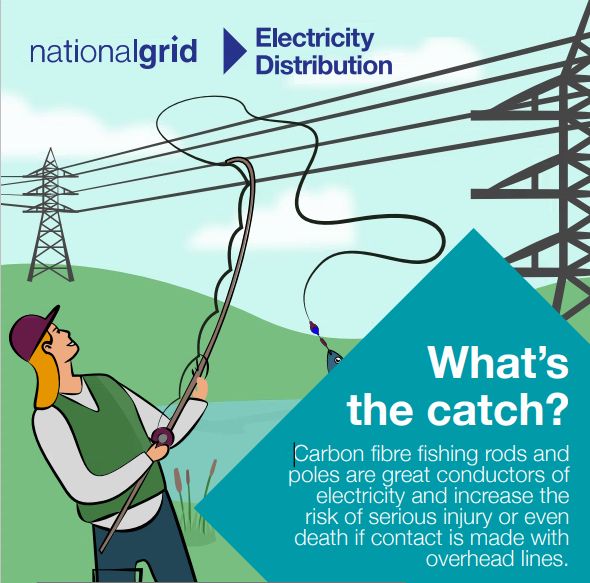
One of the biggest risks when using fishing rods, particularly those made from certain materials, is electric shock. If you’re fishing during a thunderstorm or near electrical infrastructure, the risk increases significantly. Even if your rod isn’t conductive, it can attract lightning if you’re holding it in an open area.
Fishing near power lines is another critical safety concern. If your line gets snagged on a power line, it could lead to dangerous situations. Always keep an eye out for any overhead wires and avoid casting your line in those areas. It’s better to move to a different spot than risk a potentially fatal accident.
When choosing a fishing rod, consider the materials it’s made from. Fiberglass and carbon fiber rods are less conductive compared to aluminum or graphite rods. If you’re worried about the conductivity of your rod, opt for those made from safer materials. They not only offer better safety but can also enhance your fishing experience.
Imagine you’re out fishing on a sunny day, but dark clouds suddenly roll in. You’re tempted to stay because the fish are biting, but the potential for lightning strikes is very real. In this scenario, it’s best to pack up and head to safety rather than risk an accident.
Always be mindful of your environment and equipment. Staying informed about the materials your fishing rod is made from and avoiding risky areas can make your fishing trips enjoyable and safe. Remember, safety should always be a priority when you’re on the water.
When choosing a fishing rod, one crucial factor to consider is its conductivity. You might be wondering, are fishing rods conductive? Let’s dive into how different materials stack up against each other.

Comparative Analysis of Fishing Rod Conductivity
Understanding the conductivity of fishing rods can help you make an informed decision based on your fishing style. The most common materials used in fishing rods are graphite and fiberglass, each offering unique advantages and disadvantages.
Graphite rods are known for their high conductivity. This means they can transmit vibrations from the line to your hands effectively. Many anglers prefer these rods because they allow for better sensitivity, making it easier to detect bites. On the flip side, fiberglass rods have lower conductivity. They’re typically more durable and can handle heavier loads, making them a favorite for beginners and those fishing in tough conditions.
Benefits of High vs. Low Conductivity Rods
High conductivity rods, like graphite, provide excellent feedback. This is especially useful when you’re fishing for species that require finesse, such as trout or bass. You’ll feel even the slightest nibble, which can make all the difference in your catch rate.
Conversely, low conductivity rods are robust and tend to be more forgiving. If you’re battling larger fish or fishing in rough environments, a fiberglass rod might be your best bet. They can absorb shock better and are less likely to break under pressure, so you can focus on reeling in your catch without worrying about the gear.
User Preferences Based on Conductivity
User preferences often hinge on personal experience and the type of fishing they enjoy. If you’re a tournament angler, you’re likely to lean towards graphite rods for their sensitivity. However, if you’re just starting or enjoy a more casual fishing experience, a fiberglass rod could be the perfect fit.
Imagine you’re out on the lake, waiting for a bite. With a graphite rod, you feel the faintest tug, and your reflexes kick in. You set the hook before the fish has a chance to escape. Meanwhile, a friend using a fiberglass rod might not feel that same subtle bite, but they’re confidently pulling in larger fish without fear of snapping their rod.
Ultimately, the choice between high and low conductivity rods comes down to your fishing style and preferences. Think about where and how you typically fish to find the rod that suits you best.
As technology in fishing gear advances, it’s fascinating to see how new materials and innovations are changing the game. You might be wondering how this impacts the conductivity of fishing rods, or if materials that enhance performance are on the horizon.
Future Trends in Fishing Rod Materials
Emerging materials are set to revolutionize fishing rods, offering both improved performance and sustainability. From carbon fiber to bio-based composites, the future looks bright for anglers seeking lightweight and durable options.
One of the standout innovations is the use of carbon fiber in rod construction. This material is not only lightweight but also incredibly strong, allowing for better sensitivity and responsiveness when you’re out on the water. Imagine feeling even the slightest nibble on your line without the extra weight dragging you down.
Sustainability is another key focus in rod development. Manufacturers are exploring eco-friendly alternatives that don’t sacrifice performance. For instance, some companies are experimenting with recycled plastics and natural fibers, which can help reduce environmental impact while still providing the durability you need. This means you can enjoy your time fishing while also caring for the planet.
Looking ahead, we can expect significant advancements in fishing gear technology. Smart rods equipped with sensors to measure water temperature or detect fish activity are becoming a reality. Imagine casting your line and getting real-time data about what’s happening below the surface. This could change how you fish, making it more efficient and enjoyable.
With all these trends, you’re probably asking yourself: are fishing rods conductive? Well, the materials used in these innovations will certainly impact conductivity, which is crucial for certain types of fishing. As manufacturers experiment with new composites, keep an eye on how these developments might influence your fishing experience.
Next time you’re shopping for a new rod, consider these emerging materials and technologies. They might just give you the edge you need for a successful day on the water.