
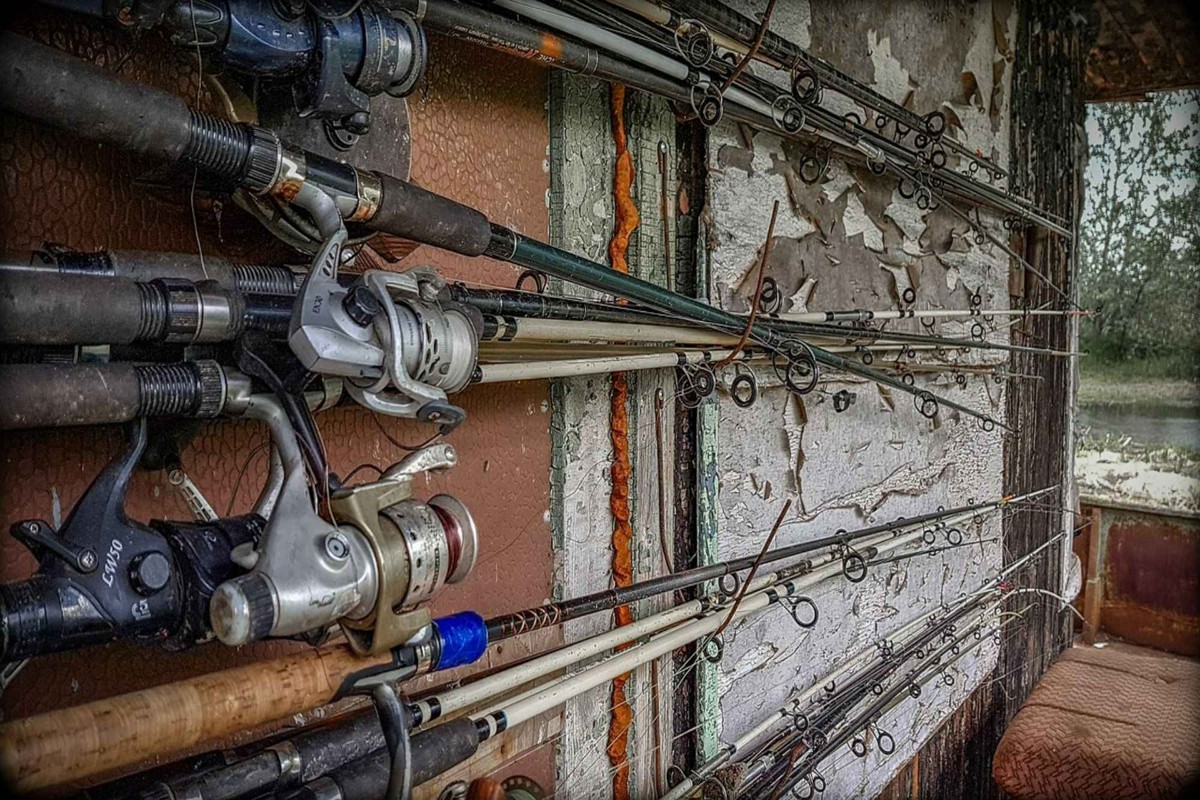
Are old fishing rods still good? Yes, many old fishing rods can still perform well if they are well-maintained and suitable for your fishing style. Choosing an older rod can often offer unique benefits, including vintage craftsmanship and materials.
For instance, seasoned anglers may find that a classic rod enhances their fishing experience, providing a nostalgic connection to the sport. With proper care, these rods can remain effective tools on the water.
When you’re thinking about dusting off that old fishing rod, the first step is to give it a thorough check-up. Evaluating its condition can help you decide if it’s still good for your next fishing trip.
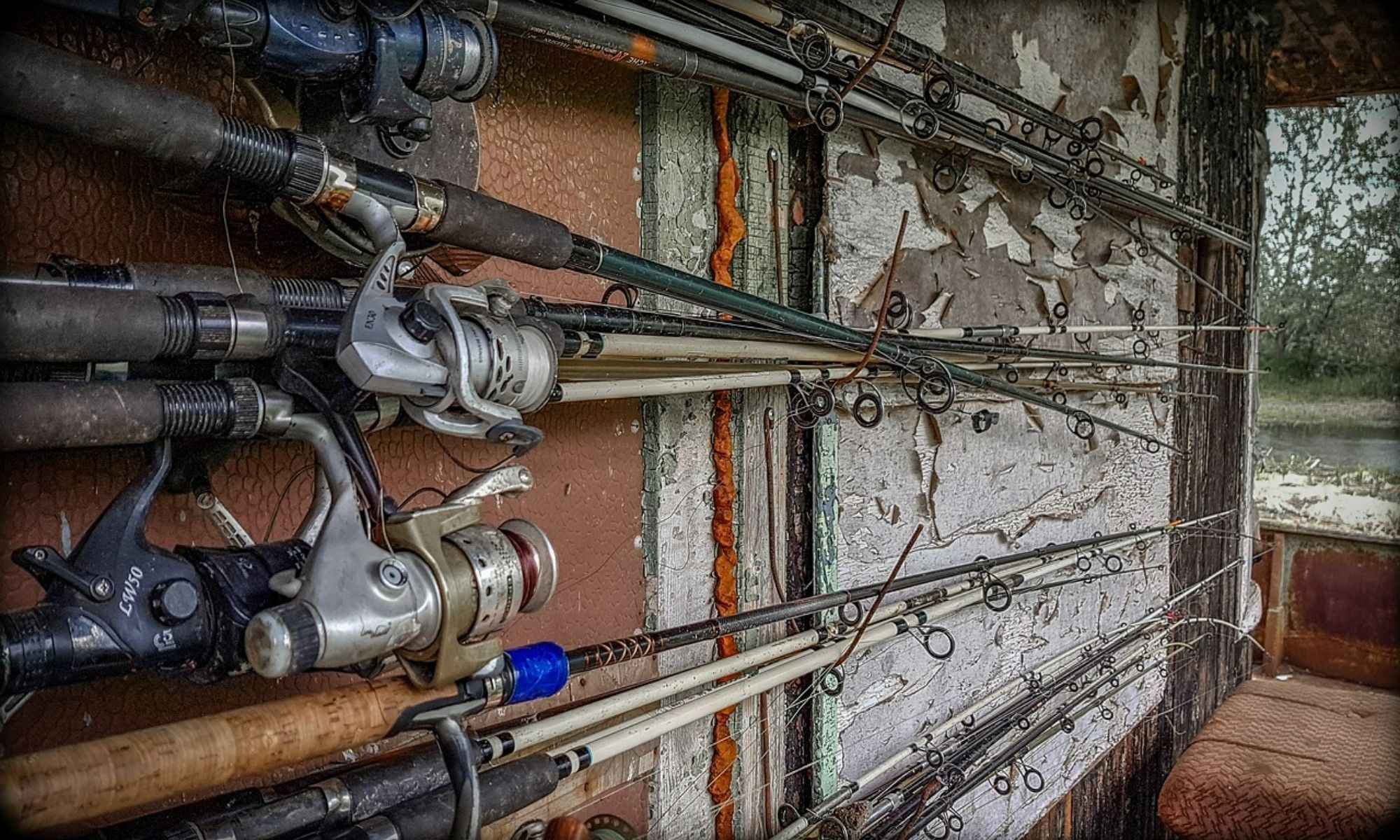
Assessing the Condition of Old Fishing Rods
You want to make sure your fishing rod is ready for action. A careful inspection will reveal any cracks or damages that could affect your fishing experience.
Start by examining the rod’s blank for any visible cracks or signs of structural damage. Even small fractures can weaken the rod and may lead to breakage when you’re out on the water. If you see any chips or gouges, that’s a red flag.
Next, take a close look at the guides and reel seats. The guides should be smooth and free from any rust or corrosion. If the ceramic inserts are cracked or missing, they can snag your line, which won’t be fun when you’re trying to reel in a catch. Similarly, check the reel seat for any looseness or damage, as this can affect how securely your reel is mounted.
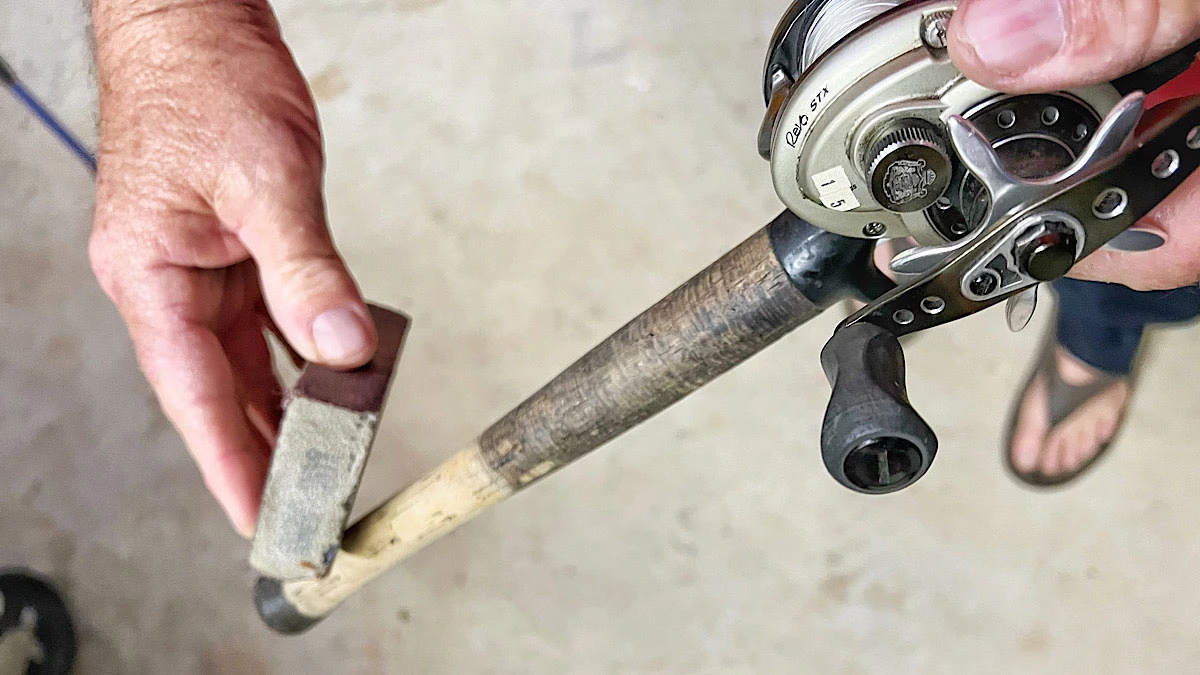
Don’t forget to inspect the handle as well. Look for signs of wear, such as cracks or peeling. A handle that’s too worn might not give you the grip you need, especially when you’re trying to land a big fish. If it’s made from cork, check for soft spots or deterioration; these can often be fixed with some repair work.
For example, imagine you’re on the lake, feeling that tug on your line, but suddenly your rod snaps because you didn’t notice a tiny crack. That’s a frustrating situation you want to avoid. So, spending a little time assessing your gear can make a big difference in your fishing adventure.
Ultimately, if you find that your old rod has minimal wear and tear, it could still be a reliable companion on your fishing outings. Just make sure to give it the care it deserves to ensure it remains in good shape. Are old fishing rods still good? With proper handling and maintenance, they can certainly be worth keeping around!
When it comes to fishing, the gear you use can make a big difference. Old fishing rods can still hold their own, but understanding their types and uses is key to getting the most out of them.
Types of Old Fishing Rods and Their Uses
Different types of fishing rods come with various advantages, especially when they’re older. Whether you’re considering fiberglass or graphite, or looking at spinning versus casting rods, each has its own charm and purpose.
First off, let’s dive into the materials. Fiberglass rods are known for their durability and flexibility, making them great for beginners or those who prefer a more forgiving rod. They can withstand a lot of wear and tear, which is why many old fiberglass rods are still in good condition. On the other hand, graphite rods are lighter and more sensitive, allowing you to feel even the slightest nibble. If you’re after finesse in your fishing, a vintage graphite rod could be just the ticket.
Spinning Rods vs. Casting Rods
Next, you’ll want to consider the type of rod based on your fishing style. Spinning rods are generally easier to use, especially for those who might be new to fishing. They allow for quick line changes and are fantastic for lighter lures. Conversely, casting rods require a bit more skill but offer greater accuracy and control. If you’re targeting specific fish species, an old casting rod can help you make precise casts where you need them.
Don’t forget about specialty rods! These are designed for specific types of fishing or fish. For instance, if you’re into catfishing, an older heavy-duty rod can be a real gem. They can handle the weight and fight of larger fish, providing a thrilling experience. You might also find rods tailored for fly fishing or trolling, each offering unique advantages for those specific situations.
So, when you’re wondering, “are old fishing rods still good?” remember that the type of rod you choose makes all the difference. Don’t shy away from those vintage pieces; they can be just as effective and sometimes offer a nostalgic edge that new models can’t match. Just ensure you give them a thorough check and some TLC before hitting the water!
If you’re wondering whether old fishing rods can still hold their own against modern models, you’re not alone. Many anglers have a sentimental attachment to their vintage gear, but does that nostalgia translate into performance? Let’s dive into a comparison of old versus modern fishing rods.
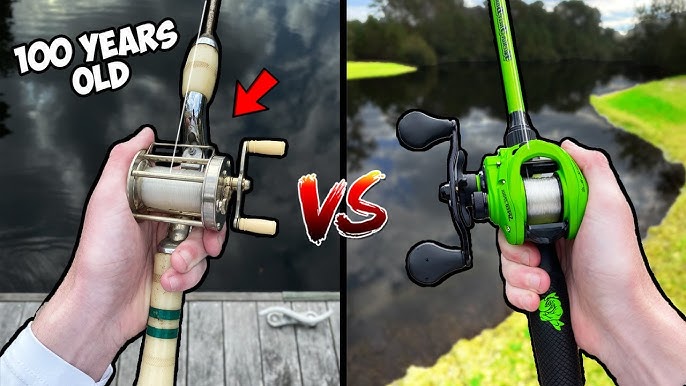
Performance Comparison: Old vs. Modern Rods
When comparing old fishing rods to their modern counterparts, several key factors come into play. Weight and sensitivity, casting distance and accuracy, along with durability and longevity can greatly affect your fishing experience.
First up is weight and sensitivity. Older rods were often made from heavier materials like fiberglass or even wood, which can make them feel cumbersome after a long day on the water. Modern rods, on the other hand, are typically crafted from lightweight carbon fiber or composite materials. This not only makes them easier to handle but also enhances sensitivity, allowing you to feel even the faintest nibble on your line.
Next, let’s talk about casting distance and accuracy. Newer rods are designed with advanced technology that optimizes their action and taper. This means they can deliver better casting distance and accuracy, allowing you to reach those hard-to-access spots where fish like to hide. Picture yourself on a serene lake, casting a modern rod with ease and precision to a distant weed bed—it’s a game changer.
Now, consider durability and longevity. While many old rods were built to last, modern advancements in materials mean that today’s rods can withstand harsher conditions and are often more resistant to wear and tear. If you’ve ever had an old rod snap while you’re reeling in a big catch, you know how frustrating that can be. A modern rod’s resilience can save you from that heartache.
Ultimately, the question of “are old fishing rods still good” depends on your fishing style and preferences. If you treasure the nostalgia and feel of a vintage rod, it can still serve you well. However, for serious anglers looking for peak performance, investing in a modern rod might be the way to go.
If you’ve got a vintage fishing rod, it deserves some TLC. Proper maintenance can keep it in great shape for years to come, so let’s dive into how you can extend its lifespan.
Maintenance Tips for Vintage Fishing Rods
Taking care of old fishing rods isn’t just about preserving their looks; it’s about keeping them functional. With a few simple techniques, you can ensure your cherished rod stays ready for your next fishing adventure.
First off, cleaning your vintage rod is crucial. Use a soft cloth to wipe down the rod after each use. For stubborn grime, a mild soap and water solution works wonders. Just avoid soaking the rod, especially if it has cork handles or wooden elements, as moisture can damage these materials over time.
Storage is another key factor in maintaining your fishing rod. Keep it in a cool, dry place, ideally in a protective case. Avoid leaving it in a hot car or exposed to direct sunlight, which can warp the materials and weaken the structure. If you’re short on space, consider a vertical rod rack that keeps the rods separated and prevents any accidental bending or breaking.
Minor damages can happen, even to the most careful anglers. If you notice a small chip in the finish or a loose guide, don’t fret. You can use a bit of epoxy to fix minor chips and super glue for loose guides. Just make sure the area is clean and dry before applying any adhesive. If you’re unsure, there are plenty of online tutorials that can guide you through the repair process.
Imagine you’re out on your favorite lake, casting with the old rod your grandfather passed down to you. It’s a beautiful day, but then you notice a small crack near the handle. Instead of panicking, you remember the maintenance tips you’ve learned. With a little epoxy and care, you can have it fixed and back on the water in no time.
By following these maintenance tips, you’ll ensure that your vintage fishing rod remains not just a piece of history, but a reliable tool for your fishing adventures. Remember, are old fishing rods still good? Absolutely, with the right care!
Collecting old fishing rods is more than just a pastime; it’s a journey into the rich history of angling. If you’ve ever wondered, “are old fishing rods still good?” the answer often lies in their story and craftsmanship.
Collecting Old Fishing Rods: A Growing Hobby
This hobby appeals to both seasoned anglers and newcomers alike. Vintage rods not only reflect the art of fishing but also bring a sense of nostalgia and connection to the past.
One of the biggest draws of collecting old fishing rods is their historical significance. Each rod carries its own story, often linked to the evolution of fishing technology and techniques. You might stumble upon a rod from the early 20th century that showcases how materials and designs have changed over the decades.
The value appreciation of vintage fishing rods can also be quite remarkable. As time goes on, certain models become harder to find, and their prices can rise significantly. For instance, a well-maintained bamboo rod from the 1950s could fetch hundreds or even thousands of dollars at auction. If you take care of your collection, it could become not just a hobby but a solid investment.
Engaging in this hobby also connects you to a vibrant community of collectors. Forums, social media groups, and local clubs are great places to share your finds and learn from others. You might even make lifelong friends who share your passion. Plus, these resources often provide tips on restoration, maintenance, and the history behind different rod brands.
As you dive into the world of vintage fishing rods, consider visiting local antique shops or fishing expos. These places often have unique items and knowledgeable sellers who can guide you in your collecting journey. Who knows? You might find a hidden gem that sparks your interest!
Wondering if your old fishing rod is still up to the task? Knowing when to upgrade can make a big difference in your fishing experience.
When to Upgrade from an Old Fishing Rod
If you’re facing performance issues, it might be time to consider a new rod. But that’s not the only reason to upgrade; advancements in technology and changes in your personal fishing style can also play a role in your decision.
One of the most common signs that you need a new rod is if you’re experiencing performance issues. If your rod is bending awkwardly or if you’ve noticed a decrease in sensitivity, it’s likely affecting your ability to catch fish. For instance, if you’re struggling to feel bites or your cast distance has dropped, these could be signs that your old rod is no longer doing its job effectively.
Another factor to consider is technological advancements in fishing gear. Today’s rods are often made from lighter materials and feature designs that enhance performance. If you’re using a rod from a decade ago, you might be missing out on benefits like improved sensitivity or greater casting accuracy. Newer models can really change the game, making fishing more enjoyable.
Don’t forget about personal preference and fishing style. As you grow as an angler, your needs may shift. Maybe you’ve decided to try your hand at bass fishing instead of fly fishing. In this case, a rod designed specifically for your new technique will likely improve your success rate. If you find yourself using your old rod less and less, it might be time to invest in one that fits your current style better.
Ultimately, your fishing experience should be enjoyable. If your old rod is holding you back, don’t hesitate to explore new options. Evaluate your current gear and how it aligns with your fishing goals, and don’t shy away from trying something new that could elevate your time on the water.