
What fishing rod should I buy? This choice depends on your fishing style, target species, and budget. Knowing these factors is crucial for making the right decision.
For instance, if you’re targeting bass in freshwater, you might need a different rod than if you’re going after trout or saltwater species. Choosing the right rod can enhance your fishing experience and increase your chances of a successful catch.
Choosing the right fishing rod starts with understanding your fishing style. Different environments and techniques require different types of rods, so let’s break it down.
Determine Your Fishing Style
Your fishing style is a key factor in selecting the right rod. Whether you’re casting in freshwater lakes or battling waves in the ocean can make a big difference in the type of rod you need.
First, consider if you’ll be fishing in freshwater or saltwater. Freshwater fishing typically involves smaller fish and lighter tackle, while saltwater fishing often requires more robust gear to handle larger species and tougher conditions. If you’re planning to fish in both environments, you might want to invest in a versatile rod that can handle both.
Next, think about the technique you prefer: casting or spinning. Casting rods are generally used for more advanced techniques, allowing for greater distance and accuracy. They’re great for targeting specific spots. On the other hand, spinning rods are user-friendly and perfect for beginners. They’re versatile and can be used for a variety of fishing styles, making them a solid choice if you’re just starting out.
Fly Fishing Specifics
If fly fishing is your passion, you’ll need a specialized rod. Fly rods differ significantly in length, weight, and flexibility compared to traditional rods. They’re designed to cast lightweight flies rather than heavy lures. When selecting a fly rod, consider the type of fish you’re targeting and the waters you’ll be fishing in, as these factors will influence the rod weight and action.
For example, if you’re planning a trip to a local river to catch trout, a 5-weight fly rod is often ideal. It provides enough backbone to handle the fish while allowing for delicate presentations. This choice can make a huge difference in your success on the water.
Ultimately, thinking about your fishing style will guide you in answering the question, “What Fishing Rod Should I Buy?” Focus on the environment and technique, and you’ll be well on your way to finding the perfect rod for your next fishing adventure.
Choosing the right fishing rod isn’t just about personal preference; it’s closely tied to the type of fish you’re aiming to catch. Understanding your target species will help you make a more informed decision.

Know Your Target Species
The species of fish you want to catch plays a crucial role in selecting your fishing rod. Different fish require specific rod lengths, power ratings, and actions to ensure you have the best chance of success.
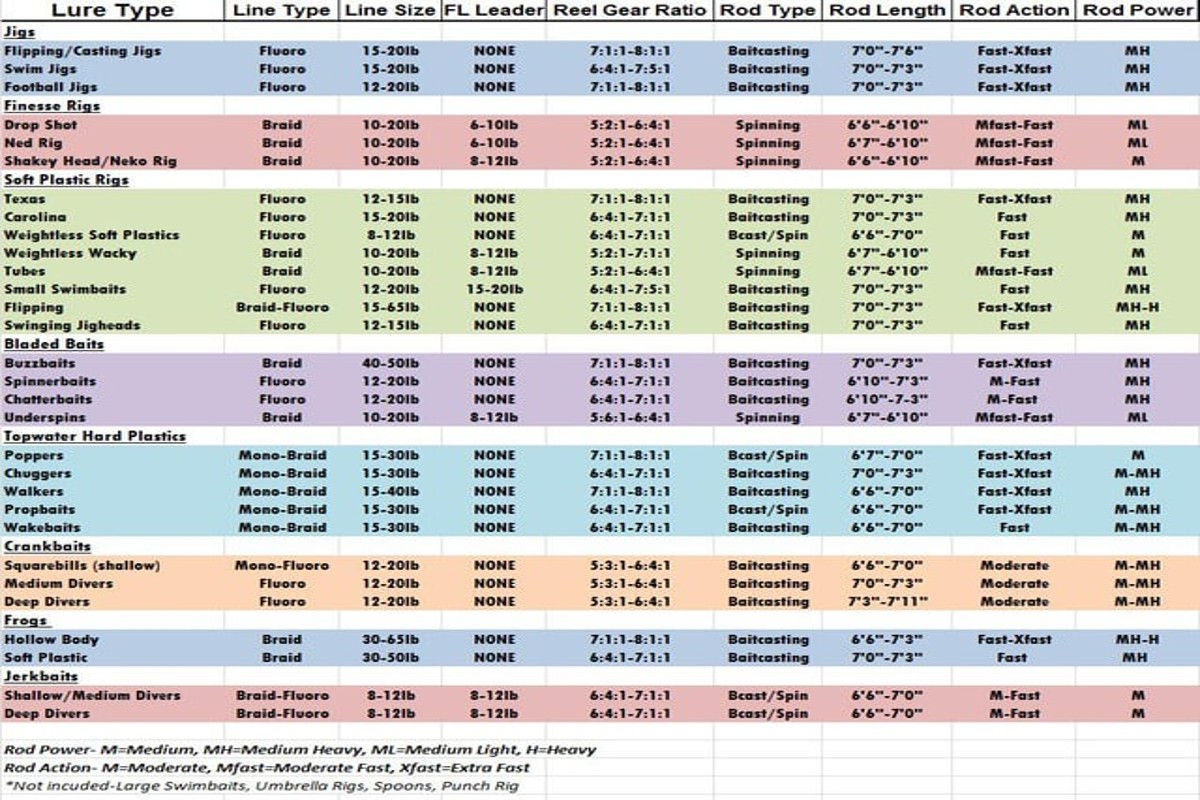
Rod length is one of the first factors to consider. Longer rods, typically ranging from 7 to 9 feet, are ideal for casting distance and handling larger fish. If you’re targeting smaller species like panfish, a shorter rod around 5 to 6 feet might be more suitable, giving you better control during fights.
Next, let’s talk about power and action ratings. Power refers to the rod’s ability to handle weight, while action describes how much of the rod bends when you apply pressure. For example, if you’re fishing for bass, a medium-heavy rod with a fast action is recommended. This setup gives you the strength to manage larger fish while still providing sensitivity for quick hook sets.
Recommended Rod Types for Popular Fish
- Trout: A light to medium-light spinning rod, around 6 to 7 feet, works well for these finicky fish.
- Bass: A medium-heavy casting rod with a fast action helps you handle their aggressive nature.
- Pike: Opt for a heavy rod around 7 to 8 feet with a moderate action to manage their size and strength.
Think about where you’ll be fishing, too. If you’re on a boat, a longer rod can help you cast further, while fishing from the shore might require something shorter for better accuracy. By knowing your target species and their behaviors, you’ll be better equipped to make a purchase that suits your fishing style. So, when you ask yourself, “What Fishing Rod Should I Buy?”, remember to factor in the fish you’re after!
Setting a budget is a crucial first step when deciding what fishing rod you should buy. Knowing how much you’re willing to spend helps narrow down your options and ensures you get the best value for your money.
Set Your Budget
Your budget will drive your decision-making process. Fishing rods come in a wide range of prices, from entry-level models to premium options that can cost several hundred dollars.
Entry-level rods can be great for beginners. They offer decent quality without breaking the bank, often priced between $30 to $100. On the other hand, premium rods are designed with advanced materials and technology, making them lighter and more sensitive, usually starting around $200 and going up from there.
When considering value for money, think about how often you’ll be using the rod. If you fish only occasionally, a more affordable rod might suffice. However, if fishing is a regular hobby or a passion, investing in a higher-end rod could pay off in terms of performance and durability.
Long-term investment is a big factor to consider. A quality rod can last many years, especially if it’s well cared for. For example, if you spend $300 on a premium rod, but it lasts you a decade, that breaks down to just $30 a year—similar to what you might pay for a cheaper rod that you need to replace every couple of years.
Think about what you want from your fishing experience. If you’re serious about fishing and want to enhance your skills, don’t shy away from spending a bit more. A good rod can elevate your entire fishing experience.
So, as you decide what fishing rod you should buy, make sure you factor in how much you’re willing to invest. You’ll be glad you did when you’re out on the water with a rod that feels just right in your hands.
Choosing the right fishing rod can feel overwhelming, especially with so many materials to consider. The type of material affects not just the price, but also the performance and durability of the rod you end up with. Let’s dive into some of the most common materials used in fishing rods.

Material Matters
The material your fishing rod is made from plays a crucial role in how it performs on the water. Each option has its pros and cons, affecting everything from sensitivity to weight. Understanding these differences can help you decide what fishing rod you should buy.
First up, we’ve got graphite and fiberglass. Graphite rods are known for their sensitivity and lightweight feel, making them ideal for detecting even the slightest bites. If you’re fishing for species that require finesse, a graphite rod is often the best choice. On the flip side, fiberglass rods are generally more durable and can handle heavier loads, which is great for beginners or those targeting larger fish.
Next, let’s look at composite rods. These rods blend graphite and fiberglass, aiming to give you the best of both worlds. They offer a balance between sensitivity and durability, making them a versatile option if you’re not sure what type of fishing you’ll be doing.
Weight and Sensitivity Differences
When it comes to weight, graphite rods are typically lighter than fiberglass. This can make a big difference during long fishing sessions. A lighter rod reduces fatigue, allowing you to fish longer and enjoy the experience more. However, if you’re handling larger fish, the added weight of fiberglass might actually give you better control.
Sensitivity is another key factor. Graphite rods excel in this area, allowing you to feel even the tiniest nibble. This is especially important when fishing in clear water where fish can be more cautious. For instance, if you’re fishing for trout in a quiet stream, a sensitive rod will help you detect subtle bites that might otherwise go unnoticed.
Ultimately, the choice of material depends on your fishing style and personal preference. If you value sensitivity and weight, go for graphite. If you want durability and strength, fiberglass could be your go-to. Composite rods are a solid middle ground, making them a safe bet for varied fishing adventures. Think about where and how you’ll be fishing to help you determine what fishing rod you should buy.
Choosing the right fishing rod can feel overwhelming with so many options out there. Focusing on specific features can help you make a smart choice that enhances your fishing experience.

Consider Rod Features
When you think about what fishing rod you should buy, pay attention to the features that can significantly affect performance. Quality materials and design can make a big difference in how well the rod works for you.
First, let’s talk about the reel seat. A good reel seat provides a secure connection between the rod and reel, ensuring stability while you’re fishing. Look for a reel seat made from durable materials like graphite or aluminum, as they tend to withstand wear and tear better than plastic options.
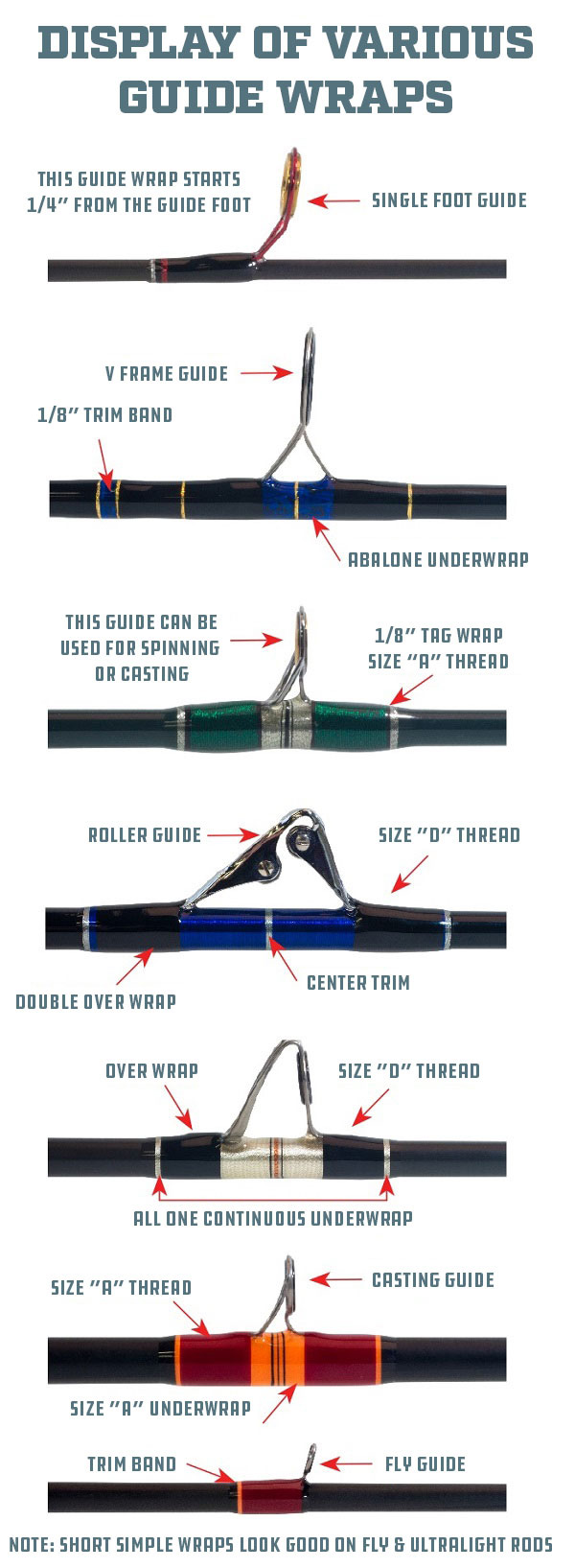
Next up are the guides. These are the little rings along the rod that help direct the line. You’ll want guides made from high-quality materials like ceramic or stainless steel, as they reduce friction and prevent line wear. If you’re fishing in saltwater, consider guides with corrosion-resistant coatings to keep them in top shape longer.
Finally, don’t overlook the handle. Comfort and grip are crucial for long fishing trips. A well-designed handle made from materials like cork or EVA foam can provide a solid grip and reduce fatigue. If you’re planning to fish for hours, you’ll definitely appreciate a handle that feels good in your hand.
As an example, imagine you’re out on the lake for a full day of fishing. The sun’s blazing and your hands are starting to feel sore. If you chose a rod with a comfortable handle and quality reel seat, your experience will be much more enjoyable, allowing you to focus on catching that trophy fish rather than dealing with equipment issues.
When considering what fishing rod you should buy, remember that features like reel seat quality, guide materials, and handle comfort can greatly impact your fishing success. Take the time to evaluate these elements, and you’ll be well on your way to making an informed decision.
Choosing the right place to buy your fishing rod can be just as important as picking the rod itself. With various options available, you’ll want to consider what fits your needs best.

Where to Buy Your Fishing Rod
You have two main choices when purchasing a fishing rod: local tackle shops and online retailers. Each has its own perks, so let’s break them down.
Local tackle shops offer the advantage of personalized service. Here, you can physically handle the rods and ask knowledgeable staff for advice. Plus, you’ll often find a community of fellow anglers who can share tips and recommendations. On the flip side, online retailers usually have a wider selection and often better prices. You can browse from the comfort of your home, but you miss out on that hands-on experience.
When shopping online, reading reviews and ratings is essential. Look for feedback from other buyers to get a sense of the rod’s performance. A product with a high rating and numerous positive reviews usually indicates a reliable choice. For instance, if you find a rod with hundreds of five-star reviews, it’s likely worth considering.
Warranty and Return Policy Considerations
Don’t overlook warranty and return policies when choosing where to buy your fishing rod. A solid warranty can give you peace of mind if something goes wrong. Check if the retailer offers a satisfaction guarantee or an easy return process. If you’re not happy with your purchase or it doesn’t meet your expectations, you want to make sure you can return it without hassle.
So, whether you decide to visit a local tackle shop or shop online, take your time. Weigh the pros and cons, read reviews, and check the return policies. This way, you’ll find the right rod and enjoy your fishing adventures even more.