
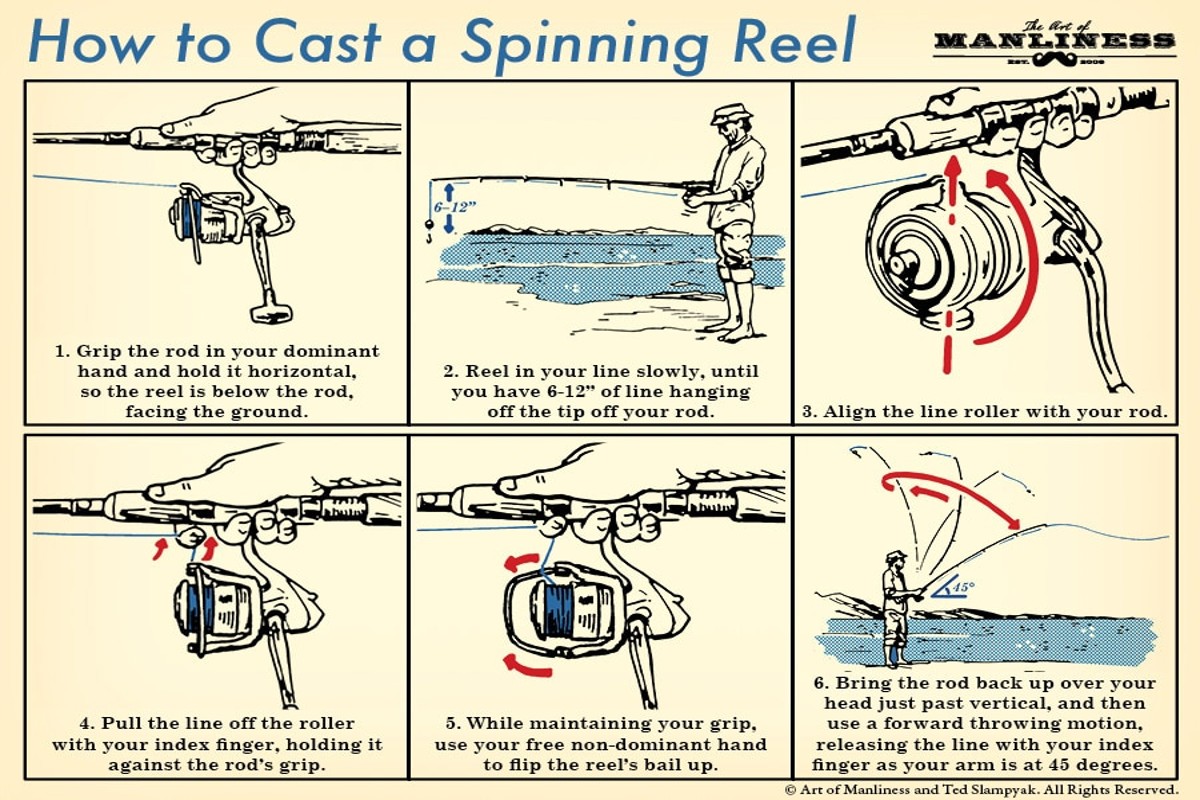
How To Reel A Fishing Rod involves understanding the mechanics of the reel and using proper techniques for successful fishing. This skill is essential for catching various types of fish efficiently.
Whether you’re a beginner or an experienced angler, mastering this technique can significantly improve your catch rate. Imagine reeling in a big catch with ease, thanks to your skillful handling of the rod and reel.
Before you start fishing, understanding your rod and reel is crucial. These tools are your best friends on the water, and knowing how they work will improve your experience.

Understanding Your Fishing Rod and Reel
Your fishing rod and reel are made up of various components, each playing a unique role. Grasping their functions can help you make better choices on the water.
First, let’s talk about the different types of reels. You’ll mostly find spinning reels, baitcasting reels, and spincast reels. Spinning reels are great for beginners; they’re easy to use and versatile. Baitcasting reels offer more control and precision, ideal for experienced anglers. Spincast reels are a simpler option, combining features from both spinning and baitcasting models.
Next up is rod length and action. Rods typically range from 5 to 12 feet, with shorter rods being easier to control for close-range casts. Longer rods help with distance but can be trickier to manage. Action refers to how much the rod bends; fast action rods bend at the tip, while slow action rods bend lower down. Choosing the right length and action will depend on the type of fishing you plan to do.
Matching Rod and Reel Types
Matching your rod and reel is essential for a successful fishing experience. A lightweight spinning reel pairs well with a medium or light rod, while a baitcasting reel works best with a heavier rod that can handle tougher fish. This balance ensures you have the right sensitivity and strength to reel in your catch.
Imagine you’re out on a lake, casting your line with a spinning reel and a medium-action rod. You feel a tug—it’s a fish! Because your gear is matched perfectly, you can smoothly reel it in without worrying about snapping your line or losing the fish. That’s the kind of confidence you want on the water.
As you learn how to reel a fishing rod, remember that the right gear makes all the difference. Take time to familiarize yourself with your rod and reel, and don’t hesitate to experiment with different setups. You’ll soon find what works best for you.
When you’re out on the water, knowing how to reel a fishing rod effectively can make all the difference between a great catch and a frustrating day. Mastering the basics ensures you’re ready to bring in that fish without losing your prize. Let’s dive into some fundamental techniques.

Basic Techniques for Reeling In Fish
Reeling in fish isn’t just about strength; it’s about technique. The right grip, the proper drag settings, and smooth motions can significantly improve your chances of landing your catch.
First, let’s talk about your grip on the rod. You want to hold it firmly, but not too tight, as that can lead to fatigue and reduce your control. Your dominant hand should grip the reel handle, while your other hand supports the rod. This balance will help you apply just the right amount of pressure when reeling in.
Next up is the reel drag settings. This is crucial for protecting your line from breaking. Adjust your drag so that it allows the fish to pull line when it makes a run, but not so loose that it can escape easily. A good rule of thumb is to set the drag at about 25% of the line’s breaking strength. If you’re using a 10-pound test line, set it to about 2.5 pounds of drag. This way, you’re ready for any sudden movements from the fish.
Finally, focus on using smooth and steady motions while reeling. Quick jerks can cause the fish to shake off the hook. Instead, try to reel in while simultaneously lifting the rod at a 45-degree angle. This technique keeps tension on the line and helps you maintain control over the fish’s movements. Picture this: you feel a tug, and as you start reeling, you lift your rod gently while keeping that smooth cadence. It’s a dance, and you’re leading!
One practical tip: practice these techniques on dry land before you hit the water. Get a feel for the grip and movements so you’re confident when it’s time to reel in a real catch. The more comfortable you are with your technique, the more successful your fishing trips will be.
Reeling in a fish can be thrilling, but many anglers make common mistakes that can cost them the catch. By recognizing these errors, you can improve your technique and enjoy a more successful fishing experience.

Common Mistakes to Avoid When Reeling
Understanding the common pitfalls in reeling will help you refine your skills. Let’s dive into the mistakes that can lead to lost fish and how you can prevent them.
One of the biggest mistakes is reeling too fast. When you rush the process, you risk losing the fish or breaking your line. Instead, focus on a steady, controlled speed to maintain tension and keep the fish hooked.
Neglecting line tension is another frequent error. If your line is too loose, the fish can easily spit the hook. On the flip side, too much tension can snap your line. Find that sweet spot where you can feel the fish pulling but still maintain control. Adjusting the drag can help with this balance.
Another common mistake is failing to adjust for fish behavior. Different fish react differently when hooked. Some will dart away, while others may circle back. Pay attention to the fish’s movements and adapt your reeling technique accordingly. For example, if a fish is making strong runs, you may need to give it a little slack before reeling it in again.
A practical tip: always be aware of your surroundings and the type of fish you’re targeting. If you’re fishing in a river, currents can affect how you reel in your catch. Adjust your technique based on the environment and the species you’re after, and you’ll find yourself more successful in your fishing adventures.
Once you’ve mastered the basics of reeling, it’s time to elevate your game with some advanced techniques. These methods can make a significant difference in your fishing success, especially when you’re targeting more elusive species.

Advanced Reeling Techniques for Enthusiasts
Advanced reeling techniques can enhance your fishing strategy and increase your catch rate. By experimenting with methods like stop-and-go reeling, incorporating jerking motions, and timing your reeling with fish strikes, you can adapt to various fishing conditions and fish behaviors.
One effective method is the stop-and-go technique. This involves reeling in your line intermittently, allowing your lure to pause and then move again. This erratic motion can mimic the movements of injured prey, which can be irresistible to predatory fish. For instance, if you’re fishing for bass, try reeling in for a few seconds, then pausing for a beat before starting again. You might be surprised at how this can trigger a strike.
Incorporating jerking motions can also add an exciting element to your reeling technique. By giving your rod a quick snap while reeling, you create sudden movements that can attract the attention of nearby fish. This technique works well with lures that require a bit more action, like topwater plugs or crankbaits. Just remember to keep it subtle; too much jerking can scare fish away.
Timing your reeling with fish strikes is another advanced skill that seasoned anglers swear by. When you feel a nibble, don’t immediately reel in; give it a second for the fish to fully take the bait. Once you sense that the fish is committed, start reeling steadily. This timing can make all the difference in successfully hooking your catch.
Remember, each fishing trip is a learning experience. Experiment with these techniques to find what works best for you and your target species. Keep a journal to note what methods yield the best results, as this will help you refine your skills over time.
When you’re out fishing, knowing how to reel in your catch can make all the difference. Different environments call for different techniques, and adapting to your surroundings is key for success.
Reeling Tips for Different Fishing Environments
Whether you’re casting lines in freshwater lakes or battling the ocean waves, adjusting your reeling technique is crucial. Let’s break down some effective strategies for various fishing environments.
In freshwater settings, you’re often dealing with calmer waters. Here, a steady, consistent reeling motion works best. Fish like bass or trout respond well to this method. You can use a slower retrieve to mimic the movement of prey. On the other hand, saltwater fishing often requires a more vigorous approach. The larger species like tuna or marlin demand quick, powerful reeling to bring them in successfully.
Adjusting for Current and Wind Conditions
Current and wind can drastically affect how you reel in your line. If you’re fishing in a river with a strong current, you’ll need to reel faster to keep your bait in the strike zone. In contrast, fishing in windy conditions may require you to slow down your reel. This way, you can maintain better control over your lure and ensure it doesn’t get swept away too quickly.
For example, imagine you’re on a lake where the wind is pushing your boat. You may find that reeling in a bit slower helps you keep your lure where the fish are biting. Adapting to these elements will enhance your chances of landing a great catch.
Targeting Different Species
Different fish species have unique behaviors, and understanding this can refine your reeling technique. For instance, when targeting pike, using a quick, erratic reel can provoke strikes. Conversely, when going for catfish, a slow, steady retrieve is often more effective. Always consider the species you’re after and adjust your reel accordingly.
Next time you’re out fishing, think about the environment and the fish you’re targeting. Adapting your reeling technique based on these factors can significantly improve your chances of success. Happy fishing!
Taking care of your fishing gear is crucial if you want to reel in more catches and make the most of your time on the water. Proper maintenance can boost your gear’s effectiveness and extend its lifespan, making every fishing trip more enjoyable.

Maintaining Your Fishing Gear for Optimal Performance
Regular upkeep of your fishing equipment ensures that everything functions smoothly when you need it most. From cleaning to proper storage, these simple practices can make a significant difference in your reeling performance.
First up, regular cleaning and lubrication are key. After every fishing trip, take a moment to wipe down your rod and reel. Salt, dirt, and grime can build up and cause wear and tear over time. A quick rinse with fresh water followed by a light application of lubricant will keep your reel spinning smoothly and your rod in top shape.
Next, don’t forget to inspect your line and tackle. Look for any signs of fraying or damage, as a weak line can lead to missed catches. Also, check your hooks and lures; a dull hook won’t snag a fish, and a rusty lure might scare them away. Make it a habit to retie your line and replace any worn tackle before you head out.
Proper storage of your gear is equally essential. Avoid leaving your rod and reel in direct sunlight or extreme temperatures, as this can damage the materials. Instead, store them in a cool, dry place, ideally in a protective case. This protects them from dust and accidental damage, ensuring they’re ready to go when you are.
Imagine you’re out on a beautiful lake, and your line snaps because it wasn’t inspected. That’s a frustrating situation! By regularly maintaining your gear, you can prevent such mishaps and keep the focus on the fun of fishing.
So, remember these simple practices: clean and lubricate your gear, inspect your line and tackle, and store everything properly. You’ll find that taking these steps enhances your ability to reel a fishing rod effectively, making your fishing adventures even more rewarding.