
How To Rig A Fishing Rod For Beginners involves selecting the right components and assembling them correctly. This ensures an effective setup for fishing, making it easier to catch your desired fish.
Whether you’re heading to a local pond or a big lake, knowing how to rig your rod can enhance your fishing experience. A well-rigged rod improves your chances of success and helps you enjoy the time spent outdoors.
Getting the right fishing rod and reel is crucial for a successful day on the water. For beginners, understanding the basics can make all the difference in your fishing experience.

Choosing the Right Fishing Rod and Reel
When you’re just starting out, picking the right gear can feel overwhelming. But don’t stress! Knowing about different types of fishing rods and their compatible reels is a great place to start.
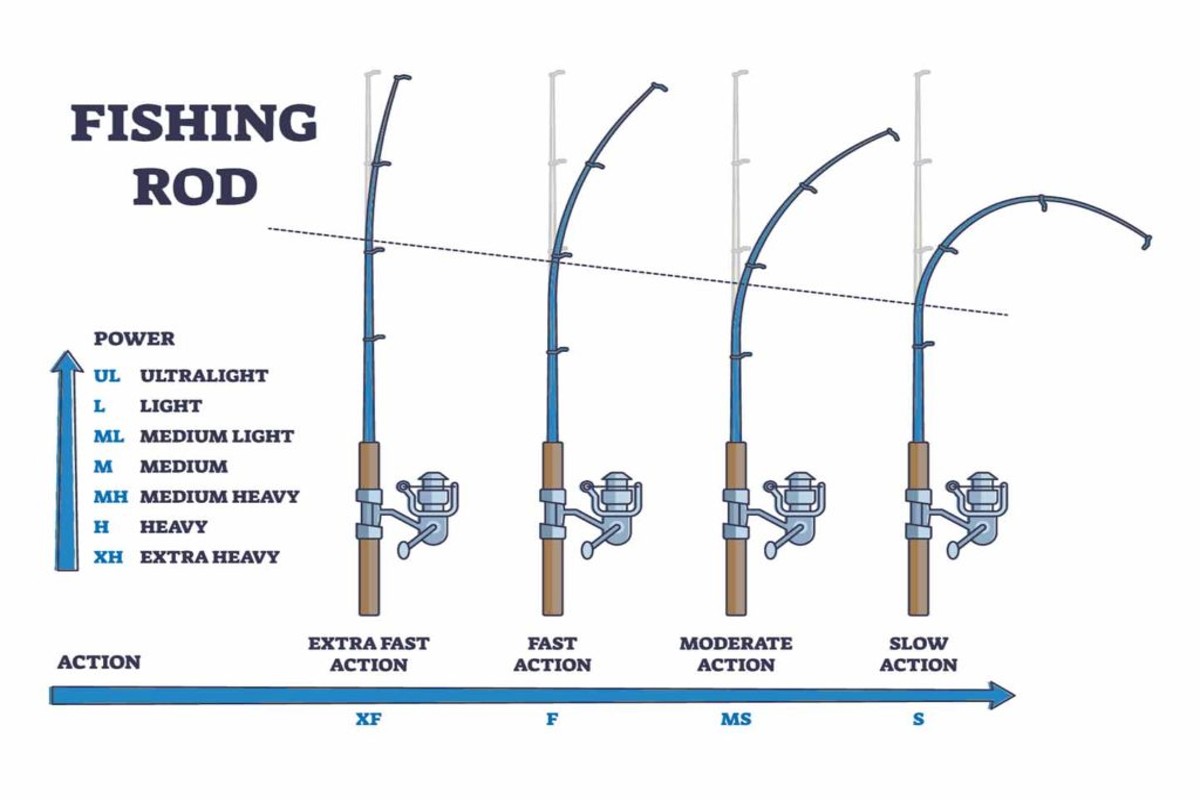
First off, let’s talk about the types of fishing rods. Generally, you’ll find spinning rods, baitcasting rods, and fly rods. Each type has its own advantages, but spinning rods are the most beginner-friendly. They’re easy to use and versatile, making them perfect for various fishing conditions.
Next up is reel compatibility. If you choose a spinning rod, you’ll want a spinning reel to match. These reels are designed to work seamlessly with spinning rods, allowing for smooth casting and retrieval. On the other hand, baitcasting rods require baitcasting reels, which can be a bit trickier for beginners to master.
Rod length also plays a significant role in your fishing success. A shorter rod, around 5 to 6 feet, is great for close-range casting, while longer rods give you more distance. For most beginners, a medium-length rod of about 6 to 7 feet is a solid choice. It balances control and casting reach effectively.
For example, if you’re planning to fish in a small pond, a shorter rod will help you maneuver easily. But if you’re heading out to a larger lake, a longer rod might be ideal for casting out farther.
Remember, finding the right fishing rod and reel can elevate your fishing game. Take your time to explore options, and don’t hesitate to ask for help at your local tackle shop. Happy fishing!
When you’re starting out in fishing, understanding the right fishing line is key to rigging your rod properly. Different types of lines can make or break your fishing experience, so let’s dive into what you need to know.

Understanding Fishing Line Types
Fishing lines come in various types, each designed for specific conditions and types of fishing. By familiarizing yourself with these options, you’ll be better equipped to choose the right line for your setup.
Monofilament and braided lines are the two most common types you’ll encounter. Monofilament is a single strand of material, making it stretchy and forgiving. This elasticity can help absorb shock when a fish strikes. On the other hand, braided line consists of multiple strands woven together, giving it a thinner diameter and higher strength. This line is less stretchy and offers better sensitivity, which can be crucial when trying to feel a bite.
When it comes to line strength and diameter, you want to consider what kind of fish you’re targeting. For example, if you’re fishing for bass in a lake, a 10-15 lb test monofilament line might do the trick. But if you’re out in the ocean chasing larger species, a 30-50 lb test braided line could be a better choice. Remember, the thicker the line, the more weight it can handle, but it can also be more visible to fish.
Choosing the right line for your setup also depends on the type of fishing you plan to do. If you’re going for finesse techniques, like drop shotting or lighter jigs, monofilament may be your best bet. However, if you’re flipping heavy cover or using topwater lures, braided line can give you the control you need. For example, while fishing in thick weeds, you might prefer braided line to cut through the vegetation without losing your lure.
Ultimately, selecting the right fishing line is about understanding your specific needs and the environment you’ll be fishing in. Don’t hesitate to ask fellow anglers or your local tackle shop for recommendations tailored to your situation. Happy fishing!
Choosing the right hooks for your fishing rod can make all the difference in your catch. It’s not just about sticking a hook onto your line; it involves understanding sizes, styles, and how they pair with your bait.
Selecting the Appropriate Hooks
Selecting the right hooks is crucial for beginners. Different types of fishing require different hooks, and knowing how to match them to your bait can significantly enhance your fishing experience.
When it comes to hook sizes and styles, you’ll find a wide range available. For instance, smaller hooks (sizes 10-14) are great for panfish, while larger hooks (sizes 1/0-5/0) work well for bigger game like bass or catfish. The style of the hook also matters; for example, treble hooks are excellent for lures, while single hooks are better for bait fishing.
Matching your hook to your bait is another key factor. If you’re using worms, a wider gap hook helps to secure the bait better. On the other hand, if you’re using artificial lures, consider a hook that complements the lure’s design. For example, if you’re using a jig, a hook with a strong bend will help keep your bait in place and enhance your chances of a catch.
When to Use Circle Hooks
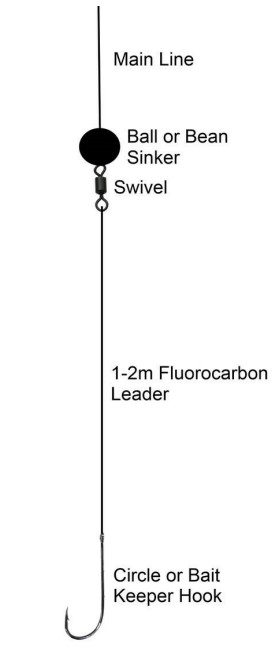
Circle hooks have gained popularity among anglers for a good reason. They’re designed to hook fish in the corner of the mouth, reducing the chance of gut hooking. This is particularly useful when catch-and-release fishing, as it minimizes harm to the fish. If you’re targeting species like catfish or snapper, circle hooks can be a game-changer.
Imagine you’re out on a lake, using a larger hook with a worm for bass fishing. You cast out, and instead of losing the bait, you get a solid bite. That’s the advantage of using the right hook! The right choice can lead to more successful catches and a more enjoyable experience on the water.
Experimenting with different hooks will help you figure out what works best for your specific fishing style. Don’t be afraid to ask fellow anglers for their favorites; they might have tips that could help you in your journey of learning how to rig a fishing rod for beginners.
When you’re learning how to rig a fishing rod for beginners, understanding how to add weights and bobbers is crucial. These components help you cast your line effectively and keep your bait at the right depth.

Adding Weights and Bobbers
Weights and bobbers play important roles in your fishing setup. Weights help you cast farther and let your bait sink to the right depth, while bobbers signal when you have a bite, making them essential for successful fishing.
There are different types of weights you can use, each with its specific purpose. Split shot weights are great for smaller baits and finesse fishing, while sliding sinkers work well for larger baits and bottom fishing. If you’re targeting specific fish species, knowing the types of weights can make a big difference in your success.
When it comes to choosing bobbers, visibility is key. Bright colors like red or yellow are easier to spot against the water, which is particularly helpful on sunny days. You want a bobber that not only stands out but also matches your fishing style and the conditions you’re fishing in.
Attaching weights and bobbers is pretty straightforward. For weights, you can pinch split shots onto your line at the desired distance from the hook. With sliding sinkers, just thread the line through the weight before tying on your hook. Bobbers can be attached by threading your line through the center and securing them at the right height to keep your bait suspended.
Quick Tips for Weights and Bobbers
- Use a sliding sinker for live bait to let it move naturally.
- Consider using a bobber with a built-in weight for convenience.
- Experiment with different weights to find what works best for the fish you’re targeting.
As you set up your rig, think about your fishing environment. For example, if you’re fishing in a river with a strong current, heavier weights will help keep your bait in place. Getting the right weights and bobbers can significantly increase your chances of landing that big catch!
Attaching bait to your hook can make or break your fishing experience. Whether you’re a beginner or just brushing up on your skills, understanding how to do this effectively is crucial for attracting fish.
Attaching Bait Effectively
Knowing how to attach bait properly will help you catch more fish. Different types of bait attract different species, so let’s explore your options and techniques for securing them.
First, let’s talk about types of bait. Live bait, like worms or minnows, tends to work well for many species. Artificial lures can also be effective, especially when targeting specific fish like bass or trout. If you’re fishing for catfish, using stink bait can yield great results.
Techniques for Securing Bait
Once you’ve chosen your bait, you’ll need to secure it effectively. For live bait, threading the hook through the worm’s body or just under the dorsal fin of a minnow keeps it lively and attractive to fish. If you’re using artificial lures, make sure to follow the manufacturer’s guidelines for proper attachment.
For example, if you’re using a bobber rig with a worm, hook the worm through the head and a bit of the body. This not only keeps the worm in place but also allows it to wriggle naturally in the water, attracting fish. The more natural your bait looks, the better your chances of a bite.
Importance of Bait Presentation
Bait presentation is just as crucial as the bait itself. How you present your bait can influence whether a fish decides to bite. The goal is to make your bait look as natural as possible. This means avoiding any unnatural movements or shapes that could scare fish away.
When you cast your line, pay attention to how the bait behaves in the water. If it looks off, don’t hesitate to reel it in and adjust your setup. A well-presented bait can significantly increase your catch rate.
As you practice these techniques, you’ll get a feel for what works best in your fishing environment. Experimenting with different baits and presentations will not only improve your skills but also make fishing more enjoyable. Remember, this is all about having fun and learning the ropes of how to rig a fishing rod for beginners!
Now that you’ve gathered all your gear, it’s time for the final assembly of your fishing rod. This is where everything comes together, and you’ll be ready to hit the water!
Final Assembly and Testing Your Setup
Assembling your fishing rod is straightforward, but attention to detail is key to ensure everything works smoothly. Let’s break down the steps for putting your rig together and testing its functionality.
Start by attaching the reel to the rod. Most reels will have a seat that you can simply screw onto the rod. Make sure it’s secure but not overly tight. Next, thread your line through the guides, which are the eyelets along the rod. This ensures that your line moves freely. Once that’s done, tie your hook or lure onto the end of the line using a strong knot like the improved clinch knot.
After everything is attached, it’s time to check for balance and function. Hold your rod at the reel and feel the weight distribution. A well-balanced rod should feel comfortable and not overly heavy at the tip. If it feels off, consider adjusting your reel or the lure weight.
Now, let’s test your setup. Find a small area to practice casting. Ideally, you want to be at a local park or a designated fishing area. Make a few practice casts to see how the line flows through the guides and whether the reel engages smoothly. If you notice any snags or issues, address them before your first fishing trip.
For first-time use, here are a few tips to keep in mind:
- Start with lighter lures to get a feel for your setup.
- Practice your casting technique; don’t be discouraged if it takes a few tries to get it right!
- Watch for any fraying on the line after casting; this can affect your fishing success.
Remember, learning How To Rig A Fishing Rod For Beginners is all about practice and patience. Each time you assemble and test your rig, you’ll gain more confidence and skill!