
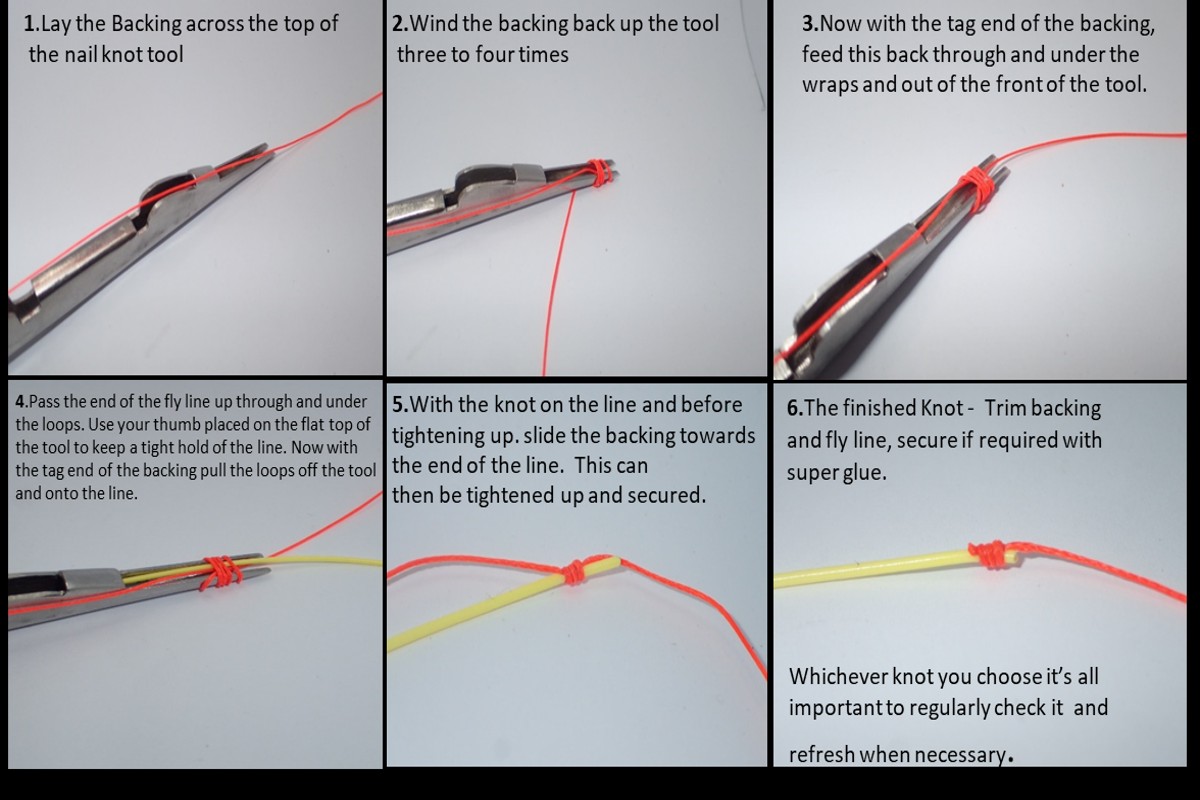
How To String A Fishing Rod involves threading line through the guides of a fishing rod to prepare it for fishing. This process is essential for proper casting and effective line management.
Whether you’re a beginner or a seasoned angler, knowing how to string a fishing rod can greatly improve your fishing experience. A well-strung rod helps ensure smooth casts and reduces the chances of line tangles while you’re out on the water.
Choosing the right fishing line can make all the difference in your fishing experience. With so many options available, you want to ensure you pick the one that suits your technique and target species best.

Choosing the Right Fishing Line
There are two main types of fishing lines: monofilament and braided. Each comes with its own set of advantages and disadvantages depending on how you plan to fish.
Monofilament line is popular for its versatility and ease of use. It’s great for beginners and works well for a variety of fishing techniques. It has excellent stretch, which can help absorb shocks when a fish strikes. On the other hand, braided line is much stronger and thinner, offering greater sensitivity and a higher strength-to-diameter ratio. This makes it ideal for catching larger fish or when fishing in heavy cover.
Choosing Line Weight and Diameter
When picking a line, consider the weight and diameter. Line weight refers to how much weight the line can handle before breaking. You’ll want to match this to the type of fish you’re targeting. For example, if you’re going after bass, a line rated for 10-20 pounds is usually a good choice. However, if you’re targeting larger species like pike or tarpon, you might want to bump it up to 30 pounds or more.
The diameter of the line also affects its visibility and how it behaves in the water. Thinner lines are less visible to fish, making them ideal for clear waters. But keep in mind that thinner lines can be more susceptible to abrasion and breaking. Finding a balance between strength and stealth is key.
Considerations for Tying Knots
How you tie your knots can also be influenced by the type of line you choose. Monofilament lines are generally easier to knot, while braided lines require specific knots to secure them effectively. If you don’t tie a good knot, you risk losing that big catch! For braided lines, consider using the Palomar knot or the double Uni knot for a secure hold.
When you’re out on the water, remember that the right line can elevate your fishing game. Take the time to choose wisely, and you’ll see the benefits—whether you’re casting from a boat or the shore. A simple tip: always keep a spare spool of your chosen line handy. You never know when you might need it while learning how to string a fishing rod!
Getting your fishing rod ready for stringing is a crucial first step. A well-prepared rod ensures that your fishing experience will be smooth and enjoyable.

Preparing Your Fishing Rod
Before you dive into stringing your fishing rod, it’s essential to prepare it properly. This stage involves checking for any damage, gathering the tools you’ll need, and understanding the different rod guides and reel types.
The first step is to inspect your fishing rod for any signs of damage. Look for cracks, bends, or missing guides. A damaged rod can lead to poor performance or even break during use, which is the last thing you want when you’re out on the water. If you notice any issues, it’s best to repair or replace the rod before you proceed.
Next, you’ll want to gather all the necessary tools for stringing your rod. Typically, you’ll need fishing line, scissors, and possibly a rod wrapping tool if you’re using one. Having everything at hand will make the process much smoother and quicker, so you can focus on enjoying your time fishing.
Understanding Rod Guides and Reel Types
Before you start stringing, it’s crucial to understand the different types of rod guides and reels. Rod guides are the rings through which the fishing line passes. They come in various shapes and sizes, and the right ones will depend on your rod type and the fishing style you’re using. Familiarize yourself with them, as they impact how the line flows and how your rod performs.
When it comes to reels, there are spinning reels and baitcasting reels, among others. Each type has its own method of stringing. For instance, spinning reels are generally easier for beginners and require a different approach compared to baitcasting reels. Knowing the type of reel will help you string the line correctly and make your fishing experience more enjoyable.
As you prepare your fishing rod, take a moment to envision your next fishing trip. Imagine casting your line effortlessly and feeling that thrill when you catch something. A properly prepared rod can make all the difference in turning that vision into reality.
Stringing your fishing rod might seem daunting at first, but once you get the hang of it, you’ll find it’s a simple process. Follow these steps to ensure your line is threaded correctly for a successful day on the water.
Stringing the Fishing Rod Step-by-Step
Getting your fishing line through the guides is essential for smooth casting and reeling. Let’s break it down into easy-to-follow steps so you can get back to fishing in no time.
Start at the reel. Take your fishing line and attach it to the reel spool. Depending on your reel type, you might need to tie a specific knot. Once it’s secured, open the bail if you’re using a spinning reel, or engage the level wind on a baitcaster.
Next, you’ll want to thread the line through the guides. Begin with the guide closest to the reel, pulling the line through it. Continue to thread the line through each guide, moving from the bottom up to the tip. Make sure the line follows the correct path through the guides to avoid tangles later on.
As you’re threading, keep an eye on the tension. You want the line to be taut, but not overly tight. If the line is too loose, it could lead to tangling when you cast. A good rule of thumb is to pull the line gently while threading, ensuring it stays firm but flexible.
When you reach the tip of the rod, it’s time to secure the line. This usually involves wrapping the line around the tip guide and tying a knot to hold it in place. Make sure your knot is snug; you don’t want it slipping while you’re out fishing.
For a practical example, imagine you’re out on a lake with your friends. You’ve just tied on your favorite lure, but you realize you forgot to string your rod properly. With these steps, you can quickly re-thread your line, saving precious time and getting you back to reeling in that big catch!
Lastly, always check your line for any twists or knots after stringing. A little attention now can save you a lot of frustration later. Happy fishing!
When it comes to fishing, the connection between your line and your reel or lure is crucial. Tying the right knots can make all the difference in a successful catch. Let’s dive into some common knot types and how to tie them properly for a secure connection.
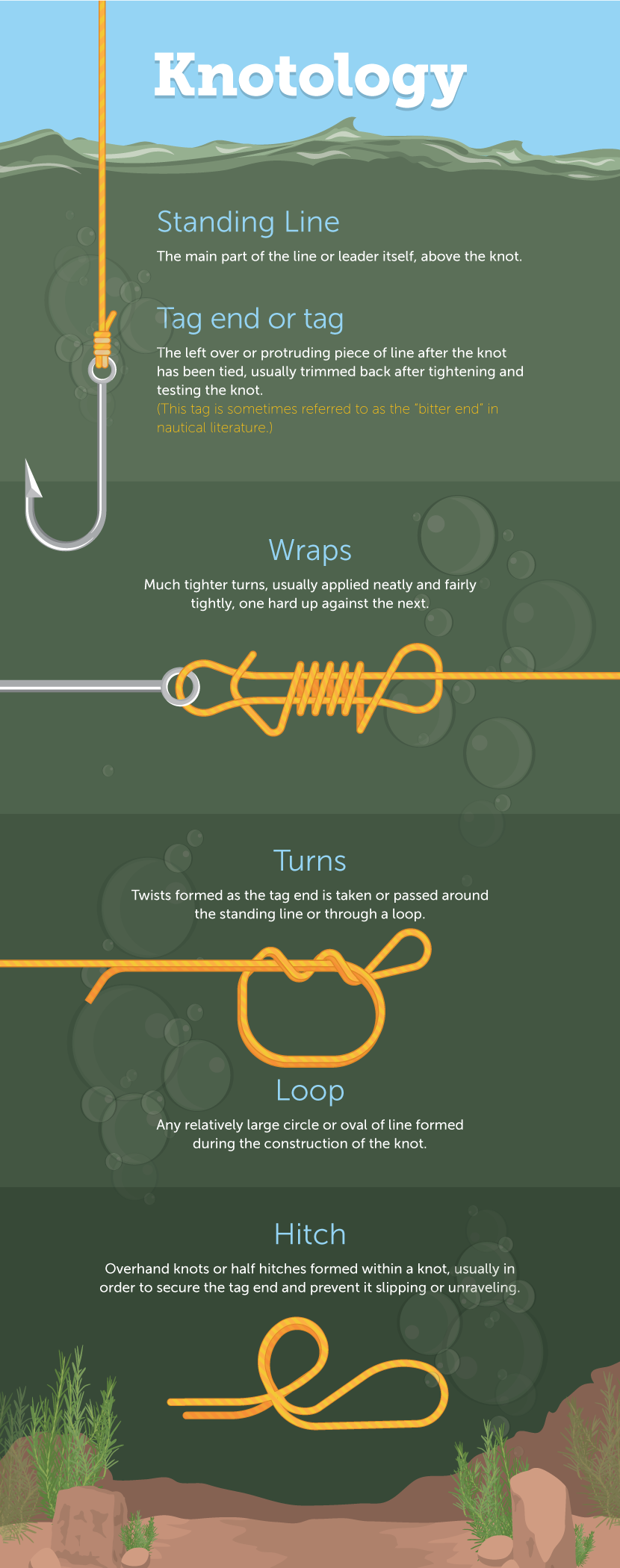
Tying Knots for a Secure Connection
Understanding how to tie knots is essential for any angler. The right knot not only keeps your line secure but also ensures that you won’t lose that trophy fish due to a faulty connection. Below, we’ll cover a couple of the most popular knots and how to tie them effectively.
The **Palomar Knot** is one of the strongest knots for attaching your line to a lure or hook. To tie it, start by doubling about six inches of line and threading it through the eye of the hook. Then, tie an overhand knot, but don’t pull it tight just yet. Next, take the loop of line and pass it over the hook. Finally, pull on both ends to tighten. This knot is great for its strength and simplicity.
Another reliable option is the **Improved Clinch Knot**. This knot is often used for securing your line to a reel. Begin by threading the line through the eye of the hook and wrap it around the standing line five to seven times. After that, pass the end of the line through the small loop near the eye, then through the larger loop you just created. Pull both ends to tighten. This knot is known for its reliability in tough conditions.
Key Tips for Knot Strength and Reliability
- Always wet the knot before tightening to avoid friction and weakening the line.
- Test your knots by pulling on them firmly before you start fishing.
- Regularly check your knots throughout your fishing trip, especially after landing a fish.
Imagine you’re out on the water, and you finally feel that tug on your line. You reel in, but your knot slips, and the fish swims away. Avoid this disappointment by ensuring your knots are tied correctly and securely. Taking the time to master these knots will enhance your fishing experience significantly. Remember, knowing how to string a fishing rod effectively is just as important as having the right gear!
Taking care of your fishing line is crucial for a successful day on the water. A well-maintained line enhances your rod’s performance and ensures it lasts longer. Let’s dive into some key practices for maintaining your fishing line.
Maintaining Your Fishing Line
Regular maintenance of your fishing line can make all the difference. By inspecting it frequently, storing it properly, and avoiding twists and tangles, you’ll set yourself up for a more enjoyable fishing experience.
First off, regular line inspection is a must. Before each fishing trip, take a moment to check your line for any signs of wear or damage. Look for nicks, frays, or discoloration. If you notice any of these issues, it’s time to replace the line. Fresh line not only casts better but also increases your chances of landing that trophy fish.
Proper storage techniques can extend your line’s life as well. Always store your fishing rod in a cool, dry place. Heat and moisture can weaken your line over time, making it more prone to breakage. Consider using a rod holder or bag to keep it safe and tangle-free when you’re not using it. For instance, if you’re storing your rod for the winter, make sure to take the line off and keep it in a sealed container to protect it from the elements.
Lastly, avoiding line twists and tangles is key to maintaining a smooth fishing experience. When spooling your line, make sure it’s going on the reel in the correct direction. If you notice a twist while fishing, reel in your line and let it hang in the water for a moment. This will help it unwind naturally. You can also use a line conditioner to minimize twists and keep your line smooth.
Remember, a little care goes a long way. By regularly inspecting and properly storing your fishing line, you’ll enhance its performance and longevity. Plus, you’ll be ready for whatever your fishing adventures throw at you!
Stringing a fishing rod can sometimes feel like a game of patience. You might run into a few hiccups along the way, but don’t worry—these are common issues that many anglers face.

Troubleshooting Common Issues
Whether you’re a newbie or an experienced angler, knowing how to tackle common problems will make your fishing adventures more enjoyable. Let’s dive into some frequent issues and how to resolve them.
One of the biggest annoyances when stringing a fishing rod is dealing with line tangles. It can happen to anyone, and often at the worst possible moment. To prevent tangling, make sure your line is spooled correctly and check for twists as you thread it through the guides. If a tangle does occur, gently pull the line apart without yanking it, and if necessary, cut the tangled section and re-tie.
Adjusting tension is another crucial aspect of stringing your fishing rod. Too much tension can lead to breakage, while too little can affect your casting distance. A good rule of thumb is to test the line’s tension by pulling it gently; it should feel firm but not overly tight. If you’re unsure, practice casting with different tensions until you find your sweet spot.
When to Seek Professional Help
Sometimes, despite your best efforts, you might find yourself struggling with stringing your rod. If you’ve tried troubleshooting but still can’t get it right, consider seeking professional help. Local tackle shops often offer services to string rods and can give you valuable advice tailored to your specific setup.
Remember, fishing should be fun and relaxing, not frustrating. So, if you find yourself overwhelmed, don’t hesitate to reach out for assistance. The more you practice and learn about how to string a fishing rod, the more confident you’ll become in your skills. Happy fishing!