
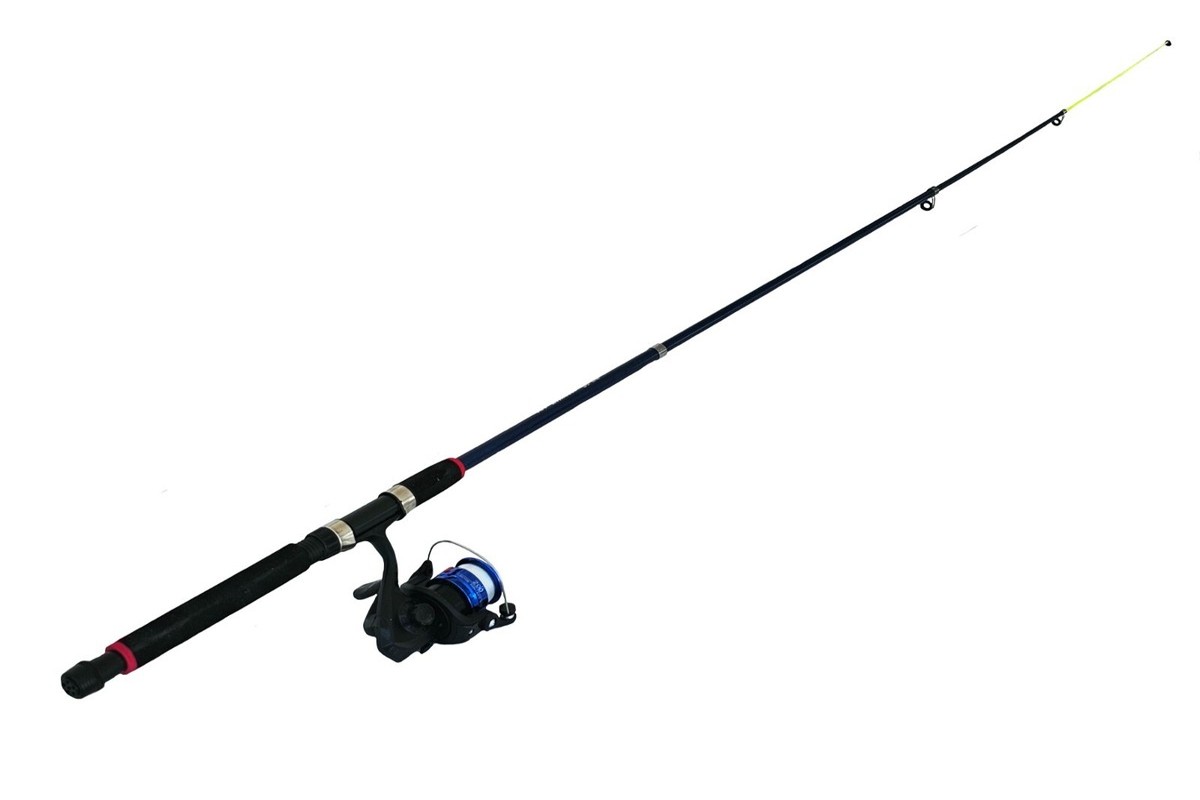
A fishing rod is a long, flexible tool used to catch fish. It typically consists of a rod, reel, line, and bait, making it essential for anglers. Choosing the right fishing rod can enhance your fishing experience and increase your chances of a successful catch.
For instance, whether you’re casting from a boat or the shore, the right rod can make all the difference in comfort and effectiveness. Understanding the different types of fishing rods helps you select one that fits your style and needs.
Choosing the right type of fishing rod can make all the difference in your fishing experience. With so many options available, it’s essential to know which rod suits your style and needs best.

Types of Fishing Rods
Each type of fishing rod is designed for specific fishing techniques and conditions. Understanding the differences can help you make an informed choice that enhances your fishing adventures.
Spinning rods are among the most versatile options available. They’re perfect for beginners and experienced anglers alike. With a lighter line and easy casting, they allow you to target a variety of fish species in different environments.
If you’re looking for precision and control, casting rods might be more your style. These rods are designed for baitcasting reels and are great for larger lures and heavier lines. They offer greater accuracy when casting, making them ideal for targeting fish hiding in tight spots.
For those who enjoy the art of fly fishing, fly rods are a must. These rods are typically longer and more flexible, designed to cast lightweight flies. If you’re wading into a serene river, a fly rod can help you land trout more effectively.
Imagine you’re out on a lake, trying to catch bass. With a spinning rod, you can easily cast and retrieve your lure, giving you the flexibility to adapt to changing conditions. But if you’re in a river setting, a fly rod would allow you to mimic the natural movement of insects on the water’s surface.
When choosing a fishing rod, consider factors like the type of fish you’re targeting, the environment you’ll be fishing in, and your personal comfort. A well-chosen rod will not only improve your catch rate but also make your time on the water more enjoyable.
Choosing the right length for a fishing rod can significantly impact your experience on the water. The length affects not only how far you can cast but also how accurately you can place your bait.

Choosing the Right Length
When you’re selecting a fishing rod, understanding the length is key. Shorter rods are great for tight spaces and precision, while longer rods excel in casting distance. Medium-length rods offer a balance that works for various situations.
Short rods, typically around 5 to 6 feet, are fantastic for fishing in small streams or densely vegetated areas. They give you excellent control, allowing you to make precise casts. Imagine you’re fishing in a small creek; a short rod lets you navigate around rocks and branches with ease.
On the other hand, long rods, usually 7 to 8 feet, are designed for maximum distance. If you’re aiming to reach that sweet spot far out on the lake, a longer rod can help you achieve that. Picture yourself standing on the shore, launching your line as far as possible—this is where a long rod shines.
If you’re looking for something versatile, medium rods, around 6 to 7 feet, are a solid choice. They’re adaptable and can handle a variety of fishing techniques, whether you’re casting from a boat or the shore. This flexibility can make your fishing trips more enjoyable, especially if you’re trying out different spots or techniques.
Ultimately, the right length for a fishing rod depends on your fishing style and the environments you’ll be in. Think about where you’ll be fishing and what kind of fish you’re targeting, then pick a rod that matches those needs.
When choosing a fishing rod, the materials used in construction play a crucial role in performance and feel. Understanding these materials can help you select the best rod for your fishing style.
Materials Used in Fishing Rods
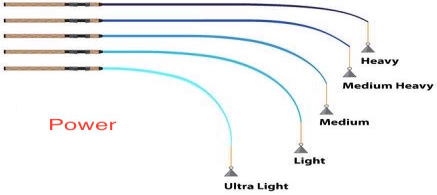
Fishing rods are typically made from three main materials: fiberglass, graphite, and composite blends. Each material brings its own unique advantages, impacting everything from sensitivity to durability.
Fiberglass is known for its durability and strength. If you’re new to fishing or often find yourself in tough conditions, a fiberglass rod can handle the wear and tear. It’s more forgiving, making it a great choice when you’re learning the ropes or fishing in rocky waters.
On the other hand, graphite rods excel in sensitivity. They allow you to feel the faintest nibble on your bait, which can be crucial when targeting finicky fish. For instance, if you’re after trout in a quiet stream, a graphite rod can help you detect subtle bites that might go unnoticed with other materials.
Composite materials offer the best of both worlds, combining fiberglass and graphite. This balance gives you durability without sacrificing too much sensitivity. If you want a versatile rod that performs well in various conditions, a composite fishing rod might be your best bet.
Ultimately, the right material for you depends on your fishing style and conditions. Take the time to test different rods in-store to see what feels best in your hands. The right choice can enhance your experience on the water and lead to more successful fishing outings.
Choosing the right fishing rod is all about understanding rod action. The action of a fishing rod affects how it bends and responds to fish, which in turn influences your fishing technique.
Understanding Rod Action
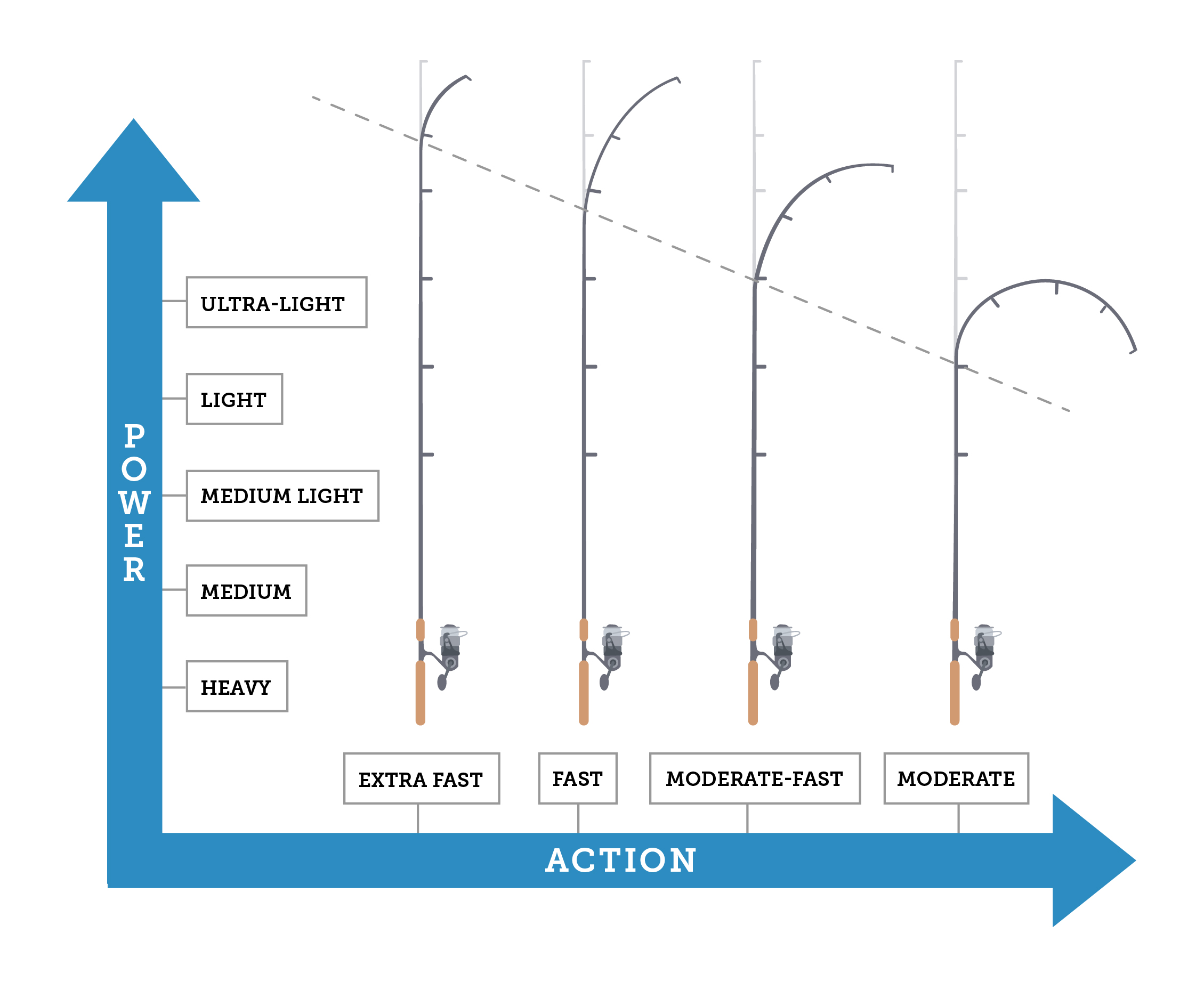
Rod action refers to how much and where a rod bends when pressure is applied. This characteristic can significantly impact your fishing experience, determining how quickly you can set the hook and what types of fish you can effectively target.
Fast action rods are designed to bend primarily at the tip. This provides you with quick hook sets, making them ideal for catching species that strike fast, like bass. For instance, if you’re fishing in shallow waters and a bass strikes, a fast action rod allows you to respond quickly, increasing your chances of landing the catch.
On the other hand, medium action rods offer a balance between flexibility and stiffness. They bend at both the tip and the middle of the rod, making them versatile enough for various techniques. Whether you’re casting lures or using live bait, a medium action rod can handle different fishing styles and is suitable for a wider range of fish types.
For those who prefer baitcasting, slow action rods might be your best bet. These rods bend throughout their length, providing a softer touch which is great for delicate presentations. They’re perfect for targeting species that may be more cautious or skittish, allowing you to present your bait or lure more subtly.
When selecting a fishing rod, consider both the type of fish you want to catch and the conditions you’ll be fishing in. A fast action rod might excel in certain scenarios, but if you’re looking for versatility, a medium action rod could be a better fit. The right choice depends on your fishing style and preferences.
Budgeting for a fishing rod can be a little tricky, especially if you’re not sure where to start. Whether you’re a beginner or a seasoned angler, understanding your options will help you make a smart choice without breaking the bank.

Budgeting for a Fishing Rod
When setting a budget for your fishing rod, consider your experience level and fishing goals. Different price points offer various features, so it’s essential to match your needs with the right gear.
For those just starting out, entry-level options are the way to go. These rods typically range from $20 to $100 and provide a decent balance of quality and affordability. You won’t find all the bells and whistles, but they’ll get the job done for casual fishing trips. For example, a simple spinning rod and reel combo can be perfect for a family outing at the local lake.
As you gain experience, you might want to step up to mid-range rods, which usually cost between $100 and $300. These rods often use better materials and construction techniques, giving you improved sensitivity and performance. If you find yourself fishing more frequently or targeting specific species, investing in a mid-range rod can enhance your overall experience.
High-End Fishing Gear
If you’re serious about the sport, high-end fishing gear is worth considering. These rods typically start around $300 and can go up into the thousands. They’re crafted from top-tier materials, ensuring durability and exceptional performance. For instance, a high-end fly rod can make a noticeable difference in your casting ability and overall fishing success.
When budgeting for a fishing rod, remember to factor in other gear, like reels, lines, and tackle. It’s easy to overlook these costs, but they can add up quickly. Consider your fishing style and the type of fish you want to catch to make the best decisions.
Ultimately, finding the right fishing rod for your budget and needs will lead to more enjoyable days on the water. Don’t rush the process; take your time to explore different options and find what feels right for you.
Taking care of your fishing rod can make all the difference in your fishing experience. By maintaining it properly, you’ll ensure it lasts longer and performs better when you need it the most.

Maintaining Your Fishing Rod
Regular maintenance is key to keeping your fishing rod in top shape. From cleaning it after each trip to storing it correctly, these simple steps can prevent damage and improve your rod’s performance.
First off, make sure to clean your rod after every use. Saltwater, dirt, and grime can accumulate, affecting its performance over time. A quick rinse with fresh water followed by a gentle wipe-down with a soft cloth can help keep your rod looking and functioning like new.
When it comes to storage, think about where you’re keeping your fishing rod. Ideally, you want to store it upright or in a rod holder to prevent warping or bending. Avoid leaving it in direct sunlight or extreme temperatures, as this can weaken the materials. If you’re not using your rod for a while, consider using a rod sock or case to protect it from dust and scratches.
Regular inspections are crucial, too. Inspect your rod for any signs of damage, like cracks or frayed guides. Even a small issue can lead to bigger problems later on. For instance, you wouldn’t want to find out your rod’s tip is damaged while you’re trying to reel in a big catch!
Incorporating these easy maintenance tips into your routine will not only extend the life of your fishing rod but also enhance your overall fishing experience. Treat your gear well, and it’ll treat you well in return!