
Last summer, my friend Kim and I were at the lake, ready for a perfect day of fishing.
But when my rod suddenly decided to take a dive, everything changed.
What I learned about fishing gear that day was completely unexpected!
I’ll also share a trick you won’t want to miss for keeping your rod safe on the water!
Do fishing rods float? Most fishing rods do not float because they’re made from materials like fiberglass or graphite, which are denser than water. However, some rods might have buoyant components that can help them stay afloat.
But the answer alone doesn’t tell the whole story—let me walk you through what I actually experienced out there at the lake.
Yeah, you ever think about how a day can go from chill to chaotic in seconds?
That was Kim’s experience when we were out fishing on the lake.
One moment, she was casting her line like a pro, and the next… her rod was tumbling into the water.

The Day Kim Almost Lost Her Rod
It all started with one of those perfect mornings.
The sun was out, the water was calm, and we were both ready to reel in some fish.
Kim was chatting about her latest adventures, when suddenly — poof!
Her fishing rod slipped right out of her hands.
I swear, it felt like time slowed down.
We both watched in horror as her rod sank beneath the surface.
It was like a scene from a movie — complete with dramatic music I could almost hear.
I jumped to my feet, flailing my arms like a lunatic, yelling, “Throw me something!”
Kim started looking around, clearly panicking, while I scanned the water for any sign of her beloved rod.
What I learned from that was how fast chaos can unfold.
It’s not like I’d planned for fishing adventures to turn into rescue missions.
The part that caught me off guard was how emotionally attached we can get to things like a fishing rod.
We were both just standing there, wondering, “Do fishing rods float?”
Finally, after what felt like an eternity, I spotted it!
The rod was caught in some weeds, just begging to be rescued.
We quickly devised a plan — Kim grabbed my spare rod and tried to snag it.
Spoiler alert: it didn’t work.
But after a few more attempts — and a lot of laughter — we finally got it.
Kim pulled it free, triumphant and relieved.
I realized then how silly it was that we’d freaked out so much over a fishing rod.
But I mean, it was Kim’s favorite. I get it.
Looking back, it made me think about how many things we could get worked up about.
I mean, we really thought we were going to lose that rod forever — like it was a family heirloom or something.
It’s wild how losing something, even for a short time, can feel so dramatic.
If I had to do it again, I’d probably just bring a floaty for her rod — or maybe not take it so seriously.
The thing nobody tells you is how these little moments can turn a simple day into something memorable.
It’s all about perspective, I guess.
Here’s something I didn’t expect.
I stumbled onto a discussion in r/insurance about how fishing gear behaves in water.
The debate was whether fishing rods float or sink, and it got me thinking — we had to test this out ourselves!

The Great Float Test
So, Kim and I headed to the lake with a mix of fishing rods.
We grabbed my old spinning rod, her brand-new bait caster, and a couple of our random gear bits.
We wanted to create a makeshift float test area right there on the shore.
It was a sunny afternoon, and everyone around us was fishing — or at least trying.
The funniest part? We decided to use a beach cooler for our test area.
We filled it with water, plopped in the rods, and stood back like scientists waiting for a miracle.
Turns out, the bait caster floated like a champion — who knew?
My spinning rod, on the other hand, sank faster than my hopes of catching a trophy fish that day.
What I learned from that was completely unexpected.
I assumed all fishing rods would float — right?
Nope, the part that caught me off guard was just how different the materials and designs affected buoyancy.
Kim started taking notes—like we were conducting some kind of deep-sea research project.
To make things more entertaining, we had a few onlookers.
They probably thought we were ridiculous, but we didn’t care.
The laughter and joking made it feel like we were kids again, just having fun at the lake.
What Floats, What Sinks
- Bait casters: kings of floating.
- Spinning rods: not so much.
- Reels: most were a mixed bag — some floated, others didn’t.
If I had to do it again, I’d definitely bring more rods to test.
The thing nobody tells you is that not all rods are created equal.
That day wasn’t just about fishing; it was about discovering something new and laughing at the wild results.
Who knew a little float test could be so enlightening and entertaining?
Here’s something I didn’t see coming.
As Kim and I sat on the lake, I realized fishing was about more than just the rods and reels.
It turned into a lesson on patience and teamwork.

Lessons from the Lake
The day started off like any other fishing trip.
We parked our truck by the water in Fresno, excited but clueless about what awaited us.
As we cast our lines, I jokingly asked Kim, “Do fishing rods float?”
She laughed, but then we both kind of stared at the rods, deep in thought.
As we waited, I felt the minutes stretch on.
You know how it goes — the endless quiet punctuated by the occasional splash.
That’s when I got to thinking about how fishing mirrors life.
You have to be patient, and sometimes, nothing happens at all.
What surprised me was how quickly we went from fishing buddies to problem solvers.
Kim’s line snagged on some rocks, and instead of getting frustrated, we worked together.
She crouched down, and I pulled hard, a real team effort.
When we finally freed her line, we both cheered like we had just landed a marlin.
What I learned from that was simple: collaboration makes challenges easier.
Life throws you curveballs, and having someone by your side makes all the difference.
I’d been so focused on catching fish that I didn’t realize the real catch was the time spent with Kim.
The part that caught me off guard was the realization that asking simple questions can lead to bigger insights.
“Do fishing rods float?” sparked a conversation that went beyond fishing gear.
We chatted about life, goals, and how sometimes you have to let go to move forward.
- Fishing’s not just about the catch — it’s about bonding.
- Patience often leads to unexpected rewards.
- Teamwork can turn frustrations into victories.
If I had to do it again, I’d focus more on the journey than the destination.
Sure, the fish are great, but the laughs and lessons? That’s what I’ll remember.
So next time you’re out on the water, think about what you’re really fishing for.
Here’s something I didn’t expect.
While waiting for a bite on the lake, my friend Kim had a wild idea.
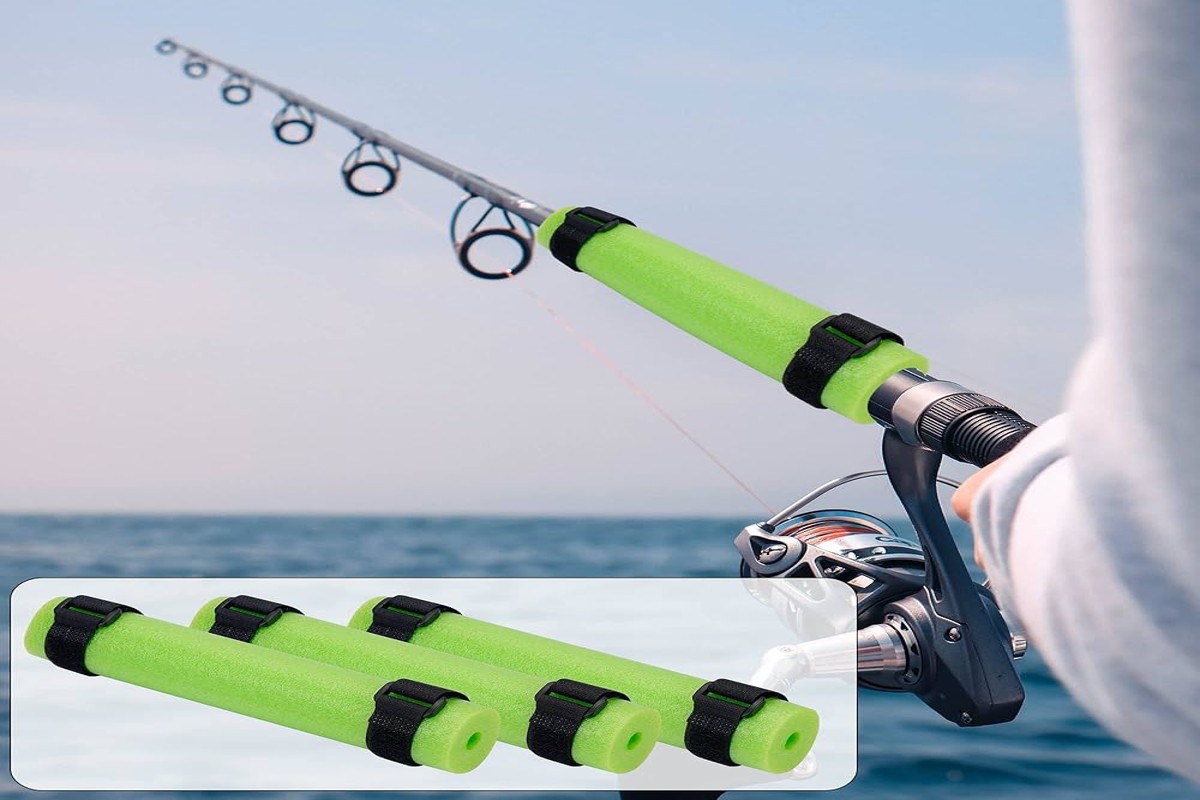
She thought she could make her fishing rod float, so she gathered a bunch of pool noodles.
The Science Behind Fishing Rods
We were out there, under the sun, contemplating life and fishing.
Kim, ever the engineer at heart, wanted to test her theory.
She strapped those noodles to her rod like she was putting together a float for a parade.
Surprisingly, it worked — sort of.
She cast out her line, and instead of worrying about her rod sinking, she was focused on catching fish.
What I learned from that was how fishing rods are designed.
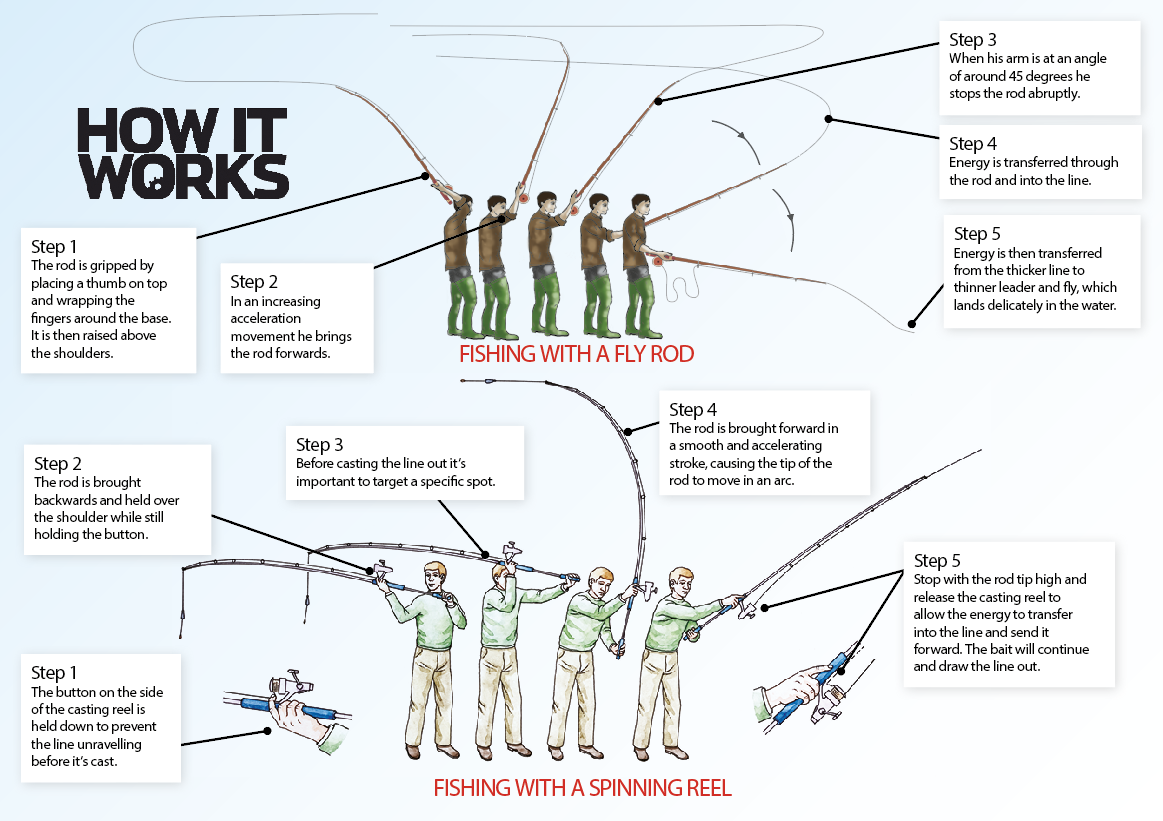
Most rods are made of materials like fiberglass or graphite.
These materials are sturdy, but they aren’t exactly buoyant.
They sink because they’re denser than water — which makes sense.
I mean, who wants a fishing rod that floats away when they cast?
The part that caught me off guard was the sheer variety in rod designs.
Some are meant to be lightweight for casting ease, while others are more robust for battling larger fish.
Yet, the deeper we dove into this, the more I realized that buoyancy was a rare trait for rods.
Kim’s noodle solution was creative, but it wasn’t going to become a trend anytime soon.
Now, if you think about it, there are rods designed with buoyancy in mind.
They’re typically used for specific purposes, like float fishing or in rough waters.
But the majority? They’re heavy hitters meant to sink beneath the waves, helping you feel every nibble on the line.
- Most fishing rods are not buoyant.
- Materials like fiberglass make them sink.
- Some rods are designed for specific buoyancy needs.
If I had to do it again, I’d stick with my trusty rod instead of testing out noodle hacks.
What surprised me was how much I enjoyed learning about the science there.
Next time, I might bring a notepad along to jot down ideas instead of just hanging out with a pool noodle.
Here’s something I never expected to learn.
After a discussion with Kim about fishing gear, my perspective shifted completely.
I realized that preparation is everything.
Advice for Future Fishermen
It all started with our fishing trip last summer.
We were out on the water, just Kim and me,
joking around and hoping to reel in some fish.
Then came the moment I’ll never forget: my rod slipped from my hands.
It was a total panic—my first thought was, “Do fishing rods float?”
Fortunately, it didn’t sink.
But it got me thinking about how unprepared I really was.
Kim and I started brainstorming ways to avoid the same situation
next time we hit the water.
The first thing I learned? Secure your gear.
I can’t stress this enough.
I had thought I could just grip my rod and everything would be fine.
Spoiler alert: it wasn’t.
What I found out was, simple things make a huge difference.
Using rod leashes or clips helps keep your gear in check.
I never would have thought of that until it was almost too late.
Now, I’m all about those little safety nets.
Next, picking the right rod matters more than I realized.
I used to think all rods were created equal.
But no—different styles suit different fishing environments.
Lightweight options work for some types of fishing,
while sturdier rods are essential for bigger catches.
So, I started doing my homework on what fits my style.
And then there’s staying calm in unexpected situations.
When that rod slipped, I panicked.
I looked like a fish out of water. Literally.
But Kim reminded me to breathe and shake it off.
I learned that taking a step back can help you regroup and think.
Next time, I won’t let small mistakes throw me off.
- Always secure your gear.
- Choose a rod that fits your fishing style.
- Stay calm when things go wrong.
If I had to do it again, I’d definitely be more prepared.
The thing nobody tells you is, fishing isn’t just about casting lines.
It’s about knowing how to handle the unexpected.
And trust me—keeping your gear in check makes all the difference.
Before I dive into this, I just want to share a quick note:
everything I’m sharing comes from my own experience and a little imagination—so I’m no expert here!
If you’re thinking about making any big decisions about fishing gear, it’s always a good idea to chat with someone who really knows their stuff.
Here’s something I didn’t expect.
As the sun dipped below the horizon after our fishing trip,
I realized this day meant way more than just catching fish.
Reflecting on the Adventure
Kim and I had a blast out there on the lake.
It was one of those days when everything clicked.
We told stories, shared laughs, and fished like pros — well, kind of.
But, I’ll admit, I made a pretty silly mistake early on.
I assumed the fishing rods would float — turns out they don’t.
Watching mine sink was a real “oops” moment!
What I learned from that was the value of being present.
Sure, I lost a rod, which was a bummer,
but the memories we created were worth so much more.
The part that caught me off guard was how much fun I had,
even when things didn’t go according to plan.
We talked about everything and nothing,
from our childhood memories in Fresno to the best fishing spots.
Each laugh felt like a bond tightening between us.
It just reminded me that moments like these are rare.
They bring friends closer, even over a couple of lost fishing rods.
- Fishing isn’t just about the catch.
- It’s about companionship.
- Memories last longer than gear.
As we packed up to head home,
I found myself looking forward to our next adventure.
Maybe we’ll go camping next time or try some new techniques.
If I had to do it again, I’d laugh even harder at my mistakes.
After all, it’s these little mishaps that make for the best stories.