
Ever had a fishing rod snap right when you needed it most?
That happened to me while I was out on the lake with my buddy Lena.
I’ll also show you the wild tricks I discovered to fix it and turn a total disaster into a win.
Trust me, this is a journey you won’t want to miss!
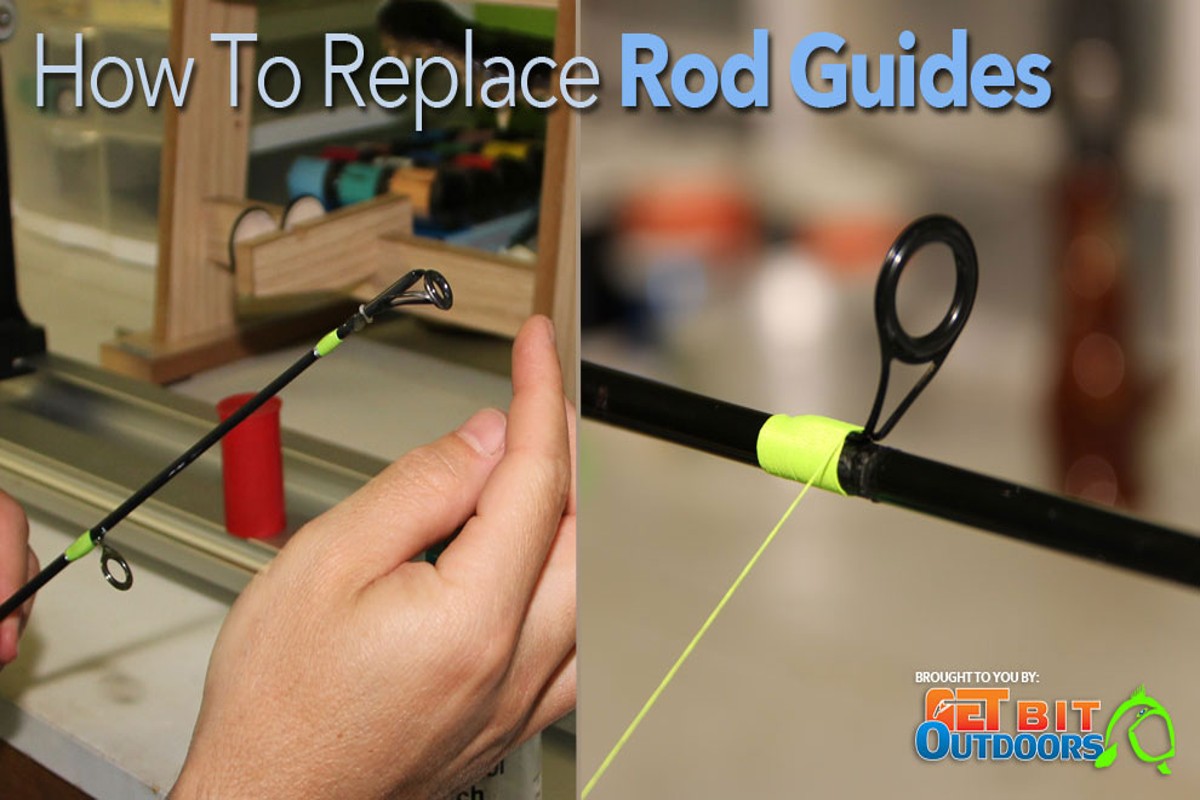
How to fishing rod repair involves identifying the damage, gathering the right materials, and following step-by-step instructions to restore functionality. Start by assessing the break and then use appropriate adhesive or replacement parts.
But the answer alone doesn’t tell the whole story—let me walk you through what I actually experienced.
Let me tell you about the day my fishing rod betrayed me.
It started out like any other trip with Lena — just the two of us, coffee in hand, the sun rising over the lake.
We were excited, casting lines and joking about who would catch the biggest fish.

The Day My Fishing Rod Failed Me
And then it happened.
I can still hear that chilling snap.
One moment, my bait was flying gracefully through the air.
The next, my favorite rod was in two pieces.
I stood there, frozen, staring at the mangled mess of fiberglass.
The horror of that moment hit me hard.
I felt a wave of panic wash over me.
I had no backup rod, no Plan B.
There I was, standing on the shore, just me and my broken dreams.
What I realized in that split second was that I had to fix it myself.
Lena looked at me wide-eyed, almost as if she was waiting for me to pull a magic wand out of my pocket.
But let’s be real — I didn’t even know where to begin.
What I learned from that was sometimes you have to face the music.
You can’t rely on others to solve your problems.
The part that caught me off guard was the rush of determination I felt.
Sure, I had no idea what I was doing, but I was going to figure this out.
It was a hot summer day, my hands fumbled with the broken pieces on my kitchen table.
I looked up a few threads on Bogleheads, hoping for guidance.
They had some great tips on fishing rod repair, but the sheer number of options overwhelmed me.
Do I need epoxy? A new reel? Just how deep does this rabbit hole go?
- Don’t rush into it.
- Gather your tools first.
- Watch a video or two.
If I had to do it again, I’d probably tackle that challenge differently.
I might look for a mentor or someone who knows the ins and outs of fishing rods.
But here’s the thing: that day taught me resilience.
I was determined to get back out there — rod or no rod.
In the end, fixing my fishing rod became more than just a task.
It was a lesson in self-reliance and learning from my mistakes.
Even though my rod was a hot mess, I felt a sense of ownership over that repair.
Sometimes, it’s not just about fishing — it’s about the journey of figuring things out.
Here’s something I didn’t expect.
While scrolling through a Bogleheads thread, I stumbled upon a heated debate about fishing rod repair techniques.
I mean, who knew it could spark such passion?
Searching for Solutions: A DIY Adventure
I was in a bind — my fishing rod was broken, and I had plans to hit Lake Michigan that weekend.
Panic mode kicked in as I turned to my old friend Google.
I typed in “how to fix a fishing rod,” and wow, a flood of repair videos and articles popped up.
It felt like drowning in a sea of information.
The first few videos were pretty straightforward.
But then, I started to wonder if I was missing something crucial.
What kind of glue do I need? Should I use tape or something more fancy?
I found myself spiraling into a rabbit hole of forums and DIY tips.
What I learned from that was that the internet is both a treasure trove and a minefield.
One article suggested using super glue, while another swore by epoxy.
Who knew fixing a rod could be so complicated?
I knew I had to gather the right tools and materials.
I took a trip to the nearby hardware store and felt like a kid in a candy shop.
The aisles were packed with options — repair kits, glues, even some shiny new rods that looked tempting.
But I focused on what I needed.
Feeling overwhelmed was an understatement.
I grabbed some epoxy, a pair of pliers, and a roll of electrical tape — whatever that was for.
I thought, “This is fine; I can totally do this.”
But deep down, I was nervous. What if I messed it up?
The part that caught me off guard was just how determined I felt.
I kept thinking about the lake, the thrill of casting my line, and how I didn’t want to miss out on the fun.
So, I took a deep breath and decided to give it a shot.
If I was going to mess it up, at least I’d have a good story to tell, right?
If I had to do it again, I’d probably take it slower.
Rushing in headfirst wasn’t my best move, but the excitement was real.
Who knew fixing my fishing rod would turn into such an adventure?
And honestly? I wouldn’t trade that feeling of determination for anything.
Have you ever thought, “This will be easy” only to find yourself in a complete mess?
That was me on my first fishing rod repair attempt.
Spoiler alert: It didn’t go as planned.

The First Attempt: A Hilarious Disaster
I gathered all my supplies with a confidence that now seems ridiculous.
I’d read a few threads on Bogleheads, watched some YouTube videos, and felt ready.
But when I reached for the adhesive, I grabbed the wrong kind.
The tube said “super glue,” but let’s be real—this was anything but “super.”
In just a matter of minutes, my once-promising project turned into a chaotic mess.
The rod fell apart again just as I thought I’d nailed it.
I started cracking up when I saw Lena’s face—she was trying to hold back laughter but failing spectacularly.
It was like this slapstick scene straight out of a comedy movie.
We both just stood there, surrounded by broken pieces, laughing uncontrollably.
Honestly, I didn’t know whether to cry or laugh more.
What I learned from that was how crucial the right materials are.
The part that caught me off guard was just how quickly things can go south with the wrong adhesive.
I realized I needed more than just a YouTube tutorial and some supplies.
Real hands-on experience is essential, even for a simple repair.
Lessons from the Chaos
- Make sure to read labels carefully.
- Have a backup plan, or even a backup adhesive.
- Laughter makes failure bearable.
If I had to do it again, I’d definitely take my time choosing the right adhesive.
And I’d trust my instincts a little more—because honestly, I had no clue what I was doing back then.
But that chaos with Lena? Total bonding experience.
The thing nobody tells you is that sometimes, it’s the messy moments that create the best memories.
So, here’s something I didn’t expect.
When Lena told me about her own fishing rod repair mission, I figured it would be a walk in the park.
She ended up having to patch her rod in a way that had me scratching my head.

Lessons from My Mistakes: What Went Wrong
Lena had the right idea — she watched a bunch of YouTube tutorials.
She’d spend hours studying techniques, but when it came time to act, things went sideways.
Her epoxy didn’t cure right, and it was a huge mess.
Honestly, I chuckled at first, until I realized I could be next.
What I found out was that patience was key here.
I rushed into my own repairs thinking I could wing it.
Yeah, spoiler alert — that didn’t work out at all. I dropped my rod once trying to tweak it, and the tip broke off.
Ouch. Lesson learned.
After that fiasco, I decided to really dive into the tutorials.
But let me tell you, that’s easier said than done.
You think you know something until you see it done right in a video.
The part that caught me off guard was how specific some techniques were.
Even tying knots can feel like rocket science when you’re staring at it in real-time.
Asking for help was another roadblock for me.
At first, I thought, “I can handle this.”
Turns out? Yeah, not really.
When I finally posted on a Bogleheads forum, the responses blew me away.
People were so generous with their advice and experiences.
I realized I shouldn’t have been stubborn.
- Ask friends for their tips.
- Look for YouTube channels that focus on fishing gear repair.
- Join local fishing groups — they often have experienced anglers who can help.
If I had to do it again, I’d soak in the advice from others sooner.
The thing nobody tells you is that learning through failure is sometimes the best teacher.
So, if you’re looking for “How To Fishing Rod Repair,” take it slow, keep an open mind, and don’t be afraid to reach out.
There’s nothing quite like the rush of success after a long struggle.
After our chat, Lena sparked something in me to give my fishing rod another go.
And this time, I was determined.
The Successful Repair: Triumph Over Adversity
I set aside my doubts and dove back into the repair.
With Lena’s advice echoing in my mind, I headed to the local store for materials.
No more half-baked solutions — I was ready for the real deal.
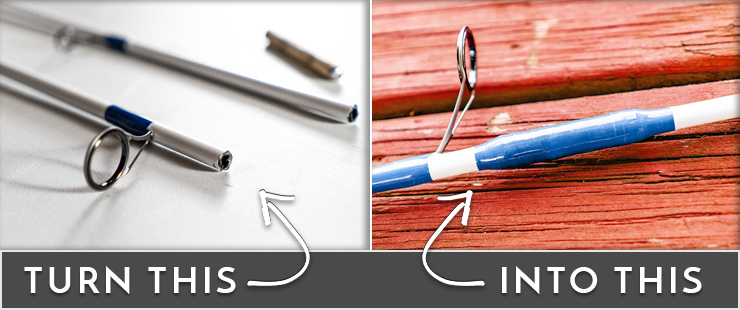
New epoxy, a sturdy wrapping, and the right tools in hand, I felt confident.
Step one was stripping the old line off.
Just like Lena said, a clean slate meant better adhesion.
Next, I applied the epoxy with care, making sure it was even.
Then came the part I dreaded: wrapping. But this time, I took it slow, focusing on each loop.
With every turn, I felt the tension lift.
The ultimate test? Casting it out into the Milwaukee River.
I was nervous, to say the least.
But as I made that flick of the wrist, I felt the line glide effortlessly.
It worked — and not just for a second.
I stood there, a huge grin on my face, watching the line dance over the water.
What surprised me was how much confidence I gained from that process.
I realized that having the right materials isn’t just about the repair.
It’s also about reminding yourself that you can do it.
With each step, I felt more empowered to tackle other projects.
When I went back to the Bogleheads forum, I shared my success story.
Lena cheered me on, but she also pointed out something key: “It’s all about patience.”
That was the part I needed to hear.
Impatience was my enemy the first time, but now I learned to respect the process.
- Using top-notch materials paid off.
- Step-by-step focus transformed my approach.
- Testing my work was the best reward.
If I had to do it again, I’d remind myself that every repair has its challenges.
But overcoming them? That’s where the real joy lies.
Fishing might be about the catch, but the moments like these? Those are priceless.
Before we dive in, I just want to be clear about something:
everything I’m sharing comes from my own fishing adventures and a sprinkle of trial and error.
I’m no expert, so if you’re planning to make any big decisions, it’s always a good idea to chat with someone who knows their stuff!
Here’s something I didn’t expect.
Taking my repaired fishing rod back to the lake felt like a real victory.
I honestly just wanted to catch a fish with it and prove to myself it was worth the trouble.
A New Chapter: Fishing with My Repaired Rod
I was jittery with excitement as I grabbed my gear.
When I met Lena at the lake, she was practically bouncing.
She had been my biggest cheerleader through the repair journey.
We set up by our favorite spot, and I couldn’t help but feel proud.
I was finally ready to cast again.
The moment I tossed the line into the water, my heart raced.
It felt like freedom, like I was finally back in my element.
Lena laughed and teased how my casting was a bit rusty.
But that didn’t matter — I was fishing, and it felt amazing.
What surprised me was how quickly I fell back into it.
After a few casts, I felt confident again.
Then it happened — my rod jerked, and I knew I had a bite.
I hooked it and started reeling it in, adrenaline on full blast.
Lena was cheering me on, snapping photos, and it all felt surreal.
You know, I made a mistake early on.
I almost used the wrong line for my repair.
Thank goodness I double-checked with Lena before diving in.
What I learned from that was the value of a second opinion.
Sometimes, it really pays off to ask for help.
The part that caught me off guard was the joy of sharing this experience.
Every time I caught a fish, it was like we were reliving the memories of our childhood.
We laughed about the silly mishaps while fishing and celebrated every little victory.
These moments reminded me that fishing is more than just a hobby; it’s about connection.
- Casting the rod felt like riding a bike.
- Celebrating small wins — it’s what makes it fun.
- Having Lena there made everything better.
If I had to do it again, I’d take my time on the repair.
Rushing through it was tempting, but the lessons were invaluable.
The thing nobody tells you is that fixing something can be just as rewarding as using it.
Fishing with my repaired rod became more than just a pastime; it was a journey.