
Last summer, I found myself in a sticky situation with my buddy Carlos.
We were attempting to craft our own bamboo fly fishing rods, and let me tell you—it was a whirlwind of mistakes and triumphs.
I’ll also share the surprising lessons learned when things didn’t go as planned, and why this experience turned out to be epic.
Trust me, you won’t want to miss this adventure!
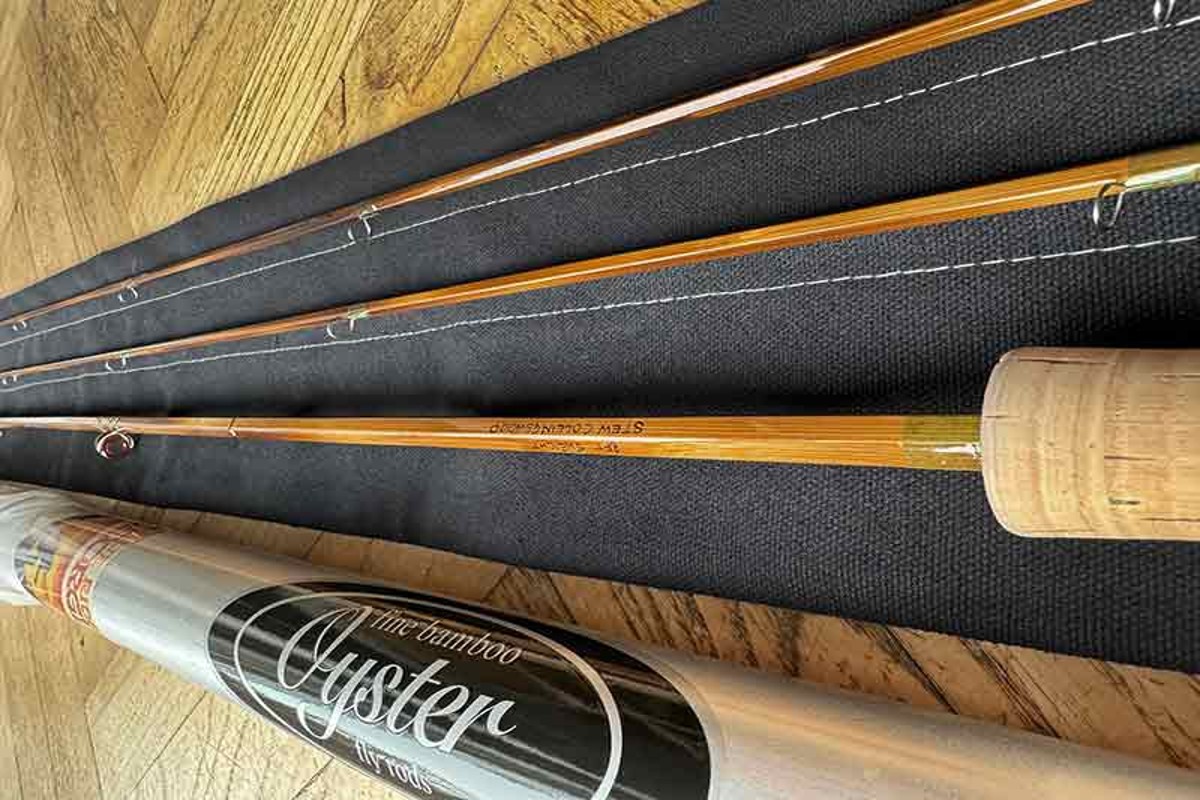
To make a bamboo fly fishing rod, start by selecting the right bamboo, split and shape the strips, then connect them using glue and wrapping techniques, ensuring a smooth finish for casting.
But the answer alone doesn’t tell the whole story—let me walk you through the hilarious and challenging moments I experienced alongside Carlos.
It was a sunny day at Lake Natomas, and the water shimmered like diamonds.
I was reeling in my latest catch when Carlos proudly brandished his handmade bamboo fly rod.
I’ll be honest — I was blown away.
How a Fishing Trip Sparked My Bamboo Adventure
Seeing Carlos with that rod made me feel something spark inside.
I had been fishing for years, but nothing had intrigued me like that bamboo rod.
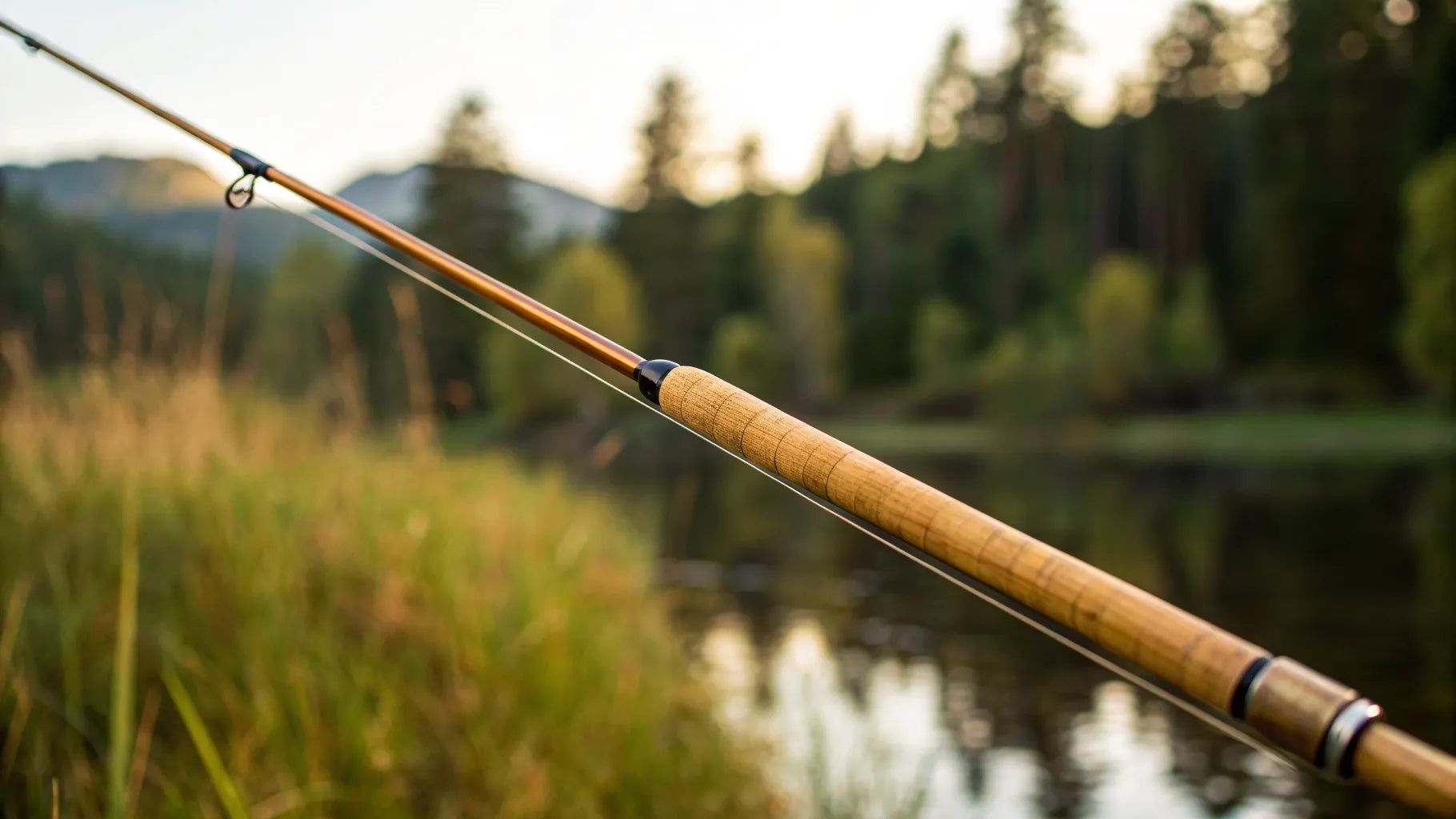
It looked elegant and had this classic charm.
I couldn’t help but think, “I want to make one of those.”
The moment I expressed my interest, Carlos lit up.
He started sharing stories about how he crafted it himself.
I was both inspired and daunted — could I really pull this off?
I mean, I had always just bought my gear. This was a whole new level.
Once I got home, I dove into research like a kid in a candy store.
I was amazed to discover how much I didn’t know about bamboo materials.
Turns out, making a bamboo fly rod isn’t just about picking some sticks.
There’s a whole art to it — and I was ready to learn.
What I learned from that was how many different types of bamboo there are.
Each one has its own unique qualities, and not all are suitable for rods.
I honestly had no clue before that day.
The part that caught me off guard was the sheer amount of tools and skills needed.
I mean, you can’t just cut bamboo and hope for the best!
There’s tapering, splitting, and all sorts of techniques that sound like they require a PhD.
- Learn about the types of bamboo.
- Understand the necessary tools.
- Practice splitting and tapering techniques.
If I had to do it again, I’d probably start by joining a workshop or finding a mentor.
The thing nobody tells you is how deep the rabbit hole goes.
But hey, if I can turn this curiosity into a skill, then so can you!
Here’s something I never expected.
A simple post in a Facebook group about bamboo caught my attention.
It led me on a wild adventure I couldn’t have imagined.
The Quest for Perfect Bamboo: A Surprising Discovery
It all started when Carlos shared a link in our neighborhood Facebook group.
There was a mention of a local bamboo grove that had the perfect species for fly rods.
I thought, why not check it out?
A little exploration never hurt anyone, right?
So, off I went.
The grove was just outside Sacramento, not far from home.
When I arrived, I was surprised by the sheer beauty of the place.
Tall, swaying stalks of bamboo surrounded me — a vibrant green oasis.
But finding the right species was trickier than I’d imagined.
What I learned from that adventure was how much I underestimated bamboo.
It’s not just a simple plant; it’s got history!
Bamboo has been used in fishing for centuries — I had no clue!
As I wandered through the grove, I felt a connection to the past.
The part that caught me off guard was how much ancient knowledge surrounded this craft.
Then, as luck would have it, I stumbled upon an elderly craftsman.
His name was Mr. Tanaka — he was a bit of a legend in local fishing circles.
He had dedicated his life to making bamboo rods and was happy to share his secrets.
I felt like I struck gold that day.
Mr. Tanaka showed me the different types of bamboo, explaining what made each unique.
He talked about the strength of certain species for casting and their flex when reeling in a catch.
It was fascinating to hear someone so passionate about their craft.
At that moment, I realized there’s so much more to crafting a bamboo fly rod than just using any old bamboo.
If I had to do it again, I’d definitely dive deeper into the history of bamboo fishing.
I wouldn’t want to miss out on the wisdom that comes from those who’ve been doing it for decades.
What surprised me was how one little Facebook post turned into a treasure trove of experiences.
If you’re ever curious about how to make a bamboo fly fishing rod, just remember — there’s a world waiting for you.
Here’s a little nugget for you.
When I attempted to split bamboo for my first fly rod,
let’s just say I didn’t quite nail it.
Stripping Down: The Art of Splitting Bamboo
It started out on a sunny afternoon in Sacramento.
And of course, Carlos was there to witness the chaos.
We gathered our tools: a sharp knife, a mallet, and a whole lot of optimism.
I felt like a seasoned craftsman — until I actually tried to split the bamboo.
Let’s just say, it didn’t go as planned.
My first attempt was a disaster.
I whacked at the bamboo with the mallet, thinking I was a lumberjack or something.
But all I managed to do was create a dent and a slightly injured thumb.
Carlos was losing it, laughing uncontrollably.
His commentary made it feel like I was in a comedy show.
What surprised me was the crucial role the right tools played.
A good knife is key for this process, and mine… well, let’s call it “vintage.”
After a few more failed attempts, I learned that finesse trumps brute force.
Using the knife at the right angle? Big game changer.
I finally managed to split a piece, even if it looked like a toddler had a go at it.
The part that caught me off guard was how much mental focus it required.
It’s not just about swinging a mallet — it’s about being precise and patient.
Carlos kept cracking jokes, calling it my “bamboo ballet.”
Honestly, I was sweating bullets trying to keep my composure and avoid further injuries.
By the end, I had a few decent strips of bamboo, and a lot of laughter echoing through the yard.
I finally saw what I needed to do: this was all about practice.
I mean, how hard could it be — right?
Turns out, splitting bamboo is an art form.
If I had to do it again, I’d probably invest in a decent splitting knife right off the bat.
And I’d definitely bring a first aid kit.
The thing nobody tells you is that splitting bamboo can be as tough as it is enjoyable.
But hey, at least I have a funny story to tell.
Here’s something I didn’t expect.
When Carlos first told me he was going to attempt making his own bamboo fly rod, I had my doubts.
I had never tried it myself, but I figured, how hard could it be?
Shaping the Future: The Crafting Process Unfolds
As I started shaping the bamboo, it felt like I was entering a different zone.
You know, that kind of peaceful place where time seems to slow down?
I focused on the techniques for tapering, carefully planning my moves with each stroke of the hand.
I noticed the rhythm of my tools against the bamboo — calming, almost meditative.
Yet, doubt crept in like an unwelcome guest.
What I learned from that was how this crafting process wasn’t just physical.
It pulled me into a realm of self-discovery.
Each cut was a step forward, each mistake a lesson learned.
I wasn’t just making a rod; I was shaping myself too.
The part that caught me off guard was how the doubts hit me hard on days when the bamboo wouldn’t cooperate.
I’d stare at it thinking, “What am I doing?”
Yet, determination kicked in at some point, pushing me to adapt and correct my mistakes.
It felt like a dance — a mix of frustration and grace.
When Carlos finally finished his rod, he was glowing with pride.
He had tackled his fears and ended up with something beautiful.
That inspired me, and I steered the same path, determined to finish what I started.
Moments of Clarity
- The rhythm of crafting is therapeutic.
- Every doubt is a chance to grow.
- Determination can fuel creativity.
If I had to do it again, I’d definitely embrace the journey more.
What surprised me was the depth of connection I felt to the bamboo — and to myself.
Turns out, making a bamboo fly fishing rod is about way more than just fishing.
Here’s a moment I’ll never forget.
It was the day I finally got to wrap the rod.
I’d chatted with Carlos earlier about choosing the right colors, and his enthusiasm was contagious.
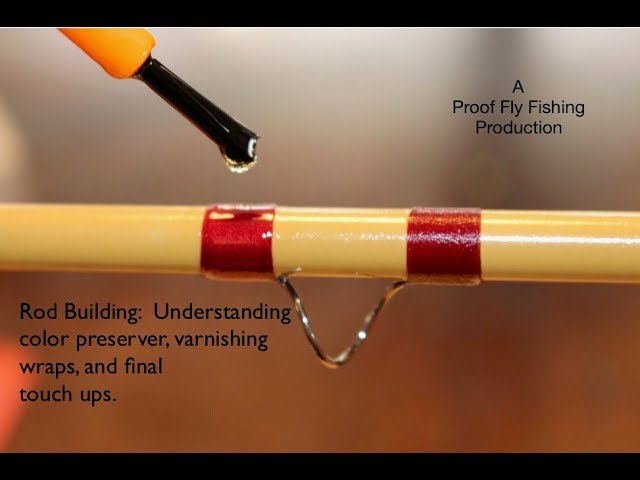
Wrapping It Up: The Final Touches on My Rod
The setup was almost surreal.
There I was, in my garage, surrounded by spools of thread.
I’d spent hours researching how to make a bamboo fly fishing rod.
But now, as I held the thread in my hands, I felt like a true craftsman.
Choosing the right color was surprisingly tough.
I wanted something that resonated with my personality yet still looked classy.
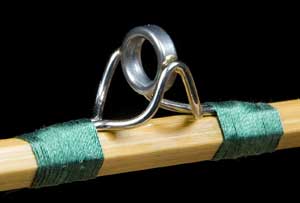
Once I settled on a deep green, I started wrapping.
Carlos had told me to take my time—how it’s all in the technique.
At first, my hands trembled.
But as I got into the rhythm, it felt like dancing.
Each wrap was a small victory, and I lost track of time.
What surprised me was the sense of satisfaction growing with each completed section.
I felt like an artist, pouring my soul into this rod.
The thread glided smoothly once I found the right angle.
I also learned that tension is critical—too tight, and I’d risk snapping it, too loose, and it’d look sloppy.
The moment I finished that last wrap, I felt elated.
It was like completing a puzzle where each piece mattered.
I stood back and admired my work, the green thread glimmering under the light.
Carlos had been right—this was my masterpiece.
If I had to do it again, I’d spend even more time picking colors.
And I’d encourage anyone to embrace the wrapping process.
It’s not just about the finished product, but the journey you take along the way.
Before I jump in, I just want to be upfront about something…
Everything I’m sharing here comes from my own adventures and a sprinkle of imagination — I’m definitely not a professional.
If you’re thinking about diving in deep with bamboo rods, it’s always a smart move to chat with someone who really knows their stuff!
There’s nothing quite like the feeling of standing by the water with a freshly crafted fly rod in hand.
But honestly, a wave of doubt washed over me when it hit me — what if I messed this up?
After hours of work, the day had finally arrived to test my creation with Carlos.
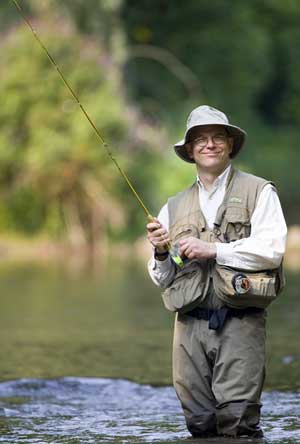
The First Cast: Testing My Creation with Carlos
Our excitement was palpable as we pulled up to the riverbank.
The sun was just right, and the water sparkled like it was ready for a fight.
I gripped the bamboo rod tightly, feeling every inch of it.
My heart raced as I made my first cast — all eyes were on the line.
Then I felt that tug.
At first, I thought it was my imagination playing tricks on me.
But nope — it was real!
I jerked the rod up in surprise, and there it was: my first catch on a homemade rod.
You would think I had caught a sea monster.
Turns out, it was just a small trout, but the joy it brought me was monumental.
I couldn’t stop grinning.
Carlos cheered me on, probably thinking I was acting like a kid on Christmas morning.
Reflecting on the journey leading up to this moment, I couldn’t help but smile.
When I first began learning how to make a bamboo fly fishing rod, I didn’t have a clue what I was doing.
Each misstep had been a lesson — especially the time I accidentally glued my fingers together.
Thankfully, I learned a lot since then.
What I learned from that was patience is key.
At every twist and turn in this process, I found value in persistence.
Catching that fish wasn’t just a testament to my hard work.
It was proof that I could build something beautiful with my own hands.
The part that caught me off guard was the camaraderie with Carlos.
He’d been there along the way, encouraging me, sharing tips from the Facebook group.
Fishing together made the whole experience richer.
It wasn’t just about the rod — it was about the memories.
If I had to do it again, I’d remind myself to trust the process.
My first cast was clumsy and awkward, but it didn’t matter.
The thrill of that moment, the satisfaction of not giving up — that’s what fishing is all about.
And hey, if I was patient enough to craft my own rod, I could definitely handle a few more trout!