
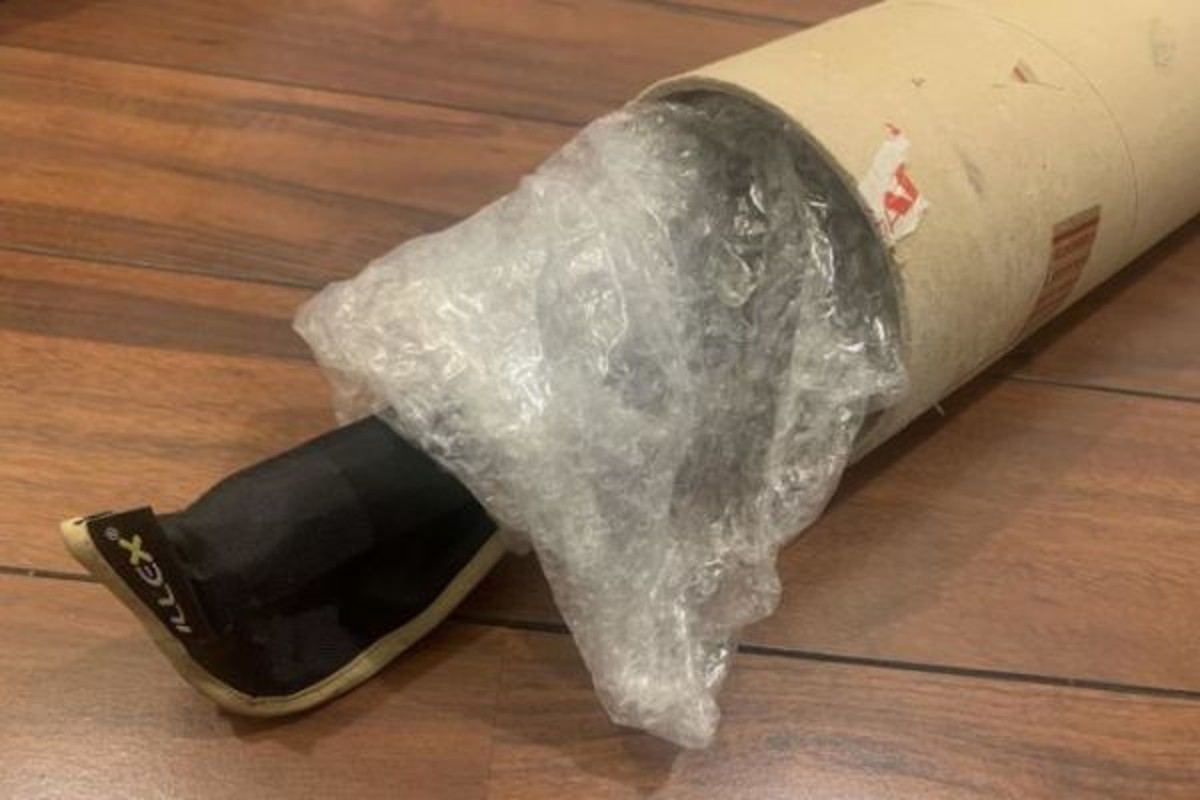
Last summer, my friend Tara needed to send me her prized fishing rod, and it turned into a hilarious fiasco.
She thought it’d be a simple drop-off at the post office, but oh boy, were we in for a ride!
I’ll share the crazy mishaps we faced and the lessons learned along the way.
Trust me, you won’t want to miss how we turned this shipping challenge into an unforgettable adventure!
To ship a fishing rod, first, securely wrap it in bubble wrap. Then, place it in a sturdy shipping tube or box, and label it clearly. Finally, choose a reliable shipping service to ensure it arrives safely.
But the answer alone doesn’t tell the whole story—let me walk you through what I actually experienced with Tara and how we navigated this unexpected shipping journey.
So there I was, enjoying my Saturday morning coffee, when my phone rang.
It was Tara, and she sounded frantic.
“Brett, I need your help! I have to ship my favorite fishing rod!”
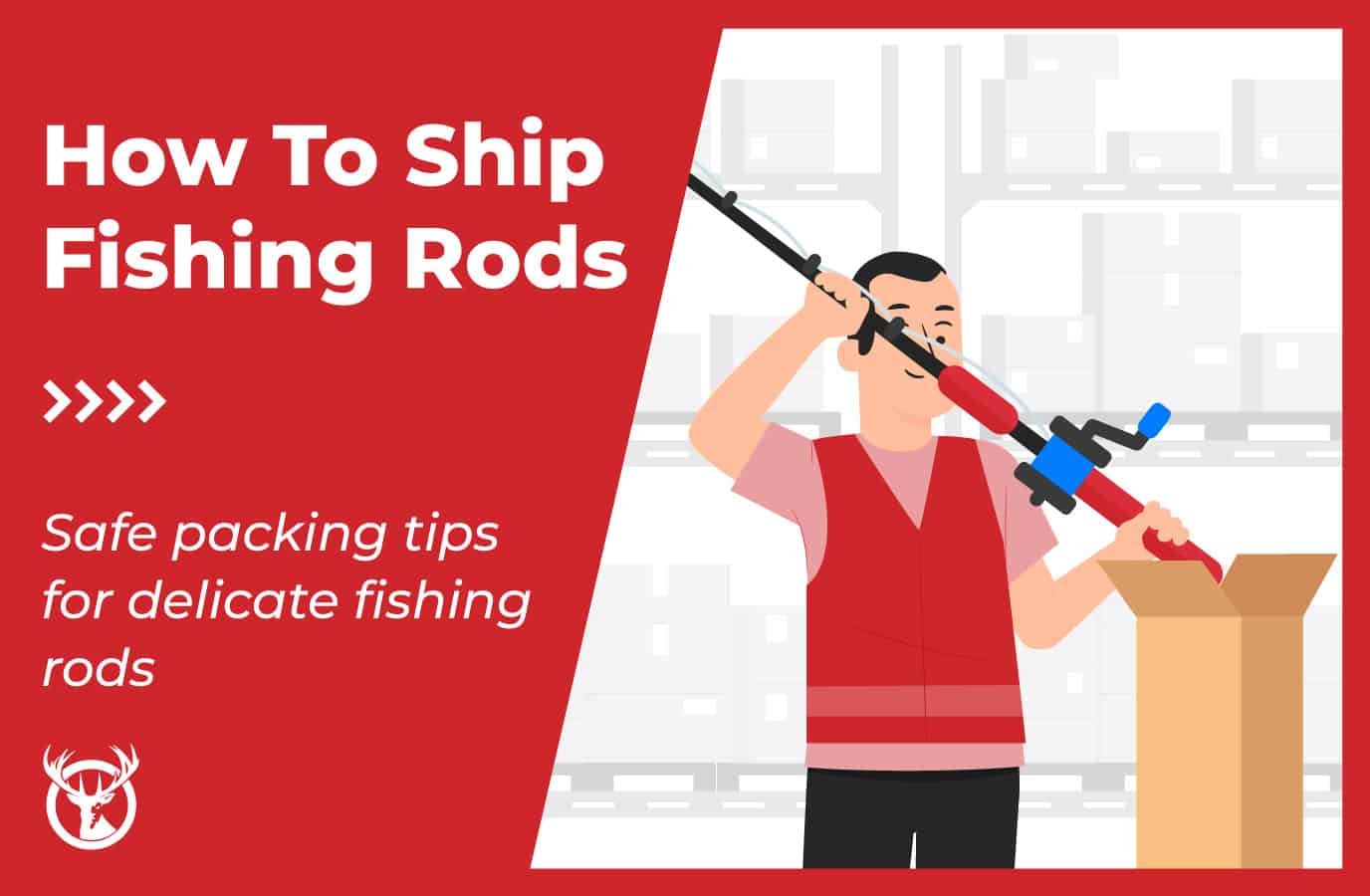
The Day Tara Decided to Ship Her Favorite Rod
Tara’s attachment to that rod was something else.
I swear, she talked about it like it was family.
Every time she fished with it, it was a new adventure.
So when she needed to send it halfway across the country, you could feel the stress through the phone.
We had a brainstorming session, which quickly turned into a comedy of errors.
She was rushing around her apartment, grabbing boxes and packing tape.
I was throwing out wildly impractical ideas over the phone.
Things got real when we both paused and realized: we had no clue how to actually pack it.
What I learned from that was how emotional attachments can complicate logistics.
Tara was so invested in that rod, it colored her judgment.
I mean, who knew shipping a rod could morph into a mini crisis?
The part that caught me off guard was how seriously Tara took it.
I figured it was just a rod—an object, right?
But no, to her, it was a vessel of memories and good times.
So, we had to treat this with respect.
We ended up looking at various videos online about how to ship a fishing rod.
Which, looking back, was quite hilarious.
We saw different methods, but none really suited us.
It felt like we were watching a fishing infomercial gone wrong!
We finally settled on getting a long cardboard tube.
Some protective padding, and a roll of bubble wrap.
Definitely a classic move, and it felt like we were finally making progress.
- Secure the rod with bubble wrap.
- Use a sturdy cardboard tube.
- Label it clearly—just in case!
In the end, Tara shipped that rod with a mix of anxiety and excitement.
She was so relieved once it was on its way.
If I had to do it again, I’d probably do the same thing with a little more planning.
The thing nobody tells you is that a good fishing rod is more than just a tool—it’s a piece of your life.
So I was scrolling through a Bogleheads thread when I stumbled upon this debate.
People were going back and forth about the best way to pack fishing rods.
Surprisingly, bubble wrap was getting the cold shoulder.
The Packing Dilemma: Bubble Wrap or Foam?
Tara and I were knee-deep in packing supplies for my fishing rod.
After some thoughtful debate about bubble wrap versus foam, we were feeling pretty confident.
But let me tell you, confidence can be deceiving.
My mind flashed back to the last time I shipped a rod.
I remember using that flimsy cardboard tube.
Big mistake — it was like sending a baby in a paper bag!
When it arrived, the rod was all bent and sad.
The packing was, to say the least, not what I expected.
We started with foam since it seemed more reliable.
But after a couple of rounds of trial and error, bubble wrap started to look appealing.
It had that cushy vibe we were craving.
What I learned from that was that packing needs to be an art.
First off, bubble wrap is lightweight and shock-absorbent.
It’s like a cozy blanket for your rod.
But the real kicker? It’s also a bit of a pain to get just right.
Foam, on the other hand, is rigid.
That can be great for stability, but it can also crush your hopes if you’re not careful.
Looking back, I wasn’t sure if I wanted my rod to be snug and cozy or protected and stiff.
Then came the epic mishap.
We finally settled on a hybrid approach.
Bubble wrap around the rod, foam at the ends.
Then we sealed everything up in a box and gave each other a high-five.
But in our excitement, I almost missed a critical step. I forgot to add extra cushioning in the box!
Turns out, the rod was dancing around way too much.
When I went to pick up the box to seal it, I heard a horrible clunk.
My heart dropped.
I had no idea what I was in for.
After tearing open the box, it was all good—but I sure had a mini heart attack.
What surprised me was how fragile it all felt during that moment.
What I found out was that even a little extra bubble wrap makes a big difference.
A couple of layers and some tight boxing could save you from potential disaster.
If I had to do it again, I’d definitely err on the side of caution.
More protection, less chance of despair when the box arrives.
Shipping a fishing rod is no joke, and I’ve learned my lesson the hard way.
Here’s something I didn’t expect.
When I started looking for the right way to ship my fishing rod, I was totally in the dark.
It was just a simple task, or so I thought.
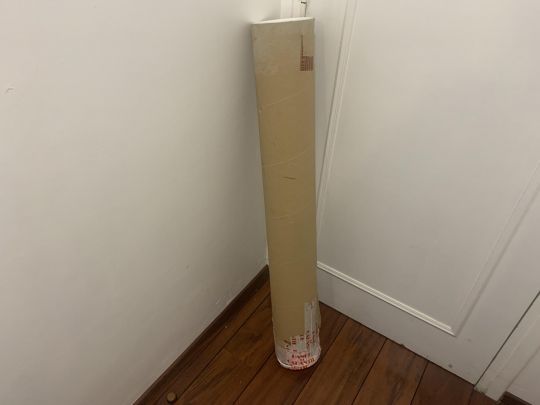
Choosing the Right Shipping Tube: A Game Changer
Searching online for shipping materials felt overwhelming.
I remember sitting at my kitchen table in Colorado Springs, scrolling through options.
Then suddenly, I stumbled upon this tutorial that made everything click.
It talked about shipping fishing rods — a topic I hadn’t even considered before.
I felt like I hit the jackpot.
The part that caught me off guard was the importance of dimensions.
I never thought about how a poorly chosen tube could ruin the whole shipping experience.
When Tara and I decided to send one of our rods to a buddy in another state,
we quickly learned that the right shipping tube could save us from disaster.
We found a perfect solution with dimensions that fit our fishing rod exactly.
No more loose ends to worry about or breakage fears.
It was like finding the missing puzzle piece.
If we’d ignored that part, I can only imagine the disaster that would’ve followed.
What I learned from that was how crucial it is to get this step right.
Honestly, I had no clue shipping could be this complicated.
But once I was aware of the right tube size, everything changed.
We were confident, and our buddy received the rod in one piece.
If I had to do it again, I’d dive into those tutorials sooner.
It was a game-changer, both for our peace of mind and the rod’s safety.
A good shipping tube really makes all the difference.
Trust me on this one.
Let me take you back to a moment I still chuckle at.
Tara once decided to ship her prized fishing rod.
She slapped a hastily written label on it and dropped it off at the post office.
Labeling: The Unsung Hero of Shipping
That day at the post office was a rollercoaster.
Tara’s label was so unclear that it got sent to the wrong state.
She was frantically tracking her package as it meandered around the country.
I can’t forget her face when she realized it was headed to a tiny town in Iowa.
The chaos was just too funny to handle.
What I learned from that was how crucial clear labeling is.
It’s like the difference between sending a letter across town vs. the other side of the globe.
I mean, who wants their fishing rod to end up in someone else’s hands?
Tara learned the hard way that messy labels lead to messy problems.
The part that caught me off guard was how simple it is to create a standout label.
I started thinking, “What makes a label effective?”
It has to be easy to read.
Big, bold letters that scream “This isn’t junk!”
Plus, I always write the return address in a way that catches attention — because, you know, life happens.
- Use strong tape to secure the label down.
- Consider a bright colored label — yellow or neon pink works.
- Put a sticker on it. Anything to make it more noticeable!
When I finally shipped my own rod, I took all of that to heart.
I spent a good half hour creating a label that didn’t blend in with the dull brown of the box.
Even my dog, Max, seemed to approve with a wag of his tail.
If I had to do it again, I’d probably bring a checklist for labeling.
It’s easy to overlook the little things, and those can lead to big mistakes.
So, when you’re gearing up on how to ship a fishing rod, pay attention to the label.
Make it clear, make it memorable — or risk it becoming a comedy of errors all over again.
Here’s something I never thought I’d feel.
The day had finally arrived to ship Tara’s beloved fishing rod.
Excitement danced with a heavy dose of anxiety.
Shipping Day: The Moment of Truth
As I stood in my living room, the rod leaning against the wall, I felt the pressure mount.
This wasn’t just any rod; it was Tara’s favorite, and I promised to get it to her without a hitch.
We had discussed this plan endlessly on our Bogleheads thread, tweaking every detail.
I double-checked the supplies one last time — bubble wrap, tape, box… everything seemed in place.
But was it enough?
The anticipation was palpable as we prepared to box it up.
Tara watched, her eyes filled with hope and just a touch of worry.
We carefully wrapped the rod, making sure every inch was protected.
The moment the lid closed, a wave of relief washed over me.
We actually did it.
What I learned from that was how crucial preparation is.
Each little detail mattered — from the right box size to choosing just the right padding.
Surprisingly, I found that having Tara’s input made a big difference.
It felt less like a solo mission and more like a team effort.
The part that caught me off guard was how nervous I felt at the post office.
Standing there, I couldn’t shake that nagging thought: what if something went wrong?
But after handing it over to the clerk, I finally exhaled.
I was ready to celebrate — we’d successfully shipped the rod!
If I had to do it again, I’d definitely involve Tara even more.
There’s something special about tackling these challenges with a friend, even if it’s just shipping a rod.
The thing nobody tells you is how much you learn about problem-solving in the simplest tasks.
Next time, I’ll just make sure not to overthink it—because we nailed it.
Before we dive into the nitty-gritty, I just want to be upfront with you.
Everything I’m sharing comes from my own experiences and a sprinkle of imagination — so keep that in mind!
If you’re really about to make a shipping decision, I strongly suggest chatting with someone who knows the ropes.
So there we were, Tara and I, standing in my living room with a fishing rod that looked more like a javelin than something you’d take to the lake.
I couldn’t believe how complicated shipping it could be.
Honestly, it felt like we were trying to launch a rocket.
Lessons Learned: What We Would Do Differently
Looking back, I can’t help but chuckle.
The first mistake? I thought it’d be a breeze.
Big surprise… it wasn’t!
We ended up at the post office with this awkwardly wrapped rod, unsure if it would even make it to its destination.
One thing we learned was to plan better.
The first time we packed it, we used way too much tape.
It was like we were prepping for a hurricane, not just shipping a fishing rod.
And as it turns out, you really don’t need that much.
Also, I had no clue about the proper dimensions.
I just assumed everything needed to fit in a standard box.
Nope! We had to wade through all these shipping guidelines.
Talk about a headache.
What I learned from that was; invest in a good quality tube.
It sounds simple, but it changes everything.
I ended up getting a reusable rod tube after that first fiasco, and it made the next round so much smoother.
The part that caught me off guard was how much the right packaging matters.
We initially skimped on the bubble wrap — rookie mistake.
A little extra padding goes a long way, and I was just being lazy.
Advice for Anyone Shipping Fishing Gear
- Get a sturdy rod tube — don’t cheap out!
- Use more bubble wrap than you think you need.
- Measure your package to avoid extra fees.
What really made this adventure worth it, though, was how it knitted Tara and me closer together.
We laughed a lot through the chaos.
Moments like trying to wrangle the rod into the box or debating how much tape was “enough.”
Honestly, those memories are priceless.
If I had to do it again, I’d prioritize the fun over the frustration.
And I’d definitely make sure we had a plan well before hitting the post office.
The thing nobody tells you is that sometimes the biggest mess-ups lead to the best stories.