
Ever found yourself crammed in your car, wrestling with fishing rods that just won’t fit?
I remember the chaos when Rob and I headed out for a day on the water, and it turned into an epic struggle.
I’ll also show you some clever hacks that saved our trip from turning into a disaster.
Trust me, you won’t believe the lengths we went to!
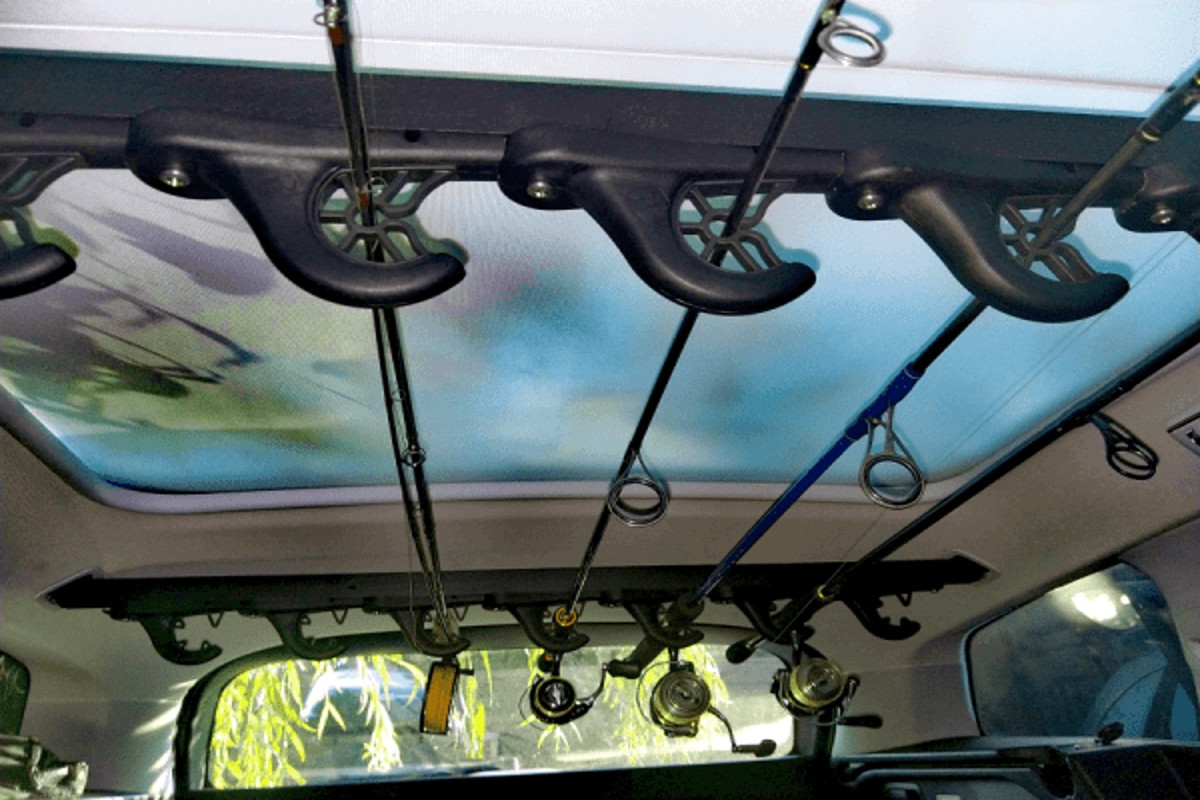
To transport fishing rods in a car, secure them in a rod holder or use soft cases to prevent damage.
Place them diagonally in the back seat or trunk, ensuring they don’t obstruct visibility.
But the answer alone doesn’t tell the whole story — let me walk you through what I actually experienced.
Here’s something I didn’t expect.
Rob and I were gearing up for a fishing trip one weekend when he almost left his prized rod behind.
It was a total drama moment — one I won’t forget.
The Day My Rod Almost Didn’t Make It
We were both pumped for our trip to the lake.
I had my tackle box packed and snacks ready to go.
But then, as we loaded up the car, I realized something.
There was no space left for the fishing rods.
Panic set in — I couldn’t believe it!
The backseat was crammed with gear, and the trunk was stuffed to the brim.
I thought, “What do we do now?”
Rob was just about to grab his rod from the front yard.
And I’m standing there, thinking this might be one of my dumbest moments yet.
Then Rob had this lightbulb moment.
He suggested we strap the rods to the roof rack.
I was skeptical at first — would they really stay put?
But Rob was confident. And I trusted him. We secured the rods carefully and hopped in the car.
What I learned from that was to always plan ahead.
I seriously should’ve thought it through better.
Making space for everything is key.
It was nerve-wracking driving with my fishing gear on the roof.
I kept glancing back, hoping nothing would go wrong.
The part that caught me off guard was how much I’d need those rods later that day.
When we got to the lake, I was relieved — it worked out perfectly.
Fishing with Rob that day was a blast. But the anxiety of almost forgetting my gear made me realize I can’t cut it so close next time.
- Check trunk space before packing.
- Use roof racks if needed.
- Always double-check fishing gear.
If I had to do it again, I’d definitely plan my packing better.
The thing nobody tells you is that a bit of preparation goes a long way.
And a fishing trip shouldn’t come with that kind of stress!
Here’s something I didn’t expect.
While scrolling through Quora, I stumbled across a thread about transporting fishing rods.
There was this one answer that mentioned rod holders in a way that completely blew my mind.
The Secret Weapon: Rod Holders
After that fishing trip where I nearly lost my rods, I had to rethink my setup.
It was a mess, rods everywhere, getting tangled up with the luggage.
Then Rob brought up rod holders he found online and I was a bit skeptical.
But once I tried them, everything changed.
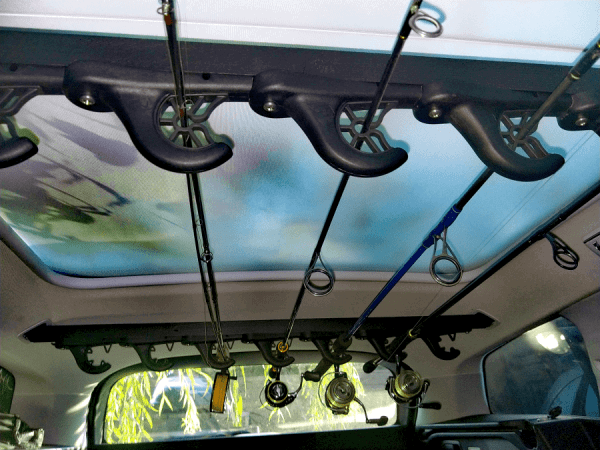
What I learned was that rod holders fit into all sorts of vehicles.
Whether you’ve got a compact car or a spacious SUV, they’ve got options.
You can even find ones that easily attach to roof racks or inside your trunk.
The convenience they offer during long drives is unreal.
What surprised me was how much easier it made packing up for a trip.
No more worrying about my rods getting damaged or tangled.
Just slide them in, secure them, and forget about it.
Perfect for those long hauls from Las Vegas to the fishing spots.
Rob’s enthusiasm for the rod holder system was contagious.
At first, he was hesitant like me—thinking it might be a waste of money.
But after seeing how well they worked, he couldn’t stop raving about it.
“Dude, this is a game changer!” he said on our last trip.
Honestly, if I had to do it again, I’d invest in rod holders way earlier.
The thing nobody tells you is that traveling with your gear doesn’t have to be stressful.
With the right setup, you can turn what used to be a hassle into a smooth experience.
Here’s something I didn’t expect.
A simple debate about fishing rod cases turned into a lesson in practicality.
When I brought it up to Rob, I quickly realized I wasn’t prepared for his perspective.

Soft Cases vs. Hard Cases: What Works for You?
I had just come back from a road trip with my buddies, and I was all about my soft case.
It was lightweight, easy to toss in the back of my car, and I figured it gave my rods enough cushion.
But Rob? Well, he had his own stories, and they weren’t pretty.
Rob decided to use a hard case for his rods on a recent trip.
He thought it would provide maximum protection, right? Well, turns out he underestimated the bulkiness.
He ended up wrestling with it in and out of his trunk, and one wrong move? Snap! He broke a prized rod.
What I learned from my experience was that soft cases have their merits.
They fit snugly, are easier to handle in tight spaces, and don’t feel like carrying around a tank.
But the part that caught me off guard was how vulnerable my rods felt in that soft case.
I even had a couple of narrow misses where I almost slammed the trunk on them!
Meanwhile, Rob’s hard case mishaps made me see the other side.
Sure, they offer rock-solid protection against rough handling.
But the inconvenience? It was off the charts. It’s like trying to maneuver a couch into a tiny apartment.
Finding Balance
So what’s the sweet spot between protection and convenience?
The answer isn’t one-size-fits-all. It depends on your fishing style and travel setup.
For a laid-back weekend at a nearby lake, soft cases might be your jam.
But for longer trips where you’re worried about damage? Hard cases could be worth the hassle.
- Soft cases are portable and lightweight.
- Hard cases are sturdy but bulky.
- Assess your fishing needs before deciding.
If I had to do it again, I’d probably lean toward a hybrid approach.
A soft case for casual outings and a hard one for serious trips.
The thing nobody tells you is that it really comes down to where you’re going and how much you care about those rods.
Here’s a funny story about packing for a fishing trip.
One morning, I was in a frenzy, trying to get everything together.
And that’s when Rob called with a brilliant, yet questionable, idea.

The Art of Loading: How to Avoid Breakage
I’ll never forget that chaotic morning.
The sun was already high, and I was running late.
I tossed my rods into the back of my car without a second thought.
Rob had just suggested I load them vertically — to save space, he said.
That worked… sort of.
When I got to the lake, I opened the trunk and my heart sank.
One of my rods had snapped right in half.
I couldn’t believe it!
It was my favorite one, too.
What I learned that day was invaluable.
First off, vertical loading is risky if you don’t secure the rods properly.
I realized they need some padding or support to stay safe.
I honestly had no clue how fragile some of those rods could be.
The part that caught me off guard was how easy it is to forget the little things.
Rob’s suggestion clearly didn’t account for rough roads or turns.
But it encouraged me to think outside the box — albeit with caution.
Lesson Learned: Safe Loading Tips
- Always lay rods flat when possible.
- Use rod socks or sleeves for extra protection.
- Secure with straps or bungee cords to avoid shifting.
If I had to do it again, I’d definitely invest in some quality gear.
Those padded rod holders really make a difference.
The thing nobody tells you is — a little care goes a long way in preserving your gear.
So, there we were, packing up for a weekend fishing trip in Rob’s tiny hatchback.
I looked at our gear and thought, “This is going to be a disaster.”
And yet, it turned into a fun little adventure.
Creative Solutions for Small Cars
When Rob and I decided to hit the lake, I figured we’d just toss everything in the trunk.
But Rob had this uncanny ability to think outside the box.
Our first challenge was fitting his fishing rods, tackle box, and cooler all in one compact space.
It felt like a game of Tetris – and I was losing.
Rob suggested we use the backseat for the rods.
We wedged them between the seats and secured them with bungee cords.
Who knew bungee cords could be so versatile?
And when that didn’t feel stable enough, we went full MacGyver — strapping them down with seat belts.
With every little adjustment, the anxiety turned into excitement.
I felt like we were crafting a masterpiece instead of just packing a car.
By the time we were done, I couldn’t believe how well everything fit.
The sense of accomplishment was better than catching a big fish.
What I learned from that little escapade was that creative solutions can come from anywhere.
I used to think larger cars were the answer for transporting fishing gear.
But it turns out, a compact car can be just as efficient if you get creative.
The part that caught me off guard was how rewarding it was to solve those packing dilemmas.
I’d never thought I’d find joy in finding a way to transport fishing rods in a car.
But here I was, a packing hero of sorts, totally proud of our ingenuity.
- Bungee cords for flexibility
- Seat belts to secure
- Utilizing backseat space
If I had to do it again, I’d still choose Rob’s hatchback over a larger vehicle.
What surprised me was how a little creativity could turn a stressful situation into a fun challenge.
Next time, I won’t underestimate the power of thinking outside the box!
Before I dive into all the fishing rod transport tips, I just want to let you know that this comes from my own adventures and a sprinkle of imagination — I’m no pro!
If you’re really gearing up for a trip, it’s always a good idea to chat with an expert who knows the ins and outs of rod transport better than I do.
Here’s a mistake I made early on that still makes me cringe.
It was my first fishing trip with Rob, and let’s just say, chaos ensued.
I didn’t plan anything ahead, and we ended up forgetting half our gear.
The Final Tip: Planning Ahead for the Best Experience
That trip taught me a valuable lesson about preparation.
We packed up the car and hit the road, but when we arrived, we realized we’d left the tackle box at home.
I could hear Rob’s frustrated sigh from the driver’s seat.
We had to make an emergency stop at a local store that charged way too much.
It was a rough start.
What I learned from that was simple: make a checklist.
Now, I have a detailed list of all the gear we need for our fishing adventures.
This checklist saves us time and prevents disasters.
Rob even developed a new packing strategy that ensures everything fits perfectly in the car.
The part that caught me off guard was how much smoother our trips have become since implementing these changes.
We spend less time scrambling and more time enjoying the water.
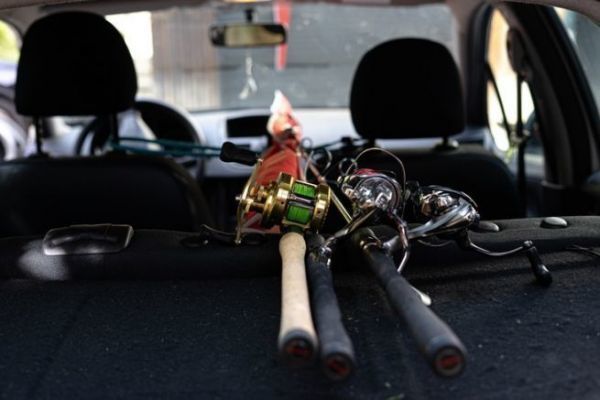
Rob’s strategy involves organizing everything by category — rods on one side, tackle on the other.
It’s like Tetris, but with fishing gear.
- Check the rods and reels first.
- Make sure the tackle box is packed and stocked.
- Confirm we have snacks and drinks — essential!
If I had to do it again, I’d definitely be more mindful of planning ahead.
That little extra effort on my part transformed our fishing experience.
I mean, who wants to spend a day worrying about what was left behind?
Now, we can focus on casting lines instead of counting lost lures.