
What Is A Fishing Rod? A fishing rod is a long, flexible pole used to catch fish, typically made of fiberglass or carbon fiber, and designed to cast bait or lures. It matters because the right fishing rod can enhance your fishing experience and improve your catch rate.
For example, anglers use various types of rods, tailored to specific fishing styles, whether it’s casting from a boat or surf fishing from the shore. Understanding fishing rods helps you choose the best equipment for your needs.
When you dive into fishing, understanding the different types of fishing rods can make a big difference in your experience. Each rod serves a unique purpose, tailored to specific fishing techniques and environments.

Different Types of Fishing Rods
Fishing rods come in various styles, each designed for different types of fishing. Knowing which rod to use can enhance your chances of catching more fish and enjoying the sport even more.
One of the most popular types is the spinning rod. These rods are versatile and great for beginners. With a spinning reel mounted underneath, they allow for easy casting and can handle a variety of lures and baits, making them perfect for everything from freshwater trout to saltwater species.
Next up is the casting rod, which is designed for more precise and powerful casting. This type of rod usually pairs with a baitcasting reel, giving you better control over your line. If you’re targeting larger fish or using heavier lures, this might be the rod for you. For example, if you’re headed to a bass tournament, a casting rod can help you make those accurate casts into tight spots.
Lastly, don’t overlook fly rods, which are specially designed for fly fishing. These rods are longer and more flexible, allowing for delicate presentations of flies on the water’s surface. If you love the thrill of tricking fish with a lightweight lure, fly rods are essential. Plus, they’re often used in beautiful, serene settings that enhance the overall fishing experience.
When choosing a fishing rod, consider what type of fishing you enjoy most. Whether you’re spinning, casting, or fly fishing, having the right rod can turn a good day into a great one. So, get out there and find the rod that fits your style!
Understanding the key components of a fishing rod can greatly enhance your fishing experience. Each part plays a specific role, contributing to the rod’s overall performance and effectiveness. Let’s break down these essential parts.

Key Components of a Fishing Rod
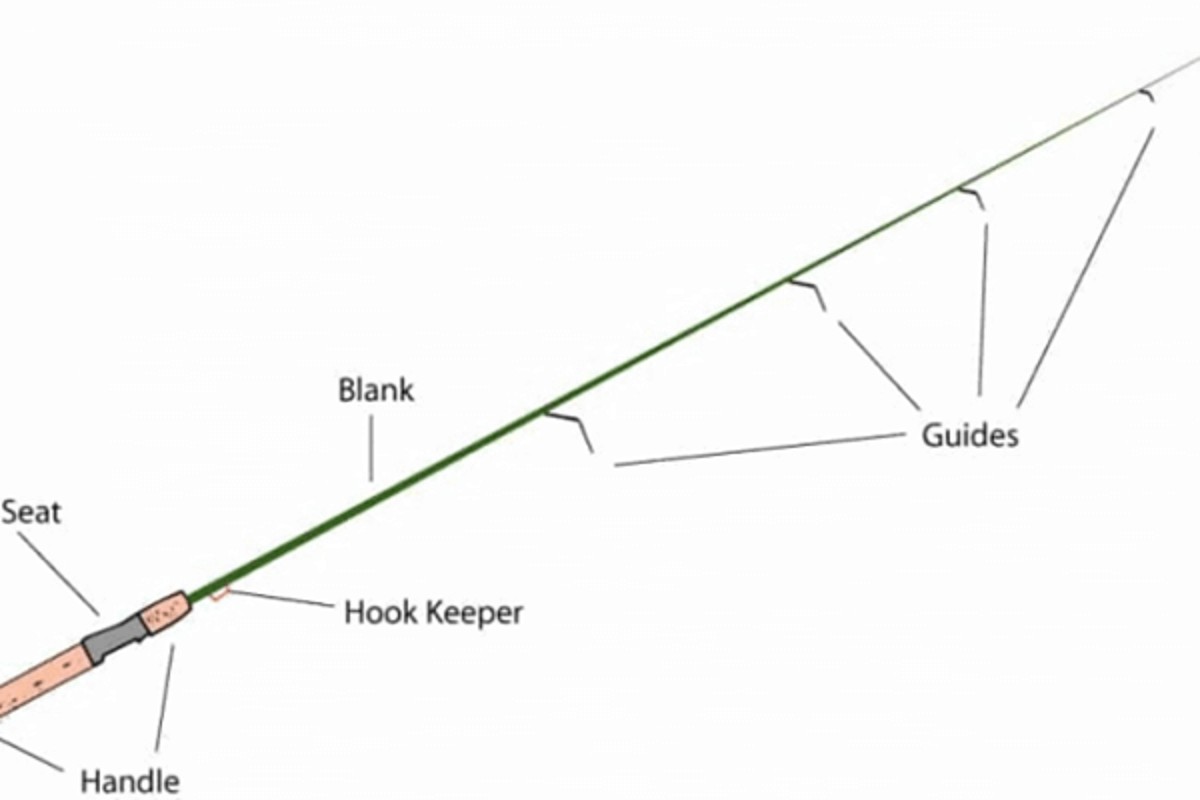
A fishing rod is not just a long stick; it’s a finely-tuned tool designed for casting and landing fish. Knowing the main components can help you choose the right rod for your fishing needs.
The first major part is the rod blank. This is the main body of the rod, typically made from materials like graphite or fiberglass. The blank’s action, or how much it bends during use, affects your casting distance and sensitivity. A stiffer rod is great for larger fish, while a more flexible rod can help you feel subtle bites.
Next up is the reel seat. This is where you attach your fishing reel, and it’s crucial for a secure fit. A good reel seat allows for easy adjustments and ensures that your reel stays firmly in place while you’re reeling in your catch. If you’re fishing for larger species, make sure the reel seat can handle the weight and pressure.
Guides
Guides are the small rings running along the rod that help control the fishing line. They keep the line in place and reduce friction as you cast and retrieve. A rod with high-quality guides will help you cast further and with more precision. You’ll appreciate this when you’re trying to reach that perfect spot on the water.
Now, think about this: you’re out fishing, and your line gets tangled. A rod with properly spaced guides can help prevent that frustration. So, when choosing your rod, pay attention to the quality and arrangement of these components to improve your overall fishing experience. Happy fishing!
Choosing the right fishing rod can make a big difference in your angling success. Understanding the key aspects—like length, power ratings, and action types—will help you pick a rod that matches your fishing style and target species.
Choosing the Right Fishing Rod
When it comes to fishing rods, there’s no one-size-fits-all. Each rod serves a purpose, whether you’re casting for bass in a lake or fly fishing for trout in a stream. Here’s how to select the right one for your needs.
Length considerations: The length of your fishing rod affects your casting distance and accuracy. Shorter rods, around 5 to 6 feet, are great for close-range fishing, while longer rods, up to 7 or 8 feet, help you cast further. For instance, if you’re fishing from a kayak, a shorter rod might give you more control. But if you’re standing on a riverbank, a longer rod can help you reach those hard-to-get spots.
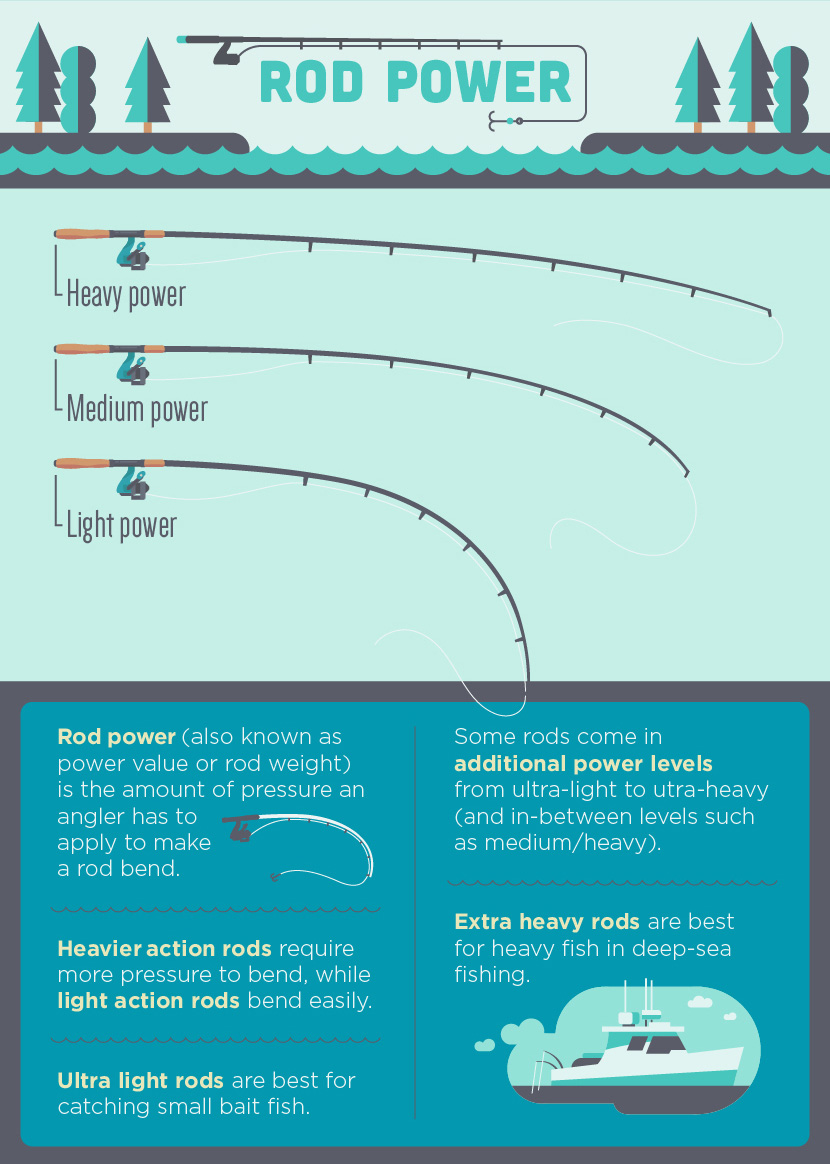
Power ratings: Power ratings indicate how much weight a rod can handle. They range from ultra-light to heavy. If you’re targeting small panfish, an ultra-light rod is ideal. On the flip side, if you’re after larger species like catfish or pike, you’ll want a heavy rod for better support. Picking the right power rating means you can effectively fight and land your catch without risking equipment failure.
Action types: The action of a rod refers to how much it bends when you apply pressure. There are three main types: fast, moderate, and slow. Fast action rods bend mostly at the tip, making them great for quick hook sets. Moderate action rods offer a more balanced flex, perfect for general use. Slow action rods bend more throughout, which can be beneficial when casting lighter lures. Choose the action type based on how you plan to fish—whether you need precision or flexibility.
For example, if you’re looking to fish for trout with light lures, a 6-foot medium-light rod with a fast action would give you the best chance of success. On the other hand, if you’re planning on battling larger fish in heavy cover, a 7-foot heavy rod with moderate action would be more appropriate.
Ultimately, the right fishing rod enhances your experience on the water. Think about your fishing style and target species, and you’ll make a choice that fits your needs perfectly.
Taking care of your fishing rod is crucial if you want it to last. Regular maintenance can keep it in top shape and ready for your next fishing adventure.

How to Maintain Your Fishing Rod
Maintaining your fishing rod involves a few straightforward steps that anyone can follow. With proper care, you won’t just prolong its life, but you’ll also enhance your overall fishing experience.
First off, cleaning your fishing rod after each use is essential. Saltwater can be particularly harsh, so rinse it with fresh water to remove any residue. Use a soft cloth to wipe down the guides and reel seat. This simple act can prevent corrosion and ensure smooth operation.
Next, consider how you store your rod. If you leave it in direct sunlight or a damp area, you risk damaging it. Instead, keep your rod in a rod tube or a designated rack. This way, it won’t get tangled or bumped around, which can lead to breakage.
Inspecting for Damage
Regular inspections are key to spotting potential issues before they become serious. Check for cracks or splits in the rod, especially near the guides. If you notice any frayed line or loose components, it’s time to address them.
For example, imagine you’re gearing up for a big fishing trip, only to find a guide is loose. This could cost you a perfect catch. By routinely inspecting your gear, you can make necessary repairs well in advance.
Remember, a well-maintained fishing rod not only performs better but also makes your fishing trips more enjoyable. Treat your gear right, and it will reward you with many successful outings on the water.
Fishing rods are essential tools that vary greatly depending on the fishing technique you choose. Understanding how they fit into different methods can enhance your experience and success on the water.

The Role of Fishing Rods in Different Fishing Techniques
Different fishing techniques require specific types of rods to maximize effectiveness. Whether you’re baitcasting on a lake, trolling in the ocean, or ice fishing on a frozen pond, the right rod can make all the difference.
Baitcasting is popular for anglers who want precision and control. You’ll use a baitcasting rod, which is typically shorter and stiffer, allowing for accurate casts and the ability to handle heavier lines and lures. For instance, if you’re targeting bass in thick cover, a baitcaster can help you place your lure exactly where you want it without snagging.
Trolling, on the other hand, involves dragging your bait behind a moving boat to attract fish. Here, you’d opt for a longer rod with a more flexible tip, designed to absorb the shocks of larger fish. This flexibility is crucial because it helps prevent the line from breaking when a fish strikes while you’re cruising along the water.
Ice fishing requires a different approach altogether. Ice fishing rods are shorter and lighter, allowing you to make delicate movements in confined spaces. They’re specifically designed to handle the cold and the unique conditions of fishing through a hole in the ice. Imagine sitting on a frozen lake, drilling a hole, and using a lightweight rod to catch perch or trout—it’s a whole different experience!
Choosing the right fishing rod for your technique can significantly enhance your chances of a successful catch. Always consider the type of fish you’re targeting and the environment you’ll be fishing in. This way, you’ll find that perfect rod that meets your needs.
Using a fishing rod can be a rewarding experience, but many anglers make common mistakes that can hinder their success. Let’s dive into some frequent errors and how you can avoid them for a better fishing trip.

Common Mistakes When Using a Fishing Rod
Understanding the typical pitfalls will help you become a more effective angler. By identifying what you might be doing wrong, you can improve your skills and enjoy fishing even more.
One of the biggest mistakes is incorrect rod selection. Choosing the wrong type of rod for your fishing style or target species can lead to frustration. For instance, using a lightweight rod for large fish won’t give you the leverage you need to reel them in. Always match your rod to the type of fishing you plan to do, whether it’s freshwater or saltwater, and consider the size of the fish you’re after.
Poor casting technique is another common issue. Many anglers struggle with their casting, which can scare away fish or cause tangles. To improve, practice your casting in open areas and focus on your stance and wrist movement. A smooth, fluid motion is key. You might find that watching some tutorial videos helps you pick up the right techniques quickly.
Neglecting rod care is often overlooked but can greatly affect your fishing experience. A dirty or damaged rod can lead to poor performance and even loss of fish. Make it a habit to clean your rod after each use and check for any signs of wear or damage. This simple maintenance will extend the lifespan of your gear and enhance your overall fishing outings.
Next time you’re gearing up, remember these tips. Selecting the right rod, mastering your casting, and caring for your gear will help you become a more successful angler. Happy fishing!