
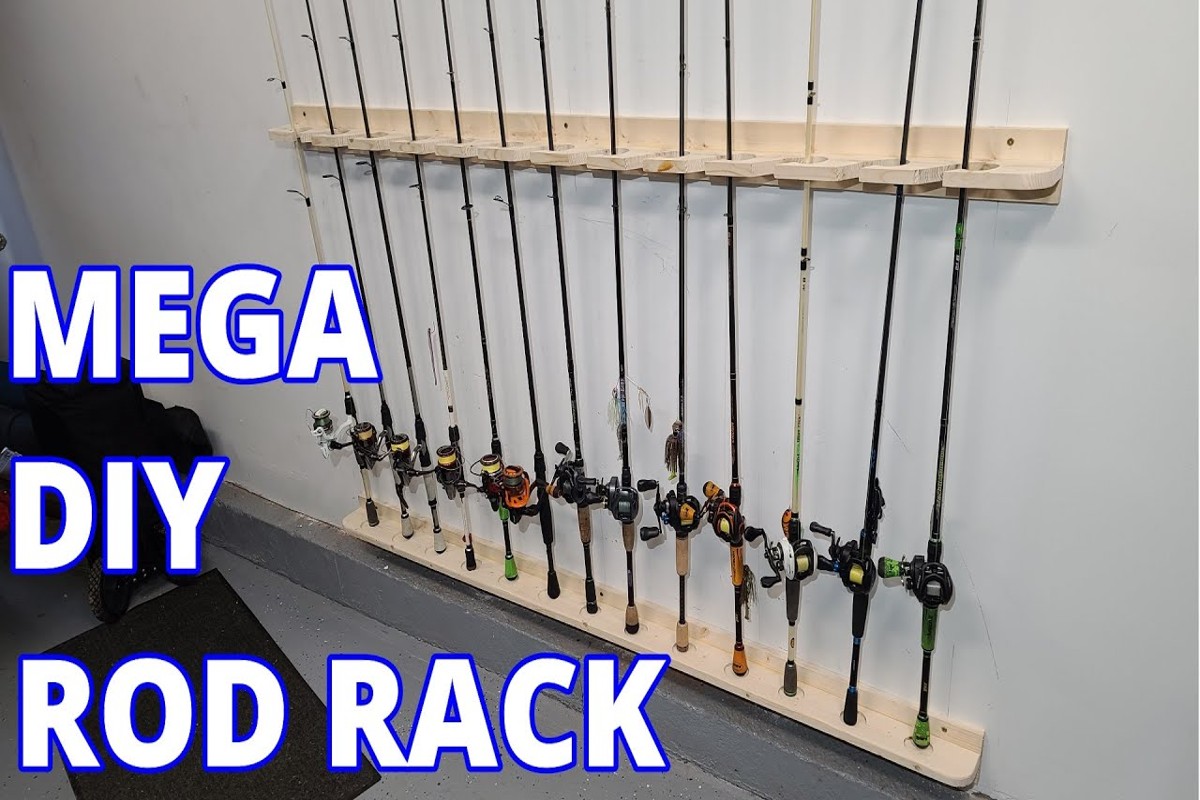
How To Make Fishing Rod Stand involves creating a stable holder for your fishing rod using simple materials. This ensures your rod is secure while you fish, preventing accidental drops and damage.
Whether you’re at the shore or on a boat, a sturdy fishing rod stand can enhance your fishing experience. It keeps your hands free for baiting hooks or handling fish, making your time on the water more enjoyable.
Building a fishing rod stand is a fun and rewarding project. The right materials can make all the difference in your stand’s durability and functionality.

Choosing the Right Materials
When you’re figuring out how to make fishing rod stand, the materials you choose are crucial. You’ll want something that’s sturdy enough to hold your rods securely but also easy to work with.
One of the best options for durability is wood. Hardwoods like oak or maple offer strength, while softer woods like pine are easier to cut and shape. If you’re looking for a rustic touch, reclaimed wood can add character to your stand.
If lightweight design is your priority, consider using PVC pipe. It’s easy to work with, inexpensive, and won’t weigh down your gear. Plus, it’s resistant to water damage, making it a great option for outdoor use. Just imagine a simple, portable stand made entirely from colorful PVC that you can easily carry to your favorite fishing spot.
For those who want maximum stability, incorporating metal components is a smart move. Aluminum or steel brackets can reinforce your stand, ensuring it won’t tip over even in windy conditions. Using metal screws and fittings can also add longevity to your build.
Mixing and matching these materials can yield fantastic results. A wooden base with PVC pipes for the rod holders, combined with metal brackets for added strength, could be the perfect combo for your fishing rod stand.
Remember, the best stand is one that fits your needs and style. Test different materials, and don’t hesitate to get creative!
When you’re ready to hit the water, having a solid fishing rod stand can make all the difference. Understanding the basic design concepts will help you choose or build the perfect stand for your needs.

Basic Design Concepts
There are several key design elements to consider when thinking about how to make fishing rod stand. From vertical to horizontal designs, each has its pros and cons, and options like adjustable height and portability can enhance your fishing experience.
First, let’s look at vertical versus horizontal designs. A vertical stand is great for saving space and is often easier to transport. However, horizontal stands can provide more stability, especially if you’re dealing with longer rods. Think about how you typically fish; if you’re hiking to a spot, a vertical design might suit you better.
Next, adjustable height features can be a game changer. If you often fish in different locations or from varying surfaces, having a stand that you can heighten or lower will ensure your rod remains secure. For example, if you’re fishing from a boat or a dock, the water level might change, and an adjustable stand can accommodate that.
Lastly, consider whether you need a compact or portable stand. If you’re traveling, a portable design is essential—something lightweight that fits easily in your gear. Compact stands, on the other hand, usually offer more stability but can be bulkier. Think about how often you’ll be moving your gear and choose accordingly.
When choosing your fishing rod stand, balance these design elements based on your fishing habits and preferences. A good stand not only holds your rod but enhances your overall fishing experience, making those long days on the water even more enjoyable.
Building a fishing rod stand can enhance your fishing experience, keeping your rods organized and ready for action. With just a few materials and some basic tools, you can create a sturdy stand that meets your needs. Let’s dive into the step-by-step construction guide.

Step-by-Step Construction Guide
This guide will walk you through the entire process of constructing your own fishing rod stand. From measuring and cutting to assembling and finishing, you’ll be set up in no time!
First, you’ll want to gather your materials. Depending on the design you choose, you might need wood (like PVC or treated lumber), screws, a drill, and some sandpaper. Start by measuring the height and width you want for your stand. A good standard height is around 3-4 feet to keep your rods off the ground while still being easily accessible. Cut your materials according to these measurements.
Next comes the assembly. Lay out your cut pieces in the desired configuration. If you’re making a simple vertical stand, you’ll typically have a base, a vertical post, and horizontal supports. Attach the pieces together using screws, ensuring they’re tightly secured. If you’re using PVC, you can use PVC cement for a more permanent hold. Always double-check your angles—an uneven stand can make for a frustrating fishing experience!
Once your stand is assembled, it’s time for some finishing touches. Sand down any sharp edges to prevent injuries and give your stand a polished look. You might also want to paint or stain the wood to protect it from the elements. After that, set your stand up in your garage or yard and test its stability. You can do this by gently shaking it to see if it wobbles. If it does, consider adding extra support or weight to the base.
Imagine heading out for a weekend fishing trip. You’ve got your freshly built stand ready to go, keeping your rods organized and off the ground. It not only saves you from tangles but also protects your gear from damage. Trust me, you’ll be glad you took the time to learn how to make a fishing rod stand!
Customizing your fishing rod stand can elevate your fishing experience, making it more enjoyable and practical. With a few tweaks, you can enhance its functionality and add a personal touch.
Customizing Your Fishing Rod Stand
When you think about a fishing rod stand, it doesn’t just have to be a plain piece of equipment. By customizing it, you can improve its usability and express your style. Let’s dive into some creative ways to personalize your stand.
First up, consider adding paint or varnish. A splash of color can transform a dull stand into a vibrant piece that reflects your personality. Plus, varnishing protects the wood from moisture and wear, extending its lifespan. Imagine a bright blue stand that stands out on the shore while keeping your gear safe.
Next, think about incorporating storage compartments. A well-designed stand can hold not just your rods but also tackle, baits, and other essentials. You could add small drawers or shelves to keep everything organized. This means less time searching for your favorite lure and more time fishing!
If you often fish on the go, making your stand collapsible is a game-changer. A portable stand that folds up easily will save you space and hassle when traveling. You’ll appreciate how much easier it is to pack your gear. Just imagine setting up at a new spot without the burden of bulky equipment weighing you down.
Adding a few more personal touches can really set your stand apart. Consider engraving your name or a favorite fishing quote. It’ll not only be a conversation starter but also a statement piece that showcases your passion for fishing.
Incorporating these elements into your fishing rod stand will not only enhance its functionality but also make it uniquely yours. So grab your tools and let your creativity flow! You’ll be surprised at how much a few simple changes can improve your fishing experience.
When you’re crafting a fishing rod stand, it’s easy to overlook some key aspects that can lead to frustration down the line. Avoiding common mistakes can make all the difference in building a sturdy and dependable stand.
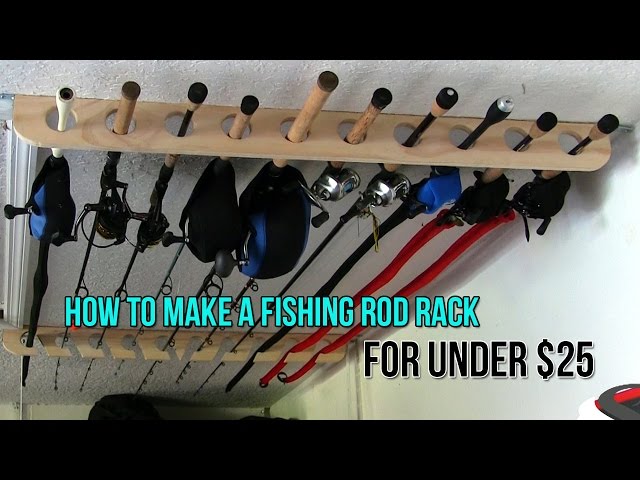
Common Mistakes to Avoid
Many DIY enthusiasts dive into building a fishing rod stand without realizing the pitfalls that can derail their efforts. By steering clear of these frequent errors, you can ensure that your stand is both functional and long-lasting.
First off, using inadequate materials is a common misstep. You might be tempted to go for cheaper options, but flimsy materials won’t hold up well over time. For instance, using thin wood or weak plastics can lead to a stand that collapses under the weight of your gear. Always opt for sturdy materials like hardwood or metal, which can support the weight of multiple rods.
Next, balance and stability are crucial. If your stand wobbles or tips over, it defeats the purpose. Many people forget to consider the center of gravity when designing their stands. Picture this: You set your rods on a stand that leans precariously to one side. Frustrating, right? To prevent this, make sure your base is wide enough and your design allows for evenly distributed weight.
Another mistake is overcomplicating the design. You might think that more features equal a better stand, but that’s not always the case. A simple, functional design often works best. For example, you don’t need fancy swivels or multiple tiers when a straightforward two-rod holder can do the trick. Keep it simple and practical to save yourself time and headaches.
When you’re building your fishing rod stand, remember to focus on quality materials, ensure stability, and embrace simplicity in design. By keeping these points in mind, you’ll find that making a fishing rod stand is not just easy, but also incredibly rewarding.
Taking care of your fishing rod stand can make all the difference in its longevity. With just a little effort, you can ensure it serves you well for many fishing trips to come.

Maintenance Tips for Longevity
Regular maintenance keeps your fishing rod stand in top shape. From inspections to cleaning and proper storage, these practices help you avoid costly repairs or replacements down the line.
One of the first things you should do is conduct regular inspections for wear. Check for any cracks, rust, or loose parts. If you notice something off, address it immediately. For example, if you find a loose screw, tightening it right away can prevent it from becoming a bigger issue later.
Next, proper cleaning methods are essential. After each fishing trip, wipe down your stand with a damp cloth to remove salt, dirt, or debris. If it’s particularly grimy, a mild soap solution can help. Just be sure to dry it thoroughly afterward to prevent moisture buildup that could lead to rust.
Storage tips also play a role in maintaining your fishing rod stand. When not in use, keep it in a cool, dry place away from direct sunlight. Avoid stacking heavy items on top of it, as this can cause warping or damage. If you’re storing it long-term, consider wrapping it in a protective cover to shield it from dust and scratches.
Finally, remember that a little effort goes a long way. By taking the time to regularly inspect, clean, and store your fishing rod stand properly, you’ll enjoy many successful fishing outings without needing frequent replacements or repairs. Happy fishing!