
When Jess dragged me to the lake for a fishing trip, I thought it’d be just another day in the sun.
I never imagined I’d stumble upon the hidden secrets of fishing rods.
From the surprising materials they’re made out of to how it affects your catch, I was hooked!
Stick around, because I’ll share why those rods are way more fascinating than I ever thought.
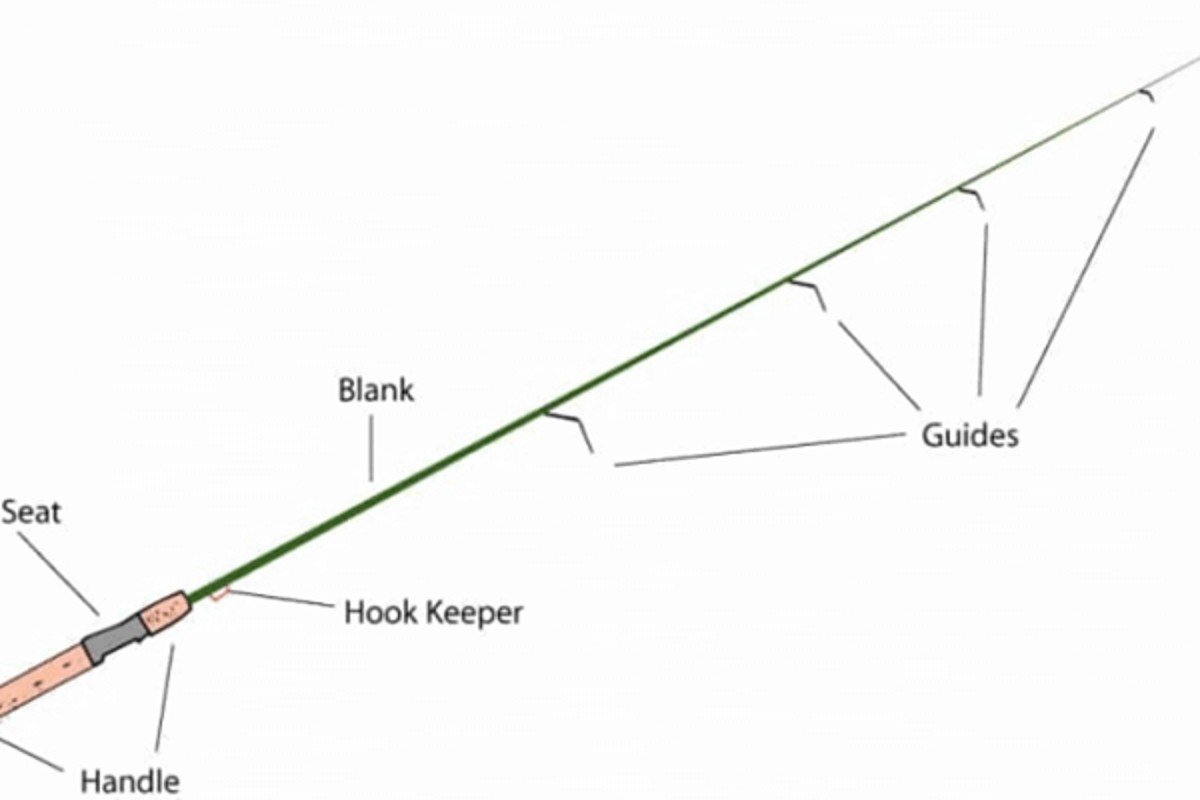
Fishing rods are typically made from materials like fiberglass, graphite, and composite blends.
These materials provide different levels of flexibility, strength, and sensitivity, tailored for various fishing techniques.
But the answer alone doesn’t tell the whole story — let me walk you through what I actually experienced on that trip.
So, there I was, watching Jess struggling with a fishing rod as we sat on that rickety old boat.
The sun was blazing, and her frustration was palpable.
“What the heck is this thing made of?” she yelled, and honestly, I had no idea.

The Day I Caught My First Fish: A Fishing Rod Mystery
That day was something special.
My first fishing trip with Jess was filled with excitement.
We headed out to the Patapsco River, all smiles and ready for adventure.
I barely knew the difference between a worm and a lure.
But the thrill of reeling in a fish was all I could think about.
When we finally got a nibble on the line, my heart raced.
I yanked that rod back, adrenaline pumping through me.
I caught my first fish!
But amidst the excitement, a question lingered in my mind.
What was this fishing rod even made of?
After the trip, my curiosity got the better of me.
I dove into researching fishing gear like a kid on a treasure hunt.
The part that caught me off guard was how much science goes into these rods.
I learned that they can be made from materials like fiberglass, graphite, and even carbon fiber.
Each has its pros and cons, which affects things like sensitivity and weight.
What I learned from that was pretty wild.
The fiberglass rod we used was heavier but also super durable.
Ideal for beginners like me.
Jess’s rod, on the other hand, was graphite, which is lighter and more sensitive.
A perfect fit for someone more experienced.
It’s funny — I had no clue how much thought goes into fishing rods.
I just assumed they were all the same.
Turns out, no.
Each material has its own quirks, making fishing that much more interesting.
If I had to do it again, I’d definitely pay more attention to my gear.
Understanding what fishing rods are made of opened a whole new world for me.
It made me appreciate my first catch even more.
So the next time you grab a rod, take a moment to think about what it’s made of — you might be surprised!
Let me tell you about a comment I saw online once.
Someone claimed that graphite rods are like the BMWs of fishing gear.
I thought, “Really? A fishing rod?”
Jess’s Secret: The Magic of Graphite
So, I hit up my friend Jess to get her take.
She’s this hardcore angler, and I knew she’d have some insight.
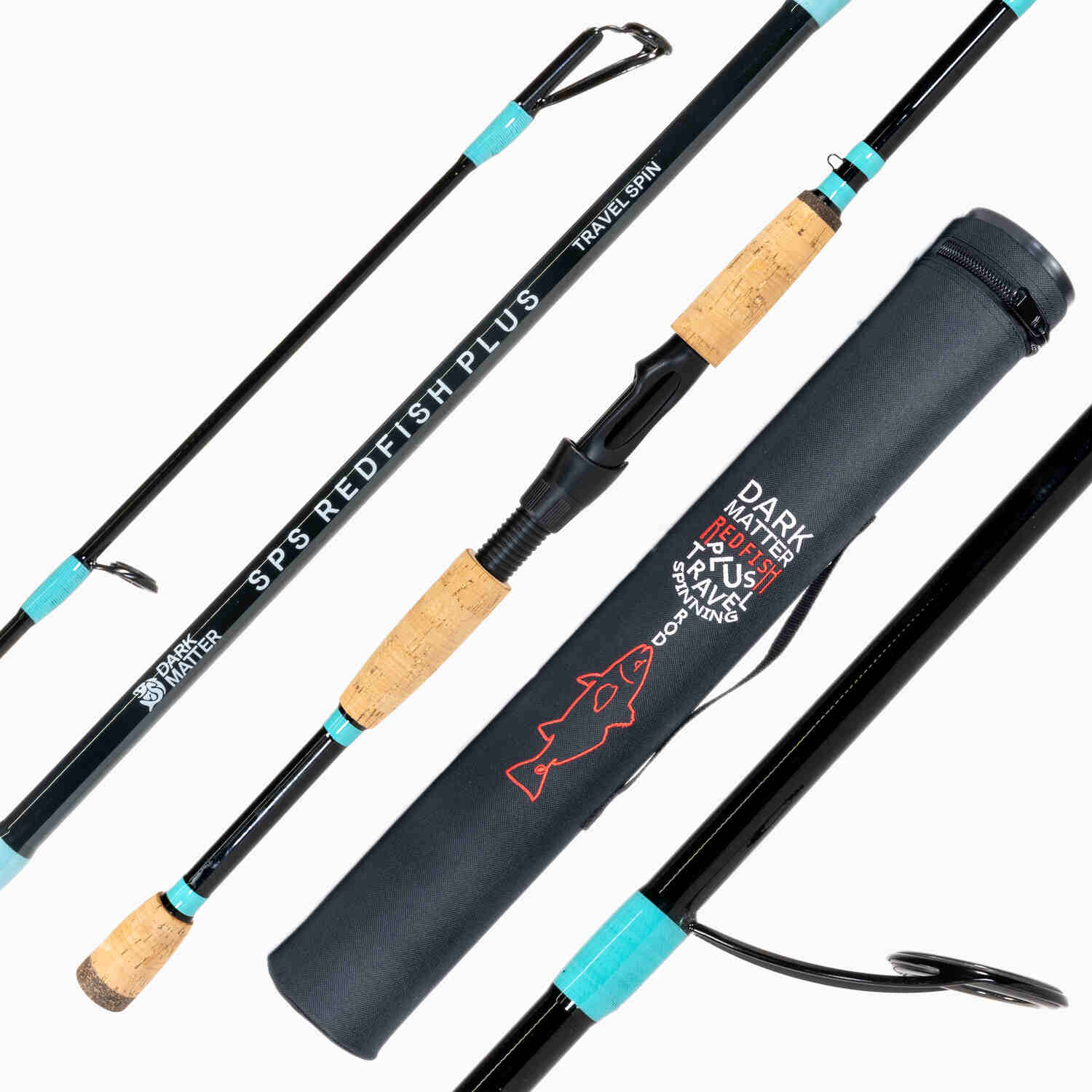
When I asked about her preferred rod, she lit up about her graphite one.
I mean, it was like I’d stumbled into a secret club or something.
She couldn’t stop raving about how light and sensitive it was.
Jess told me graphite rods transmit vibrations better than other materials.
That means you can feel everything — even the tiniest nibble.
She swore it made her a better fisherman.
I was intrigued, especially since I had clunky old rods that felt like fishing with a brick.
What I learned from that conversation was how much the right gear can change the game.
Jess explained it like this: “It’s not just about catching fish, it’s about the experience.”
The part that caught me off guard was how passionate she was about it.
She wasn’t just fishing — she was living for it.
The benefits of a graphite rod really hit home when I got to try one out myself.
I went with Jess on a weekend trip, and she let me use hers.
I honestly had no clue what I was doing at first.
But when I cast that rod, it felt like an extension of my arm.
I could feel every little tug and pull. It was exhilarating.
- Lightweight — I hardly felt it in my hands.
- Responsive — I could sense the fish before they even bit.
- Durable — I had no fear of breaking it, unlike my old gear.
If I had to do it again, I’d definitely ditch the heavy rods.
What surprised me was how much more engaged I felt in the process.
Jess was right — the gear can make all the difference.
It’s not just about “What Are Fishing Rods Made Out Of.” It’s how it feels when you cast and reel in. It’s like finding a new passion all over again.
There I was, standing on the docks in Baltimore, baiting my hook, when I overheard an old-timer chatting with some guys about fishing rods.
It turned out he was a huge advocate for fiberglass.
I leaned in, curious, as a lively debate erupted around me.
The Fiberglass Debate: Old School vs. New School
The old-timer had this twinkle in his eye as he reminisced about the days of fiberglass rods.
He swore by them, claiming they had a soul.
His stories were filled with big catches and even bigger memories.
Meanwhile, Jess and I exchanged glances, ready to jump in.
We argued that graphite was the way to go.
It’s lighter, more sensitive, and great for various fishing styles.
But he wasn’t having any of it.
He insisted that a fiberglass rod had the kind of backbone that could handle a real fighter.
And honestly? I could see his point — there’s something classic about it.
What I learned from that was how different fishing styles can really influence your choice of gear.
The old-timer’s passion made me rethink my own preferences.
I usually went for lightweight graphite because I’m always on the move.
But standing there, I realized there might be moments where a solid fiberglass rod could shine.
The part that caught me off guard was how invested everyone got in their gear choice.
It’s more than just a rod; it’s about personal experience.
I mean, the old-timer’s stories pulled us in.
They made the gear feel like a character in the tale.
The conversation took an unexpected turn when he challenged us to try a fiberglass rod on our next outing.
We laughed it off at the time, but the idea lingered.
Maybe we were missing out on a whole different vibe of fishing.
It sparked a friendly rivalry that I’ll definitely take him up on.
So if I had to do it again, I’d keep an open mind.
While I gravitate toward the graphite rods for their practicality,
I can see why the old-timer holds onto those fiberglass memories.
They’ve got history, passion, and a story worth telling.
So, here’s a wild memory that just popped into my head.
Jess once insisted on trying a composite fishing rod after hearing raves about it online.
I was skeptical — which, looking back, was dumb.
Composite Rods: The Best of Both Worlds?
She convinced me to join her at the lake for a little experiment.
I grabbed a composite rod, ready to put it through its paces.
Let me tell you, the cast felt smooth — almost effortless.
I was impressed, and honestly, a little surprised at how light it was.
The part that caught me off guard was its sensitivity.
When I felt a nibble, it was immediate — there was no mistaking it.
My old fiberglass rod just didn’t compare.
Each tug was crystal clear, and it made for such a different experience.
Jess and I both ended up landing a few decent fish that day.
I mean, I’m not saying it was solely the rod’s magic, but it definitely helped.
The composite material seemed to absorb shock, which made reeling in a breeze.
I could focus on technique instead of worrying about my gear.
What I learned from that day was how much I had underestimated modern materials.
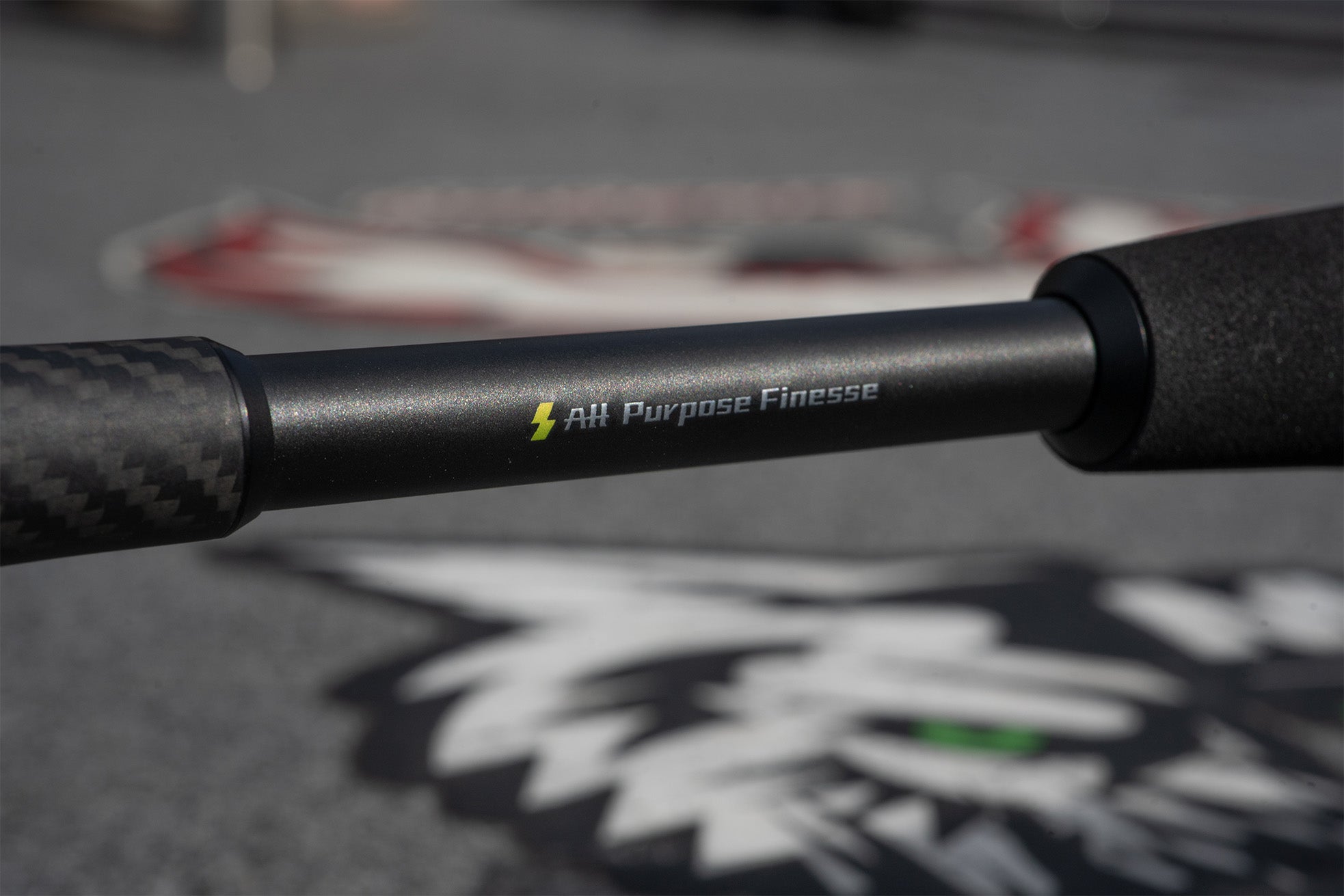
Composite rods blend the best features of graphite and fiberglass.
Light, strong, and super sensitive — what’s not to love?
I had often thought, “What are fishing rods made out of?” and now I knew.
Plus, they’re built to last, which is always a perk.
I always remember fishing with Jess by the water, laughing and having a blast.
It wasn’t just about catching fish — it was about the good time we had.
If I had to do it again, I’d definitely choose a composite rod without a second thought.
It opened my eyes to new possibilities on the water.
The thing nobody tells you is how your gear can completely change your experience.
Here’s something I didn’t expect.
While shopping for fishing rods with Jess, I thought we were about to snag some great deals.
But boy, was I in for a reality check.
The Unexpected Costs of Choosing the Right Rod
We wandered into this small fishing store in Baltimore.
Jess and I started to compare the rods on display.
What jumped out at me were the price tags.
Some rods seemed astronomically expensive.
And I clearly had no idea why.
Jess pointed at a sleek rod priced at over $200.
My eyes nearly popped out.
For something I thought would just catch fish?
“What are fishing rods made out of, really?” I wondered aloud.
As we chatted, I realized the materials made a difference.
Fiberglass, graphite, and composites all had their own price ranges.
I assumed they were just marketing gimmicks, but turns out, there’s value behind quality rods.
Every rod had a story — a purpose in the fishing world.
What I learned from that was big brands often invest in technology.
Lightweight, strong materials meant better performance.
If you’re serious about fishing, it’s worth spending a bit more.
It’s about the experience — and the catch.
The part that caught me off guard was how quickly I started to rethink my approach.
I had always opted for the cheapest option, thinking it saved money.
But looking at these rods, I realized that investing in good gear was like investing in a memorable fishing trip.
It could make all the difference.
- Quality rods can enhance your fishing experience.
- Materials directly impact durability and performance.
- Sometimes, you get what you pay for — and it’s worth it.
If I had to do it again, I’d definitely invest a little more upfront.
It’s not just about saving pennies now; it’s about making memories.
The thing nobody tells you is that your gear can shape your experience on the water.
Before I dive into the nitty-gritty of fishing rod materials, I just want to be clear about something: everything I’m sharing comes from my own experiences and a bit of imagination.
I’m not an expert, so if you’re thinking about making any big decisions, it’s always a great idea to chat with someone who really knows their stuff.
Happy fishing!
Let me take you back to my first fishing trip.
I was clueless and way too excited.
When Jess told me to get a rod, I didn’t even think about what it was made of.
What I Wish I Knew Before My Fishing Adventure
I remember standing in the store, staring at a wall of fishing rods.
They all looked pretty similar to me.
I ended up picking one that was shiny and cool-looking, not understanding the importance of the materials.
It was only after a few frustrating outings that I realized my mistake.
What I learned from that was that the material of your fishing rod makes a huge difference.
I found out that rods can be made from graphite, fiberglass, or composites.
Each material has its own pros and cons depending on what you’re fishing for.
The part that caught me off guard was how lightweight rods can make casting so much easier.
My first rod was heavy and awkward, which destroyed my shoulder after a few hours on the water.
I quickly understood that balance and sensitivity matter.
For beginners, I can’t stress enough how important it is to choose wisely.
Don’t just grab the first one you see.
Think about where and what you’ll be fishing for.
A good rod can change the game.
- Graphite rods are super lightweight and perfect for sensitivity.
- Fiberglass rods are sturdy, great for beginners.
- Composite rods provide a mix of both qualities.
If I had to do it again, I’d definitely take the time to do more research before making a purchase.
It’s not all about looks; the materials matter way more than you’d think.
So, to anyone thinking about diving into fishing, explore your options!
Whether you’re fishing in the Patapsco River or out on the bay, having the right gear can make all the difference.