
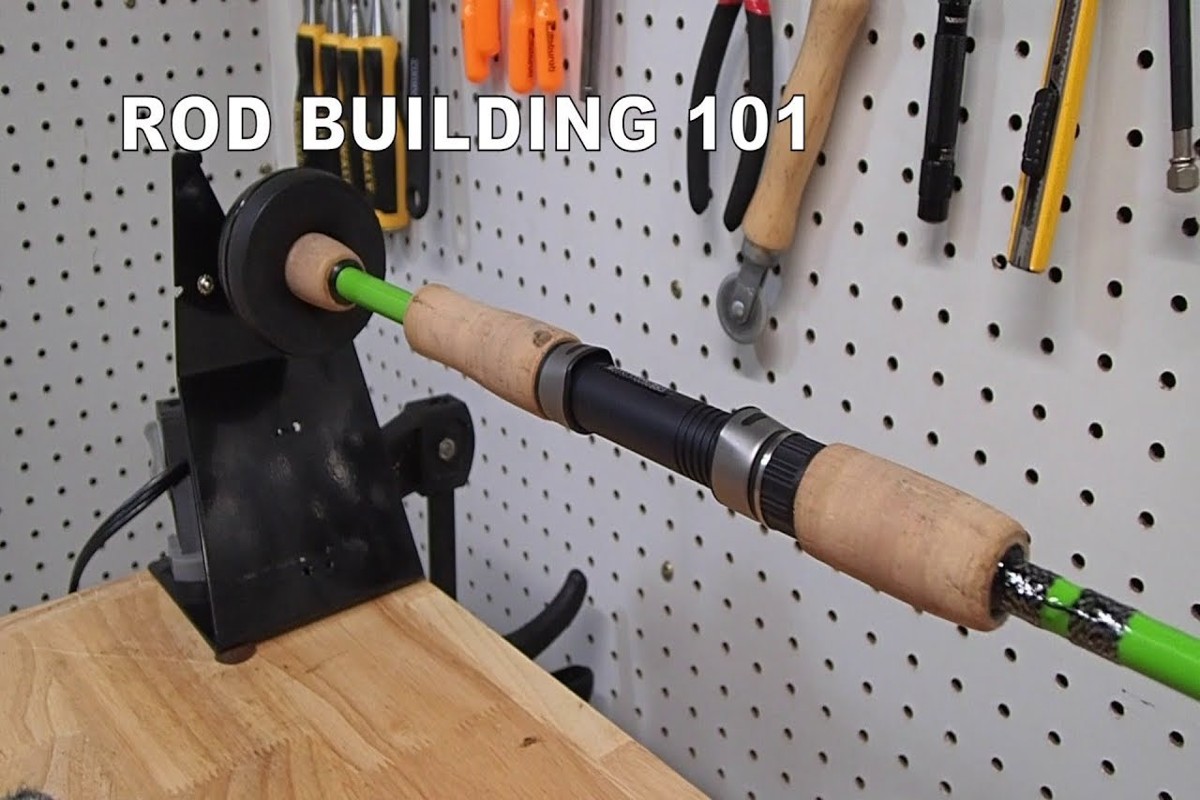
Last summer, Rob dared me to build my own fishing rod from scratch.
What felt like a fun weekend project turned into a hilarious saga of epic fails and surprising triumphs.
I’ll share why I almost gave up, the tools I wish I’d had, and the secret ingredient that made all the difference.
Trust me, you won’t want to miss this journey!
How to build a fishing rod involves selecting the right materials, measuring and cutting the rod blank, attaching the guides, and finishing it off with a handle. Follow these steps for a custom fishing experience that fits your style.
But knowing the steps doesn’t capture the wild ride that was my experience.
Let me walk you through the crazy moments that made this project unforgettable!
It’s funny how memories can pop back up when you least expect them.
Rob was telling me about his latest fishing trip, and it hit me hard.
Suddenly, I was transported back to our childhood outings at the lake.

What Sparked My Fishing Rod Adventure?
We had so many good times fishing together.
The excitement of catching that first fish, the thrill of the line pulling on the rod.
We laughed until our sides hurt, sharing stories and snacks.
That night, after some reminiscing, Rob tossed out the idea: “Why don’t we build our own fishing rods?”
I perked up immediately. It sounded like an adventure.
What I learned from that was how a simple idea can reignite a spark.
Just talking about it made me realize how much I missed those days.
The thought of creating something with my own hands was exciting.
We both felt it, that pull to relive our childhood.
The part that caught me off guard was the excitement we had planning this whole thing.
We spent hours discussing types of materials and what kind of rods we wanted.
Straight or spinning? How long? What color?
Our minds raced with possibilities. It felt like we were kids again, planning a secret mission.
- Choosing the right materials was tougher than I thought.
- We decided on a spinning rod for versatility.
- Budget was a tricky balance—we didn’t want to break the bank.
As we mapped out our project, I found myself getting a bit nostalgic.
I remembered all the quiet mornings spent by the water, just me and Rob.
We were in this together, and that made it even more special.
If I had to do it again, I’d definitely dive into the project sooner.
There’s something magical about crafting something as personal as a fishing rod.
It makes me appreciate the little things in life — and fishing even more.
Here’s something I didn’t expect.
I was genuinely blindsided by the variety of fishing gear available.
When Rob and I stepped into the local tackle shop, I felt like a kid in a candy store — a very overwhelming candy store.

Choosing the Right Materials: A Trip to the Store
The first thing that hit me was the sheer number of rod blanks lining the walls.
They were everywhere — different lengths, weights, and materials.
I stood there, mouth slightly agape, while Rob perused with expertise I didn’t know he had.
He picked up a carbon fiber rod blank and started explaining why it was the best choice.
I was just trying to keep up, nodding along like I understood.
What I learned from that moment was just how little I really knew about building a fishing rod.
I mean, I thought you just needed to slap some components together and call it a day.
The part that caught me off guard was how specific each detail could be — from material to action.
Rob pointed out how a slower action would be better for large fish, while faster action would suit lighter catches.
That blew my mind!
Then came the hilarious mix-ups.
Rob and I were trying to figure out which guides to get, and I confidently reached for what I thought were for rods.
Turns out, I was holding a mix of fly rod guides—super embarrassing but hilarious!
Rob burst out laughing, saying, “Hey, at least you’re keeping it interesting!”
I couldn’t stop giggling, and honestly, it made the whole experience way more enjoyable.
And don’t even get me started on the cork handles.
I didn’t know there were different types — there’s the standard cork, and then there’s EVA foam.
One look at Rob, and I said, “So, is it like choosing between a comfy couch or a fancy chair?”
He just rolled his eyes but secretly loved my analogy.
- Rod blanks come in varied materials — fiberglass, graphite, carbon fiber.
- Understanding action helps tailor your rod to the fish you want.
- Guide types matter — who knew?
If I had to do it again, I’d definitely brush up on my fishing gear knowledge beforehand.
Shopping with Rob was fun, but I felt a bit like a clueless novice.
The thing nobody tells you is how much fun you can have while learning — even if you stumble along the way.
Here’s something I didn’t see coming.
I thought measuring and cutting would be a breeze.
Turns out, I was in for a wild ride.

Measuring and Cutting: The Clumsy Craftsmanship
So, Rob and I set up our workspace in his garage.
The excitement was palpable — we were ready to tackle this fishing rod.
I confidently grabbed the measuring tape, feeling all sorts of professional.
But the moment I tried to measure… well, it was like I was on a reality show for clumsy craftsmanship.
First off, I couldn’t quite grasp how to align the tape correctly.
I fumbled around, measuring and re-measuring.
Rob’s patience was admirable, like he was dealing with a toddler.
I swear he held back laughter as I lost track of my measurements — multiple times.
The real kicker came when I attempted to cut the blank rod.
I blindly followed the measurement I thought was right.
But I missed the mark by a good four inches.
I mean, come on, how does that even happen?
What I learned from that was the subtle art of patience.
Measuring is harder than it appears — precision matters.
I also realized it’s crucial to double-check everything before making a cut.
That little mishap turned into a mini-lesson on focus and attention to detail.
The part that caught me off guard was how easy it was to get flustered.
One minor mistake can spiral into more mistakes.
And there I was, standing in Rob’s garage, with a rod that was supposed to be my masterpiece, now looking more like a confused stick.
If I had to do it again, I’d definitely slow down a bit.
Take my time and absorb the process.
Building your own fishing rod can be fun, but only if you don’t take it too seriously.
After all, it’s all about enjoying the journey — even if it does involve a bit of clumsiness.
I’ll never forget the moment we attempted to attach the guides.
What should have been straightforward turned into a test of our teamwork.
Rob and I found ourselves debating spacing like it was a matter of life or death.
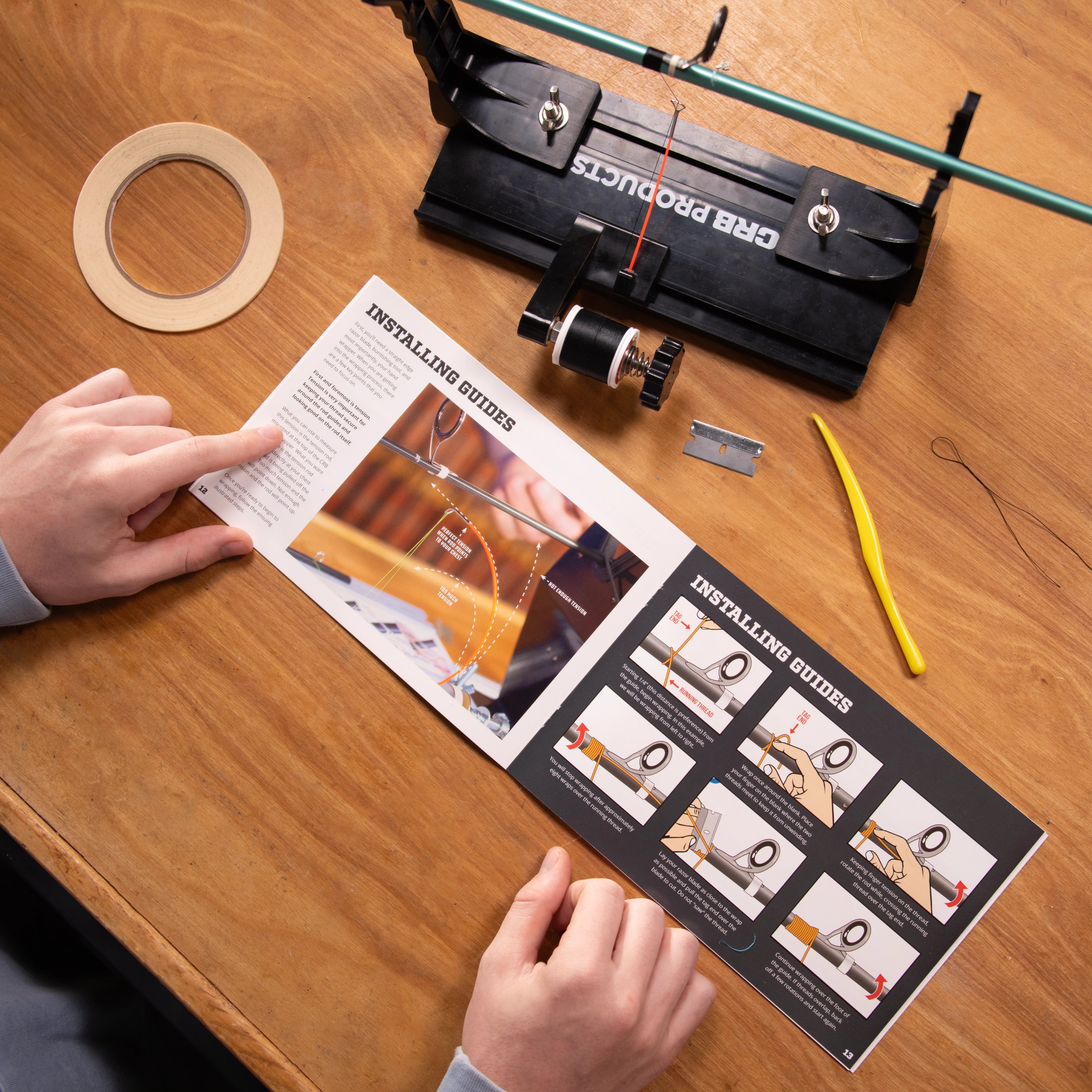
Attaching Guides: The Art of Precision
We laid out the rod on the table.
It looked so simple at first.
Just glue the guides on and call it a day, right?
Nope!
We quickly realized alignment was everything.
Rob had the brilliant idea to mark where the guides should go.
Sounds easy enough — until you have to actually do it.
At one point, I found myself holding the rod, trying to eyeball the spacing.
Rob was there with a ruler, shaking his head.
“Megan, we can’t just wing it!” he said, and I couldn’t help but laugh.
What I learned from that was how precision matters in fishing rods.
A bad alignment can affect your casting, and I didn’t want our first rod to be a total disaster.
So we measured, re-measured, and measured again.
The part that caught me off guard was how satisfying it felt when we finally got it right.
Those small victories? They meant everything.
When we glued the first guide down and it landed perfectly, we cheered like we’d just caught a huge fish.
Rob shared some amazing tips that saved the day.
For one, he suggested having a heat source nearby.
“If the glue’s not sticking, a little warmth does wonders,” he said.
Turns out he was right!
We had a small heater on in the garage — just enough to help the glue set without delay.
- Get the spacing right!
- Measure twice, glue once.
- Use heat to help the glue set.
I think what I appreciated most was the laughter we shared over our struggles.
Every little mistake became a running joke.
“Next time, I’ll just trust your ruler,” I told Rob, shaking my head.
Honestly, I wouldn’t trade those moments for anything.
If I had to do it again, I’d definitely bring a spirit level to the table.
Turns out watching Rob and I try to balance guides without one was a bit like watching a comedy show.
But hey, now we know — and that’s what it’s all about.
Here’s something I never thought about.
When Rob and I started our rod-building adventure, I thought choosing the handle material would be a no-brainer.
Oh, how wrong I was!

Finishing Touches: The Handle Dilemma
The debate over cork versus foam handles turned into a full-on philosophical discussion.
Rob was all about cork—traditional, classy, and just a nice touch.
Me? I was leaning toward foam.
It felt more modern and comfortable, and honestly, I liked the idea of something a little more durable.
Who would’ve thought choosing a handle could spark such passion?
The moment we stood in that shop, comparing textures and colors, it felt like we were picking a signature style.
We put our preferences on the table like we were debating the merits of each type of pizza topping.
Rob would argue the classic appeal of cork while I defended the ergonomic grip of foam.
In the midst of this back-and-forth, I realized it was more than just handles; it was about our personalities and what fishing meant to each of us.
What I learned from that was how much our choices reflected our individual experiences.
Rob saw fishing as a connection to history and tradition, while I thought of it as an evolving way to spend time outdoors.
That light bulb moment hit me—this wasn’t just about building a fishing rod.
It was about crafting something personal, grounded in our shared love of the craft.
The part that caught me off guard was the feeling of holding those finished rods for the first time.
Each one was a testament to our debate, our creativity, and a whole lot of patience.
As I cradled the foam handle, a sense of pride washed over me.
Rob did the same with his cork rod, and we exchanged looks that said, “We did this.”
- Cork handles for tradition.
- Foam handles for comfort.
- Both reflecting our personalities.
If I had to do it again, I’d remember this: it’s not just the fishing that matters.
It’s those little choices we make along the way.
Building a fishing rod turned into a journey of friendship and discovery.
Who knew a handle could turn into a heartfelt discussion?
Before we dive in, I just want to say that what I’m sharing here is all based on my personal experience and a bit of imagination.
I’m not a pro or anything, so if you’re planning to make any serious decisions, it’s always a good idea to chat with someone who really knows their stuff.
Happy fishing!
We were finally here.
Just me and Rob at Crystal Lake, rods in hand.
But I was nervous—had my big mistake from earlier come back to haunt me?
Casting Off: Our First Fishing Trip Together
It felt surreal to stand by the water with our homemade rods.
Rob and I had spent days piecing together our gear.
Now, watching the line shimmer in the sunlight, I felt a mix of excitement and panic.
What if it didn’t work? What if I was completely off base?
The thrill hit as I cast my line for the first time.
Honestly, it felt like magic.
Then came the unexpected challenges.
My reel got tangled—classic rookie mistake.
I remember Rob laughing as he tried to help me untangle the mess, both of us a bit frustrated but mostly amused.
But soon enough, the tension shifted.
I felt a tug on my line.
I froze—was this real?
With shaky hands, I reeled in what turned out to be my first fish.
It was a tiny trout, but to me, it felt huge.
What I learned from that day was that mistakes are part of the journey.
My early blunder with the reel? Totally avoidable.
But without it, I might not have appreciated the thrill of casting off even more.
The part that caught me off guard was how connected I felt to nature and to Rob.
We were out there, laughing, celebrating small victories, and feeling a genuine sense of achievement.
It wasn’t just about fishing; it was about friendship.
If I had to do it again, I’d embrace the mishaps more.
After all, those moments are what I’ll remember the most.
The thing nobody tells you is that it’s not just about the catch, but the stories you create along the way.