
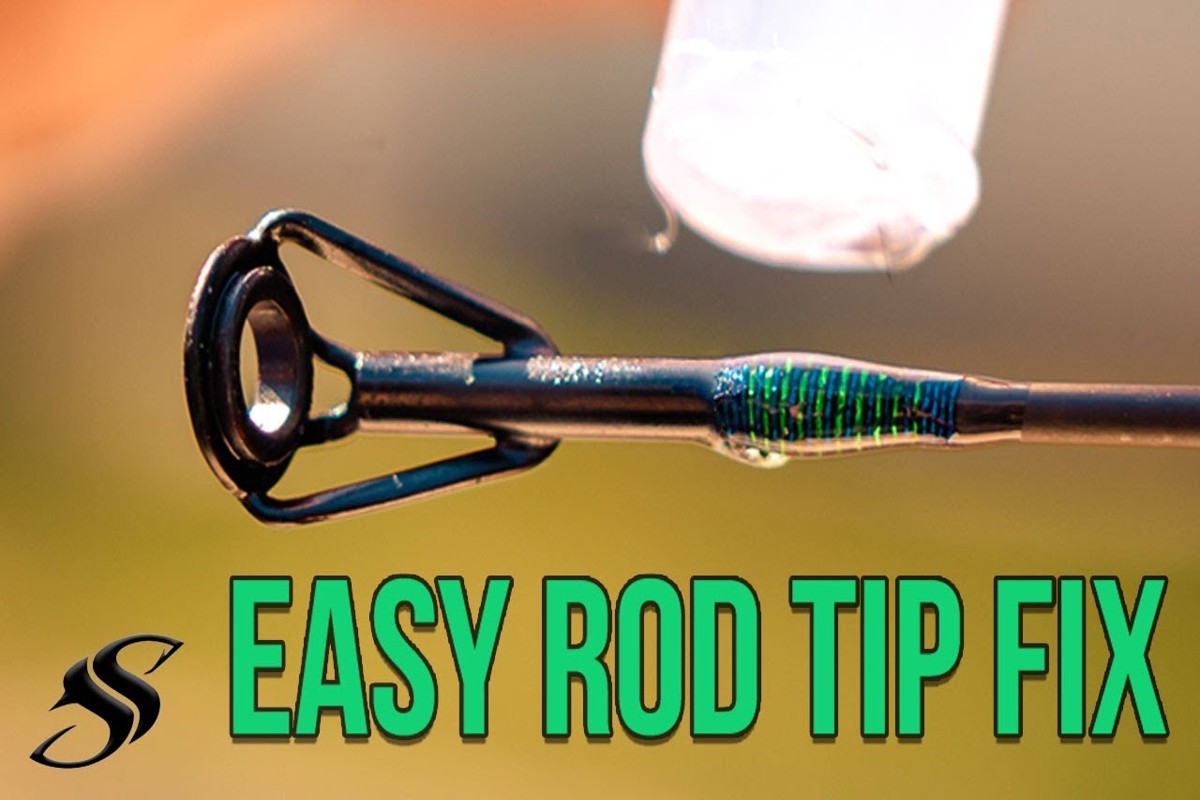
Ever had that sinking feeling when your fishing rod tip breaks right before a big trip?
Well, that’s exactly what happened to me and my friend Phil last summer.
I’ll also show you the hilarious and frustrating moments that led to me figuring out how to repair the fishing rod tip.
You won’t believe how it transformed our fishing adventures!
To repair a fishing rod tip, first remove the broken tip using a heat source.
Then, clean the rod, apply adhesive to the new tip, and slide it into place.
Finally, allow it to cure before using the rod again.
But the answer alone doesn’t tell the whole story—let me walk you through what I actually experienced.
I’ll never forget the moment Phil called me about his fishing rod tip breaking. He was out on the lake. Just getting ready to cast a line when — snap!
It felt like a scene from a fishing horror movie.
I had no idea I’d face the same fate the very next day.

What Happened to My Fishing Rod on the Lake?
The day started with so much excitement.
Phil and I had been looking forward to this trip for weeks.
The sun was shining, the water was calm, and my tackle box was stuffed with gear.
But as soon as we reached our spot, I went to set up my rod.
That’s when I noticed it — the tip was completely shattered.
The realization hit me hard. My fishing plans were in jeopardy.
I stood there, rod in hand, feeling utterly defeated.
What was I going to do without my favorite setup?
The only thing I could think was how much I didn’t want to ruin the day for Phil.
What I learned from that was how quickly things can go sideways.
One moment, I was pumped and ready to fish, and the next, I felt like a kid whose balloon just popped.
The part that caught me off guard was how attached I’d gotten to that rod.
I mean, it’s just a fishing rod, right? But at that moment, it felt like my entire trip was ruined.
The thing nobody tells you is that fishing isn’t just about catching fish.
It’s also about the memories you make along the way.
Even when my rod was broken, Phil made sure I didn’t miss out on the fun.
He talked me through a few ideas and encouraged me to stay optimistic.
- Always check your gear before heading out.
- Keep some duct tape in your tackle box — you never know.
- Ask friends for tips — they might have solutions you haven’t thought of.
If I had to do it again, I’d definitely double-check my gear first.
But life happens, and sometimes you just have to roll with the punches.
That day ended up being a blast, even though I was fishing with a broken rod tip.
It taught me to be resourceful and lean on my friends, because in the end, it’s about the good times, not just the catch.
So there I was, standing on the edge of a beautiful lake just outside Omaha.
My fishing rod tip snapped like a twig.
And just like that, my perfect sunny day turned into a mini-crisis.
The Panic of a Broken Rod Tip: What Now?
I felt completely helpless in that moment.
I mean, how was I supposed to fish without a decent rod tip?
That’s when I turned to Phil, my go-to fishing buddy.
He immediately laughed — but I could tell it was out of empathy, not mockery.
He shared a story about a time he lost a lure because his rod tip broke mid-cast.
Not exactly reassuring, but it eased my panic a little.
We brainstormed quick fixes right there at the lake.
Phil suggested duct tape, which sounded solid at first.
But when I looked around, I realized I didn’t have any in my tackle box.
That’s when I remembered reading something random on Quora about using a toothpick for repairs.
Had I really come to this? Fishing with a toothpick?
What caught me off guard was how many ideas we had, yet nothing felt right.
I needed a solution and fast—time was ticking.
Finally, I decided I had to take matters into my own hands.
Phil could only do so much from the sidelines.
In that moment, I learned the importance of being resourceful.
Sometimes, you can’t just wait for help; you have to figure it out yourself.
Ultimately, that pushed me to think outside the box, or should I say, outside my tackle box.
If I had to do it again, I’d plan better.
Putting a little repair kit in my tackle box wouldn’t hurt.
But also, I wouldn’t hesitate to get creative next time.
Who knows? Maybe the toothpick idea would’ve worked after all.
There’s something about walking into a tackle shop that feels like stepping into a fishing paradise.
That smell of bait mixed with old wood and the sound of a reel spinning just makes you feel alive.
So when I needed to fix my fishing rod tip, I knew I had to check one out.
A Trip to the Local Tackle Shop: Lessons Learned
I made my way to the local tackle shop here in Omaha — a small place, but packed with charm.
As soon as I walked in, I met the owner, an older guy named Hank.
He had stories that could fill a book, each one better than the last.
I honestly could’ve listened all day.
Hank pulled out a few rod tips and showed me the differences between them.
Some were made for light fishing, while others were meant to handle the big catches.
“You want one that matches your fishing style,” he said.
I nodded along, trying to absorb it all — which, looking back, was a bit overwhelming.
Then, I got to the supplies section.
It felt like I was on a treasure hunt, searching for everything I needed.
I grabbed some adhesive, a new tip, and some thread — all while Hank shared tips on how to do the repair.
I must admit, I was a bit skeptical. Could I really pull this off?
What I learned from that was the value of hands-on advice.
Hank didn’t just sell me stuff; he shared his knowledge from years of experience.
That aspect was priceless.
Sometimes, you just need someone to show you the ropes.
The part that caught me off guard was how much fun I had during this little adventure.
I thought I was just going to grab supplies, but I left feeling inspired.
Hank’s stories and the excitement of fixing my rod turned a simple trip into a memorable one.
If I had to do it again, I’d definitely spend some more time in that shop.
Not just because I needed to learn how to repair fishing rod tip, but because the community there is incredible.
There’s a certain magic in sharing a passion with others, and I found that in Hank’s store.
Here’s something I didn’t expect.
When I saw Phil break his fishing rod tip during our last trip, I didn’t think fixing it would end in a mini disaster.
Let’s just say, he was a little overconfident in his DIY skills.

The Repair Process: Step by Step
After hearing Phil’s botched attempt at fixing his rod, I was determined not to repeat his mistakes.
Armed with some online advice and a list of supplies, I set up my workspace on my kitchen table.
I laid out everything: glue, new tip, scissors, and even a roll of tape.
It felt oddly satisfying to see everything organized and ready to go.
The first step was to remove the broken tip. I carefully sliced through the old adhesive using my scissors.
What caught me off guard was how stubborn that old glue was!
Once I got the tip off, I prepped the new one by putting a thin layer of glue on it.
Then came the moment of truth. I pressed the new tip onto the rod and held it there for a few seconds.
After waiting for it to set, I wrapped some tape around the tip to keep it secure while it dried.
I decided to make myself a snack while it cured, which was not the best decision.
The suspense of waiting was almost unbearable!
Finally, after what felt like an eternity, it was time to test the repair.
I took my rod outside, feeling a mix of excitement and nerves.
I cast my line into the water, and for a moment, everything felt perfect.
But as luck would have it, the first big fish I hooked gave a massive tug and — bam!
The rod tip snapped off again, but this time, I was ready.
What I learned from that was that I needed to take my time and ensure the glue was fully set before putting any stress on it.
The part that really surprised me was how much I enjoyed the process.
It felt good to tackle a challenge, even if it didn’t go as planned.
Next time, I’ll definitely give it more time to cure — and probably stick to fishing where it’s a little less crowded.
Frankly, if I had to do it again, I’d check out a few more YouTube videos first.
And definitely make sure I have a backup rod ready to go, just in case.
So, there I was, standing on the dock with my newly repaired fishing rod in hand.
The moment felt surreal, almost like I was holding my breath.
Would it actually work?

Reeling in the Success: Back to Fishing!
Phil and I decided to hit the lake that weekend.
The air was crisp, the sky was clear, and I was ready.
But honestly? My nerves were all over the place.
This was the first time I was going to test my repair on the rod tip.
As we settled on the boat, I could feel my heart racing.
When I cast my line, it felt like magic.
The rod was responsive, just the way I remembered.
I tossed out my bait and waited, playing the waiting game.
Then, suddenly, I felt that unmistakable tug.
I reeled in with all my might, and there it was—a fish!
My first catch after the repair.
The adrenaline rush was insane.
I couldn’t believe it worked!
I looked over at Phil, who was grinning from ear to ear.
“I knew you could do it!” he shouted, clearly as excited as I was.
We spent the entire day catching fish, joking around, and soaking up the sun
The kind of day that makes you forget everything else.
What I learned from this day is that sometimes, the stakes are higher than just fishing.
It’s about overcoming doubt and putting yourself out there.
The part that caught me off guard was how much I cherished that first catch.
It wasn’t just about the fish—it was about proving to myself that I could do it.
Phil kept teasing me about my “pro” skills, which made it even funnier.
I realized that sharing these moments with a good friend made everything better.
The laughter, the lighthearted competition, and the thrill of each catch were priceless.
Here I was—just a girl in Omaha, excited about fishing again.
If I had to do it again, I’d definitely take the plunge and repair that rod sooner.
It taught me that facing a challenge head-on can lead to some of the best memories.
And honestly, there’s nothing quite like the joy of reeling in a fish after a successful repair—especially when you’ve got a great buddy by your side.
Before we dive into the nitty-gritty, I just want to share a quick note:
everything I’m about to discuss comes from my own experiences and a bit of creative thinking—definitely not professional advice.
If you’re facing a serious rod issue, I totally recommend chatting with an expert who knows their stuff!
Here’s something I didn’t expect.
I broke my fishing rod tip on a trip with Phil.
It was embarrassing and frustrating.

Why Every Angler Should Know This Trick
It was one of those sunny days out on the water, feeling good about life.
Then, WHAM!
My rod tip snapped off while I was casting.
I was mortified.
But what struck me was how unprepared I felt.
After that day, I realized I needed to learn how to fix equipment.
It wasn’t just about being a good angler; it was about being self-sufficient.
I wanted to go out there and fish without worrying about every little mishap.
The more I learned, the more confident I felt.
What I learned from that experience was that fishing is about more than just catching fish.
It’s about the camaraderie and the shared stories.
If I had known how to repair fishing rod tip back then, I’d have saved myself a lot of stress.
And maybe even some embarrassment.
Phil often says the most memorable fishing experiences come from unexpected situations.
He has his own stories — like the time he ended up fishing with a makeshift rod after breaking his buddy’s pole.
That taught him to be resourceful. This was a big lesson for me, too.
You learn a lot when things don’t go according to plan.
Building Confidence
Knowing how to repair my gear has changed the way I approach fishing trips.
I feel less anxious about mishaps now.
I can focus on the fun, rather than stressing about equipment failure.
- Practice makes perfect.
- There’s joy in solving problems.
- Sharing your fixes with others builds community.
The thing nobody tells you is the satisfaction of fixing your own stuff.
If I had to do it again, I’d have taken a repair kit on that trip with Phil.
The lesson? Be prepared for anything, and don’t shy away from learning something new.
Plus, it’s a great conversation starter!