
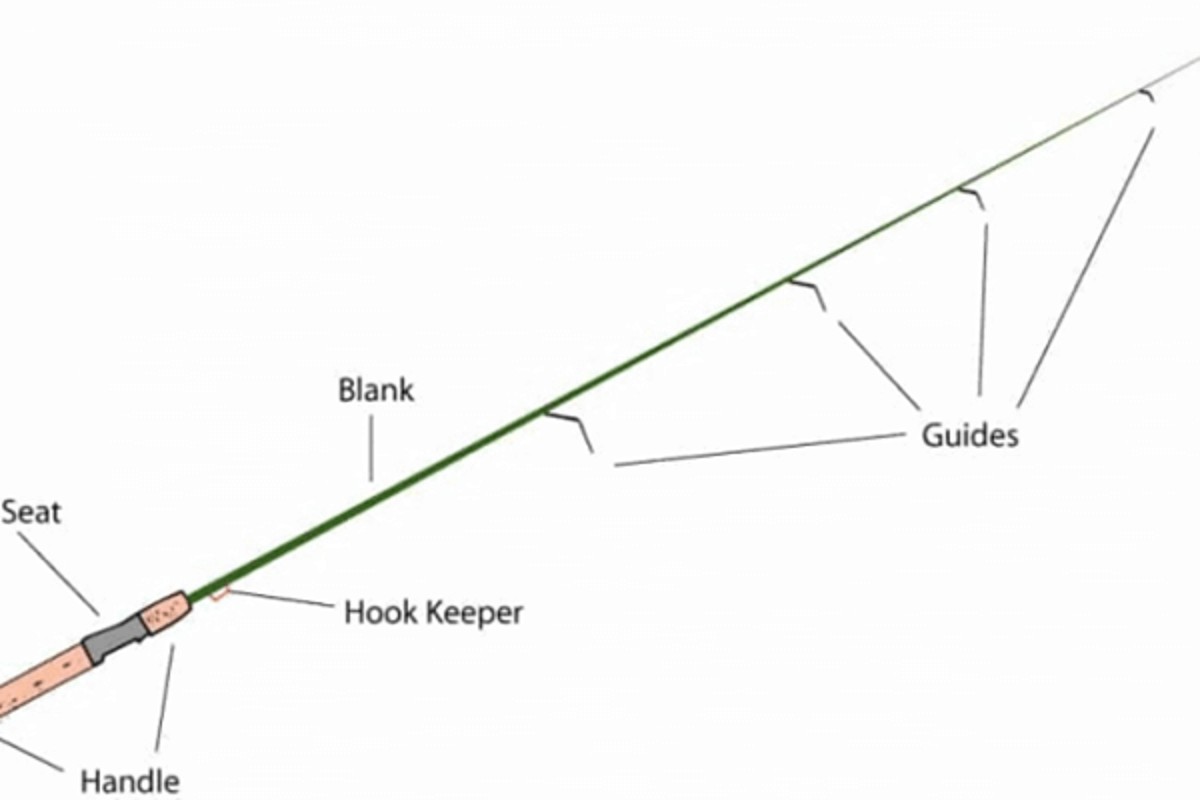
Last summer, I found myself on a fishing trip with my friend Carlos, who proudly declared he knew everything about fishing rods.
But when he said they were just made of ‘a stick and some line,’ I had to challenge that.
What I dug up about fishing rod materials was a game changer!
Later in this post, I’ll reveal the surprising truth that blew both our minds and totally transformed our fishing game.
Fishing rods are made of various materials, primarily fiberglass, graphite, and composite materials. These materials provide different levels of strength, flexibility, and sensitivity, catering to various fishing styles and preferences.
But the answer alone doesn’t tell the whole story — let me walk you through what I actually experienced on that unforgettable trip.
So, picture this: I’m sitting on the boat, ready for a chill day fishing with Carlos.
He’s all pumped up, showing off his shiny new fishing rod.
Within minutes, it snaps like a twig. Seriously, you can’t make this stuff up.

The Day Carlos and I Went Fishing: A Comedy of Errors
I couldn’t believe my eyes when I saw his rod break.
One minute he’s casting, the next, he’s left holding a useless handle.
I tried to help him fix it.
Turns out, I’m no rod repair expert.
All I could do was laugh and say, “Welcome to fishing, buddy!”
Instead, I whipped out my old rod from the back of my closet.
I honestly thought it was just an ancient relic.
But when I cast it out, I felt a tug.
A fish! I was shocked.
Carlos couldn’t believe it either. It was like the universe was saying, “Not all is lost!”
The real comedy started when we began searching for answers.
“What are fishing rods made of?” Carlos shouted, trying to regain his composure.
“I have no idea,” I said, shrugging my shoulders.
We were off to the internet for a lesson — a deep dive into fishing gear.
What I learned from that day?
Sometimes the old gear is better than you think.
My rod, despite its age, definitely had a few more fish in it.
And Carlos? He learned the hard way about not dropping cash on gear without checking its durability.
But hey, that’s fishing for you — sometimes it’s a real hit or miss.
The part that caught me off guard was how much fun we had despite the mishaps.
We spent hours just chatting, laughing, and trying out different techniques.
Even the fish weren’t biting consistently; we didn’t care.
Fishing turned into a mini-adventure, a break from our busy lives in Tampa.
If I had to do it again, I’d definitely double-check our gear.
I mean, who knew old rods could still surprise you?
And next time? I’ll bring some snacks.
That way, when things go south — at least we’ll have something to munch on while we figure out how to not break rods.
Here’s something I didn’t expect.
I was scrolling through the City-Data forums, looking for tips on fishing, when a post caught my eye.
It was about the different materials fishing rods are made of, and it left me a bit confused.
What’s Really Inside That Fishing Rod?
After our first fishing trip ended in disaster, I was on a mission.
I needed to know what makes a good rod.
So, I hit up some local experts in Tampa.
I met up with shop owners and anglers who had been doing this for years.
Their knowledge was seriously impressive.
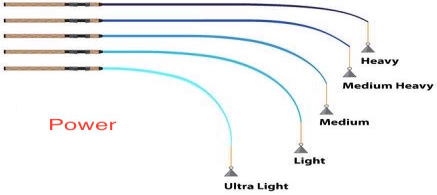
What I learned from that was that fishing rods come primarily in two materials: fiberglass and graphite.
Fiberglass is great for beginners — durable, flexible, and almost impossible to break.
I could see why it’s a popular choice for folks just starting out.
But as soon as I started talking to the pros, the conversation shifted to graphite.
It’s lightweight and super sensitive, which is key for feeling those subtle bites.
The part that caught me off guard was the concept of ‘sensitivity’ vs. ‘sturdiness.’
A sensitive rod lets you feel the tiniest nibbles, which is essential for a good catch.
But it’s also important to have a sturdy rod for battling bigger fish.
The right balance is everything, and I quickly discovered that not all rods are created equal.
Carlos, my fishing buddy, swears by his graphite rod.
He talked about how it changed his entire fishing game.
And honestly? I was envious.
I wanted that level of finesse while reeling in fish.
- Fiberglass = durability
- Graphite = sensitivity
- Finding the right balance is crucial
If I had to do it all over again, I’d definitely pay more attention to what fishing rods are made of.
The differences can make or break your experience out there.
Now it’s about finding that perfect rod that feels just right in my hands.
You’ll never guess what happened while casting with Carlos last week.
We were out on the bay, and he was catching fish left and right.
I, on the other hand, was struggling — and I had a hunch it was my rod.
The Physics of Casting: Why Material Matters
So there we were, standing side by side, casting our lines into the shimmering waters.
Carlos had this fantastic rod, super lightweight yet incredibly strong.
Me? I was stuck with my old, heavy one.
I could feel the difference immediately.
His casts went further and seemed far more effortless.
I was working twice as hard just to keep up.
That’s when I realized how important rod materials and design really are.
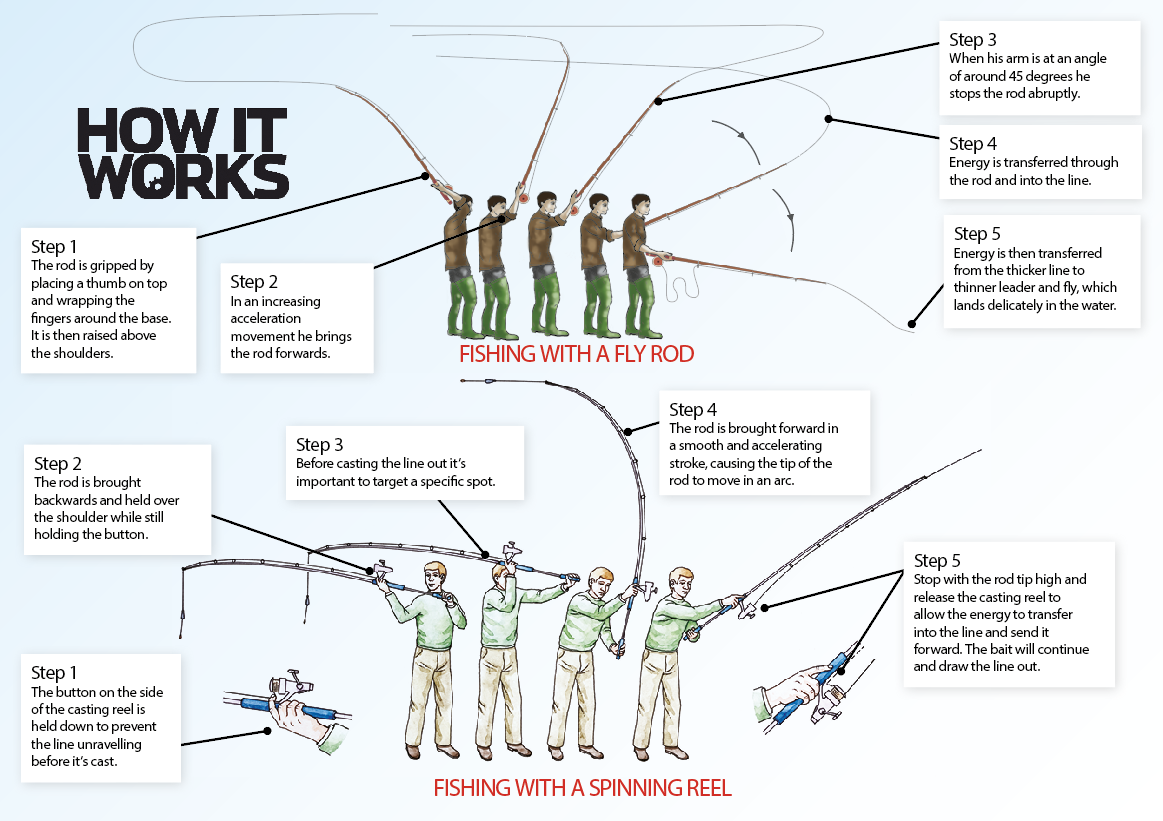
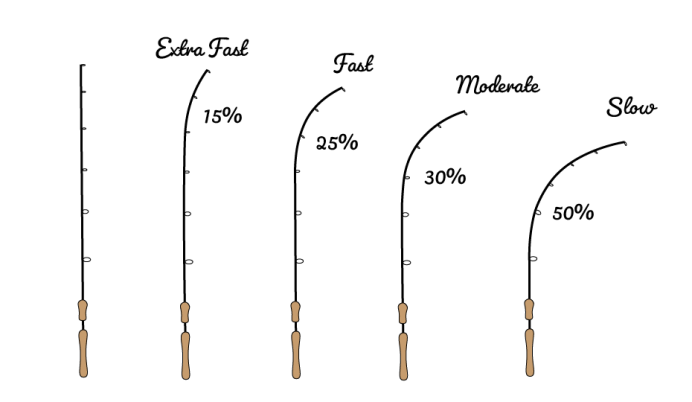
What I learned from that was how different materials affect action and power.
I never paid attention to rod action before.
But standing there, it clicked — lighter materials have more whip, translating to better distance.
And that balance between weight and strength? It’s a game changer.
The part that caught me off guard was the role of graphite and fiberglass.
Carlos’s rod was mainly graphite, which is known for being lighter and more sensitive.
Mine? Fiberglass — heavy and less responsive.
When I thought about it, the difference in catches made total sense.
- Graphite rods: Light, strong, and responsive.
- Fiberglass rods: Durable, but heavier and clunkier.
- Composite: A mix, aiming for a balance.
If I had to do it again, I’d definitely invest in a better, lighter rod.
I wish I’d understood what rods were made of before.
Turns out, material is everything when you’re trying to land that big one.
So, there I was, chatting with Carlos about fishing rods like we always do.
Suddenly, he throws this question at me: “What are composite rods anyway?”
I was stumped. Had I been missing out?
The Unexpected Benefits of Composite Rods
I dove deep into research after that chat.
Turns out, composite rods are a blend of materials — typically graphite and fiberglass.
The best of both worlds, really.
They offer incredible strength without sacrificing sensitivity.
Perfect for those sneaky fish that test your patience.
As I was reading up on all this, I couldn’t help but picture Carlos. His old rod had seen better days.
The last time we fished together, he spent more time untangling lines than actually fishing.
When I shared my findings, he raised an eyebrow.
“You mean I should upgrade?” he asked, clearly skeptical.
The part that caught me off guard was how invested Carlos got in the discussion.
He’s usually more about practicality than the latest gear.
“Do these composite rods really make a difference?” he wanted to know.
I hadn’t really thought about it before, but yeah, they can. They can totally change your game.
What I learned from that was that you don’t always need the fanciest rod to be a great angler.
But if your equipment is holding you back, it’s worth considering an upgrade.
Sure, it’s an investment, but if it helps you catch more fish, why not?
We ended up debating back and forth on the City-Data forums, which was a whole lot of fun.
Carlos was curious but cautious — typical Carlos, really.
“What if it doesn’t work?” he asked, a slight frown on his face.
I reassured him, saying even if it didn’t, at least he’d have a cool new rod.
The thing nobody tells you is how much equipment can affect your fishing experience.
I mean, I remember fishing with my dad and using rods that were heavier than anything else.
We still had a blast, but imagine if we had lighter gear back then.
So much easier!
If I had to do it again, I’d definitely consider going for a composite rod sooner.
The benefits are just too good to ignore — strength when you need it, and sensitivity that lets you feel the slightest nibble.
So, here’s to upgrading our gear and hoping it leads to some epic fishing trips!
Fishing rods have evolved a lot for me over the years.
My friend Carlos once asked me what I thought about materials and I totally blanked.
Turns out, there’s a lot more to it than just “the stick you use to catch fish.”
My Fishing Rod Evolution: From Beginner to Pro
I still remember the first fishing rod I bought.
It was a cheap, beginner model from a local shop in Tampa.
I thought it was the best thing ever at the time.
But honestly, it felt like trying to catch fish with a garden hose.
Every cast was like a battle against the rod itself.
Then came the moment that changed everything for me.
On a fishing trip with Carlos, I decided to try out his sleek graphite rod.
Oh man, it was like night and day.
The sensitivity was incredible, and I could feel every little nibble.
It made me realize how much I had been missing.
After that trip, I couldn’t go back.
I started saving up for my own upgrades.
With each new rod I got, the experience changed dramatically.
The first upgrade was to a mid-range composite rod.
Suddenly, casting wasn’t a chore anymore.
But the ultimate game-changer?
It was a high-end carbon fiber rod I treated myself to.
Light as a feather and super responsive.
That’s when I finally caught the big one — a snook that felt like a freight train on the line!
What a thrill!
What I learned was that a fishing rod can make or break your experience.
Before upgrading, I had no clue how much potential for fun I was missing.
Each new rod brought a sense of confidence and excitement.
The part that caught me off guard was how much I fell in love with the whole process.
It wasn’t just about catching fish anymore.
It was about the joy of exploring different techniques and feeling connected to the water.
Every rod tells a story of its own, you know?
If I had to do it again, I’d have upgraded sooner.
What are fishing rods made of?
It’s more than just materials — it’s about the joy they bring.
Now, I’m always excited about new fishing trips, rod in hand, ready for the next big catch!
Before we dive in, I just want to be clear about something:
everything I’m sharing here is rooted in my own experiences and a bit of fun research —
I’m definitely not a pro at this!
If you’re thinking about making any big decisions,
it’s always a good idea to chat with someone who knows their stuff.
Here’s something I didn’t expect.
After diving deep into the materials behind fishing rods, I felt this fire to share what I learned.
I mean, who knew carbon fiber could make such a difference, right?
Sharing What I Learned with Fellow Fishers
I decided to host a local fishing workshop.
Carlos was on board from the start.
He helped spread the word, and he even joined in to share his experiences.
I was nervous. I wanted to make sure I got it right this time.
It was my chance to correct the mistakes I made early on.
One of my first blunders was assuming all fishing rods were made the same.
I confessed that mistake during the workshop.
Turns out, rods can be made from different materials, and each has its pros and cons.
I realized many others had the same misconception.
The energy in the room was contagious.
Watching people nodding along, their eyes lighting up when they learned something new was amazing.
I felt a real sense of camaraderie among fellow fishers.
Carlos chimed in with his learning curve, too.
He shared stories of his first fishing trips — the rods he used, and, of course, the ones that broke.
What I learned from that was how sharing knowledge builds a community.
Everyone had their own little gems to add.
I was surprised at how willing everyone was to learn and teach in that space.
The part that caught me off guard was the diversity of experiences.
You’d think Tampa fishing would be the same for all of us, but oh boy, were we wrong.
One funny moment was when someone asked if a fancy rod made you a better fisher.
We all chuckled and shared our “fishing fails.”
That question reminded me that it’s less about the gear and more about the experience.
Fishing is about the thrill and the connections we make on the water.
If I had to do it again, I’d host more workshops.
There’s such a wealth of knowledge out there just waiting to be tapped into.
The thing nobody tells you is how powerful these connections can be in fostering a love for fishing.
It’s not just about “What Are Fishing Rods Made Of,” but the stories, the laughter, and the mistakes we all share.